





Introduction: Piedmont’s Flavours — an Invitation to Its Food Fairs
Piedmont, tucked at the foot of the Italian Alps, is a region that writes its cuisine in capital letters: Alba’s white truffles, Barolo and Barbaresco, mountain cheeses, rich meats and farmers’ markets that celebrate the seasons. Exploring Piedmont’s food fairs is a sensory dive where aromas, textures and local know-how have been in conversation for generations. These events are more than places to eat — they’re cultural gatherings, shop windows for family producers and meeting labs where chefs, winemakers, farmers and food lovers from around the globe connect.
This guide maps out the can’t-miss gastronomic fairs of Piedmont, with practical details — exact addresses, opening hours, indicative prices — and immersive descriptions to help you plan your visit. You’ll also find local tips to get the most from tastings: how to spot a quality stall, which times to avoid the crowds, how to transport fragile items (like truffles), and where to book a meal that pairs fair discoveries with an exceptional table. Piedmont’s fairs run year-round: you can attend autumn events dedicated to the tuber magnatum pico (Alba’s white truffle); international wine and food gatherings in Turin; summer markets and grape festivals in the Asti and Alba areas; and winter events where fatty beef, polenta and winter cheeses take center stage.
Visiting these fairs also helps you understand Piedmont’s historic role in Italian and European cuisine: a crossroads between alpine tradition and Latin influences, the region highlights dishes built around excellent raw materials — hazelnut oil, Vercellese rice, Fassona beef, giardiniera, almonds and above all the prestigious Nebbiolo behind the Langhe’s great wines. Many of these fairs have been organized for decades or even centuries, and they skillfully combine modern event planning with local authenticity: workshops, auctions, chef competitions, masterclasses and culinary trails. Families return year after year, professionals form partnerships, and tourists leave with unforgettable experiences.
Before you go, keep a few simple rules in mind: book tickets well in advance for the most popular events (Fiera Internazionale del Tartufo Bianco d’Alba, Salone del Gusto), bring multiple payment options (cash and card), and plan your route around local markets and recommended restaurants. In the sections that follow, we break down five key events in Piedmont, giving addresses, hours, entry or tasting prices, detailed descriptions and practical advice so you can savor every moment.
Fiera Internazionale del Tartufo Bianco d’Alba (Alba): Piedmont’s White Gold
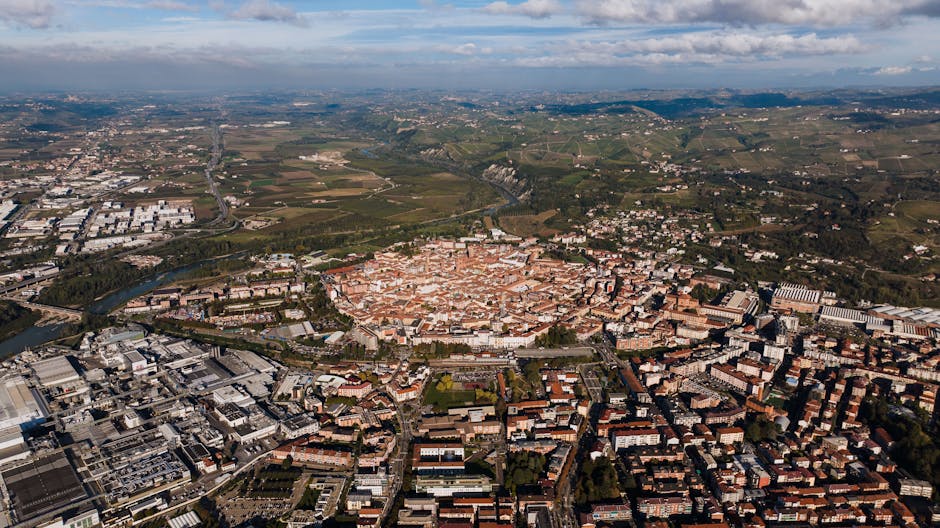
The Fiera Internazionale del Tartufo Bianco d’Alba is arguably Piedmont’s most famous gastronomic event. It takes place every autumn, usually from October to November, in Alba’s historic center. The fair’s hub is around Piazza Vittorio Emanuele II, 12051 Alba CN, Italia, spreading along medieval streets with stalls, exhibition pavilions and tastings at local wine shops.
Hours: the fair is typically open daily from 09:00 to 19:00 during the official period. Some side events (auctions, gala dinners) run in the evenings. Prices: general access to the streets and most stalls is free; themed tastings, workshops and guided tours range from €10 to €60 depending on format; charity dinners and auctions can reach €100–€250 for exclusive experiences.
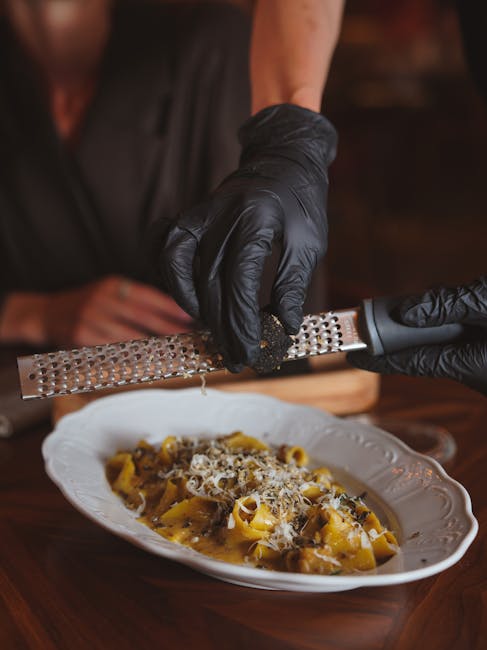
Immersive description: as soon as you enter Alba, the truffle’s distinctive yet subtle scent mixes with the aroma of fresh bread and aged cheeses. Stalls display whole truffles, truffle oils, sauces and truffle butters. Truffle hunters (tartufai) sometimes bring their hunting dogs for demonstrations, and you may be able to attend recreational “truffle hunt” activities organized for visitors. Partner restaurants offer special menus where white truffle is shaved thinly over scrambled eggs, meat-broth risottos, fresh pasta or even chocolate desserts — an intensely aromatic experience, since white truffle loses its scent quickly once sliced.
Practical tips: arrive early, between 09:00 and 11:30, to enjoy the best stalls before the crowds; bring a soft cooler and absorbent paper if you buy a fresh truffle (store it cool, wrapped in absorbent paper changed daily). If you’re planning a professional tasting or an auction, book through the Fiera’s official site (often available in Italian and English) and arrange suitable transport for bulky purchases (wines, oils). Finally, pair your fair visit with a vineyard excursion in the Langhe to combine truffle tasting with local wines.
Cheese — « Cheese » by Slow Food in Bra: A World Cheese Festival
The « Cheese » festival, organized by Slow Food alongside the town of Bra, celebrates the art of cheese in all its forms. The event is centered mainly on Piazza Carlo Alberto, 12042 Bra CN, Italia, but spills into nearby streets, restaurants and exhibition spaces.
Hours: Cheese is usually held twice a year (major spring and autumn editions), with stalls open from 10:00 to 19:00 and evening conferences. Prices: outdoor access is often free; hands-on workshops, masterclasses and guided tastings cost between €15 and €80 depending on the guest and duration. Individual tasting tokens typically run from €3 to €8 per portion depending on the rarity of the cheese.
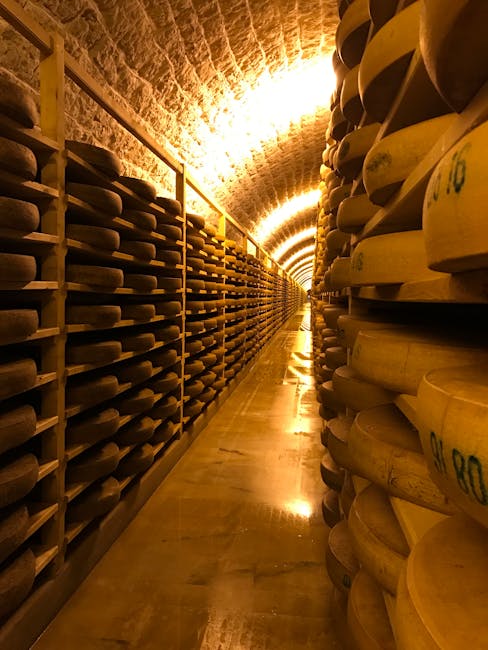
Immersive description: Cheese spotlights small dairies and traditional techniques — cave ageing, raw-milk production, high-altitude pastures. In the narrow lanes you’ll see wheels in various shapes (toma, asiago, robiola, toma piemontese) with artisans explaining their craft. Simulated ageing cellars show how a wheel evolves over months. Pairings proposed by local oenologists highlight Piedmont grape varieties such as Nebbiolo, Barbera d’Asti and Moscato d’Asti.
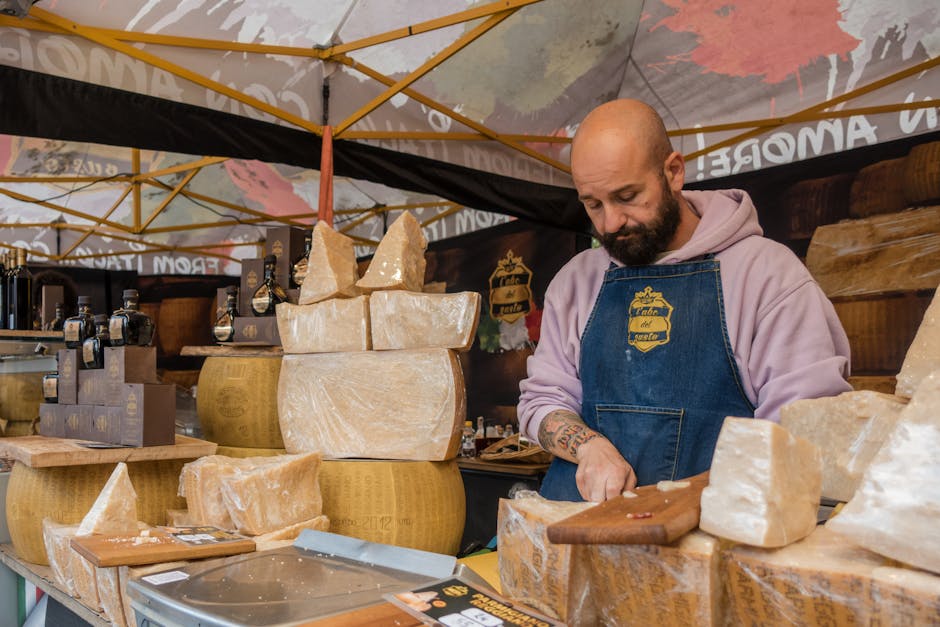
Highlights: workshops on raw milk, comparative tastings (cow vs goat vs sheep), alpine cheese competitions, and invited international cheese stands (France, Spain, United Kingdom). Local chefs also demo popular recipes: polenta concia, ravioli al plin with a knob of aged butter, or focacce filled with caciocavallo.
Practical tips: to get the best experience, start with fresher cheeses (lighter, less salty) and progress to aged and blue cheeses. Bring a small picnic cloth and disposable cutlery if you plan to sit down to taste; favor small-producer stalls for unique offerings. If you buy whole wheels (or half-wheels), bring an insulated bag and plan to consume them over a weekend or arrange shipping. Parking around Bra fills up quickly: use Parcheggio di Via Circonvallazione 3, Bra or take a regional train to Bra station (Piazza Caduti per la Libertà).
Salone del Gusto e Terra Madre (Turin, Lingotto Fiere): A Global Meeting on Sustainable Food
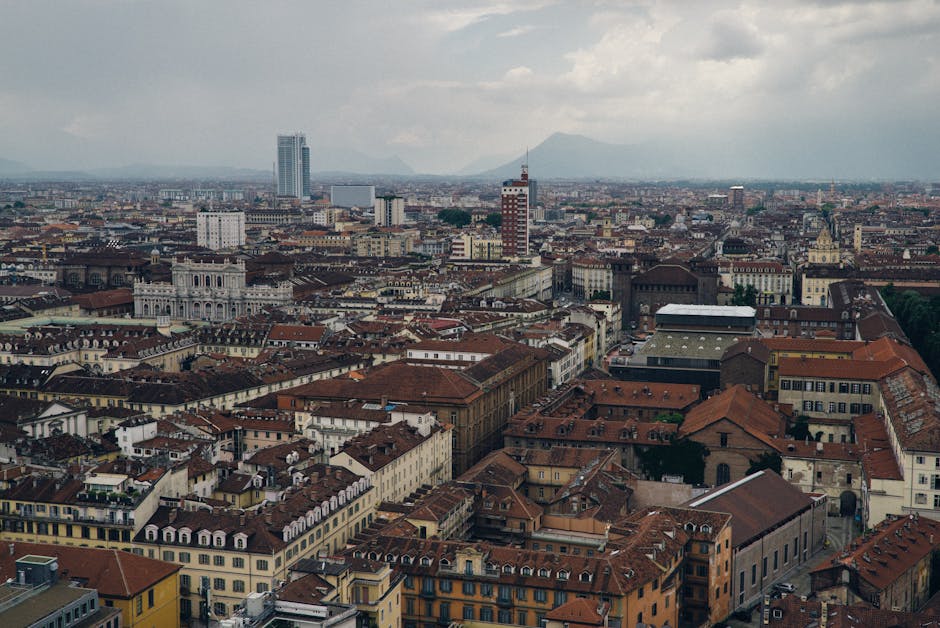
Salone del Gusto e Terra Madre, organized by Slow Food and traditionally hosted at Lingotto Fiere — Via Nizza 294, 10126 Torino TO, Italia, is one of the world’s most influential food shows. Held every two years (or as scheduled by organizers), it brings together producers, chefs, students, activists and consumers around one big question: how can we produce and eat better and more sustainably?
Hours: during the fair, doors generally open from 10:00 to 18:00, with evenings reserved for dinners and talks. Prices: entrance varies by package — day tickets between €20 and €35, two-day passes €40–€60, workshops and masterclasses extra (from €15 to €120 depending on the speakers). Major events (chef dinners, vertical tastings) can cost €150 or more.
Immersive description: the Lingotto, an industrial site converted into an exhibition center, hosts thematic pavilions: seafood, meats, ancient grains, forgotten vegetables, organic and biodynamic wines. Stalls are often run by producers from Italy and beyond — from rice growers of the Vercellese to Sicilian beekeepers, and alpine goat farmers. Talks cover concrete issues: food sovereignty, terroir respect, waste reduction. The Terra Madre section is a global village where food communities exchange practices and heirloom seeds.
Practical tips: buy tickets in advance and plan which stands and talks are priorities (the program is usually published two months before the event). Wear comfortable shoes — Lingotto is large and involves a lot of walking. For extended tastings, bring water and some neutral snacks; many stalls sell small portions (€2–€8) so you can sample widely without getting overwhelmed. Public transport is convenient: tram and metro serve the Lingotto area (Lingotto stop).
Fiera del Bue Grasso di Carrù and Country Festivals: Meat Traditions and Good Company
In Cuneo province, the Fiera del Bue Grasso di Carrù is one of the fairs most rooted in Piedmontese tradition. Held at Piazza I Maggio, 12064 Carrù CN, Italia, often around Carnival (February), it celebrates the selection and tasting of fattened beef (bue). The event features breeding competitions, livestock markets, cooking demonstrations and large communal tables serving meat according to local recipes.
Hours: fair days run from 09:00 to 18:00; side events (shared meals, music) continue into the evening. Prices: street events are free; a seated fair meal can range from €20 to €55 depending on portions and menu. Auctions of prize animals can reach high prices for top specimens.
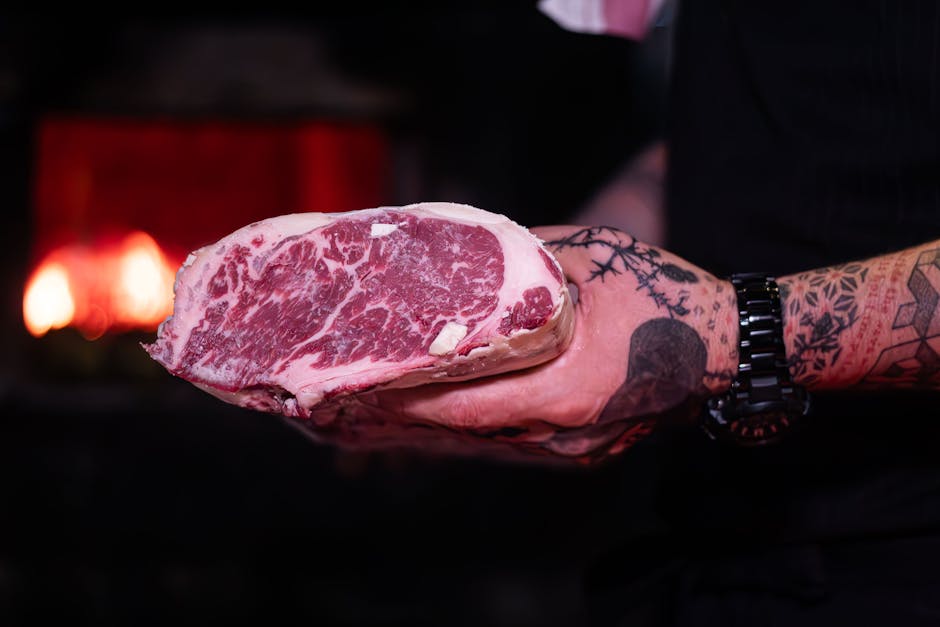
Immersive description: the fair offers a lively rural atmosphere — the smell of grilled meat, wood fires, boiling pots of polenta. Breeders proudly display their cattle, butchers explain traditional cuts (local fiorentina, tagliata) and local chefs prepare slow-cooked stews and emblematic Piedmont dishes. Nearby artisans sell country bread, cheeses and homemade jams, giving a complete snapshot of farm gastronomy.
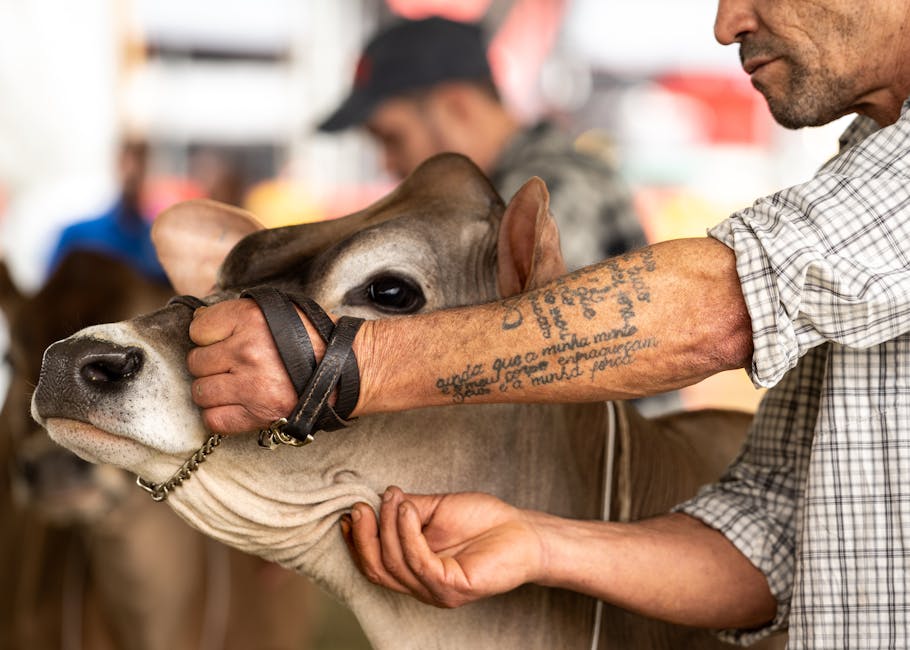
Practical tips: dress warmly in winter and wear sturdy shoes (ground can be muddy). If you’re joining a public meal, arrive early to secure a seat and a generous portion; book through the local tourist office (Comune di Carrù — Piazza I Maggio). Try polenta alla piemontese on the side and ask for wine pairing advice: a Barbera d’Alba or a young Nebbiolo pairs well with braised meats. For livestock enthusiasts, the judging days are enlightening for understanding the local meat production chain.
Markets, Douja d’Or and Local Sagre: Asti, Nizza Monferrato and Barolo
Beyond the big fairs, Piedmont lives to the rhythm of its markets and sagre (local festivals) throughout the year. Here are a few events and places to complete your gastronomic route:
- Douja d’Or, Asti — Douja d’Or is Asti’s wine and agri-food fair, usually held in September at Piazza Alfieri, 14100 Asti AT, Italia. Hours: 10:00–23:00 on some days; Prices: entry to the wine village is free, tasting bags and glasses are paid (often €10 for the official glass plus tasting credits of €1–€5 per wine).
- Sagra dell’Uva, Nizza Monferrato — a grape harvest festival at Piazza Garibaldi, 14049 Nizza Monferrato AT, Italia, featuring parades, Moscato d’Asti tastings and a local market. Hours: daytime and evening events; Prices: public events are free, tastings cost €3–€15.
- Enoteca Regionale del Barolo — located at Via Roma 44, 12060 Barolo CN, Italia, the enoteca runs year-round tastings and small-scale fairs focused on Nebbiolo, Barolo cru wines and local products. Hours: usually 10:00–18:00 (check seasonal times); Prices: informal tastings from €5, guided tastings €20–€60.
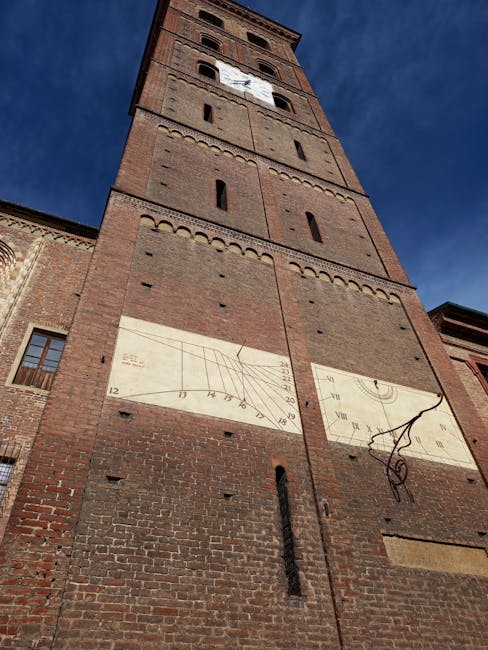
Immersive description: in Asti’s lanes during Douja d’Or you’ll meet honey producers, chocolatiers, sausage makers and pastry chefs; the city buzzes with traditional music and concerts. In Nizza Monferrato the sagra is a visual spectacle — bunches of grapes, decorated floats and sparkling wine stands; try sweet-salty pairings with Moscato. In Barolo, the enoteca hosts vertical tastings (consecutive vintages of the same cru), often paired with local cured meats (salame di Bra, salsiccia di Bra) and aged cheeses.
Practical tips: for Douja d’Or and sagre, bring a bag for bottles and a glass holder if you want to taste while walking. Midday and early evening are busiest — favor mornings to explore stalls peacefully. If you buy wine in quantity, check producers’ shipping options (many ship cases across Europe).
Conclusion: Planning Your Taste-Driven Trip to Piedmont
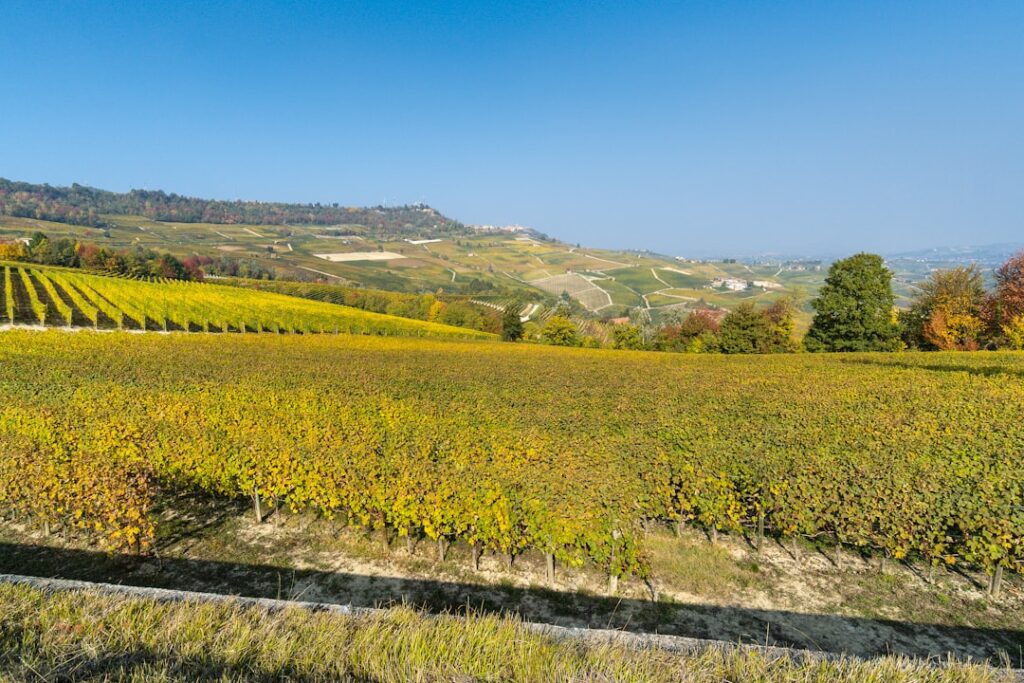
Piedmont offers a rich calendar of gastronomic events that tell the story and identity of a region proud of its products. From Alba’s scented alleys to Barolo’s disciplined cellars, Bra’s cobblestones to Lingotto’s modern spaces in Turin, each fair is a chance to learn, taste and be surprised. To plan your trip: choose the season based on your interests (truffles in autumn, wine fairs in September, cheese fairs in spring), book paid experiences in advance, pack a cooler or insulated bag for perishables, and remember the local rhythm — Italians like to eat late and linger at the table.
In terms of budget, leave room for tastings and specialized workshops: a major fair day (Alba or Turin) can easily cost between €30 and €150 per person if you factor in workshops and dinners. For a balanced trip, mix fair visits with meals at producers’ tables or family-run osterie: for example, after a morning in Alba reserve a table at Ristorante Piazza Risorgimento (check local availability) or a trattoria recommended by the tourist office.
Finally, respect the producers: ask about rearing and ageing methods, keep seasonality in mind and avoid waste. Piedmont’s food fairs are places of exchange where you discover far more than flavours: you meet the men and women who embody the land’s memory. Whether your trip is short or part of a longer route, follow your nose and curiosity — and expect to come home with unforgettable taste memories, precious bottles and perhaps a box of truffles that will perfume your meals for days.