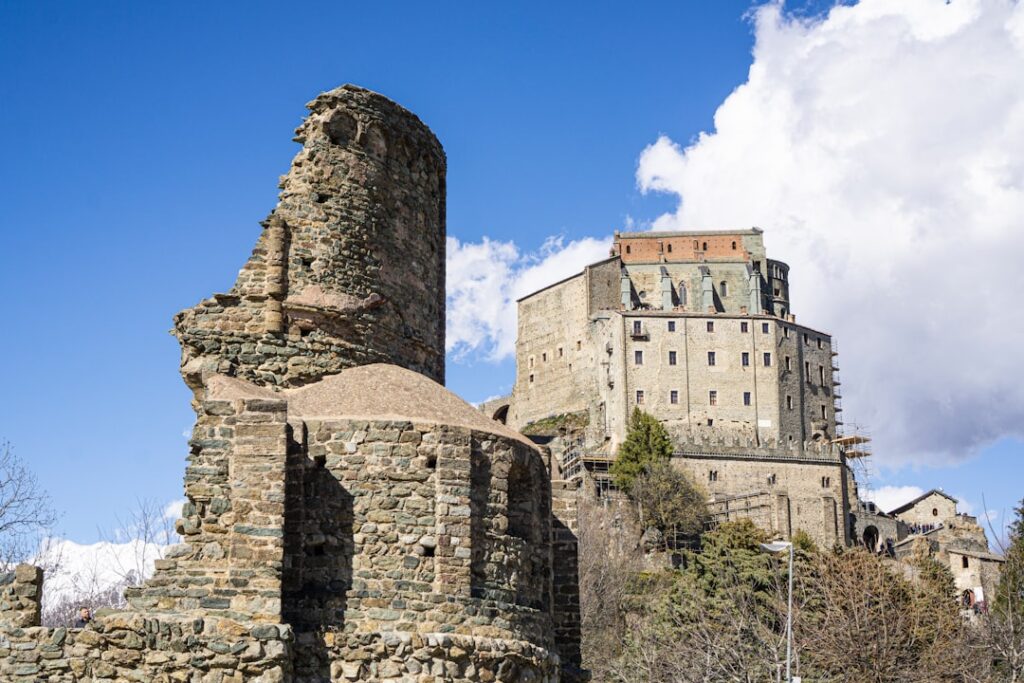





Introduction: On the Piedmont ridgeline, the journey begins
Piedmont, the northwest Italian region framed by the Alps, is one of the richest places for grand panoramas, romantic overlooks and jaw-dropping vantage points. Traveling its ridgeline — whether along winding mountain roads, alpine passes, historic trails or cable-car escapes — is like reading the landscape at eye level: clear lakes, deep valleys, medieval villages clinging to rocky slopes and snow-capped peaks that often pierce the clouds. This guide is an immersive invitation to the best viewpoints in Piedmont, with exact locations, opening times, indicative prices, visual descriptions and local tips to help you make the most of every view.
Whether you’re a photographer chasing the perfect golden-hour shot, a hiker after a wild pass, a driver who loves cliffside switchbacks or a cultural traveler combining scenery with heritage sites, Piedmont’s ridgeline offers surprising variety. We’ve picked iconic stops — from Turin’s baroque terraces to the alpine plateaus of Gran Paradiso, from the lakeside lookouts of Verbano-Cusio-Ossola to sanctuaries perched like spiritual lighthouses. Each spot below includes practical info to plan your visit: full address, access or transport costs, typical opening hours and seasonal advice.
Alpine weather changes fast: dawn and dusk bring light that can completely transform a scene. Roads may close in winter, some facilities (cable cars, forts) reduce services off-season, while others remain open year-round. So beyond the factual details, you’ll find recommendations on the best time of day to visit, how to avoid crowds and what nearby activities to combine (local tastings, short hikes, museum stops). To help with photography or quiet contemplation, we’ve also included visual cues — image markers — so you can picture each viewpoint precisely.
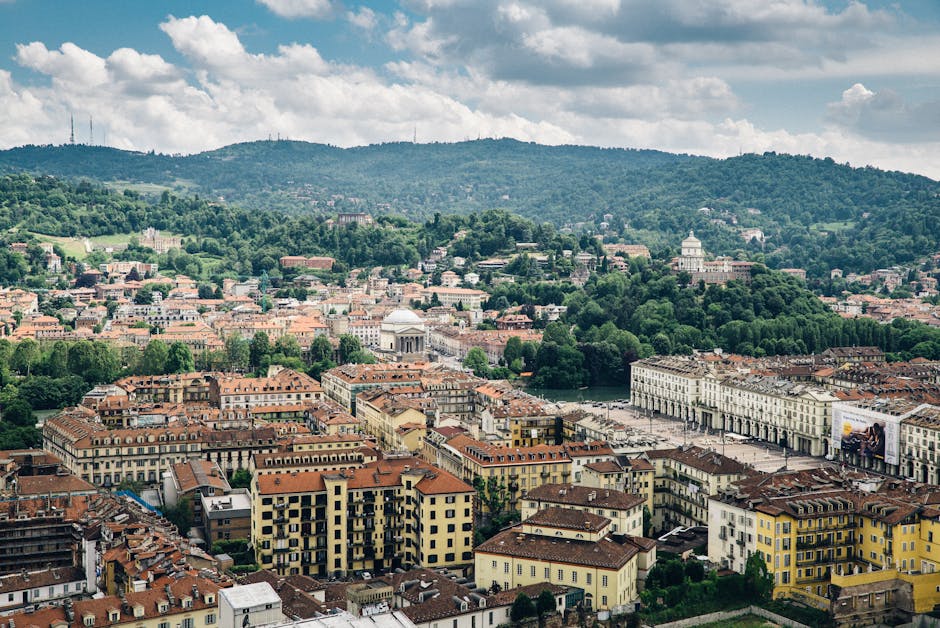
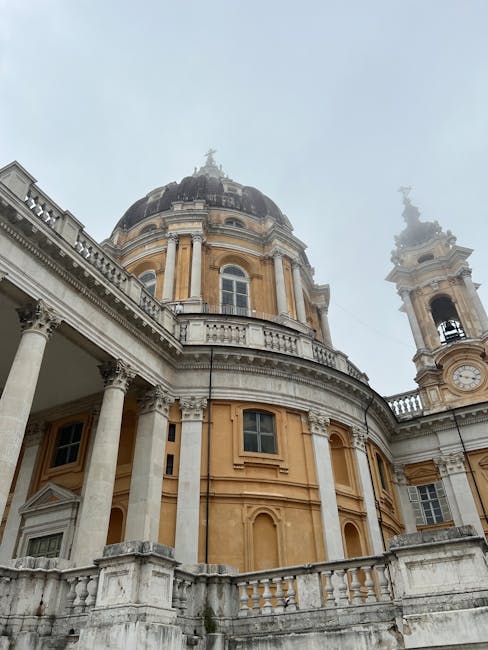
Basilica di Superga and the terrace over Turin
The Basilica di Superga overlooks the city of Turin from its eponymous hill: an urban lookout where history meets the view. Located at Strada Basilica di Superga, 10132 Torino TO, Italy, this baroque basilica was designed by Filippo Juvarra in the early 18th century. From the forecourt you command the Po plain, Turin’s ochre rooftops and, on a clear day, the Alpine chain that forms Piedmont’s northern border. The most picturesque approach is the Sassi–Superga tram, a small rack railway departing from Sassi di Torino station (Piazza Vittorio Veneto 8, 10124 Torino). Round-trip fares are about €6.00 per person (indicative) and the line typically runs from 07:00 to 20:00 in high season; check ATPR or Turin transport sites off-season for exact times.
The basilica itself is free to enter, though climbing the dome or joining a guided visit may require a token fee (around €3.00 to €5.00, depending on exhibitions). The best times for the view are early morning at golden hour or late afternoon at sunset when angled light enhances the Alpine silhouette. Pro tip: park on the right bank of the Po (for example Parking Valdocco) and take the tourist tram to avoid hunting for a spot up top. Bring comfy shoes if you want to follow the trail that skirts the hill and leads to several smaller viewpoints.
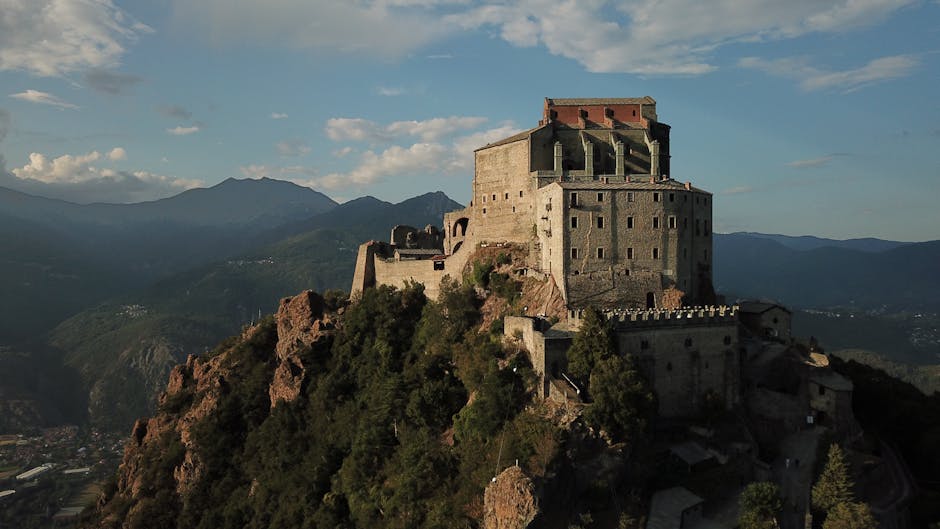
Sacra di San Michele: sentinel above the Susa Valley
Perched on Monte Pirchiriano, the Sacra di San Michele is one of Piedmont’s iconic symbols. Address: Sacra di San Michele, Via Sacra di S. Michele, 10059 Sant’Ambrogio di Susa TO, Italy. This medieval monastic complex, with origins dating back to the 10th century, offers a spectacular overlook of the Val di Susa and the alpine routes heading toward France. Entrance to the complex is usually free, but the museum and guided circuits may cost around €5.00 (indicative). Opening hours vary by season; typically the Sacra is open from 09:00 to 19:00 in summer and 09:00 to 17:00 in low season.
The access path includes stairs and rocky sections — wear hiking shoes. From the forecourt and the upper ruins, the view takes in passes and valleys: perfect for dramatic sunrise photos when clouds cling to the slopes. Local tip: stop at the Bar-Ristorante La Sacra by the entrance for a snack and a hot drink before the climb (coffee prices around €1.50–€2.50). History buffs should combine the visit with the Museo della Sacra or look for the « Robe of Saint Michael » among the permanent exhibits.
Mottarone and the sweep of views between Lake Maggiore and Lake Orta
Mottarone — the summit at 1,491 m between Lake Maggiore and Lake Orta — is an unmissable viewpoint in Piedmont. The main access is from Stresa via the Stresa–Alpino–Mottarone cable car (station: Piazza Marconi, 28838 Stresa VB, Italy) or by road from surrounding villages. Cable car round-trip tickets are roughly €15–€20 (indicative); hours vary but high season typically sees departures from 09:00 to 18:00. At the summit several observation platforms allow views across what’s often called the « seven lakes view » — including Lago Maggiore and Lago d’Orta — and, on clear days, the Alpine range.
Mottarone offers varied activities: hiking on marked trails, via ferrata for experienced climbers, the summer alpine coaster « Alpyland » (paid, about €8–€12 per run) and mountain huts serving Piedmont specialities. For photography, morning light adds depth to the water expanses; sunsets are magical too but driving down afterward can be trickier. Practical tips: buy cable car tickets in advance for summer; bring a windproof jacket, as the summit is often 8–12°C cooler than the plains. Parking at the funivia lot is available (fees vary by season; count on about €5.00 per day).
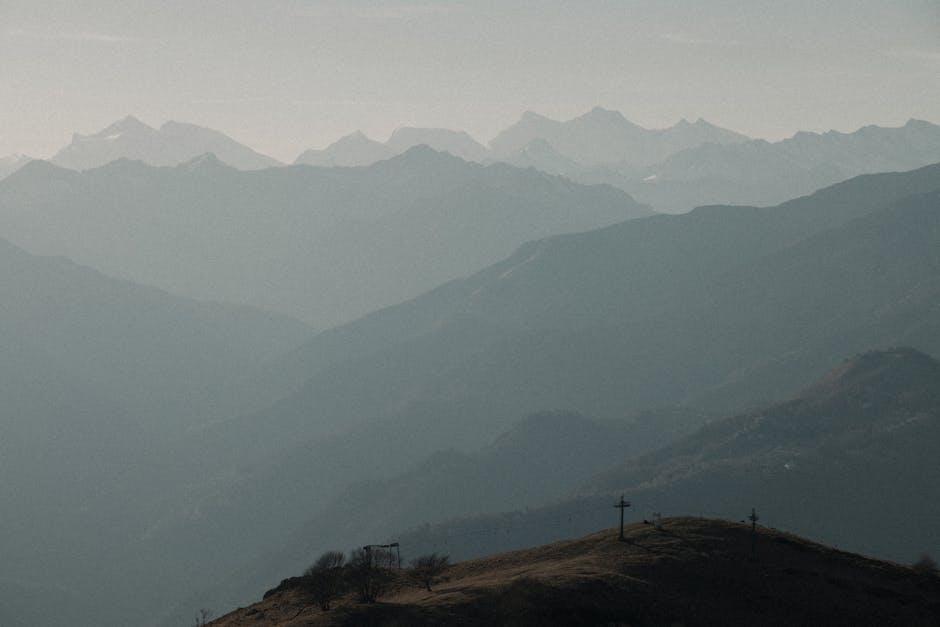
Sacro Monte di Orta and the sacred view of Isola San Giulio
Sacro Monte di Orta, a UNESCO World Heritage site, is a series of chapels and stairways rising above the village of Orta San Giulio, offering a contemplative panorama over Lake Orta. Address: Sacro Monte di Orta, Via S. Giulio, 28016 Orta San Giulio NO, Italy. Access to the path is usually ticketed: a combined ticket for Sacro Monte and some museums is around €5.00–€7.00 (indicative). Chapel and museum opening hours are often 09:00 to 18:00 in high season; off-season check ahead as some chapels may be closed.
Climbing the Sacro Monte stairways is like walking through living baroque tableaux, each chapel depicting an episode from the patron saint’s life, while the path winds between foliage and viewpoints. At the top, the terrace looks over Isola San Giulio, a nearly mystical little island in the lake with its basilica and narrow historic lanes. For a complete experience, take the small public boat from Orta’s port (Porto di Orta San Giulio, Via Ghiringhelli 14): round-trip fares about €3.50–€6.00, depending on season. Tip: visit early in the morning to avoid summer crowds and enjoy soft light on the island; afterwards, try the local focaccia at a village café.
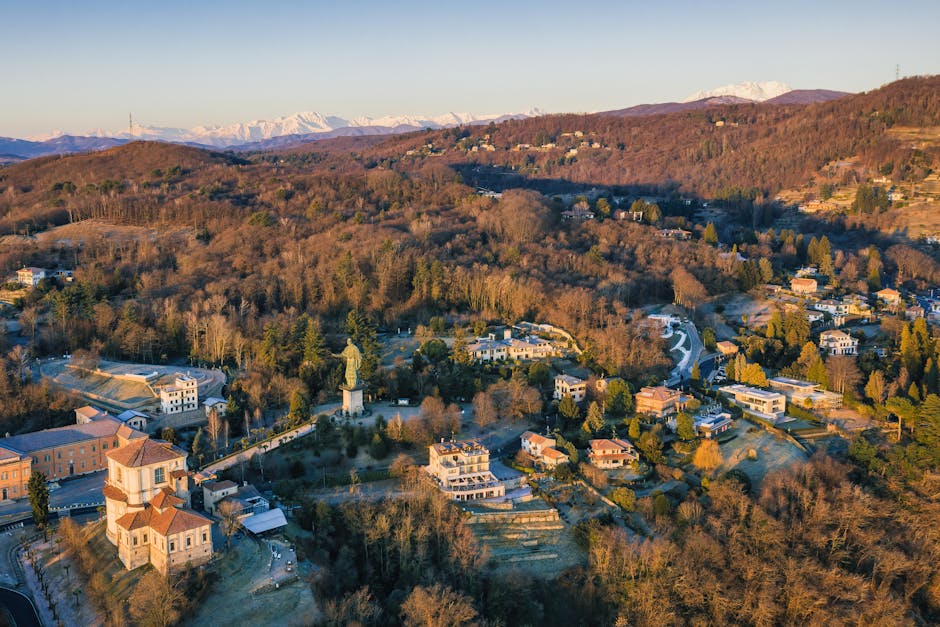
Forte di Fenestrelle: military vantage and alpine panoramas
Forte di Fenestrelle, often called the « Great Wall of the Alps », is a huge fortified complex with terraced ramparts overlooking the Val Chisone. Address: Forte di Fenestrelle, Strada Provinciale, 10060 Fenestrelle TO, Italy. Entrance and guided-route fees generally range between €7.00 and €12.00 depending on the circuit (indicative). Visiting hours change with the season: in high season the fort is usually open from 09:30 to 18:00; book guided tours in advance in low season.
The fort’s ramparts and stairways offer striking views over the valleys, and the walk along the access stairs — over 4 km of terraced walls — becomes a genuine panoramic route. Besides the historical visit, the site occasionally hosts cultural events and reenactments. Bring sturdy shoes and set aside half a day if you want to explore multiple levels. Local recommendation: combine the fort with stops in nearby Pragelato or the Sauze d’Oulx ski area depending on your route for a fuller alpine experience. The fort’s bistro serves mountain dishes (main courses around €12–€18).
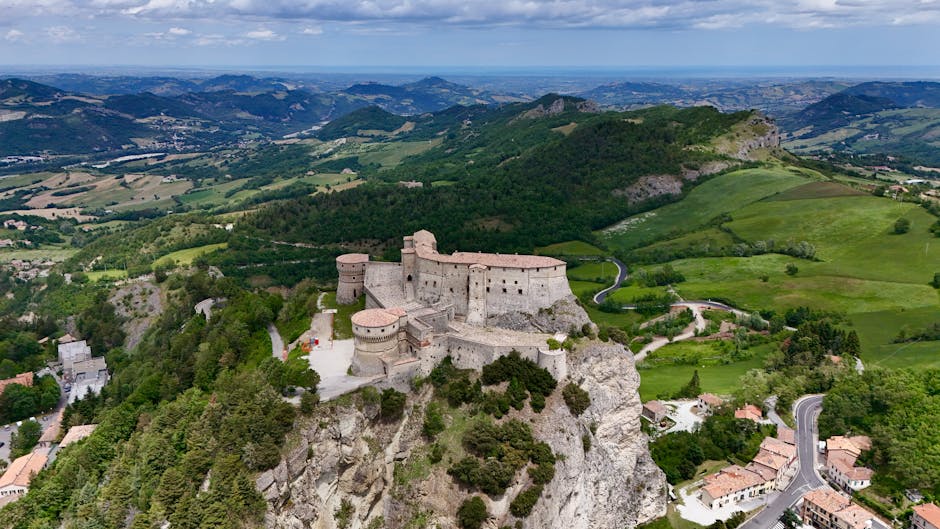
Monte dei Cappuccini and other urban viewpoints in Turin
In Turin’s heart, hills and promontories offer more intimate outlooks than the grand basilicas. Monte dei Cappuccini, at Piazza Monte dei Cappuccini, 10124 Torino TO, Italy, is a small hill by the Po River topped by a 17th-century church: from the viewpoint you get a privileged perspective of the Po valley, the Ponte Vittorio Emanuele I and Turin’s urban profile. Access is free; some guided church tours may ask for a contribution (around €3.00). Best times are dawn and dusk when city lights come on and the air is clear.
Other urban lookouts to note: the Belvedere del Valentino in Parco del Valentino (Lungo Po Vittorio, 10125 Torino), the terrace of the Museo Nazionale dell’Automobile (Corso Unità d’Italia, 40, 10126 Torino) which mixes culture and views, and Monte dei Cappuccini which is a gathering spot for local photographers. Practical tips: pair these stops with a break in a Turin osteria to try vitello tonnato or agnolotti (main dishes in an osteria: €12–€20). For parking, favor peripheral lots and public transit to avoid the city’s ZTL (restricted traffic zones).
Practical tips for traveling the ridgeline route
– Clothing and gear: carry a windproof jacket and warm layers even in summer (notable temperature differences between plains and summits), hiking shoes if you plan trails, and a basic first-aid kit. For photography, a light tripod and ND/polarizing filters significantly improve lakeside and alpine shots.
– Best time to go: late spring (May–June) and early autumn (September–October) offer a good balance of stable weather, colorful scenery and moderate crowds. Winter turns some routes into ski areas; check road and cable car openings (many closures occur with heavy snow).
– Getting around: a car gives the most flexibility, but note some viewpoints are easy to reach by train + bus (e.g. Turin–Superga). Cable cars (Mottarone, Stresa) often require separate tickets; buy online to avoid lines. Respect local parking rules and don’t leave valuables visible in the car.
– Food and breaks: taste local products (toma and castelmagno cheeses, Monferrato wines, typical sweets like Turin’s bicerin) in mountain huts and handpicked osterie. Carry small bills for mountain shops that may not accept cards.
– Respect for heritage: many viewpoints are religious or historic sites — observe quiet hours, no-photo zones and marked trails; don’t cross barriers for a better shot.
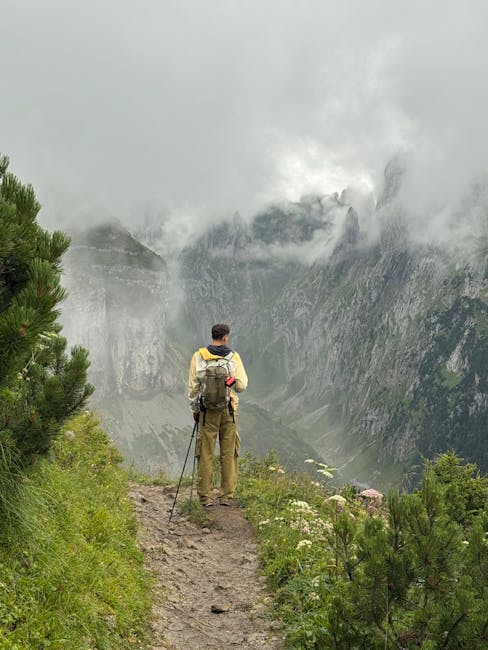
Conclusion: Plan your route and savor every panorama
Piedmont’s ridgeline route invites you to slow down, lift your gaze and pair modest effort with huge visual rewards. From the almost austere summit of Sacra di San Michele to the lakeside terraces of Sacro Monte di Orta, through Mottarone’s sweeping majesty and the intimate views from Monte dei Cappuccini in Turin, each vantage point tells a geographical and cultural story. To get the most from your trip, schedule stops around cable car timetables and seasonal closures: an early departure at dawn can turn an ordinary view into a color spectacle, while a late visit can provide the quiet needed for contemplation.
Try to cluster stops logically to avoid excessive mountain driving in a single day — for example: combine a morning on Mottarone with an afternoon in Stresa, or a Turin circuit of Superga–Monte dei Cappuccini for a city-focused panoramic immersion. Prices listed are indicative and may change with the season or operator updates; always check official sites or local tourist offices (e.g. Turismo Torino e Provincia, Verbania or Orta San Giulio tourist information) before you set out.
Finally, respect the environment: alpine Piedmont is fragile. Stay on trails, pack out your rubbish and favor local businesses — huts, artisans and restaurants — that help preserve these landscapes. Well prepared, you won’t just tick off the region’s best viewpoints; you’ll soak up the spirit of Piedmont, made of history, nature and warm hospitality. Safe travels along the ridgeline — and may every panorama keep its promise.