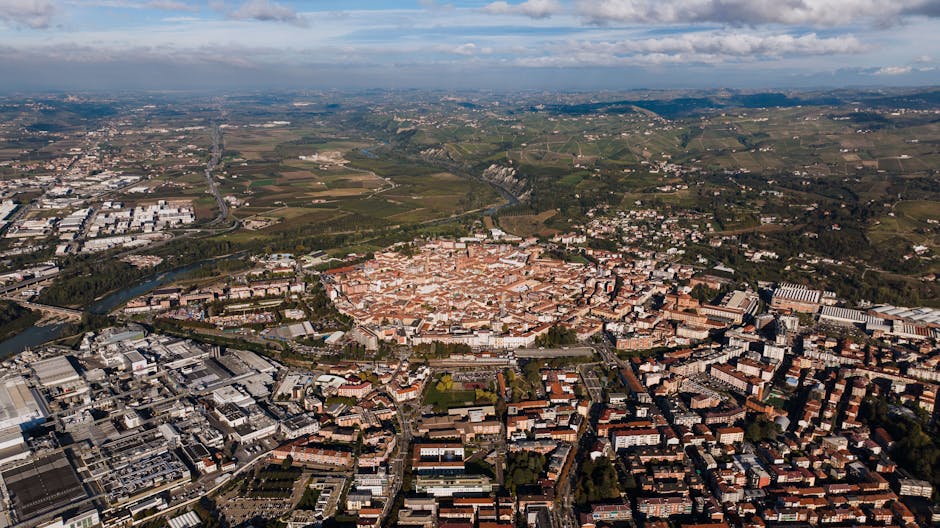






Introduction: Truffles, Markets and Terroir — What Makes Alba Special
Nestled in the heart of Piedmont, Alba is a town where the rhythm of life follows the seasons and one culinary jewel draws food lovers and curious travelers from around the globe: the Alba white truffle (Tuber magnatum pico). But Alba is far more than a gastronomic capital; it’s a place of markets, medieval lanes, sun-drenched squares and producers whose love for the land is visible on every stall. This guide, “Truffles & Treasures: Your Guide to Alba’s Markets,” takes you beyond the truffle cliché: it invites you to wander covered halls and open-air markets, eavesdrop on vendors, inhale the scent of the forest floor and taste local specialties between conversations with producers and relaxed browsing.
Alba’s fame peaks each autumn with the Fiera Internazionale del Tartufo Bianco d’Alba, an eight-week festival that turns the town into a truffle sanctuary: exhibitions, auctions, tastings, classes and specialist markets. But the market spirit is alive year-round: farmers’ markets, Sunday markets, small indoor halls offering cured meats, cheeses, Langhe and Roero wines, artisanal jams, forgotten vegetables and — of course — carefully guarded boxes of fresh truffles when in season. Visiting Alba is to accept a sensory stroll of textures, aromas and genuine encounters.
This guide is aimed at different kinds of visitors: the foodie who wants to buy a truffle and learn how to store it; the curious traveler seeking an authentic local experience, regional products and practical tips for navigating the stalls; the photographer chasing the picturesque market atmosphere; and the wine lover hoping to pair a truffle hunt with tastings of nebbiolo, barbera and arneis. You’ll find concrete addresses — exact squares and markets, hours and price ranges — immersive descriptions of each place, and practical advice for buying, haggling and enjoying like a local.
Before we dive into the markets, a quick word on best practices: respect seasonality (Alba’s white truffle is mainly harvested from October to December), avoid impulse buys without checking (ask to see the whole truffle, not just slices), and favor well-known vendors or consortia who provide authenticity certificates for top-quality truffles. Alba’s markets are a living theatre where producers and visitors weave a bond around shared taste. Pack your address book, your nose and your appetite — Piedmont awaits.
The Main Markets in Alba: Where to Go, When and What to Buy
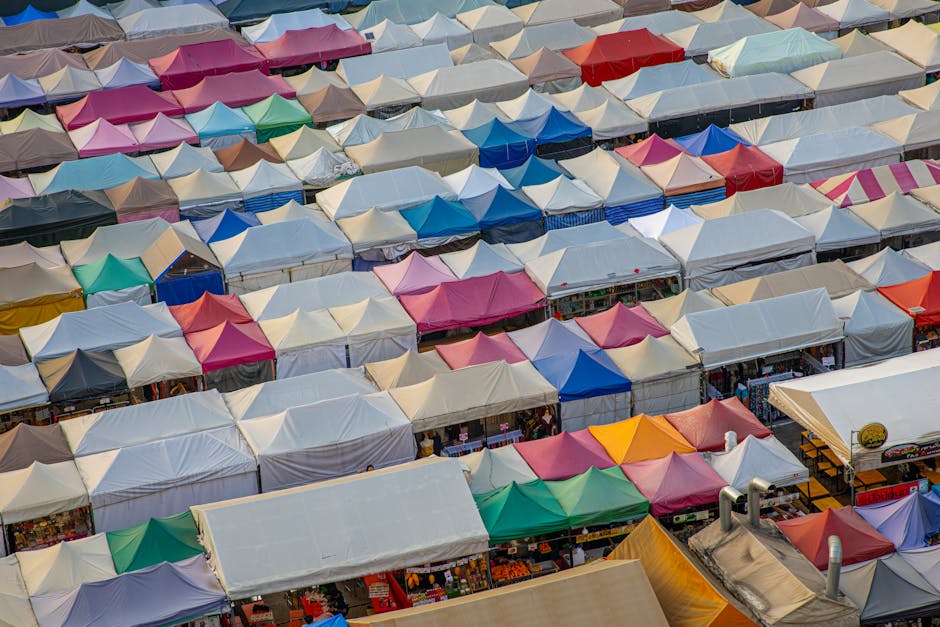
There are three markets you really shouldn’t miss — they form the backbone of the shopping experience in Alba: the historic city market (Mercato di Piazza Risorgimento), the Covered Market (Mercato Coperto di Alba) and the temporary halls and fairs around the Fiera Internazionale del Tartufo Bianco d’Alba. Each has its own personality: the street market for buzz and atmosphere, the covered market for a wide range of artisanal products, and the fair for a concentration of truffle specialists.
Mercato di Piazza Risorgimento
Address: Piazza Risorgimento, 12051 Alba CN, Italy.
Opening hours: Main weekly market on Saturday mornings, from 7:30 to 13:30 (stalls begin setting up around 6:30). Some stalls stay open in the afternoon during the Truffle Fair (October–December).
Indicative prices: seasonal vegetables €2–5/kg, local cured meats (salame, salsiccia) €12–18/kg, fresh cheeses €8–20/kg depending on aging. Truffles: prices vary widely; fresh white truffle €2,000–5,000/kg in peak season; jars and preparations €15–60.
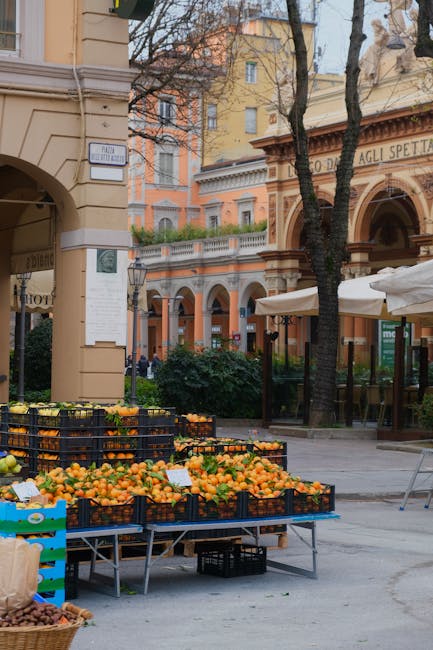
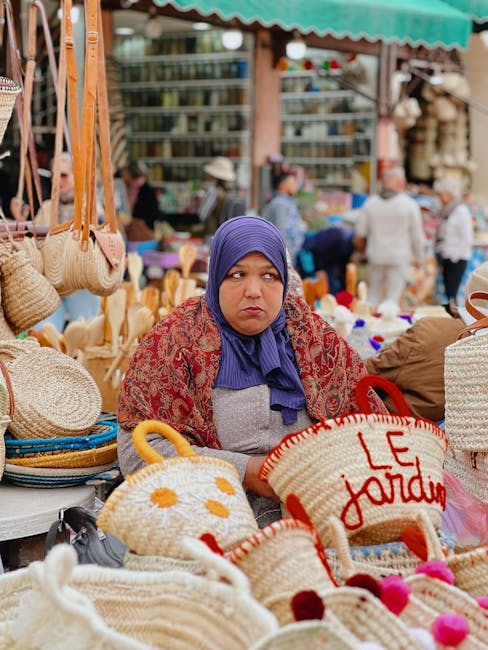
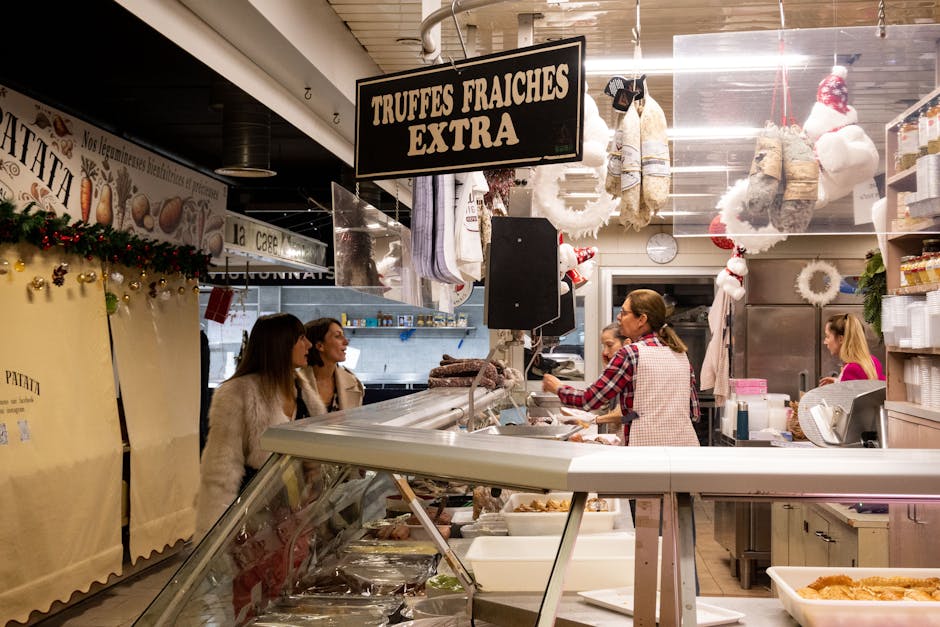
Immersive description: Piazza Risorgimento is a broad cobbled square ringed with arcades and medieval buildings. Stalls display pyramids of onions, crates of porcini and tubs brimming with Piedmont hazelnuts. This is the market for chatting, sampling a piece of formaggio al tartufo and occasionally spotting a small truffle stall offering short demos on scent and slicing.
Mercato Coperto di Alba (covered halls)
Address: Via Cavour, 20, 12051 Alba CN, Italy (main entrance under the arcades).
Opening hours: Open Tuesday to Sunday, 8:00–13:00 and 16:00–19:00 (hours vary off season; closed Monday). During the Fair, open every day 9:00–20:00.
Indicative prices: smoked fish and artisanal preserves €6–18, local pâtés €5–12, ready-to-eat dishes €6–14.
Immersive description: the covered market is a vaulted, airy hall — perfect in rainy weather or summer heat. Inside you’ll find butchers, fishmongers and cheesemongers, plus artisans like the Montà honey producer (jars €5–12) and wine producers offering tastings (€5–12 for three sample pours). It’s the place for a coffee break, a tajarin al ragù sandwich and for buying pantry items to take home: oils, vinegars, preserves and truffles in jars. Vendors often know the local trifulai (truffle hunters) and can steer you toward safe purchases.
Palazzo Mostre e Congressi / Fiera del Tartufo (international fair)
Address: Corso Langhe, 1, 12051 Alba CN, Italy (Palazzo Mostre e Congressi di Alba).
Opening hours: During the Fair (generally October to December) hours vary — often 10:00–20:00 daily; check the official schedule each year. Outside the Fair, the venue hosts occasional exhibitions.
Entrance fees: single-day Fair tickets €10–25 depending on events, exhibitions and tastings; some demos are free; auctions and special sales have varying fees.
Immersive description: the fair turns Corso Langhe and its surroundings into a sensory trail: producer stalls, cooking demos, presentations of truffle-hunting tools, and an effervescent atmosphere. Official stands from the Consorzio del Tartufo Bianco guarantee traceability and quality. You’ll also find areas for buying whole truffles, cooking labs and children’s workshops — everything to embrace truffle culture.
Must-Visit Addresses: Producers, Shops and Cafés
Beyond the markets, Alba hosts specialist shops and producers worth visiting to buy top-quality products (and pick up insider tips). Here’s a practical selection of places with solid reputations — names, addresses and quick notes for each stop.
Enoteca Regionale del Roero
Address: Via Michele Coppino, 16, 12051 Alba CN, Italy.
Opening hours: Monday to Saturday 10:00–19:00; Sunday 10:00–13:00 (hours may vary during the Fair).
Prices: guided tastings €8–20 depending on number of wines; bottles average €10–50.
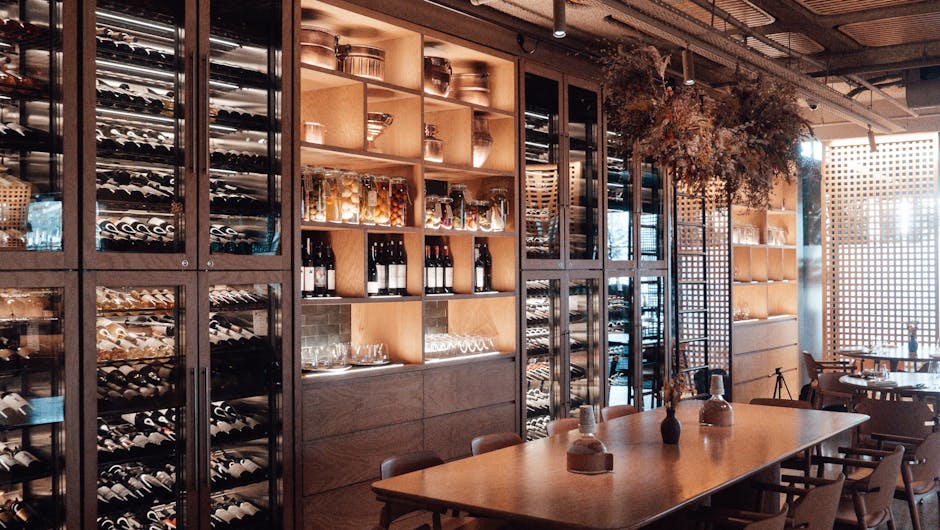
Description: the enoteca is a go-to spot for regional wines: nebbiolo, barbera, dolcetto and arneis. Staff propose truffle-and-wine pairings and recommend local estates for visits. Buying a bottle here comes with helpful advice on the ideal match for truffles.
Trattoria del Centro — tips for tasting
Address: Via Vittorio Emanuele, 82, 12051 Alba CN, Italy.
Opening hours: daily 12:00–14:30 and 19:30–22:30; closed Wednesday midday.
Prices: antipasto al tartufo €12–18, tajarin al tartufo €18–28, tasting menus €40–65.
Description: a small family-run trattoria where you can taste truffle on fresh pasta. The chef often works with locally sourced truffles and will explain how to store and slice a white truffle.
Il Tartufaio d’Alba (specialist shop)
Address: Via Maestra, 13, 12051 Alba CN, Italy.
Opening hours: 9:00–19:30 daily; extended hours during the Fair.
Prices: truffle-preserved jars €15–45, fresh truffles priced according to the market (displayed daily).
Description: a shop specializing in truffles, infused oils and aromatized products. Staff provide origin certificates and vacuum-packing for travel. Ideal for gastronomic gifts or preserves to bring home.
Agriturismo and Producers to Visit — Azienda Agricola Sergio Porello
Address: Strada Montà, 4, 12050 Castagnito CN (near Alba).
Opening hours: visits and tastings by appointment, typically 10:00–17:00; phone contact recommended.
Prices: guided tastings €15–30, cellar tours €10–25 depending on length; products for sale €6–35.
Description: many agriturismi around Alba offer visits, tastings and direct sales. Booking ahead lets you join a hazelnut-harvesting demo or a short session on truffle hunting with trained dogs.
Practical tips for these shops and producers: always ask for a provenance certificate for white truffles, prefer vacuum-packing for air travel (or grated truffle in a jar), and for restaurants book in advance and mention you want a dish “con tartufo bianco” to ensure availability. If you buy a fresh truffle, ask the seller how to store it (paper towel, airtight container, refrigerated at 2–4°C, consume within 7–10 days for white truffle).
Seasonal Markets & Special Events: Calendar, Prices and Tips
Market life in Alba follows a seasonal calendar. The flagship event is of course the Fiera Internazionale del Tartufo Bianco d’Alba, but other events are worth timing your visit around: farmers’ markets, night markets and wine events throughout the year. Here’s a handy calendar, price ranges and tips to get the most out of your visit depending on when you come.
October to December — Fiera Internazionale del Tartufo Bianco d’Alba
– Period: generally mid-October to mid-December (exact dates published each year on the Fair’s official site).
– Locations: Piazza Duomo, Corso Langhe, Palazzo Mostre e Congressi (Corso Langhe, 1), and several central streets and squares.
– Prices: exhibition entry €10–25; white truffle €2,000–5,000/kg (average price depending on quality and size); small tasting portions €6–20.
– Tip: arrive early in the morning to beat crowds and to see the best specimens at official stands. If you plan to buy large quantities, ask for a certificate and consider paying by bank transfer to avoid carrying large amounts of cash.
Spring — farmers’ markets and flower markets
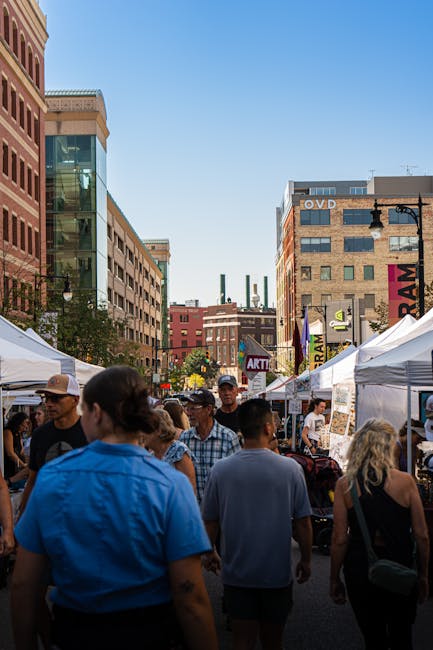
– Period: March to May, with weekly markets and local fairs.
– Products: early produce (asparagus, broad beans), spring cheeses, young wines and flowers.
– Prices: vegetables €2–6/kg, bunches of herbs €2–5.
– Tip: spring is a great time to buy truffle preserves made the previous winter; quality is guaranteed and prices are often lower than peak season.
Summer — night markets and direct sales
– Period: June to August, with some night markets and wine-tourism events.
– Products: summer produce, local wines, artisanal gelato and hazelnut-based products from Piedmont.
– Prices: gelato €2–4, charcuterie plates €8–18.
– Tip: take part in a “cena in piazza” (dinner in the square) during local festivals — a great opportunity to taste simple dishes highlighting the summer truffle (cheaper and less aromatic than the white truffle).
General tips for all seasons:
– Payment: bring cash in small bills; many small stalls prefer cash, though established shops accept cards. Consider a small secure wallet.
– Transport: if you buy fresh truffles, ask for vacuum packing; keep cool and use quickly. For international shipping, check your country’s import rules for fresh products.
– Language: many vendors speak basic English, but learning a few Italian phrases (hello = buongiorno, how much = quanto costa?, truffle = tartufo) helps exchanges and bargaining.
– Tasting: to taste a truffle, choose a simple dish (uova al tartufo — eggs with truffle — or plain pasta) to fully appreciate the aroma. Avoid heavy sauces that mask the delicate scent of the white truffle.

Practical & Ethical Advice: How to Buy, Store and Cook Truffles
Buying a truffle in Alba is a delicate mix of excitement and caution. Here are practical tips, storage techniques, culinary recommendations and ethical considerations so your purchase and enjoyment live up to your expectations.
Buying with confidence:
– Check origin: ask the seller where the truffle comes from (Langhe, Roero, Monferrato) and request an authenticity certificate when possible. Consorzio del Tartufo stands are accompanied by official documentation.
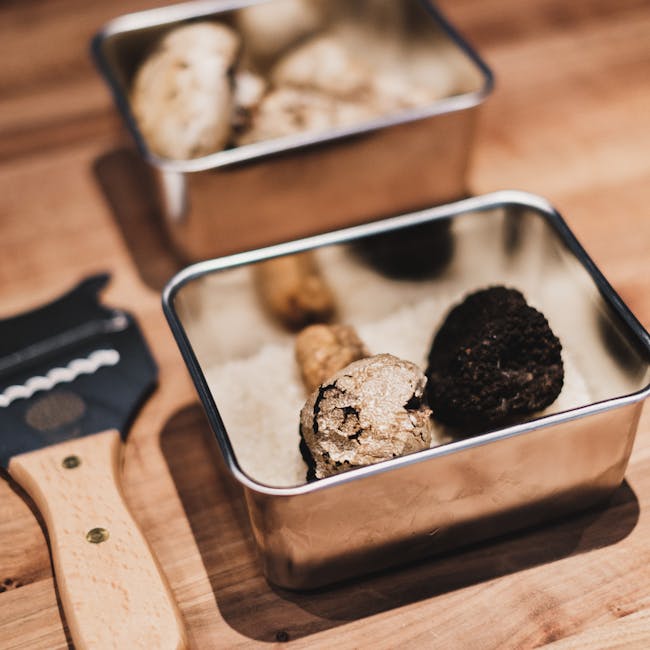
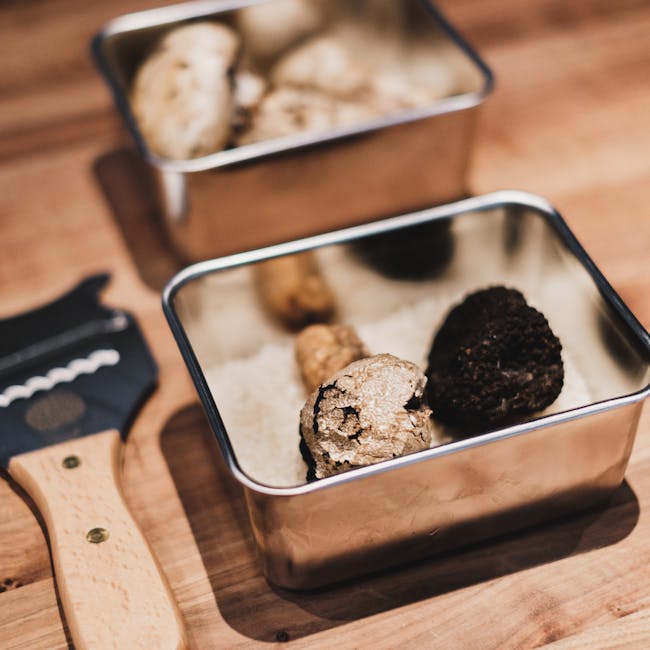
– Inspect the truffle: an Alba white truffle should feel firm, with marbled veins inside and a slightly rough exterior. Smell is the chief criterion: it should be powerful and aromatic, not musty or overly damp.
– Weight and pricing: vendors usually price by the kilo; you can buy small amounts to try (for example 10–30 g). Indicative example: 30 g of white truffle can cost €60–150 depending on quality (proportional to the kilogram price). For a first experience, start small.
Storage:
– Short term (a few days): wrap the truffle in clean paper towel and place it in an airtight container in the fridge at 2–4 °C. Change the paper daily to prevent moisture. Don’t freeze a whole truffle if you intend to eat it fresh — freezing damages texture and aroma.
– Long term: vacuum-packing and cool storage are the best options. Truffles can also be sliced and preserved in oil or jars, or transformed into sauces — these preparations lose some aromatic intensity but remain excellent for everyday cooking.
– Transport: for air travel, prefer vacuum packing and check airline and destination import rules. Small jars of grated truffle or truffle cream are easier to transport.
Cooking truffles:
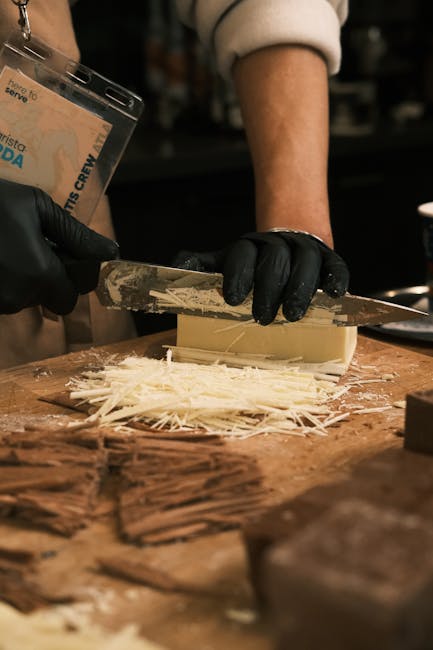
– Keep it simple: white truffle is usually served raw, shaved over a hot dish (pasta, risotto, scrambled eggs). Heat releases the aroma, but avoid prolonged cooking that drives off volatile compounds.
– Dosage: 3–5 grams per person is enough to flavor a pasta dish; for an egg dish (2 eggs) 1–2 grams may suffice if the truffle is very aromatic.
– Seasoning: choose neutral, high-quality ingredients: butter, extra-virgin olive oil, Parmigiano Reggiano or toma del Pinerolo. Avoid raw garlic or overly acidic tomato sauces that can mask the truffle.
Ethics and sustainability:
– Respect regulated truffle hunting: collection is often subject to local rules to protect the resource. Don’t take part in illegal harvesting and avoid vendors who can’t prove traceability.
– Support local producers: buying directly from agriturismi or official stands supports rural economies and encourages environmentally conscious practices.
– Avoid suspiciously low prices: truffles carry cultural and culinary value, but prioritize authenticity and quality. If a price seems too good to be true, always ask where the product came from and how it was harvested.
Conclusion: Take a Piece of Alba Home
Alba is a destination where markets tell a story: of generous land, artisan families and a cuisine rooted in seasonality. Whether you come for the Fiera Internazionale del Tartufo Bianco d’Alba or a discovery weekend, the markets — from Piazza Risorgimento to the covered halls and the official stands at Palazzo Mostre e Congressi — are the best way to understand the link between product and place. Buying a truffle in Alba means joining a centuries-old tradition; it also brings a responsibility: to buy wisely and respectfully.
To bring a piece of Alba home, vary your purchases: a small fresh truffle for a special dinner, high-quality preserves to prolong the memory, a bottle of nebbiolo or arneis to pair with your meals, and a few jars of artisanal honey or jam as tasty souvenirs. The addresses listed here — markets, shops and agriturismi — offer safe and accessible options. Prices change dramatically by quality and season; the golden rule is to buy only what you’re prepared to enjoy with the care such a noble product deserves.
Finally, let the atmosphere carry you. Alba’s markets are made of faces, scents and conversations: talk to the vendors, ask for advice, taste, compare and, above all, take your time. A well-chosen truffle enjoyed in a simple setting — on pasta at a sunny terrace or during a chilly autumn evening — will be the most lasting memory of your time in Piedmont. Return with your heart and your basket full: Alba’s treasures are meant to be discovered slowly.