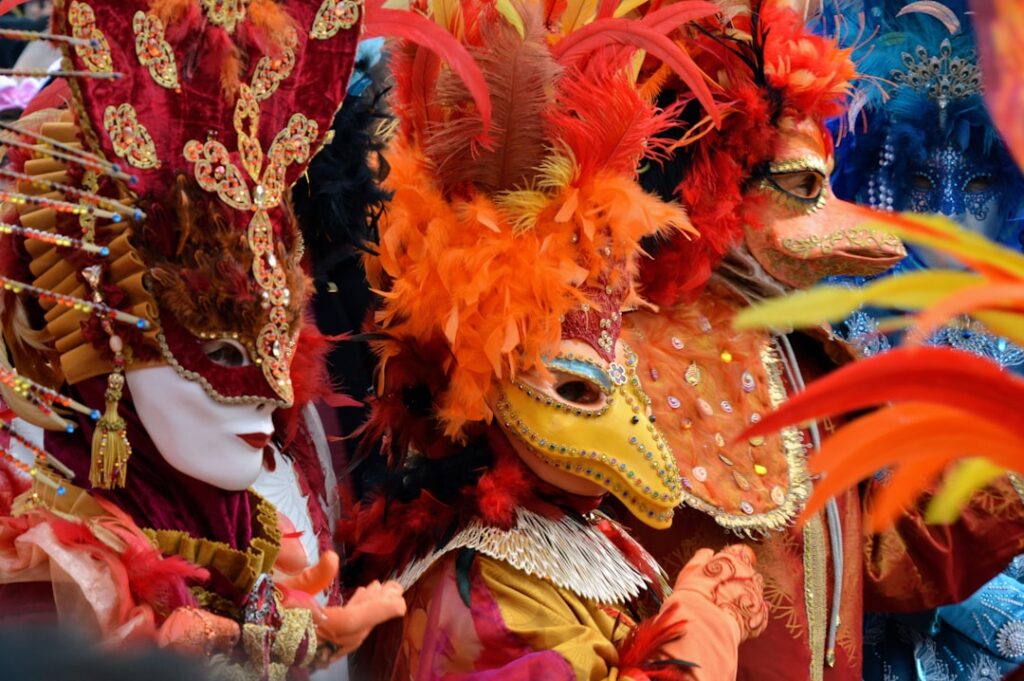






Introduction: Piedmont Carnival — masks, music and colorful parades
Piedmont, in northwest Italy, is often known for the rolling hills of Monferrato, Barolo vineyards and the grandeur of the Alps. But in the heart of winter, when valley mists settle and the air bites with a bright chill, carnival season takes over — squares and narrow streets become stages, masks come to life, music leads the multicolored processions and tradition mixes with spontaneous popular celebration. The Piedmont carnival isn’t a single, uniform event: it’s a mosaic of local expressions, historical rituals (like Ivrea’s famous Battaglia delle Arance) and urban carnivals in Turin and smaller towns, each with its own rules, characters and milestones.
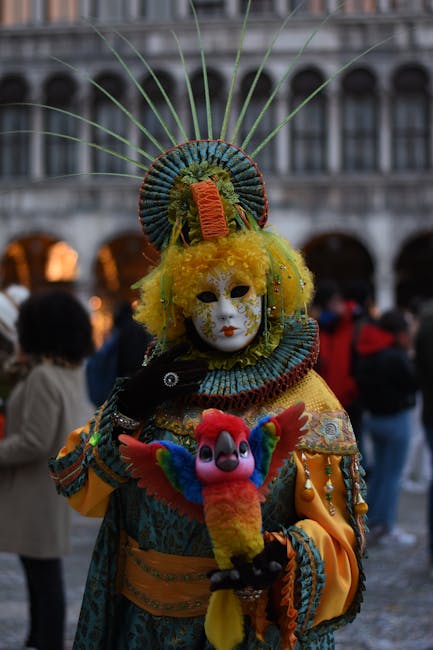
To explore carnival in Piedmont is to step into a collective theatre. The masks — from Turin’s Gianduja to Alba’s Ponentino and the rustic figures of the Ossola Valley — tell local stories, stage symbolic confrontations and deliver social satire. Brass bands, street bandas and music groups march with the parades, making the cobbles of the piazze resonate. Costumes range from the rough and rustic to the exquisitely crafted: furs, bright cloaks, elaborate makeup, papier-mâché or leather masks. The contrast between February’s cold air and the warm human energy of the festivities makes the experience intensely sensory: you feel the drumbeats, watch confetti cling to sleeves, and inhale the aromas of mulled wine, polenta and roasted chestnuts.
This immersive guide takes you to the main carnival highlights in Piedmont — with exact places (squares, museums and theatres with scheduled shows), indicative times and prices to plan your trip, plus practical tips to get the most out of these festive days without getting lost in the crowds. Whether you come for the colors and scents of a Piedmont winter, to photograph unique costumes, to witness a historic battle or to dance in a lit street until nightfall, this article gives you a realistic roadmap to experience an authentic and memorable Piedmont carnival.
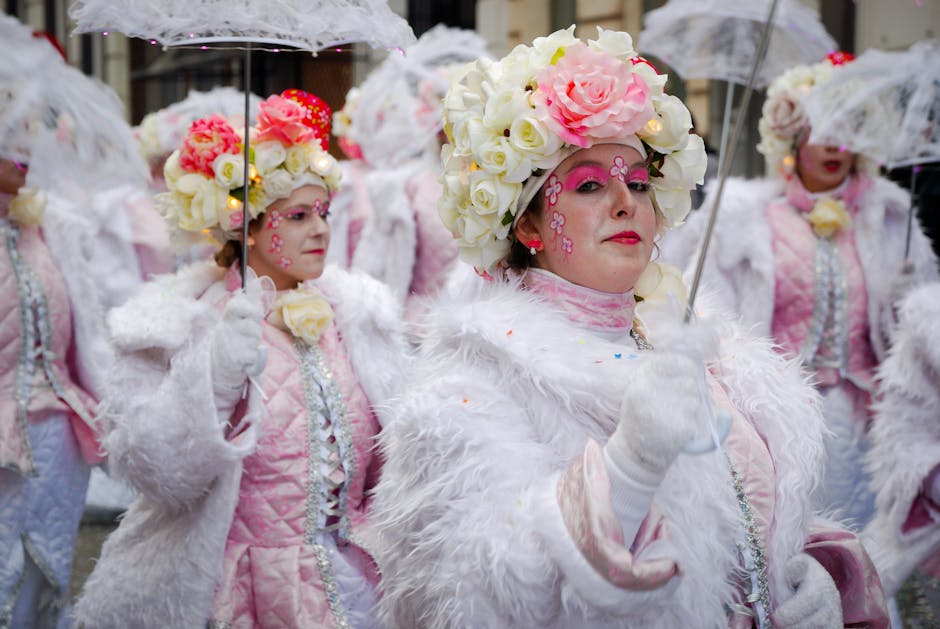
Ivrea and the Battaglia delle Arance: history, rules and diving into the most famous carnival revolt
Ivrea’s Battaglia delle Arance (Battle of the Oranges) is one of Piedmont — and Italy’s — most spectacular carnivals. Held each year in Ivrea, a town in the province of Turin, it celebrates a legendary episode of popular revolt against feudal power. The protagonists are teams on horse-drawn carts who throw oranges at foot-soldiers representing the « oppressors. » This symbolic, highly ritualised confrontation draws tens of thousands of visitors.
Key spots and contacts:
- Piazza Ottinetti, 10015 Ivrea TO, Italy — often the starting point for the processions. GPS coordinates: 45.4721°N, 7.8849°E.
- Piazza Ferruccio, 10015 Ivrea TO, Italy — the town’s main market square and a central gathering place. Useful address for parking and pedestrian access.
- Palazzo d’Accursio / Museo Civico Pier Alessandro Garda, Via Jervis 30, 10015 Ivrea TO — hosts historical exhibits related to the carnival (usual entrance fee €5.00). Indicative opening hours: Tue–Sun 10:00–18:00, closed Monday.
Times and prices:
- The Battaglia delle Arance normally runs across several days, peaking on Carnival Sunday (dates vary each year); daytime events typically start around 09:00 and continue until 18:00–19:00.
- Access to the squares is free, but areas close to the carts may be cordoned off. Paid stands are sometimes available: roughly €20–€50 depending on location and day.
Practical tips:
- Protect yourself: tens of thousands of oranges flying through the air are surprising projectiles — bring safety goggles and a waterproof poncho (oranges splatter). Strongly recommended.
- Dress warmly: Ivrea in February is cold (often between -2 °C and 8 °C). Layer up with thermals, waterproof boots and a hat.
- Transport and accommodation: Ivrea train station, Piazza della Repubblica 1, 10015 Ivrea TO — regional trains from Turin Porta Susa in 40–50 minutes. Book lodgings well in advance (room rates €60 to €150 per night during carnival, depending on category).
To really soak it up, arrive the day before to catch evening rehearsals and the opening procession — a unique experience. Streets lit up, stalls selling mulled wine and local pasta dishes like bagna cauda, and costumed locals will give you a deep sense of the event’s history. After the battle, many trattorie and osterie in Ivrea (for example Osteria del Teatro, Via Arduino 20, 10015 Ivrea) offer carnival menus starting around €18–€30.
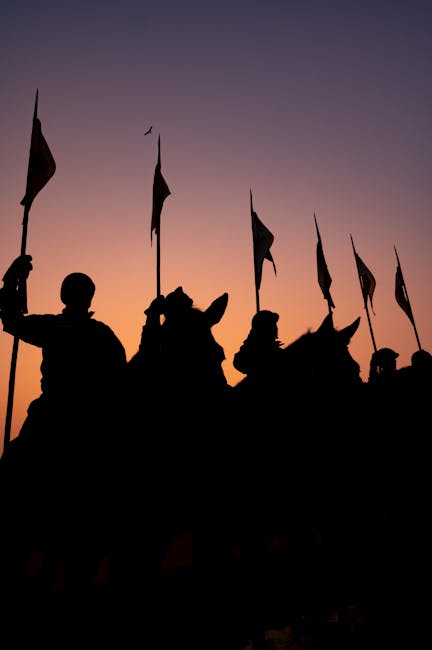
Turin: urban masks, Gianduja and city-centre shows
Turin (Torino) offers a more urban carnival — refined yet popular — played out across baroque squares and historic theatres. This is the city of Gianduja, the traditional mask figure symbolising the Piedmontese bon vivant. During carnival, Piazza Castello and the long arcades of Via Po become open stages for parades, street shows and concerts.
Practical venues and addresses:
- Piazza Castello, 10122 Torino TO — Turin’s heart, a focus for parades and free concerts.
- Palazzo Carignano / Museo Nazionale del Risorgimento Italiano, Piazza Carignano 2, 10123 Torino TO — museum and venue for temporary exhibitions tied to local traditions. Opening hours: Tue–Sun 9:00–18:00. Entrance: adult €10.00, reduced €7.00.
- Museo Egizio, Via Accademia delle Scienze 6, 10123 Torino TO — often hosts themed evening visits during carnival. Opening hours: Tue–Sun 9:00–18:30, closed Monday. Adult ticket: €37.00 (indicative: check the official site for current rates).
Activities and events:
Beyond the parades, Turin runs masked balls, mask-making workshops (papier-mâché and leather), and shows at the Teatro Regio di Torino (Piazza Castello 215, 10122 Torino TO — ticketing and schedule vary; prices roughly €25–€120 depending on the program). Artisanal markets along Via Roma sell handmade masks, fabrics and traditional sweets like « frittelle » (donuts) priced around €2–€4 each.
Practical tips:
- Getting around: GTT metro and bus network; main stations are Porta Nuova / Porta Susa, within a 10–20 minute walk of Piazza Castello.
- Where to eat: try the traditional bagna cauda at restaurants such as Ristorante del Cambio, Piazza Carignano 2, 10123 Torino TO (menus around €40–€70 per person depending on dishes and wine).
- Safety: very busy areas — favour a small zippered backpack and avoid flashing valuables. For night photography, a compact tripod is useful but use it discreetly in dense crowds.
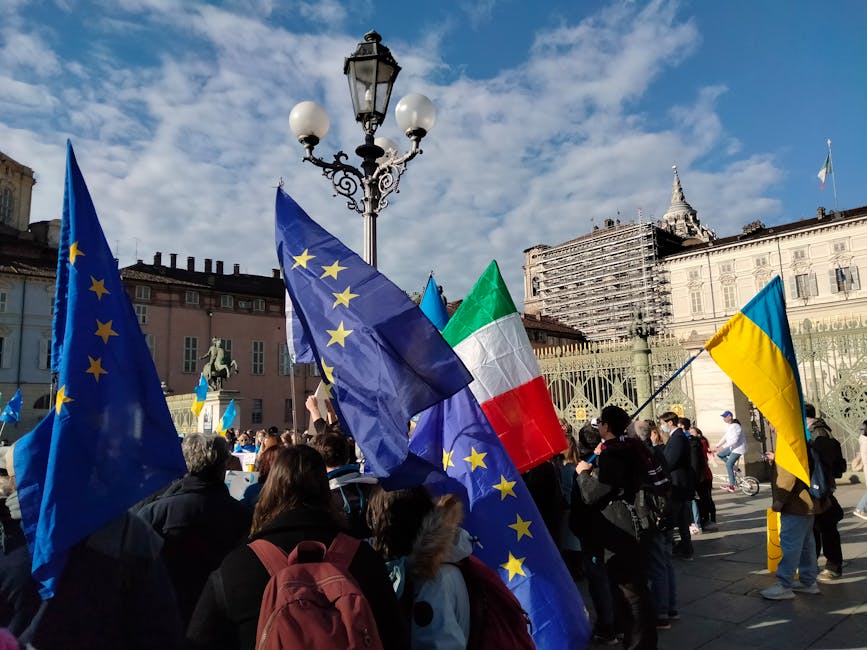
Alba and wine-region carnivals: costumes, fairs and culinary traditions
Alba — famous for its white truffle and Langa wines — also pulses with carnival events where costumes, local markets and family-friendly activities come together. Alba’s carnival centers around Piazza Risorgimento and Corso Langhe, with shows, costume contests and tastings of Piedmontese specialties.
Key places and addresses:
- Piazza Risorgimento, 12051 Alba CN — the central square for carnival gatherings.
- Teatro Sociale G. Busca, Via Teatro 3, 12051 Alba CN — the historic theatre hosts shows, concerts and balls. Ticketing and times vary with programming; prices €15–€60.
- Mercato Coperto di Alba, Via Vittorio Emanuele 43, 12051 Alba CN — covered market for local produce (cheeses, cured meats, wines). Hours: Mon–Sat 8:00–13:00, with occasional afternoon openings on Tue and Thu.
Times and prices:
Most of Alba’s carnival events are free (parades, outdoor concerts). Workshops and tastings charge varying fees: wine workshops €20–€50, festive menus in local trattorie €25–€50 per person. Themed guided tours (tastings and cellar visits) typically cost €30–€60 depending on duration.
Practical tips:
- Book ahead: restaurants and hotels in Alba and neighbouring wine villages fill up fast — reserve 4–8 weeks before carnival.
- Drink responsibly: if you join wine tastings (Barolo, Barbaresco), arrange a designated driver or use local wine-shuttle services.
- Family activities: children’s parades often happen in the morning — arrive early for the best spots and bring warm snacks if you’re with little ones.
Sensory experience: picture a cobbled street with benches dusted in confetti, masked groups singing local ditties while the scent of mulled wine and dishes like tajarin (egg pasta) drifts through the air. Alba blends the populist spirit of carnival with culinary and wine expertise, making it an ideal stop for those who want to pair celebration with tasting.
Final practical tips, suggested routes and health & safety
Preparation is key to getting the most out of a Piedmont carnival. Here are practical tips drawn from visitor experience and local organisers, plus suggested routes for a 3–5 day trip.
Clothing and gear:
- Dress in layers: thermals, wool sweater, windproof waterproof jacket. Winter conditions call for waterproof boots and gloves.
- Essential accessories: safety goggles (for Ivrea), disposable poncho, waterproof bag for camera and documents, and a portable charger for your phone.
- Masks and costumes: if you plan to take part, check local rules (some battles ban certain materials). Mask workshops provide suitable materials and safety guidance.
Safety, health and regulations:
- Follow organisers’ instructions: stay within marked zones, respect queues and paid stands. Emergency services are usually well represented at big events.
- Travel insurance: ensure your policy covers accidents at public events and medical care in Italy.
- COVID-19 and other health precautions: check local recommendations before you travel — some events may require health passes or specific rules depending on the period.
Suggested itineraries:
- 3-day (express) route: Day 1 — Turin (museums and Piazza Castello), evening masked ball at Teatro Regio; Day 2 — Ivrea (Battaglia delle Arance); Day 3 — Alba (tasting and market).
- 5-day (relaxed) route: Day 1 — Turin museums (Museo Egizio, Palazzo Carignano); Day 2 — Turin mask workshops and artisan market; Day 3 — full day in Ivrea; Day 4 — Alba and the wine villages (Barolo, La Morra); Day 5 — Acqui Terme (thermal baths and local carnival) and return.
Transport and accommodation:
- Trains and buses: regional Trenitalia and local carriers — Turin is well connected to Ivrea (about 40–50 minutes) and Alba (1h15–1h30 depending on routes). Check timetables and buy tickets ahead during carnival peak season.
- Parking: towns like Ivrea often set up large peripheral parking zones with shuttle services on busy days — use these rather than trying to park inside the historic centers.
- Budget guide: expect €60–€150 per night for accommodation depending on level and season; meals €15–€50 per person; activities and museums €5–€40 per entry.
Photography and respecting traditions:
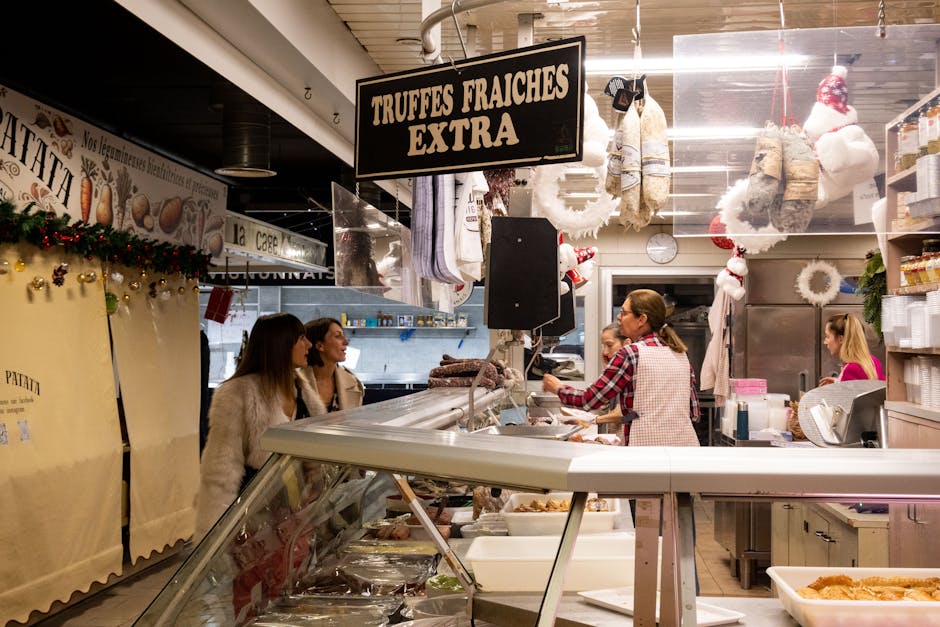
When photographing, always respect participants’ privacy — ask before taking close-up portraits and observe restricted areas. Iconic shots include Ivrea’s carts in motion, colourful masks in Turin, confetti drifts in Alba, and trattoria tables piled with Piedmontese fare. Alternate wide-angle scenes with detail shots: a hand gripping a hot donut, a close-up of a mask, or a brass band silhouette at dusk.
Conclusion: Why experiencing the Piedmont carnival is unforgettable
The Piedmont carnival is far more than seasonal entertainment: it’s a concentrated dose of regional culture, living history and shared emotion. From the dramatic, almost martial Battaglia delle Arance in Ivrea, to Turin’s refined masked balls and workshops, to Alba’s warm, food-centred festivities, each event offers a different window into Piedmontese identity. Mixing popular ritual with festive spectacle, these carnivals show how communities pass down stories and values through costume, music and public life.
Visiting Piedmont for carnival is also an opportunity to explore remarkable architectural and gastronomic heritage: Turin’s baroque squares (Piazza Castello, Piazza Carignano), Alba’s markets and trattorie, Ivrea’s historic landmarks and Acqui Terme’s baths. The addresses and times in this article are a starting point for planning a thoughtful, safe trip — keeping in mind the logistical quirks of busy festive days (bookings, crowded zones, and safety rules for specific events).
Finally, the best tip for fully living the Piedmont carnival is to stay open: welcome the unexpected, talk to locals, taste the specialties and let the music and colour carry you along. With appropriate gear (warm clothing, protective equipment and camera protection), timely accommodation bookings and a respectful curiosity about local customs, you’ll leave with unique images and sensations — memories of an Italy that’s less touristy, more intimate and vibrantly alive.