





Introduction
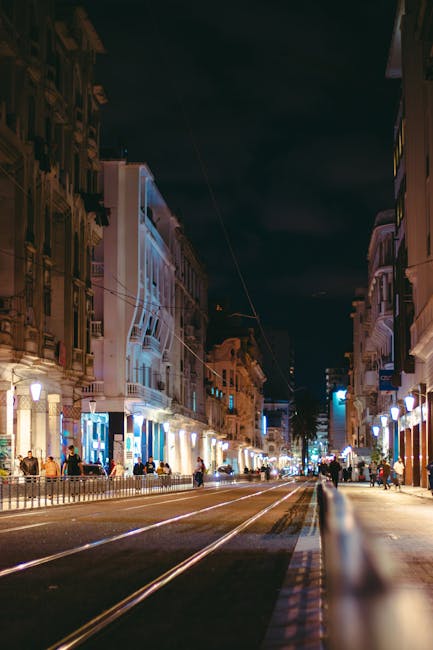
Alba, a graceful small town in Piedmont’s Cuneo province, is famous for its rolling vineyards, white truffles and medieval heritage. But beyond the wineries and cellars, it’s the town’s evening street life — night markets, stalls and long-standing shops — that gives Alba its intimate, lively character, especially as the sun sets and the alleys glow with lantern light. Strolling through Alba’s night markets is as much a sensory wander as it is a trip back in time: the scent of candied citrus, the polished wood of counters, bursts of Piedmontese dialect and the warm glow of shop windows displaying aged cheeses, artisanal cured meats and handmade ceramics.
Alba’s night markets aren’t just places to buy and sell; they’re a living expression of local culture. You’ll meet producers from the Langhe, Monferrato and Roero, winemakers popping open bottles of Barolo and Barbera for impromptu tastings, and craftsmen turning local raw materials into useful and decorative pieces. These markets are also a great way to see the social role of the traditional shop: the seller who remembers your favorite formaggio, the baker handing you a warm walnut roll, or the woman spinning yarn in a tucked-away back room.
In this guide I’ll map out a practical, detailed route: where the main night markets are and which traditional shops are worth visiting, addresses, indicative prices, opening hours, vivid descriptions and concrete tips to make the most of your Alba evenings. I’ll point out handy landmarks for finding late-night markets — like the Cattedrale di San Lorenzo and Piazza Risorgimento — and give recommendations on transport, parking and language tips. Whether you’re a foodie, a night photographer, or just curious, this walk through Alba’s night markets and traditional shops will help you experience the town differently: slowly, talking to vendors and tasting authentic Piedmontese fare.
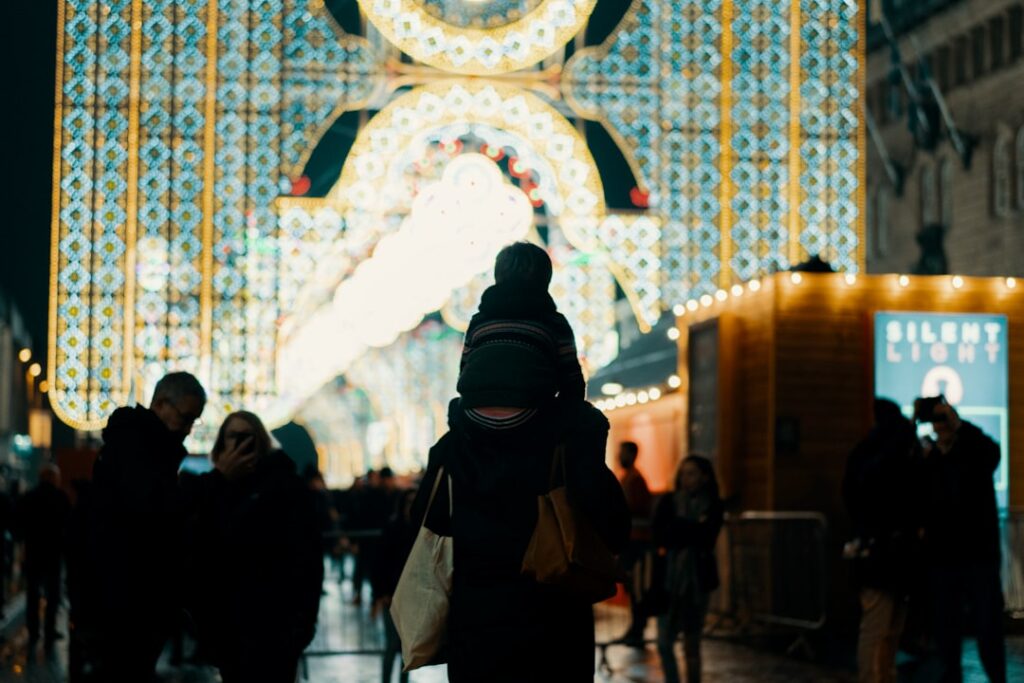
Must-see night markets in Alba
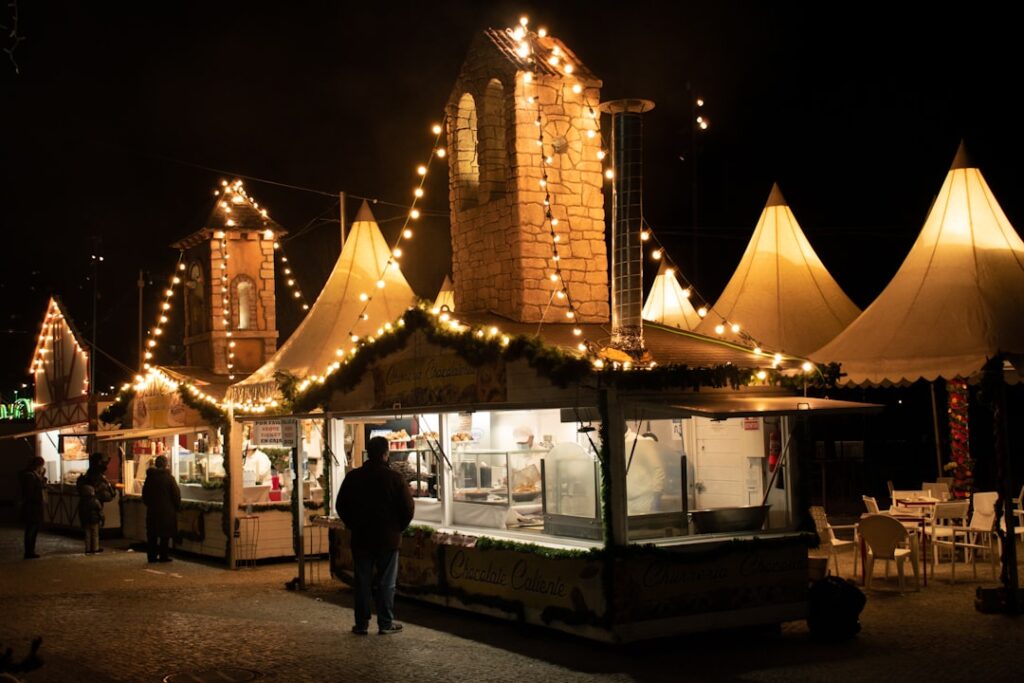
Alba hosts night markets at different times of year and on various evenings. Standouts include the summer night market on Piazza Risorgimento, pop-up stalls around the Cattedrale di San Lorenzo, and themed markets during the Fiera Internazionale del Tartufo Bianco (White Truffle Fair) and wine festivals. The Piazza Risorgimento night market (Piazza Risorgimento, 12051 Alba CN) usually runs from June through September, typically from 18:00 to 23:30. Entry is free; prices depend on the stall: mini wine tastings start around €3.00 per small glass, shared antipasti range from about €6.00–€12.00.
Another popular spot is the area around the Cattedrale di San Lorenzo (Piazza Duomo, 12051 Alba CN), where artisan night markets set up on summer weekends and during the truffle weekends in October–November. Typical hours are 17:00–22:00; some stalls stay open later for special events. Expect local products (cheeses, honey, homemade jams) and local crafts (ceramics, copper jewelry, textiles). Prices: local cheeses (Bra tenero, Toma) roughly €5.00–€12.00 for a 200 g portion; 250 g jars of jam €4.00–€8.00.
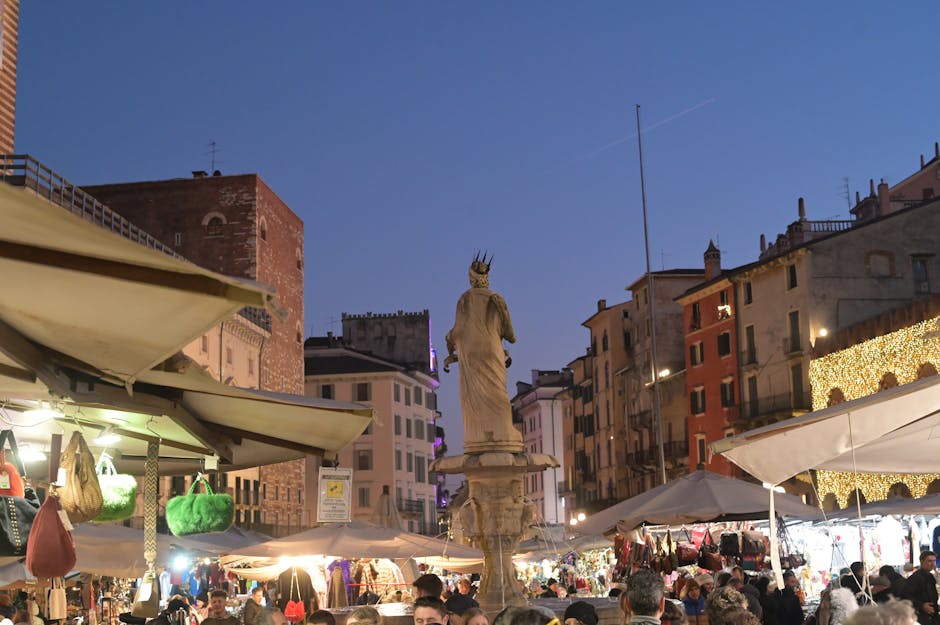
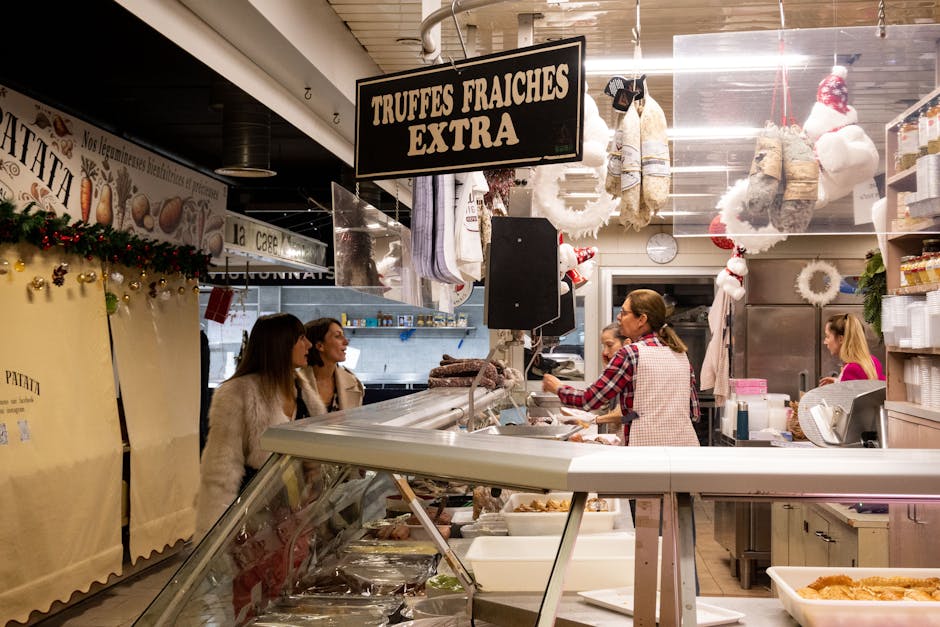
Finally, the themed markets at the Fiera Internazionale del Tartufo Bianco d’Alba (mainly around Piazza Vittorio Emanuele and via Cavour) draw an international crowd. Although the fair is mostly daytime, many restaurants and pop-up vendors host evening tastings and stalls stay open until around 23:00 during the season (October–November). Truffle tastings vary widely in price: truffle-topped crostini start at about €8.00, truffle pasta runs from €15.00 to €30.00 depending on the venue and how much truffle is used.
Practical tip: arrive early (around 19:00) to avoid the crowds and secure a seat at the small trattorie around the main squares. Bring small change (coins and small notes of €5–20) — some small vendors don’t take cards. If you plan to buy fresh products to transport home, bring a soft cooler or insulated bag to protect cheeses and smoked fish.
Traditional shops and artisans to visit
Alba is full of shops where time feels slowed down. Notable spots include the Salumeria Prada (Via Vittorio Emanuele II, 36, 12051 Alba CN) — a classic deli known for its artisanal salami and prosciutto. Hours: Monday–Saturday 08:00–13:00 and 15:30–19:30; closed Sunday. Indicative prices: cured meat assortments (200 g) €6.00–€12.00. The welcome is often warm; the owner will slice your selection on the spot and may offer a piece of bread with your plate.
Another iconic address is Pasticceria Ghigo</strong (Via Maestra / Via Cavour area) — Pasticceria Ghigo, Via Cavour 10, 12051 Alba CN, renowned for traditional Piedmontese cakes and baci di dama. Hours: Tuesday–Saturday 07:30–19:30, Sunday 08:00–13:00, closed Monday. Prices: viennoiseries €1.20–€2.50; individual pastries €2.50–€6.00. At dusk, the illuminated pastry window is an irresistible invitation for a sweet break after wandering the market.
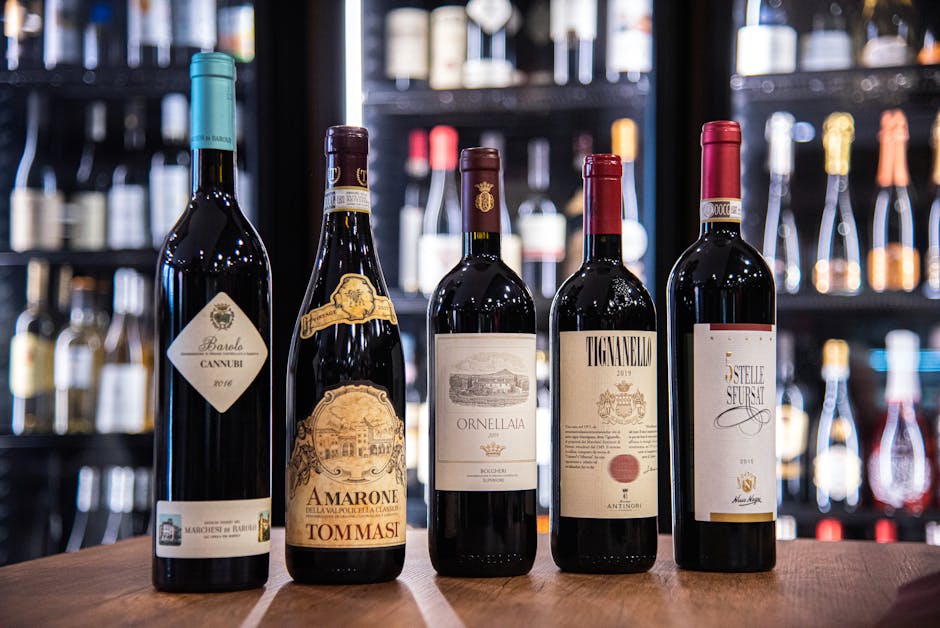
For wines, the Enoteca Regionale del Roero (Piazza Savona, 1, 12051 Alba CN) is a must: they offer tastings (typical hours: 09:30–13:00 and 15:30–19:00; closed some Sundays) and occasional wine workshops. Prices: guided tasting of three wines €8.00–€15.00; bottles €10.00–€50.00 depending on the producer. Around Alba, small family cellars (often open by appointment only) sometimes offer private evening tastings for €20.00–€40.00 per person.
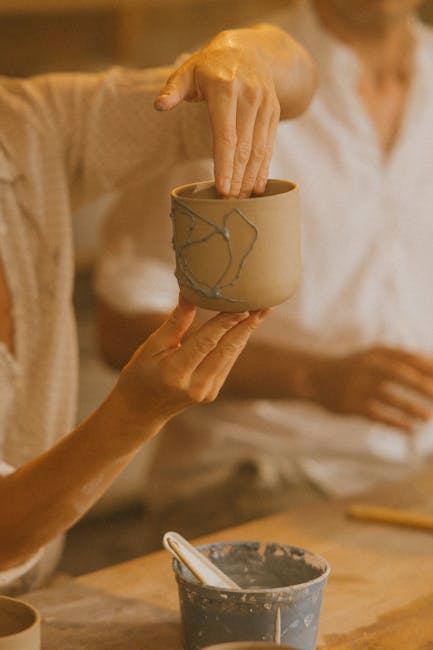
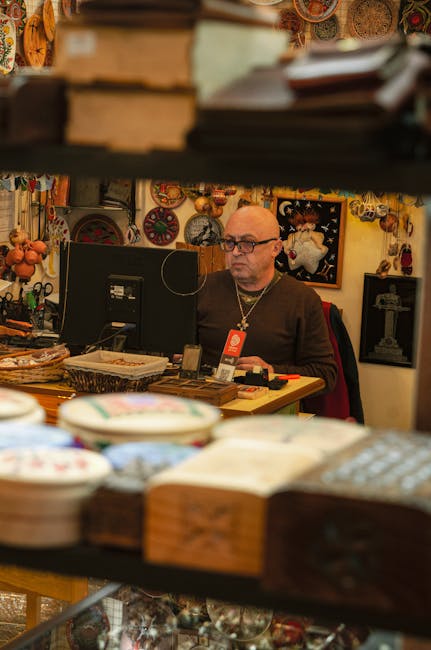
Craftspeople: don’t miss the ceramics shop Ceramiche della Langhe (Via Roma 22, 12051 Alba CN). Hours: 10:00–13:00 and 16:00–20:00, closed Monday. Prices: small decorated bowls €12.00–€25.00; larger platters €40.00–€90.00. Shops selling local textiles and handmade knitwear are often tucked into the streets off the main piazza — look for signs that say « artigianato » for one-of-a-kind pieces.
What to buy and taste: Piedmont specialties at the market
Alba’s night markets are a great chance to taste and buy Piedmontese specialties to enjoy on the spot or take home. Must-tries include tartufo bianco (Alba white truffle), Bra cheese, toma, tajarin (thin egg pasta), bonet (a cocoa-and-amaretti dessert) and gianduiotti (hazelnut-praline chocolates from Piedmont).
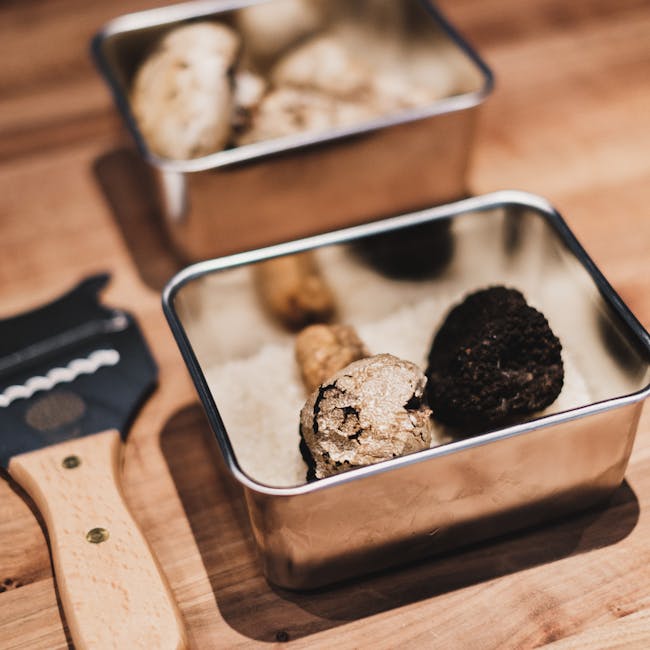
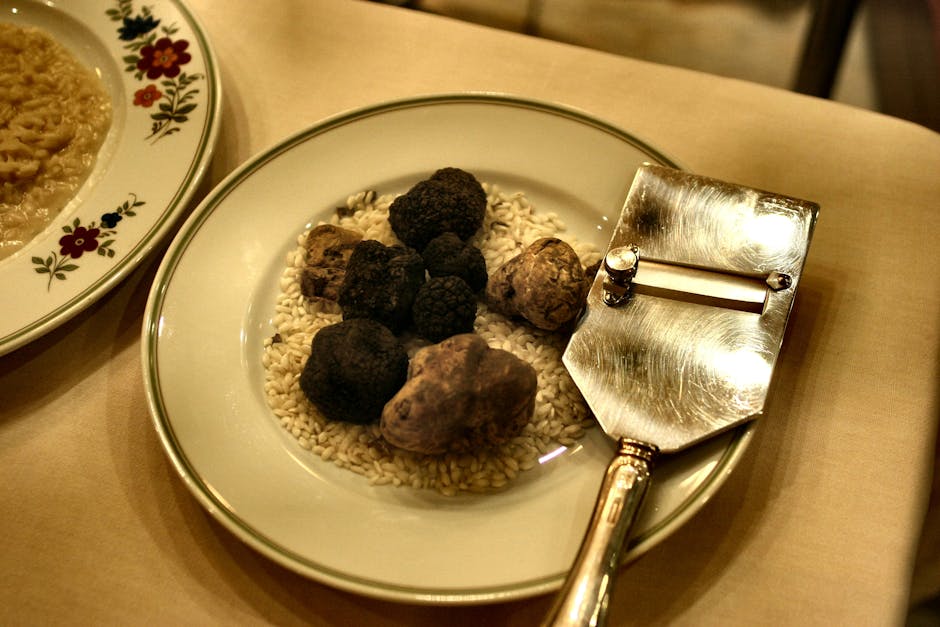
White truffle: during the season (October–November), the official truffle market stalls in Alba — mainly around Piazza Vittorio Emanuele and via Cavour — sell truffles by weight. Indicative prices: fresh white truffle typically ranges from €2,000 to €4,000 per kilogram depending on quality (small sales by the gram are possible; for example 5 g for €10–€20 for limited use). Reputable sellers will provide a receipt and state the origin; stick to official stalls recognized by the Fiera to avoid fakes.
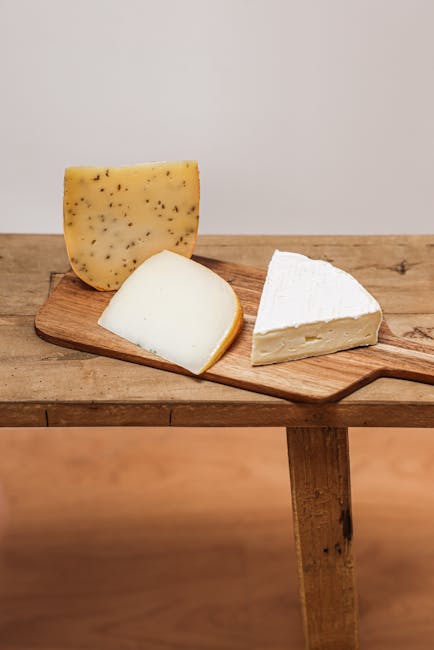
Cheeses and cured meats: you’ll find ready-to-go boards (about 300 g assortments) for €10.00–€18.00. A cellar master’s advice can help you choose the level of aging that suits your taste (soft or firmer textures). Tip: keep cheeses cool and consume within 48 hours for optimal flavor.
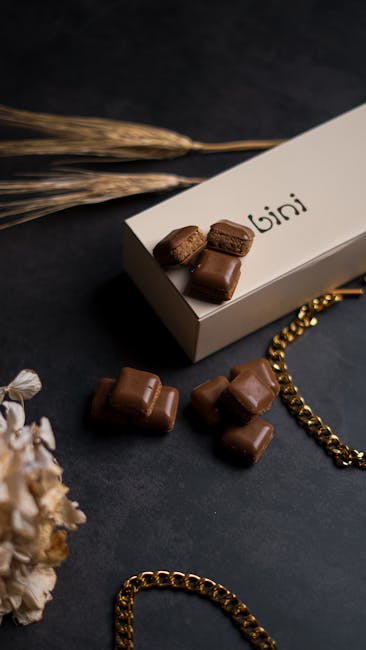
Chocolates and sweets: gianduiotti and artisanal confections from Pasticceria Ghigo or other local confectioners make perfect souvenirs. Prices: 200 g box of gianduiotti €8.00–€15.00. Bonet is often sold at dessert stalls for €3.50–€6.00 a serving.
Culinary tip: if you buy fresh pasta at the market (tajarin, agnolotti), ask the vendor for an insulated bag and cooking tips; tajarin needs very little water and a very short cook time (1–3 minutes) and pairs wonderfully with a bit of browned butter and Parmesan, or a few truffle shavings in season.
Practical tips and logistics for enjoying night markets
Visiting Alba’s night markets takes a little planning. Here are concrete practical tips to make the most of your evening: how to get around, where to park, language tips and how to keep your purchases safe.
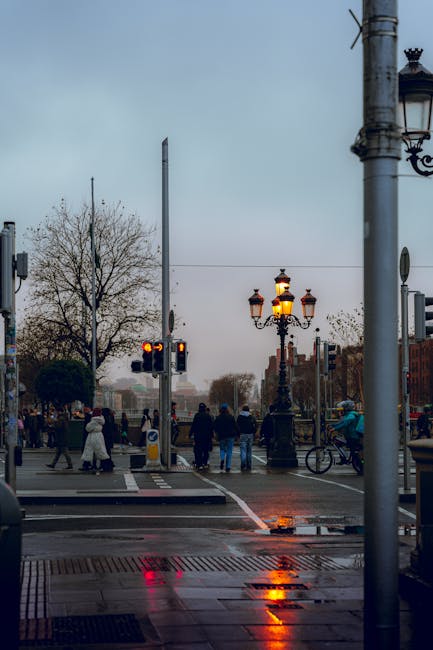
Transport and parking: Alba’s historic center is pedestrianized most summer evenings. Recommended parking lots are Parcheggio del Foro Boario (Via P. Ferrero, 12051 Alba CN) and Parcheggio Dante (Piazza Dante Alighieri, 12051 Alba CN) with night rates of about €1.50–€2.50 per hour. Some lots offer evening flat rates (€4–€6). Walk to the center (5–15 minutes depending on the lot): it makes it easier to come and go while avoiding traffic restrictions.
Payment and language: while many market vendors accept cards for medium-sized purchases, always carry €20–€50 in cash for smaller buys and for independent artisans. Many vendors speak basic English; a few Italian phrases help (for example, « Vorrei 200 grammi, per favore » to ask for 200 g). Politeness goes a long way — a friendly « Buonasera » and a compliment about a product often opens the door to a more meaningful conversation.
Safety: at night, as anywhere, watch your personal belongings. Use secure bags and avoid leaving valuables in plain sight. If you buy perishable goods, ask the seller for tips on safe transport and keep receipts for potential complaints.
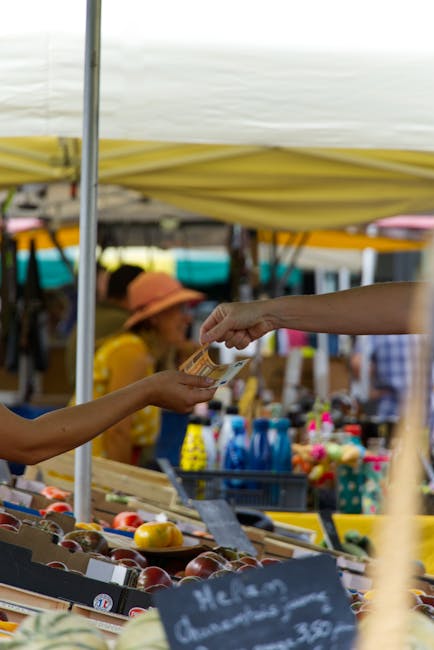
Buying etiquette: bargain politely if a price isn’t posted, but respect the artisan’s work. For high-value purchases like truffles or jewelry, ask for airtight packaging and certificates of origin if available. If buying wine, check whether the bottle is sealed and note the vintage on your receipt.
Conclusion
Alba’s night markets and traditional shops are an authentic gateway into Piedmontese culture: they blend taste, craftsmanship and local conviviality within a historic setting often lit by lanterns and warm shop windows. Walking from Piazza Risorgimento to the area around the Cattedrale di San Lorenzo, or exploring the Fiera del Tartufo pop-ups, you’ll discover not only exceptional products — white truffles, aged cheeses, fine cured meats and gianduia chocolates — but also the stories, faces and gestures that make Alba unique.
To get the most from these markets, plan ahead: bring a soft cooler for fresh items, small change and a curious spirit. Take time to talk to vendors, ask about storage and preparation, and enjoy your purchases that same evening — that’s when the magic happens: a slice of toma on a cobbled square while church bells peal in the distance, a small glass of Barbera shared with strangers who quickly become tasting companions, or a handcrafted object that finds a place among your souvenirs.
Finally, respect opening hours and local traditions, and remember each season brings its own palette: summer for open-air markets and balmy nights, autumn for the truffle frenzy and themed markets, winter for cozy heated shops where pastries and wine warm you up. Alba after dark is both intimate and generous — a town where every stall tells a story and every shop invites you into a generous, age-old Piedmontese ritual.