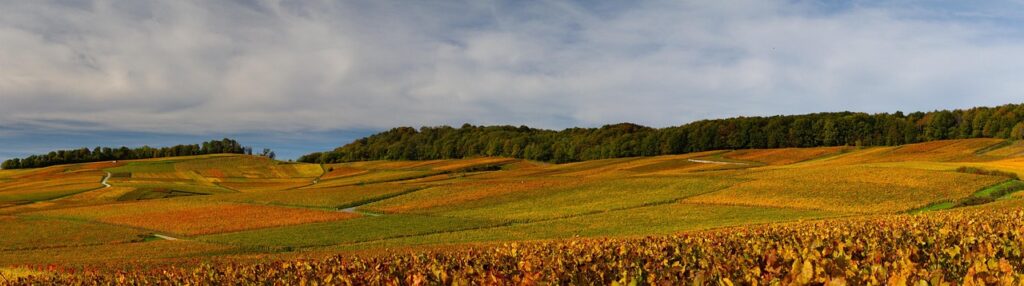





Introduction — Photo Route through Piedmont’s UNESCO-listed Vineyards
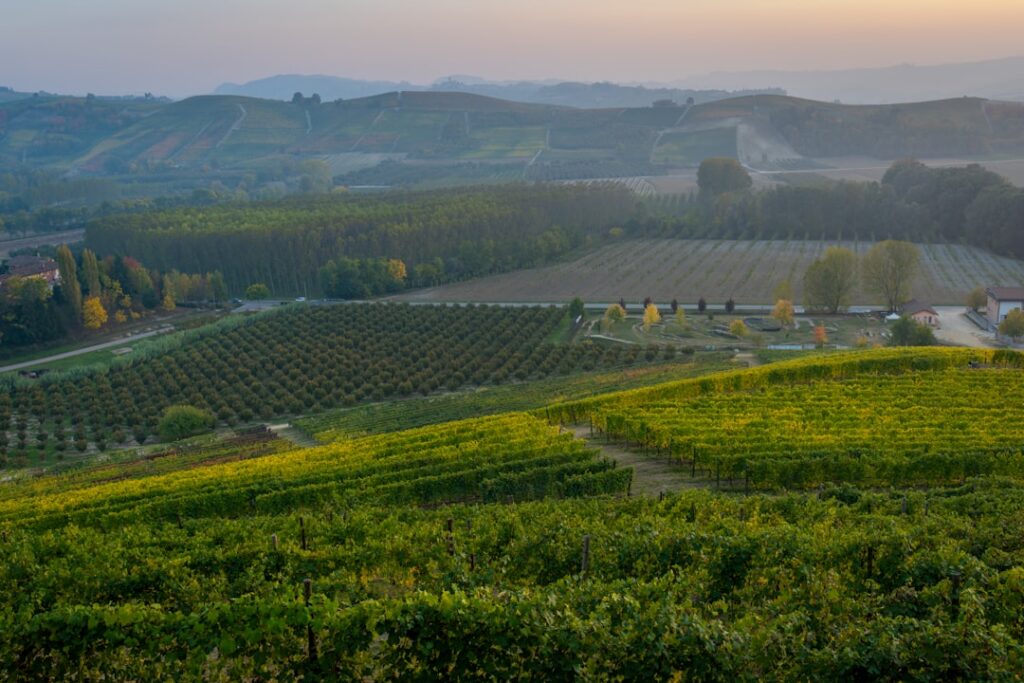
Italy’s Piedmont region, with its terraced vineyards, rolling hills and medieval villages, ranks among Europe’s most photographed wine landscapes. Inscribed on the UNESCO World Heritage List as « Vineyards of Piedmont: Langhe-Roero and Monferrato », these territories offer an exceptional photo route for anyone who loves wine, rural architecture and the subtleties of northwest Italian light. This comprehensive guide walks you through every step: planning, suggested routes, must-see viewpoints, practical addresses, opening hours, prices and technical tips to capture memorable images.
Whether you’re an amateur photographer wanting a cohesive portfolio series or a pro planning a feature, this route highlights a variety of subjects: perfectly aligned vine rows, dry-stone walls, castles and medieval towers crowning the ridges, bustling local markets run by producers, and historic cellars where Nebbiolo slowly ages. Villages like Barolo, La Morra, Serralunga d’Alba, Grinzane Cavour, Barbaresco and Nizza Monferrato each have a distinct visual character: warm-hued facades, stone stairways, shady squares and panoramas that shift with every hour of the day.
This guide provides precise practical information: exact addresses (streets and numbers), opening hours of main sites and museums, entrance fees in euros, recommended photo routes and local tips to avoid busy times. You’ll also find gear suggestions, timing cues for the best light (golden hour, blue hour), and reminders about local regulations — notably drone use and respect for private property.
Finally, the suggested itinerary doesn’t forget the sensory experience: where to taste a glass of Barolo or Barbaresco, which historic cellars to visit and the best times to do so. The addresses and hours given were accurate when this guide was written, but it’s wise to check online or call ahead, especially in high season or during the harvest. Pack your camera bag, set alarms for sunrise, and discover a wine landscape that tells the story, geology and culture of Piedmont through every row of vines.
1) Preparing the Route: Logistics, Permits and Best Time to Visit
Good preparation is the key to a successful photo route. Piedmont is best visited in spring (April–June) and autumn (September–October): spring for tender greens and blossoms, autumn for golden tones and harvest activity. Summer (July–August) can bring deep blue skies but also heavy tourist traffic and intense heat. Harvest season (late September–early October, variable by year) offers exceptional documentary opportunities: workers, laden baskets, vats and tractors — authentic subjects for storytelling.
Transport: the area is easiest to explore by car. Renting a car at Turin Airport (Aeroporto di Torino-Caselle, Via Germagnano, 10072 Caselle Torinese TO, Italy) or at the small seasonal Alba airport is convenient. Provincial roads (SP) wind through the hills; driving is generally calm but sometimes narrow. Bring GPS and paper maps as a backup. For long photo days, plan fuel stops (stations every 20–40 km on main routes) and snacks.
Permits and drones: if you’re shooting with a drone, be aware that drone use is strictly regulated in Italy. Near historic monuments or private property, you often need the owner’s permission and sometimes authorization from ENAC (the Italian Civil Aviation Authority). Respect no-fly zones (protected sites, airport proximities). Check ENAC’s official site (https://www.enac.gov.it) before you travel.
Accommodation: base yourself in central towns like Alba (Via Vittorio Emanuele, 34, 12051 Alba CN, Italy) or Asti (Piazza Alfieri, 1, 14100 Asti AT, Italy) if you want to day-trip; for a more picture-perfect stay, look for an agriturismo in the hills. Budget: double rooms in charming agriturismi range from €80 to €180 per night depending on season and services. Book early for harvest time and wine festivals.
- Gear tip: full-frame or APS-C body, wide-angle lens (16–35 mm), telezoom 70–200 mm, a sturdy tripod, polarizing and ND filters, extra batteries and memory cards.
- Insurance: check your travel insurance and gear coverage for photography equipment.
- Language: Italian is the common language; basic Italian helps when asking for access to private property and for tastings.
2) Recommended Photo Routes: Exact Spots and Addresses
The UNESCO area divides into three main zones: Langhe, Roero and Monferrato. Here’s a detailed, sequenced itinerary with addresses, opening times and indicative fees for essential photo landmarks.
Barolo and Surroundings
Classic starting point: Castello Falletti di Barolo / Museo del Vino (WiMu), Piazza Falletti, 5, 12060 Barolo CN, Italy. Hours: generally 10:00–18:00 (closed Tuesdays out of season), so check before you go. WiMu entrance fee: around €10–€12 per person. The castle has a panoramic terrace perfect for capturing vineyard amphitheaters at sunrise. Nearby, explore the local roads toward La Morra for sweeping elevated views.
La Morra — viewpoint and village
La Morra (Piazza Castello 1, 12064 La Morra CN, Italy) offers several viewpoints. Stroll the central piazza and the Belvedere di La Morra lookout for 180° panoramas over the vines. Parking: public lots in town (free or paid depending on season).
Serralunga d’Alba
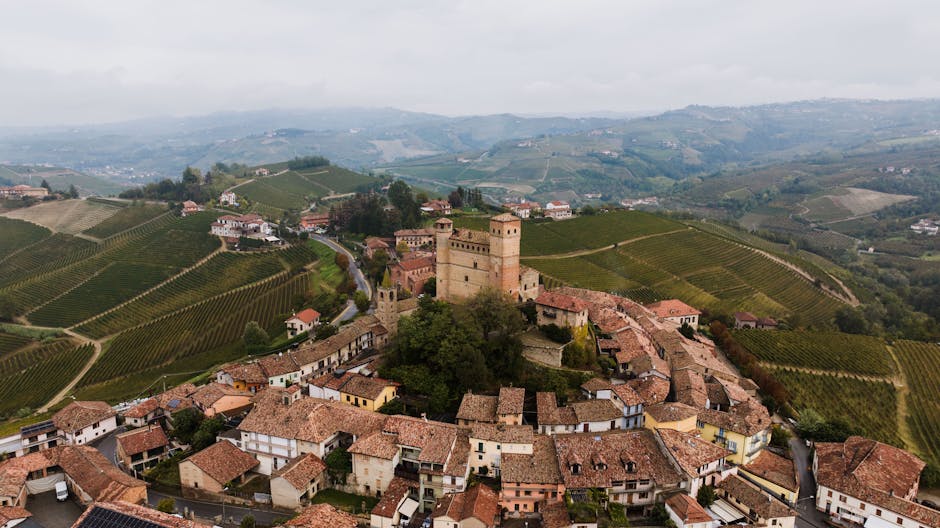
Castello di Serralunga d’Alba, Piazza Castello, 2, 12050 Serralunga d’Alba CN, Italy. Approximate hours: 10:00–13:00 and 14:30–18:00 (seasonal). Entry fee: €5–€8. Its medieval silhouette dominates the skyline, perfect for backlit shots at sunset. The sloping vineyards around the castle create strong graphic lines.
Grinzane Cavour and Verduno
Castello di Grinzane Cavour, Piazza Vittorio Emanuele, 2, 12060 Grinzane Cavour CN, Italy. Hours: 10:00–18:00 (variable), museum fee: around €5–€7. In Verduno, the Cantina del Castello (Piazza Castello, 1, 12060 Verduno CN, Italy) lets you get close to historic cellars and photograph casks and aging corridors in atmospheric low light.
Barbaresco and the Tower
Torre di Barbaresco, Piazza Cesare Battisti, 1, 12050 Barbaresco CN, Italy (central square address). Visiting the exterior is free; access to the tower is sometimes open seasonally (small fee ~ €2–€4). From the tower you’ll get panoramic views over the Tanaro river and the patchwork vineyards — ideal at sunset or during the golden hour.
3) Photo Techniques, Light and Practical Field Tips
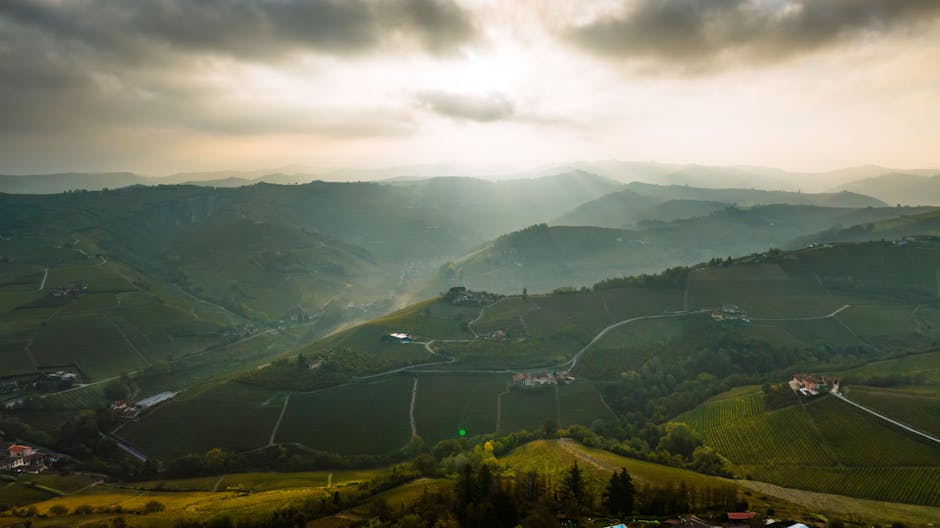
To elevate these landscapes, master light, composition and human interaction. The warm golden light of morning and evening flatters Piedmont’s hills: rich colors, long shadows and enhanced relief. Scout your positions 30–60 minutes before sunrise or after sunset to catch the best light.
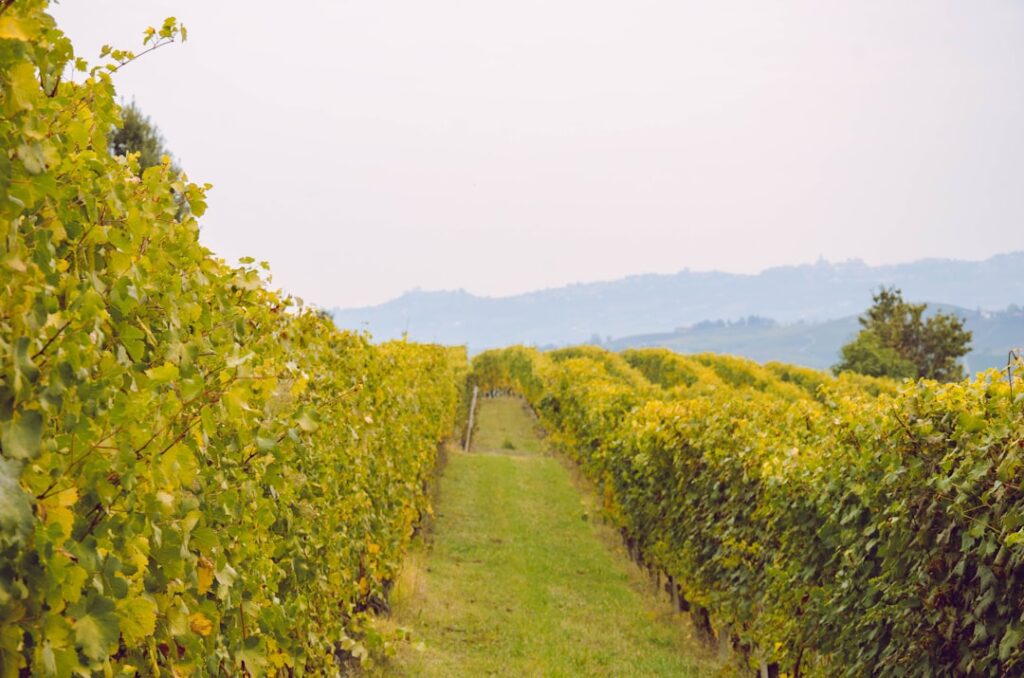
Composition: use vine rows as leading lines toward a castle, village or tower. Dry-stone walls and vineyard tracks make strong anchor points. Include a human figure (vineyard worker, tractor, walker) to provide scale and tell the terroir’s story. Use a telephoto to compress repeating rows (100–200 mm) and a wide-angle to capture an entire vineyard amphitheater.
Settings: for landscapes, stop down to f/8–f/11 for broad sharpness; low ISO (100–200); tripod recommended for long exposures and blue hour work. For environmental portraits of winemakers, open up to f/2.8–f/4 to separate the subject from the background while keeping context.
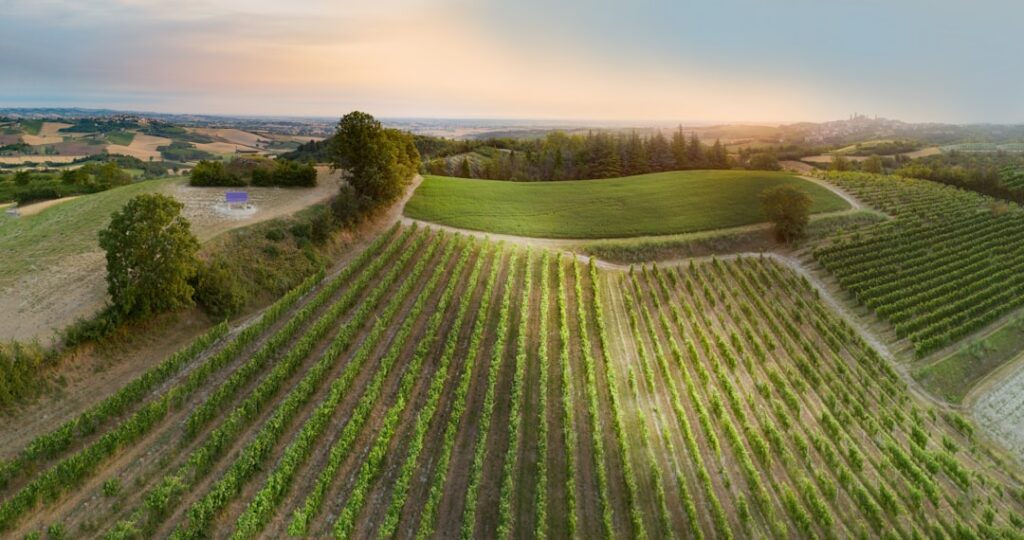
Drones: great for aerial views of parcel mosaics, but require permissions and caution. Avoid flying over harvest workers without consent and follow local ENAC rules.
- Weather tip: morning mist can enhance atmosphere and create layered depth. Embrace it, but protect your gear.
- Ethics: respect private property and don’t walk between the rows if the owner objects — always ask before entering a plot.
- Post-processing: light edits: contrast, highlight recovery, local sharpening and white balance adjustment to restore the warm terroir tones.
4) Tastings, Cellars to Visit and Local Tips
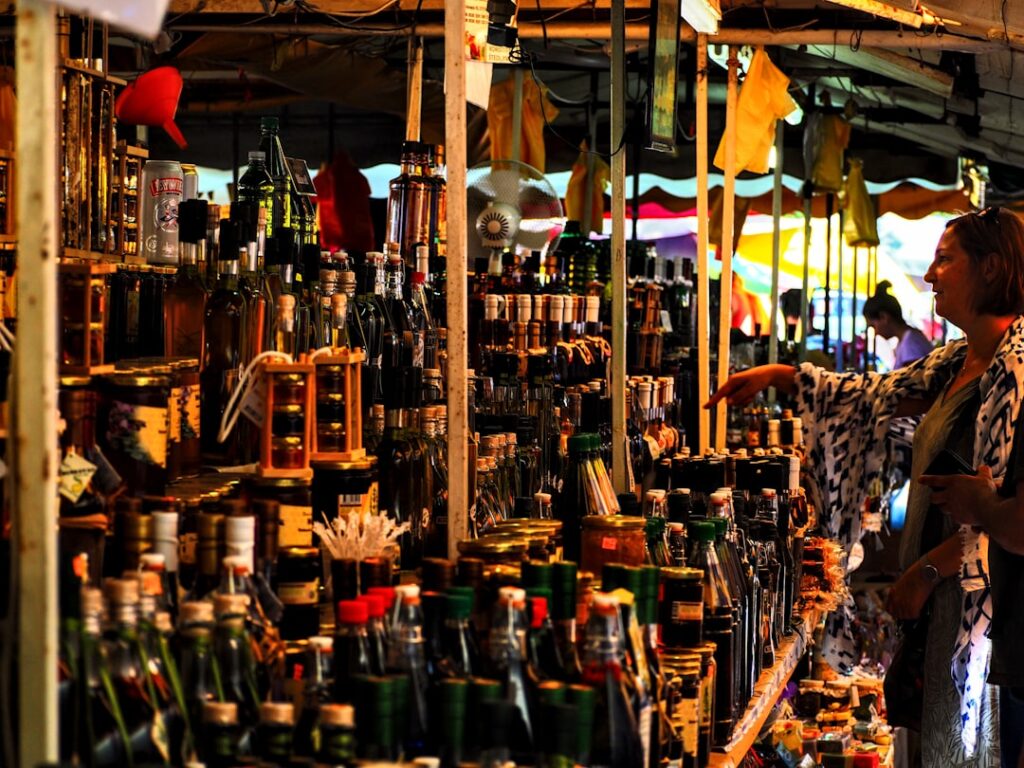
A photo route isn’t complete without tasting local products. Here’s a selection of cellars and wine bars open to the public, with addresses, hours and indicative prices.
- WiMu – Museo del Vino (Castello Falletti di Barolo), Piazza Falletti, 5, 12060 Barolo CN, Italy. Hours: 10:00–18:00 (variable), museum fee: €10–€12. Paid tastings start at about €12 for a glass and €20–€40 for a small flight paired with cold cuts and cheese.
- Enoteca Regionale del Barbaresco, Piazza Cesare Battisti, 6, 12050 Barbaresco CN, Italy. Hours: 10:00–19:00 (variable). Tasting prices: €5–€15 à la carte depending on bottles offered. The enoteca also gives tips on visiting small, local producers.
- Cantina Comunale di Nizza Monferrato, Piazza Garibaldi, 1, 14049 Nizza Monferrato AT, Italy. Hours: vary with events; check their site. Tastings: often from €8–€15.
- Local farm winery (e.g. agriturismo with cellar): many estates open by reservation. Prices: tastings + tour roughly €15–€40 depending on the offer (often with a plate of local products).
Tip: to photograph cellars authentically (casks, vaulted cellars), ask permission in advance. Some wineries request a visit fee or a minimum purchase for photography access. Public visiting hours are often between 10:00 and 17:00; lunches and tastings concentrate around midday and in the evening.
Wine budget: a good bottle of Barolo from the winery typically costs between €30 and €150 depending on producer and vintage. Barbaresco prices are similar but sometimes slightly lower for local Nebbiolo. If you’re buying to ship, ask about international shipping options or local crate rates.
Conclusion — Bringing Home Piedmont’s Visual Story
The photo route through Piedmont’s UNESCO-listed vineyards is as much a sensory journey as it is a visual one. This region is a living museum where geology, climate and human know-how shape every slope. By planning carefully — timing, hours, addresses and permissions — you’ll boost your chances of returning with strong, narratively coherent images. Use this guide as concrete starting points: WiMu in Barolo, the towers and castles of Serralunga and Grinzane Cavour, the viewpoints in La Morra and Barbaresco, and enoteche as hubs for meetings and tastings.
Beyond places and practical details (addresses, hours and prices), remember that photography here requires patience and respect. Avoid imposing during harvests or sensitive moments; favor encounters in soft light and compositions that speak to the bond between vine and people. The best series often come from repetition: return to the same spots at different hours, vary your focal lengths and include human elements for scale.
Finally, this trip can continue long after you leave: organize your files, take time to tag each image with place, date and shooting conditions, and share your work with local producers who sometimes need professional photos to promote their craft. Piedmont will give you not only images but stories — of terroir, patience and passion — to translate thoughtfully and respectfully.
Happy photographic travels: let each vine row lead you, each village show you a different face, and each shared glass remind you that photography and wine are both arts of observation, patience and tasting.