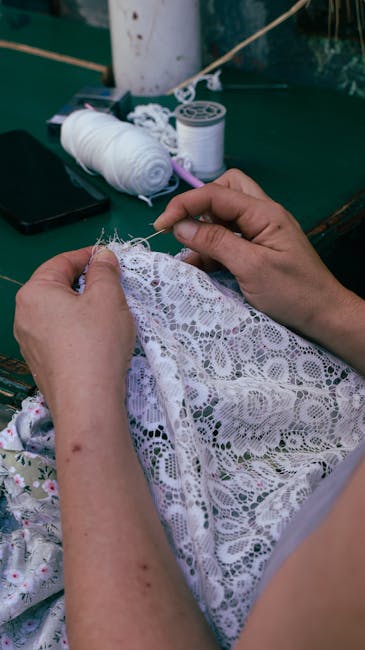





Introduction — Lace and Textiles: Discovering Piedmont’s Fabric Soul
Piedmont, in northwestern Italy, is often praised for its wines, rolling hills and cuisine. Less talked about but equally central to its identity is the region’s textile tradition — lace, embroidery, silks, industrial weaving and artisan tailoring — which tells centuries of social history, industrial innovation and regional aesthetics. From the delicate Valenciennes and Chantilly-style laces made in country workshops to the large urban mills that built the wealth of towns like Biella, Alessandria and Turin, fabric and lace are markers of a collective memory. This guide aims to help you discover, visit and understand Piedmont’s clothing heritage: the places where weaving still happens, the museums holding exceptional archives, the workshops teaching traditional techniques, and the shops where you can buy unique pieces or faithful reproductions.
You’ll find exact addresses, opening hours, admission prices and immersive descriptions so you can actually plan your visit. Whether you’re a fashion professional, researcher, curious traveller or lover of fine textiles, this guide gives you an itinerary that blends history, hands-on practice and artisanal prestige. It will also explain how to spot quality (yarns, stitches, finishes), offer local tips for interacting with craftspeople, and propose ideas for responsible, sustainable purchases.
Piedmont is not one single style: every valley and town developed its own techniques. Mountain communities preserved folkloric patterns while industrial cities transformed textile production with machines and advanced garment systems from the 19th century onward. The region’s textile story is also an economic one: family-run mills that became multinationals, worker cooperatives and independent artisan ateliers. Exploring this landscape helps you understand how materials — yarn, silk, linen, wool — shaped livelihoods, trades and urban landscapes across Piedmont.
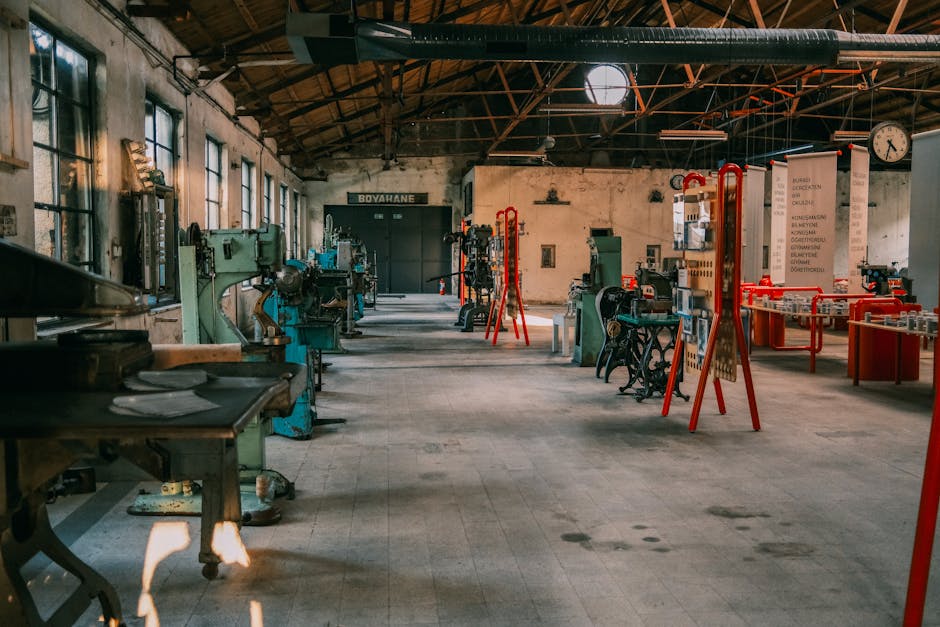
To enrich the reading, this guide includes visual cues (image placeholders) to help you picture the places and pieces: high-end shopfronts, wooden looms, white laces on velvet, museum façades and old workshop interiors. You’ll also find practical recommendations: best times to visit, contacts for ateliers that accept visitors, indicative prices for a lace workshop or a silk item, and tips for bringing home an authentic souvenir without falling into tourist traps.
Whether you’re planning a themed weekend, a research residency or simply a cultural stroll, this guide will help you organise your textile route through Piedmont. Get ready to smell steam-heated wool, hear the click of looms and touch embroideries whose fineness represents hours of patience. The common thread? A local passion for material and aesthetic excellence that still inspires contemporary designers and makers.
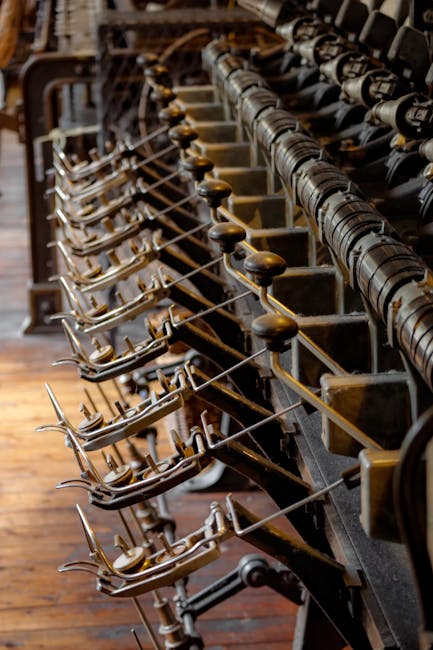
1) Biella: Historic Textile Capital — Museums, Converted Mills and Contemporary Studios
Biella is often called Piedmont’s “textile capital.” Nestled at the foot of the mountains between valleys and rivers, the town built its prosperity on wool and weaving. To get a feel for this heritage on site, start at the Museo del Territorio Biellese, which houses collections, archives and temporary exhibitions about the area’s industrial and textile history.
- Museo del Territorio Biellese
Address: Via Quintino Sella 38, 13900 Biella BI, Italy
Opening hours: Tuesday–Sunday 09:00–18:00, closed Mondays (hours may vary in summer)
Price: General admission €7.00; reduced €4.00; free for children under 6
Description: Housed in a historic building, the museum includes a textile section with looms, samples, mill catalogues and workshop photographs. Panels explain processes like wool refining, carding, spinning and the mechanisation of weaving. There’s also a room dedicated to contemporary designers reinterpreting local traditions. - Lanificio Zegna (exhibitions and showroom visits)
Address: Via Carlo Emanuele III 20, 13900 Biella BI, Italy (showroom and visit locations vary — book ahead)
Opening hours: Visits by appointment Monday to Friday 10:00–16:00
Price: Guided factory/showroom tours €15.00–€35.00 depending on length; some private workshops require a minimum purchase for a visit
Description: While parts of the Zegna manufacture are private and by appointment, tours let you observe luxury cloth weaving, wool card sample displays and finishing techniques. Staff explain how to choose wool based on drape and durability.
Walk around the old mill quarter where many industrial buildings have been repurposed into designer ateliers, galleries and shops. You’ll find artisans offering hands-on sessions: beginner table-loom weaving (around €30–50 for 2 hours), Piedmontese embroidery workshops (€50–120 for a half-day), and needle-lace demonstrations. These are often listed by local tourist offices or on artisans’ Facebook pages.
Local tips: book guided visits at least two weeks ahead, especially in high season (May–September). If you want raw wool or rare skeins, visit Filati di Biella — shop and warehouse (Via Italia 12, 13900 Biella, opening hours 09:00–13:00 / 15:00–19:00, closed Sundays, skeins €6.00–45.00 depending on quality). Shopkeepers are happy to advise on wool care: hand-wash in cold water, dry flat and lightly iron on the reverse to protect fibers.
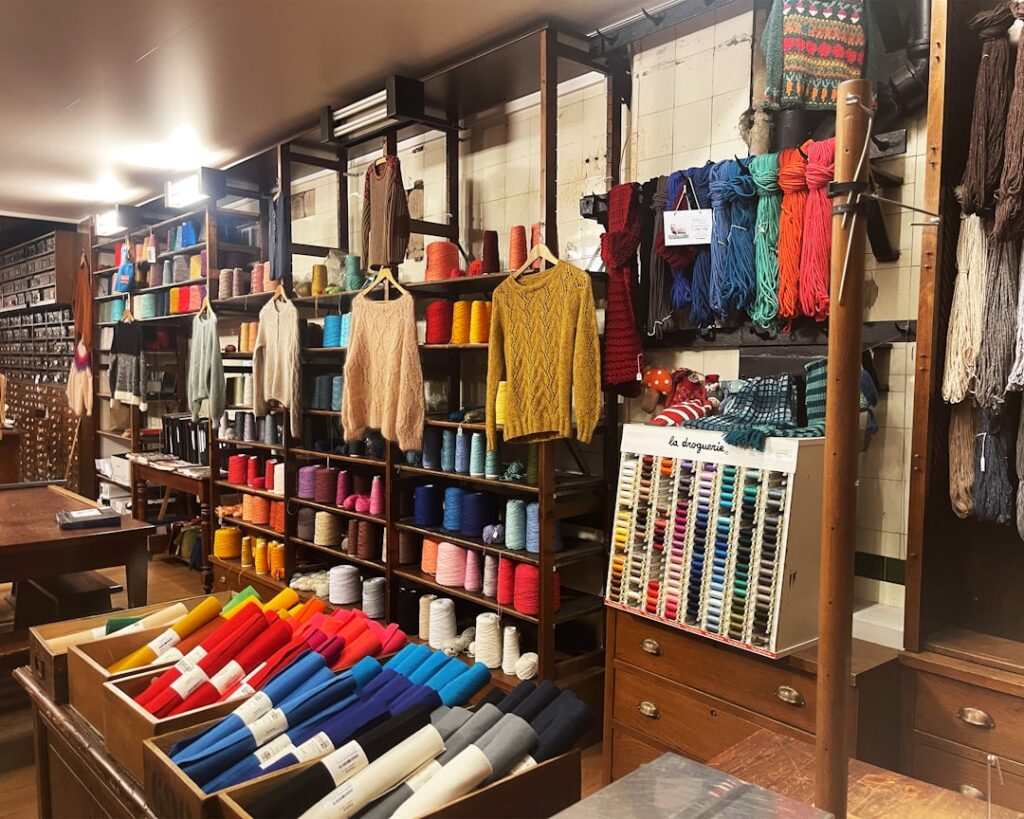
2) Turin: Fashion Fairs, Museum Collections and Textile Conservation Labs
Turin, the regional capital, offers a broad roster of institutions focused on clothing and textiles. Between royal palaces, national museums and small specialist galleries, Turin hosts historical and contemporary collections that shed light on Piedmontese fashion and its European influences.
- Palazzo Madama – Museo Civico d’Arte Antica (textile collections)
Address: Piazza Castello 10122 Torino TO, Italy
Opening hours: Daily 10:00–18:00 (closed Mondays in low season; check official site)
Price: General admission €8.00; reduced €5.00; audio guide €3.00
Description: Beyond its fine art displays, Palazzo Madama has a textile section featuring embroideries, liturgical textiles and period garments. Exhibits illustrate embroidery techniques used from the 16th to 19th centuries and the influences of the Piedmontese court. - Museo Nazionale del Risorgimento Italiano — costume annexes and textile archives
Address: Via Accademia delle Scienze 7, 10123 Torino TO, Italy (main entrance at Piazza Castello)
Opening hours: Tuesday–Sunday 09:30–18:00; closed Mondays
Price: €7.00 general admission; reductions for students and seniors
Description: The museum preserves uniforms, period fabrics and military accessories that document 19th-century menswear and the textiles used at the time. Panels detail dyes and the local Piedmont suppliers. - Laboratorio di Restauro Tessile (Fondazione Torino Musei)
Address: Centro di Restauro, Via Borgaro 11, 10122 Torino TO, Italy
Opening hours: Visits by appointment only, Monday to Friday 09:00–16:00
Price: Technical guided visits €20.00–€40.00 depending on length; reservation required
Description: This conservation lab restores fragile items: carpets, historic costumes and lace. Tours reveal microscopes, climate-controlled rooms and consolidation techniques. Conservators explain cleaning protocols, thread stabilization and choices of support materials.
Turin also hosts temporary events such as vintage textile fairs and designer exhibitions. The local “Fiera della Moda” and some private trade shows offer sample sales and designer pieces. For quality fabrics, stop by Merceria Moderna, a specialist shop (Via Garibaldi 23, 10122 Torino TO, opening hours 09:00–19:00 except Sunday, ribbons, lace and fabrics from €2.50/m up to €120.00/m for fine materials).
Practical tip: pair a museum visit with a beginner class in Venetian stitching or local piqué techniques, often run by cultural associations (price €30–80 depending on length). If you need items restored, ask for a written estimate including preliminary testing; Turin workshops’ turnaround can range from 2 weeks to 6 months depending on complexity.
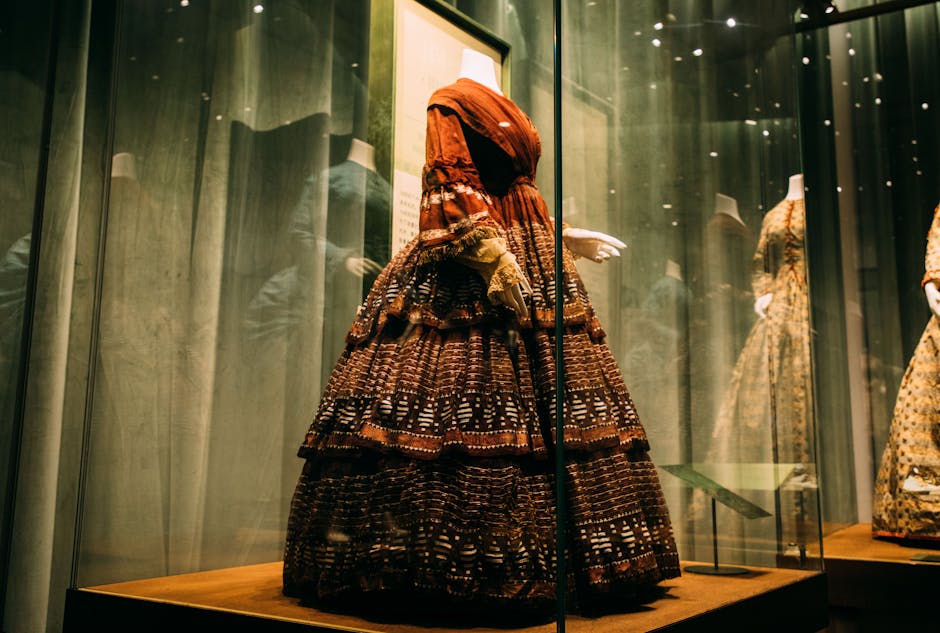
3) Alessandria and the Art of Hats and Lace: Industrial Heritage and Local Craftspeople
The province of Alessandria combines varied clothing traditions: hat-making, lace and light industry. The best-known example is the Borsalino hat company, a symbol of Italian know-how in felt and wool hat production. Around that heritage, lace workshops and small manufactories preserve artisanal practices.
- Museo del Cappello Borsalino
Address: Via Ferdinando Borsalino 1, 15121 Alessandria AL, Italy (check signage and access; parts of the site may be visit-by-appointment)
Opening hours: Guided visits by reservation Tuesday–Saturday 10:00–17:00; some temporary exhibitions open continuously
Price: Guided visit €12.00; visit + educational workshop €25.00 for adults (prices vary by program)
Description: The museum traces the brand’s history and the felt hat-making process. Machines for felting, molds, finishing stages and iconic hats worn by 20th-century personalities are on display. - Casale Monferrato Lace Workshop (Laboratorio di Merletto)
Address: Corso Valentino 12, 15033 Casale Monferrato AL, Italy
Opening hours: Tue–Fri 09:00–13:00 / 15:00–18:00; weekend workshops by reservation
Price: Introductory lace workshop (2 hours) €35.00; intensive course (3 days) €180.00; lace pieces from €20.00 depending on complexity
Description: A workshop where lacemakers teach bobbin and tombolo techniques. Visitors can see traditional motifs, white ceremonial laces and restored items. Instructors explain the technical vocabulary (shawl, “rosette” motif, picot edging).
In Alessandria you can continue exploring artisan shops and local markets offering corozo buttons, silk ribbons and hand-spun wool. Saturday markets are great for finding artisan skeins (prices €8–20 depending on weight). Small family workshops often give free demonstrations: don’t be shy — curiosity is warmly welcomed.
Local advice: if the weather is uncertain, prioritise indoor workshop visits. If you want a bespoke piece (hat, wool coat), allow 4–8 weeks for production. For lace, bring a notebook and pencil — patterns are copied and learned visually. To preserve antique textiles, locals recommend storing items in cotton covers and avoiding exposure of wool to direct sunlight.
4) Valleys and Villages: Peasant Laces, Folklore Motifs and Textile Markets
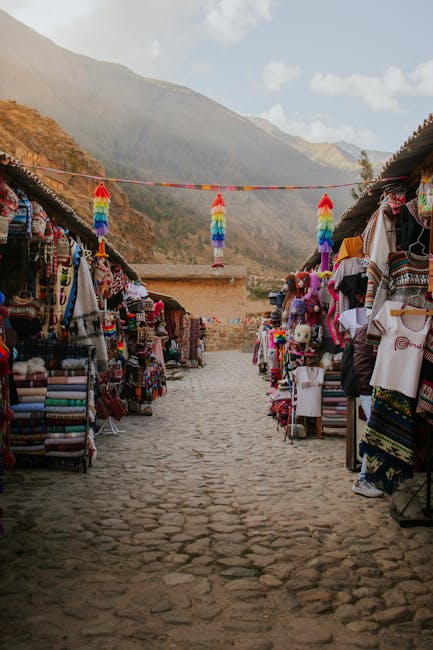
Beyond the big towns, Piedmont’s valleys (Canavese, Val Sesia, Val di Susa) have preserved rural lace and embroidery traditions often linked to local festivals and folk costume. These regional textiles reveal a vocabulary of motifs — stars, clovers, waves — passed down through generations.
A stop in these villages will introduce you to small family workshops and local museums. Here are some reference points:
- San Maurizio Canavese — embroidery studios and craft shops
Address: Via Roma 45, 10077 San Maurizio Canavese TO, Italy
Opening hours: Artisan shops typically 09:00–12:30 / 15:30–19:00, hours vary seasonally
Price: Custom embroidery €25.00–80.00 depending on complexity; embroidered scarves €40.00–180.00
Description: San Maurizio hosts several workshops where embroiderers work traditional motifs on linen and cotton. Rural design blends with baroque influences inherited from local churches. - Valle di Susa — artisan markets and seasonal fairs
Locations: Local market locations vary by season; main markets take place in Susa (Piazza San Giusto) on Sunday mornings during seasonal events
Opening hours: Sunday markets 08:00–13:00; seasonal fairs as scheduled locally
Price: Small textile items €5.00–30.00; reissued folk pieces €50.00–200.00
Description: Mountain fairs showcase embroideries, woven belts and basic wool items. Sellers happily explain the origins of their techniques and the materials used (local sheep wool, natural dyes).
During patron saint festivals you can often see parades in traditional costumes where lace appears on collars, sleeves or scarf edges. Watching these events lets you see textiles in real-life use — worn, washed and altered — and helps you understand their social function: signaling belonging, status or season.
Practical tips: if you want to learn a local motif, ask cultural associations about short workshops (prices €20–60 depending on length). For purchases, haggle politely at markets; a fair price is often between 70% and 90% of the listed amount if you buy several items. And when photographing artisans, always ask permission and consider making a small purchase or offering a symbolic contribution to show appreciation.
5) Buying and Caring for Textiles: How to Spot Quality, Buy Responsibly and Pack Your Finds
Buying a textile in Piedmont can be a responsible, sustainable act if you know how to identify quality and origin. Here are practical criteria and concrete recommendations for purchases, plus care tips so your pieces last.
How to recognise quality:
- Fiber: merino wool and silk are reliable quality markers; check labels or ask about origin (Italy, Biella or Alpine areas for mountain wool).
- Weave: a tight, even weave indicates durability. Feel the fabric: good wool is dense yet supple to the touch.
- Finishes: neat seams, reinforcement threads and cotton or silk linings in garments signal careful workmanship.
- Lace and embroidery: look at the reverse. A tidy back means manual workmanship of quality. Stitches should be even with no visible knots.
Where to shop with confidence:
- Museum shops: many museums (Biella, Turin) sell reissues and specialist books (prices €10–150 depending on the item).
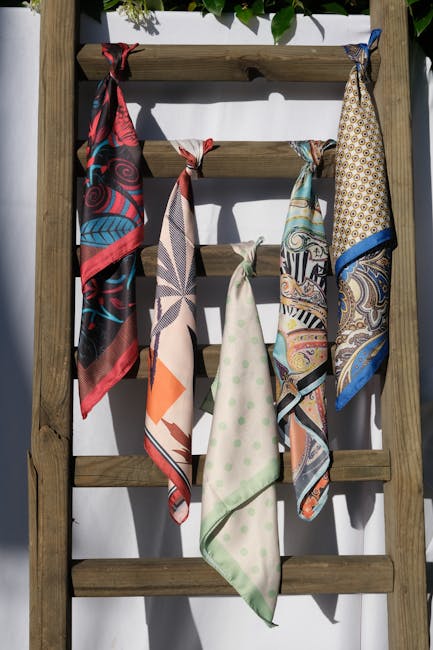
- Workshops and guilds: buying direct from producers (scarves €40–200, embroidered tablecloths €80–350 depending on size).
- Specialised markets: ideal for skeins, buttons and haberdashery (fair prices, bargaining possible).
Transport and customs tips:
- Packing: fold textiles in tissue paper and place them in a rigid cover to avoid deep creases. Hats need to keep their shape: use a hat box.
- Non-EU purchases: if you’re travelling outside the EU, ask the seller for a receipt and the tax refund form if eligible.
- Insurance: for expensive pieces (over €500), consider insuring your luggage or shipping items via a specialist carrier.
Long-term care:
- Storage: use breathable cotton covers; avoid airtight plastic that traps moisture.
- Light protection: keep items out of direct light to preserve colours and fibers.
- Cleaning: treat stains quickly with gentle products; for antiques, entrust cleaning to a conservator.
Final advice: favour local, Piedmont-made items to support the regional artisanal economy. If you want a bespoke piece, get a written estimate, timeline and list of materials (type of wool, fibre percentages, lining). Building a lasting relationship with a craftsperson can later give you access to unique pieces and tailored care advice for each fibre.
Conclusion — Between Thread and Memory: Why Piedmont’s Textile Heritage Deserves Your Attention
Piedmont’s textile heritage is both intimate and monumental: intimate because it’s woven into family workshops, in hands that learn stitches and patterns from childhood; monumental because it shaped whole urban landscapes and drove industrial innovations across Europe. From Casale Monferrato’s lace studios to Biella’s manufactories, from Turin’s conservation labs to valley markets, every visit offers a lesson in patience, ingenuity and aesthetics.
Exploring these places, you don’t just see fabrics: you meet family memories, company histories, economic shifts and contemporary ecological choices. Buying or learning to sew, weave or embroider in Piedmont means taking part in the continuation of a craft. It can also lead to a personal relationship with an artisan who can make you a bespoke, meaningful, durable piece.
To make the most of your exploration: plan ahead, book workshops and guided tours, allow time for small towns where artisans keep their shops, and don’t hesitate to ask technical questions. Conservators will explain why one cleaning method is preferred, lacemakers will teach you the basics of a stitch you can try at home, and wool vendors will point you to the right fibre for your project.
Finally, remember that every thread tells a story: that of a sheep raised on a Piedmont hill, a dye made from a local plant, a machine started up a century ago, or a young designer reworking a traditional motif for today’s scene. Bringing home a scarf, a tablecloth or a small piece means carrying a fragment of that story. And if your trip inspires you, consider returning for a longer course: learning a lace stitch or mastering the basics of weaving changes how you see garments — no longer as mere accessories, but as the result of living human labour.
Safe travels through Piedmont’s threads and lace: let the textures move you, the sound of looms guide you and the patience of skilled hands lead the way. They’ll tell you about beauty and resilience, and give you the keys to appreciate — and help preserve — a heritage worth knowing and passing on.