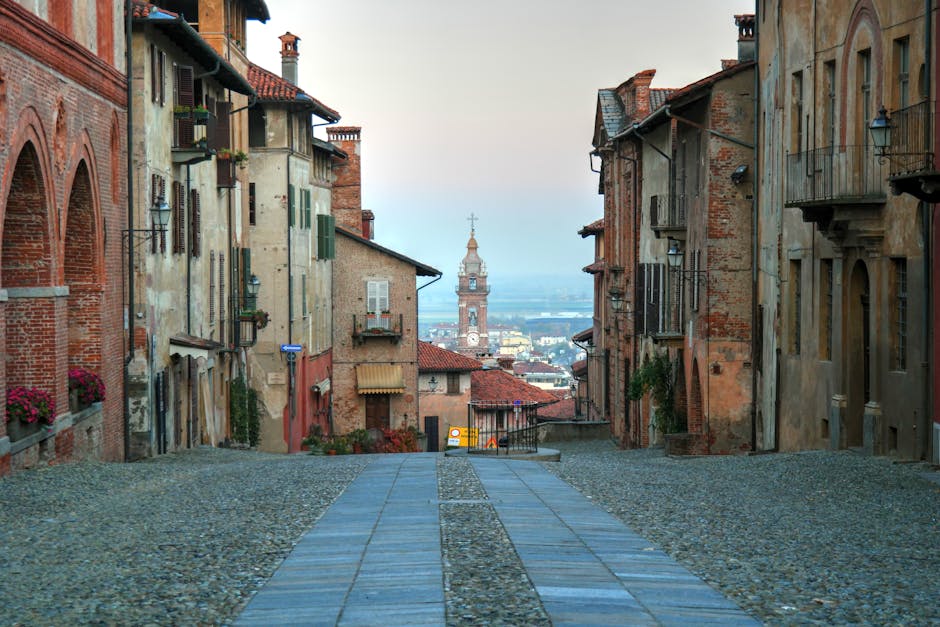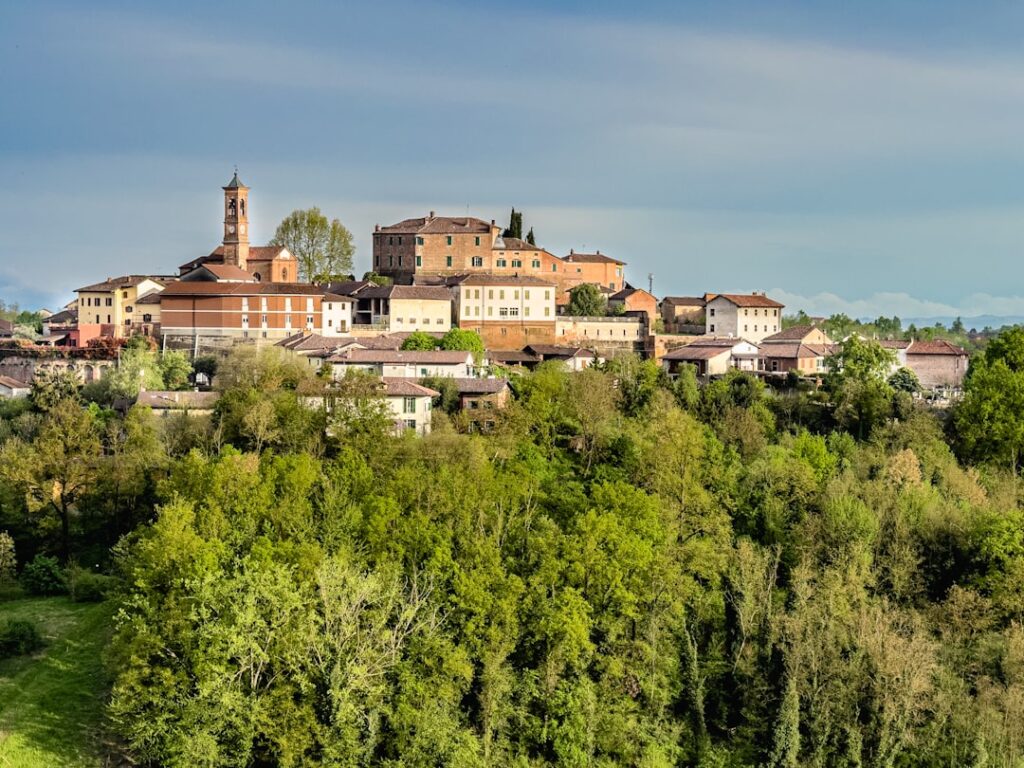






Introduction: The Magic of Morning Markets in Piedmont Villages
Piedmont, the region at the foot of the Alps, is famous for vine-covered hills, prized white truffles, rich cheeses and villages where time moves at a gentler pace. At the heart of this landscape are the morning markets that bring village squares and narrow streets to life each week: colorful stalls, lively banter, and a heady mix of fresh bread, herbs, coffee and damp earth scents. These markets are more than places to shop — they are social hubs, sources of local information and showcases for artisanal products.
This guide walks you through the art of shopping at a Piedmont market: how to get around, what to buy, how to haggle respectfully and where to spot the must-have items. We explore several iconic towns — Alba, Bra, Barolo, La Morra, Neive, Mondovì, Asti and Cuneo — giving exact locations, typical hours, price indications and practical tips. Each market has its own character: Alba’s abundance of truffles in autumn, Bra’s matured cheeses and cured meats, and the friendly village markets in Barolo and La Morra where winemakers pique visitors’ curiosity.
For visitors, taking part in a Piedmont morning market is a full sensory experience: you’ll see crates piled high with peaches and pears, catch the strong aroma of Tuber magnatum (white truffle) when it’s in season, taste local health foods like toma piemontese, and hear Piedmontese dialects punctuating the negotiations. Markets usually run in the morning, roughly from 7:00 to 13:00 — the cooler hours preserve product quality and producers are available to explain their methods.
In this guide I list markets with their exact addresses, give realistic price ranges in euros, offer typical opening times and share local tips to make the most of your visit: when to arrive, how to choose a truffle, which cheeses to prioritize, how to pack a bottle of Barolo and how to respect local customs (for example, be punctual, avoid over-handling fragile items and strike up a conversation). The details below will help you plan memorable morning outings, whether you’re making a short trip to Alba for white truffles or doing a multi-day tour of the Langhe and Monferrato market season.
Finally, these markets are a gateway to understanding Piedmontese culture: the local economy, the importance of terroir and the pride of producers who generously share the fruits of their labor. Bring a reusable bag, carry cash (many small producers accept only cash), and keep a respectful curiosity: Piedmont’s morning markets will open their doors to you — often with a smile and a shared plate.
Alba — The Truffle Capital and the Weekly Market
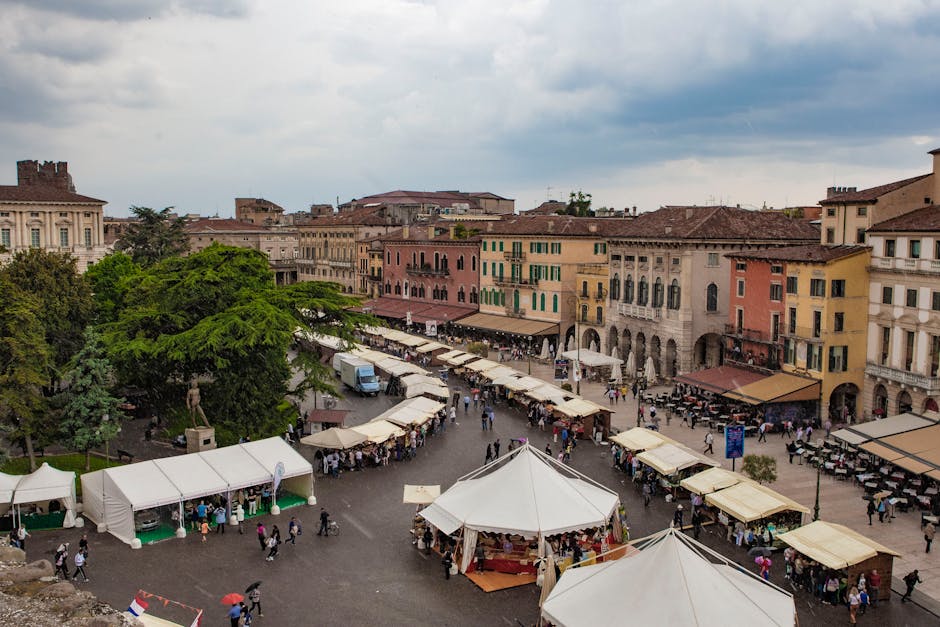
Alba, in the heart of the Langhe, is often seen as Piedmont’s gastronomic capital. The main draw, especially in autumn, is the market centered on the white truffle (Tuber magnatum). Alba’s weekly market takes place mainly on Piazza Risorgimento, 12051 Alba CN, Italy and the surrounding streets like Via Vittorio Emanuele II.
Hours: the market typically starts at 7:00 and winds down around 13:00. Some fresh produce stalls and caterers stay open until 14:00. Price guide: a small white truffle (20–30 g) can cost between €80 and €200 depending on season and quality; finer or larger truffles can reach €400 to €1,500 per kilogram in peak season. Toma piemontese, a regional cheese, sells for around €12 to €20 per kilogram depending on ageing. Punnets of local raspberries or strawberries usually go for €3 to €5 (250 g).
Immersive description: arriving in Alba you first notice notes of roasted coffee mixed with stronger hints of cheese and the earthy underground scent of truffles. Vendors lay out their goods on wooden boards and crates, presenting carefully selected products. Truffle specialists often run a small distinctive stall with old scales and a truffle-hunting dog nearby. Local chefs and restaurateurs come early to pick the most remarkable pieces.
Local tips: arrive between 7:00 and 9:00 to get the best choice. If you plan to buy a truffle, ask where it comes from and request to see it in paper or a box without over-handling it. Bring cash: many truffle and artisanal product sellers prefer cash payments. Also visit the Consorzio del Tartufo Bianco d’Alba shop for reliable information and, in season, tastings. Useful address: Palazzo Comunale, Piazza Risorgimento, 12051 Alba CN, Italy.
Bra and Cuneo — Cheeses, Cured Meats and Covered Markets
Bra, known for its food scene, and Cuneo, a major provincial city, offer morning markets blending tradition and modernity. In Bra the market centers around Piazza Carlo Alberto, 12042 Bra CN, Italy, while in Cuneo the market heart is often near Piazza Galimberti, 12100 Cuneo CN, Italy, with a covered market hall for fresh produce.
Hours: markets open from 7:00 to 13:00 on weekdays; some days (especially Saturday) are busier and can run until 14:00. Prices: a kilo of artisanal salami is around €15 to €25; a mixed cheese platter (200–300 g) for tasting can cost €6 to €10. Slices of coppa or culatello may be priced at €30 to €50 per kilogram depending on quality.
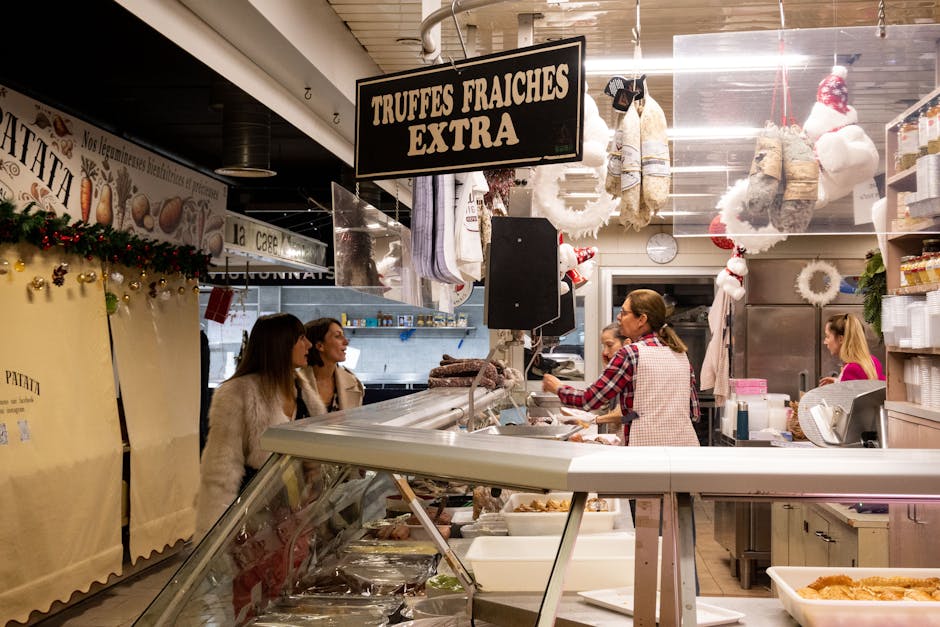
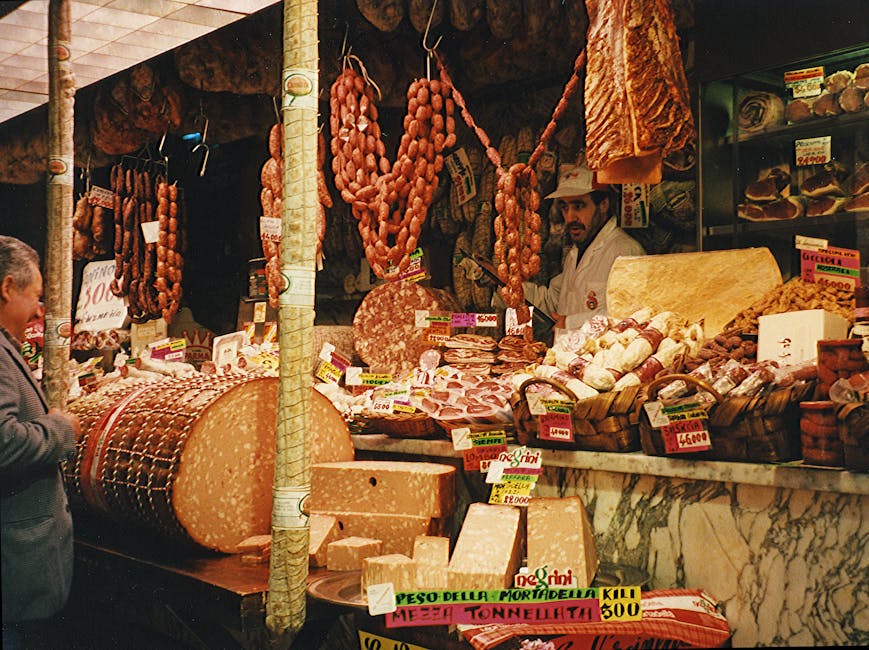
Immersive description: in Bra the market is a meeting place where producers mingle with restaurateurs. Stalls overflow with jars of honey, artisan jams (about €6 to €10 per 250 g jar) and rustic loaves baked in traditional ovens (€3 to €5 per loaf). The smoky scent of cured meats dominates near charcuterie stands, with long strings of sausages hanging in view. In Cuneo the covered market gives a more weather-proof experience: fishmongers, seasonal vegetables, cheeses and herbalists create a sensory patchwork.
Local tips: always taste before you buy if the vendor allows it — most cheesemongers and butchers offer small samples. Bring a soft cooler if you’ll be carrying cheeses for more than a few hours. Bra’s markets are especially lively on Saturday mornings; aim to park early or use peripheral car parks.
Barolo, La Morra and Neive — Markets Amid the Vineyards
Wine villages in the Langhe such as Barolo, La Morra and Neive host morning markets that complement the local wine scene. These smaller but high-quality markets take place on historic squares: Piazza Falletti, 12060 Barolo CN, Italy in Barolo, Piazza Castello, 12064 La Morra CN, Italy in La Morra, and Piazza Italia, 12050 Neive CN, Italy in Neive.
Hours: most village markets open from 8:00 to 12:00 in the morning; Sundays can be quieter, while Saturday mornings are often the highlights. Prices: a bottle of decent Barolo DOCG directly from a smaller producer can start at about €20, rising to €40–€70 for more renowned cuvées; paid cellar tastings often begin at €10 per person for a guided visit with three pours.
Immersive description: these markets breathe the harmony of land and vine. Stalls sell local olive oils (about €8 to €18 for 500 ml), preserved vegetables, handmade pasta (€3 to €5 per pack) and jars of sweet caramelized mild peppers (€5 to €8). Wine producers sometimes mingle with stalls, offering mini tastings or signed bottles. You’ll often see farmers with grape-stained hands passionately explaining their vinification methods.
Local tips: if you want to bring wine home, ask if the producer offers shipping — many will send cartons across Europe for about €15 to €30 depending on destination. Buy a terroir product like a jar of preserved porcini (about €6 to €12) or a box of homemade tajarin (egg pasta) to keep the memory alive. For photographers, markets with the Langhe hills in the background make perfect sunrise compositions.
Asti and Mondovì — Rural Markets and Monferrato Produce
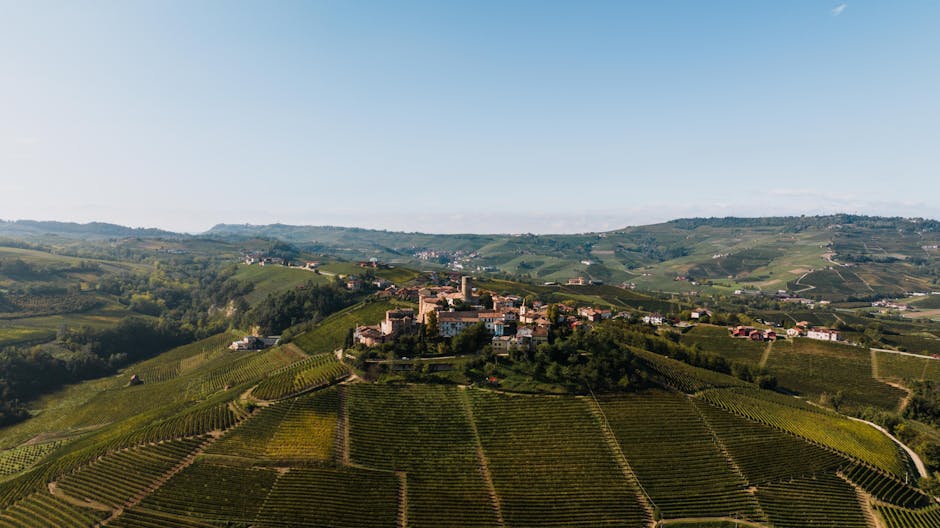
Monferrato, the eastern part of Piedmont, is known for its vine-covered hills and medieval villages. Asti, with its long wine history, holds markets in Piazza Alfieri, 14100 Asti AT, Italy, while Mondovì’s main market takes place at Piazza Maggiore, 12084 Mondovì CN, Italy. These markets focus more on vegetables, preserves and fruit-based artisanal products.
Hours: morning markets typically run from 7:30 to 12:30, with special emphasis on Wednesdays and Saturdays. Prices: a 2 kg box of local apples (Pavia or Renetta varieties) usually costs €3 to €5; a jar of quince or fig jam runs between €4 and €8. Farm-raised ready-to-go roast chickens are usually €8 to €12 each depending on weight.
Immersive description: Asti’s market has a provincial atmosphere: older locals chat on stone benches, children nibble taralli bought from a street vendor and birds sing from the trees around the square. In Mondovì stalls are often run by families selling farm produce: jars of homemade ratatouille, bags of cornmeal for polenta (€2 to €4 per kg) and hand-tied bunches of herbs (€1 to €2).
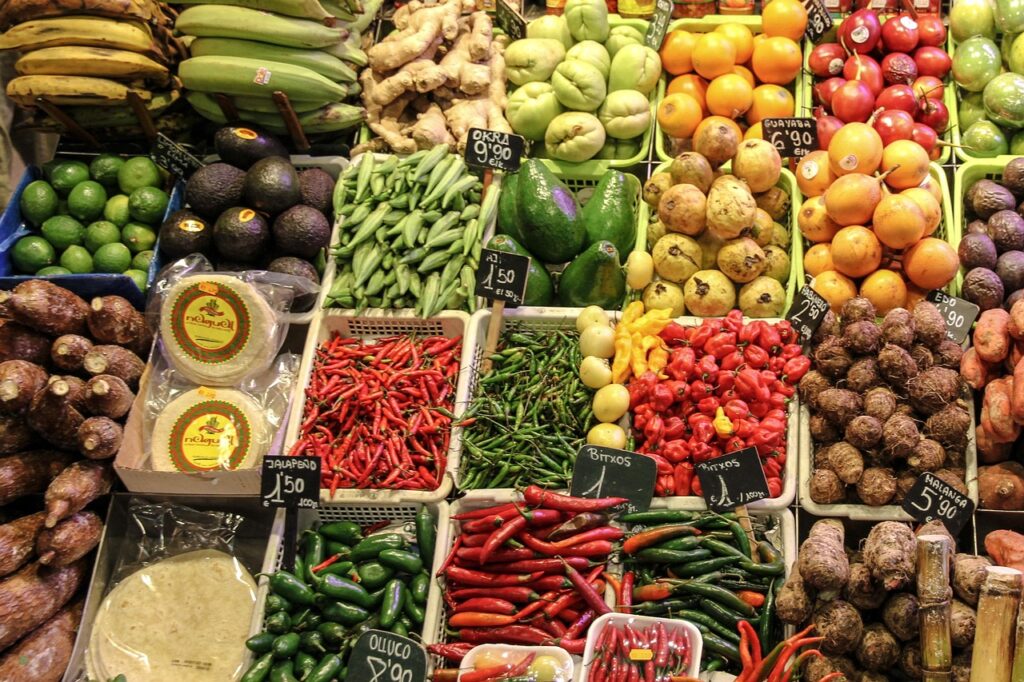
Local tips: in Monferrato favor seasonal products and ask precisely where they come from — farmers are proud to tell you if their vegetables were grown just a couple of kilometres from the village. Bring a cooler bag for fragile items and arrive early to beat the post-9:30 rush of locals. If you’re travelling by train, Asti has convenient rail links and the market is within walking distance from the central station.
Practical Tips for Visiting Piedmont Morning Markets
- Best time slot: 7:00–9:30 for the best selection and the most direct interactions with producers.
- Cash: bring notes and coins — many small producers only accept cash.
- Carrying your purchases: bring a cooler bag for cheeses, pastries or truffles; a rigid box or foil protects wine bottles.
- How to taste: ask for a small slice or a tasting note — most vendors are happy to share a bite.
- Local etiquette: don’t crush fragile produce and ask permission before photographing people.
- Parking: arrive early to secure a spot; prefer municipal car parks over blocking narrow streets.
- Language: Italian is the norm; a warm welcome often comes from a few words like « Buongiorno » and « Grazie. »
Conclusion: How to Enjoy and Respect Piedmont Markets
Piedmont’s morning markets are far more than trading spots: they are cultural institutions, living stages where terroir, seasonality and conviviality are on display. Wandering through Alba, Bra, Barolo, La Morra, Neive, Asti, Mondovì and Cuneo you’ll find a wide range of products — truffles, cheeses, cured meats, wines, breads and preserves — each carrying a family or community story. Markets generally open in the morning (7:00–13:00 or 7:30–12:30); prices vary by quality and rarity (expect to pay high sums for white truffles), and central addresses are often historic squares where the atmosphere truly comes alive.
Taking part in these markets requires a bit of preparation: come early, bring cash, pack for fragile goods and above all be curious and listen. Vendors love to tell the story of their products, the weather that shaped the harvest, or the family recipe behind a jam or pasta. Those stories add depth to your purchase — it’s not just a bottle of wine, it’s a bottle that tells of a season, a grape and local know-how.
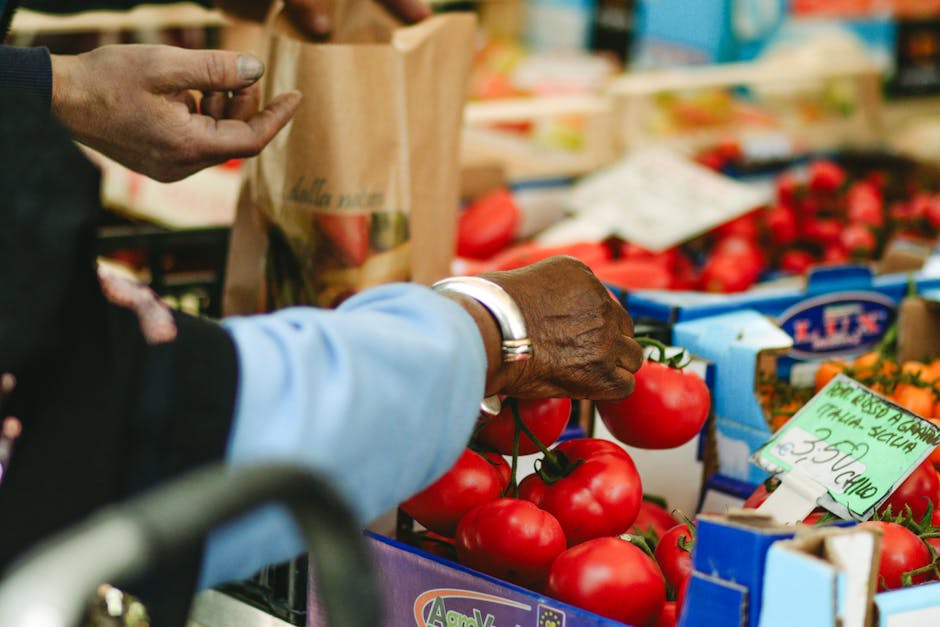
Keep in mind that each season transforms the markets: spring brings asparagus and wild herbs, summer overflows with juicy fruits and tomatoes, autumn is mushroom and truffle season, and winter showcases preserved goods and cured meats. Visiting multiple times lets you appreciate these seasonal shifts and build lasting relationships with producers whose advice can extend the market magic into your kitchen at home.
When you leave, take home a tangible memory: a jar of local honey (€6–€12), a bottle of Barolo bought directly from the cellar (€20–€70), or a small piece of aged cheese (€12–€20/kg). These purchases are tokens of a generous land and the authentic bond between producers and visitors. Piedmont’s morning markets invite you to slow down, listen, taste — and above all to respect a way of life locals preserve with pride.