





Introduction — Chestnut Festival in Piedmont: experiencing autumn through flavor, walks and tradition
Autumn in Piedmont (Piemonte) unfolds as a festival of colors, aromas and tastes centered on a humble, essential fruit: the chestnut. The « Festa della Castagna » is more than a food fair; it’s a celebration of mountain woods, rural know-how and convivial moments where families and visitors sample local produce. In this guide I’ll take you to the festivals, the picking trails, the grilled chestnut stalls and the tables where chestnuts are turned into flour, pastries and warming drinks. Expect detailed descriptions of places, exact addresses, entrance and tasting prices, opening hours and practical tips to plan a successful autumn getaway.
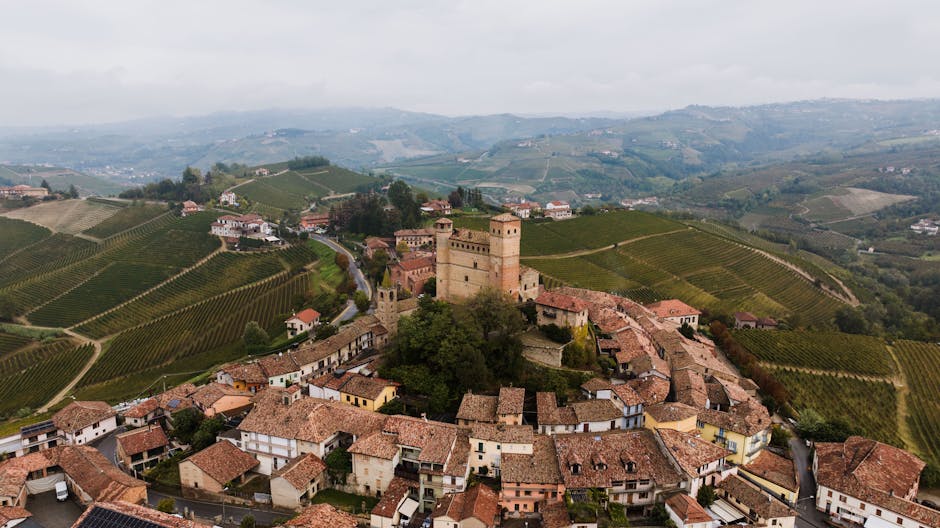
Piedmont is vast: from the Langhe hills to the alpine valleys of the Cuneo province, through the foothills of the Monviso and the forests of the Canavese. Each area hosts its own chestnut festival, sometimes a single day, sometimes spread across a whole weekend. In Alba and Bra the urban markets lend an elegant city touch; in mountain villages like Frabosa Sottana, Traversella or Govone the celebration is rustic, paced by falling leaves and glowing embers.
This guide is aimed at travelers who want to combine woodland walks, friendly tastings and scouting local producers. You’ll find walking routes, precise addresses (town halls, main squares, castles), average prices for a portion of grilled chestnuts or a fair entry, and typical opening hours to help plan your days. I also describe local preparations — marronata, caldarroste, castagnaccio, farina di castagne — and offer practical advice: footwear for muddy trails, etiquette for responsible picking, and tips for bringing home chestnuts and fresh products safely.
Finally, I give concrete pointers to enjoy the best autumn views, the most authentic stalls and small producers who keep ancestral recipes alive. Whether you’re after a family outing, a romantic escape or a gourmet weekend, the chestnut festival in Piedmont is a full sensory experience rooted in the landscape and local communities.
1. Where to go: the must-see chestnut festivals and villages in Piedmont
Start by checking the events that traditionally take place in the provinces of Cuneo, Torino and Asti. Here’s a selection of festivals with precise addresses, indicative opening times and recent entry prices. These events change year to year: check local tourist offices for exact dates, but plan for weekends in October and November.
- Festa della Castagna di Govone — Castello di Govone, Piazza Conte Verde 1, 12040 Govone CN. Hours: Saturday and Sunday 10:00–19:00. Entry: usually free; tastings from €3.00 per portion of caldarroste (grilled chestnuts). Description: held in the gardens and courtyards of Castello di Govone, this festival mixes artisan markets, roasting demonstrations and kids’ workshops. The baroque castle provides a theatrical backdrop for the stalls.
- Sagra della Castagna di Frabosa Sottana — Piazza XX Settembre, 12082 Frabosa Sottana CN. Hours: 09:00–18:00 during the main October weekend. Indicative price: free entry; typical festival menu €12.00–€20.00 depending on the plate (polenta with chestnuts, chestnut soup). Description: high-altitude festival with a mountain atmosphere; ideal for pairing a forest walk with an after-picking meal.
- Fiera della Nocciola e della Castagna di Cuneo — Piazza Galimberti, 12100 Cuneo CN. Hours: 10:00–20:00 over several days. Price: free; products sold by the kilo (chestnut flour €4.00–€8.00/kg depending on quality). Description: a large urban fair where producers and guilds showcase their goods, often accompanied by concerts and cooking demonstrations.
- Sagra della Castagna di Traversella — Piazza Vittorio Veneto, 10080 Traversella TO. Hours: 09:00–17:00 on the main October weekend. Price: free entry; caldarroste €2.50–€4.00 per portion. Description: Traversella is known for its chestnut woods; the festival is rustic and deeply traditional.
- Chestnut Market in Alba — Piazza Risorgimento, 12051 Alba CN. Hours: 09:00–18:00 during autumn events. Price: tastings and products range from €3.00 to €15.00 depending on the specialty. Description: Alba blends Piedmont’s refined gastronomy (truffles, wines) with chestnut stalls and pastries made from chestnut flour.
These festivals take place in very different settings: historic castles, village squares, cathedral forecourts and mountain forests. Each site offers distinct activities (« scottatura » contests — roasting techniques, kids’ workshops, local product fairs). For a full day, combine a cultural visit (for example, Castello di Govone) with a forest walk where you can often buy directly from producers.
2. Tastings and specialties: what to try and what it costs
Chestnuts in Piedmont undergo a rich culinary transformation: simple grilled chestnuts (caldarroste), jams, chestnut honey, castagnaccio (chestnut-flour cake), farina di castagne, chestnut liqueur and pastries. Here are detailed descriptions of what you’ll find at stalls, typical prices and tasting tips.
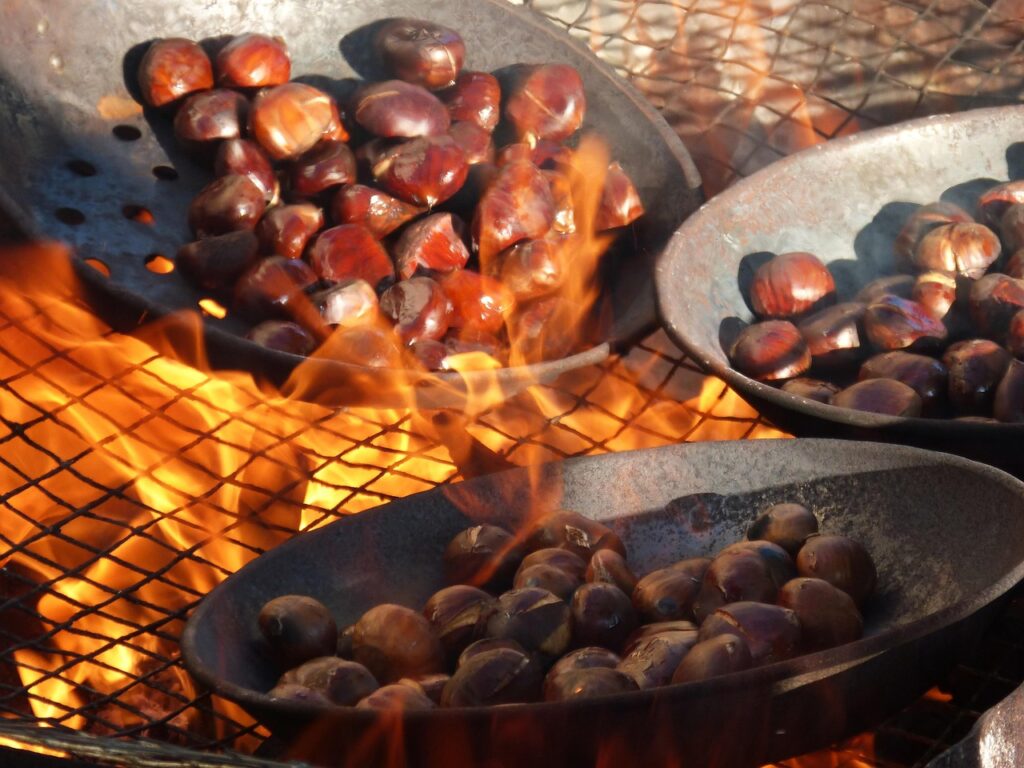
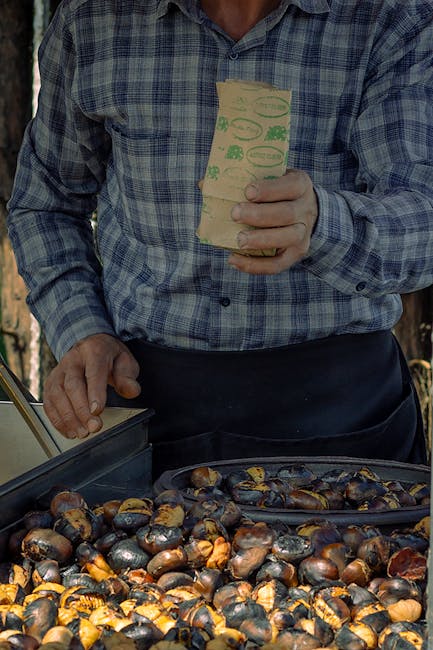
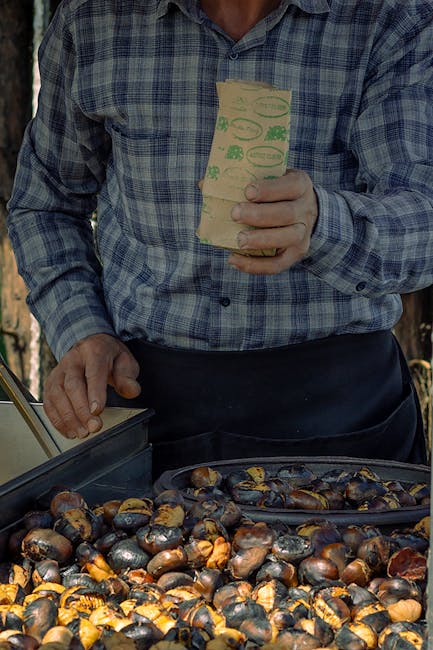
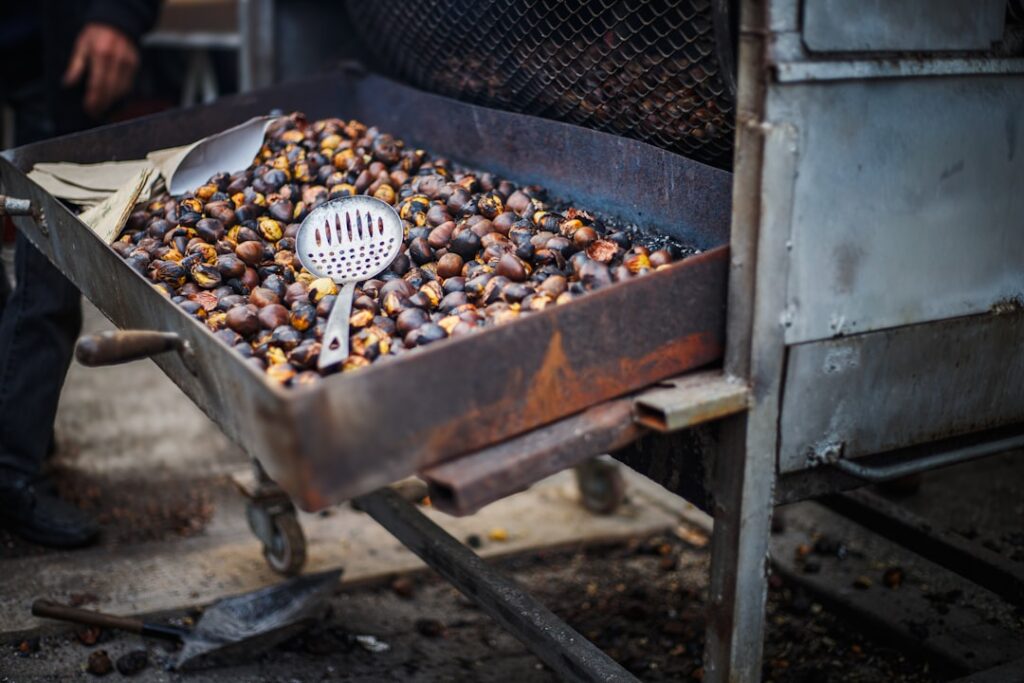
- Caldarroste (grilled chestnuts) — Found at virtually every festival. Price: €2.50–€4.00 per portion (about 200 g) sold in a paper cone. Description: roasted over hot embers, slightly charred skin, soft sweet interior. Tip: eat them hot, holding a chestnut by one end to avoid burning; the inner skin peels off easier if you make a small incision.
- Castagnaccio — Traditional cake made with chestnut flour, pine nuts and raisins. Price: €2.50–€6.00 per slice (varies with the festival’s atmosphere). Description: dense, lightly sweet, rustic texture; perfect with a glass of sweet local wine like Moscato d’Asti or a light red.
- Farina di Castagne (chestnut flour) — Bags from 500 g to 3 kg sold by producers. Price: €4.00–€8.00/kg depending on quality and certification. Uses: making breads, crepes (necci) and desserts; an excellent gluten-free alternative. Buying tip: look for the label « Farina di Castagne Tonda Gentile delle Langhe » for premium quality.
- Confetture e miele di castagna — Small artisanal jars. Price: €3.50–€7.00 for a 250 g jar. Description: thick jam with a woody, slightly bitter taste; chestnut honey is dark, intense and pairs well with aged cheeses.
- Local catering — Festival menus in trattorie and mountain refuges: chestnut-based dishes (polenta castañina, chestnut-flour risotto). Price: €12.00–€25.00 for a hearty menu including a main and dessert. Example: Trattoria della Castagna, Via Roma 12, 12040 Frabosa Sottana CN — festival menu €18.00 (starter, chestnut-based main, dessert, coffee).
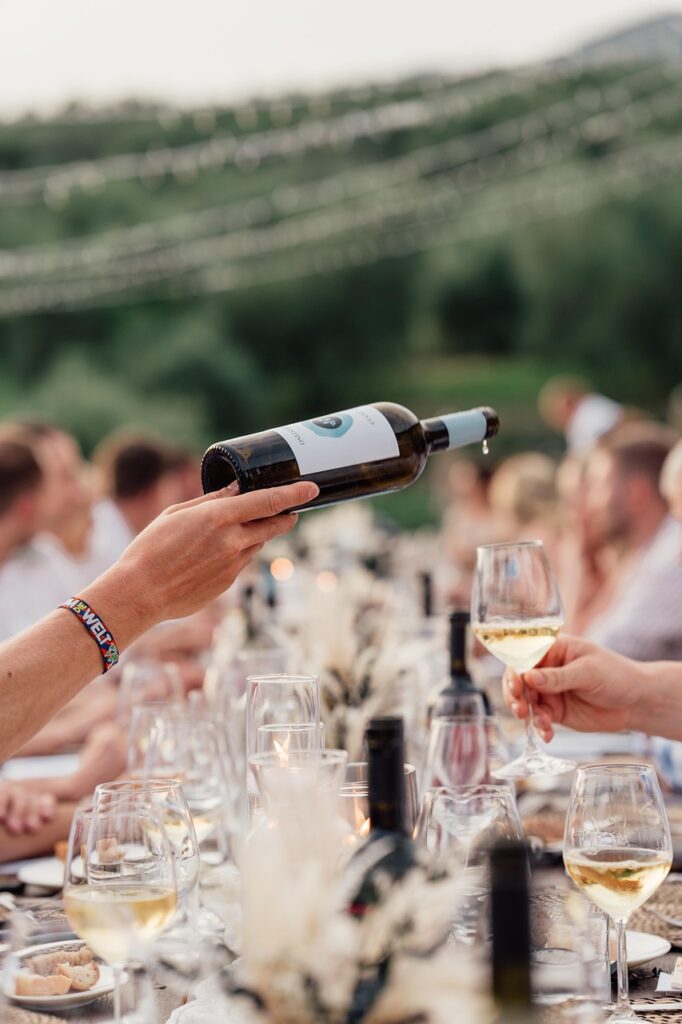
Taste at a steady pace: start with a warm soup or a polenta made with chestnut flour to warm up and prepare the palate, follow with a portion of caldarroste and finish with castagnaccio or jam on biscotti. For drink pairings, choose a local wine: Dolcetto d’Alba, Barbera d’Alba or a Moscato if you like sweet; for non-alcoholic options, chestnut tea (« tè alla castagna ») or a simple espresso make a good finish.
3. Woodland walks and picking: routes, maps, rules and safety
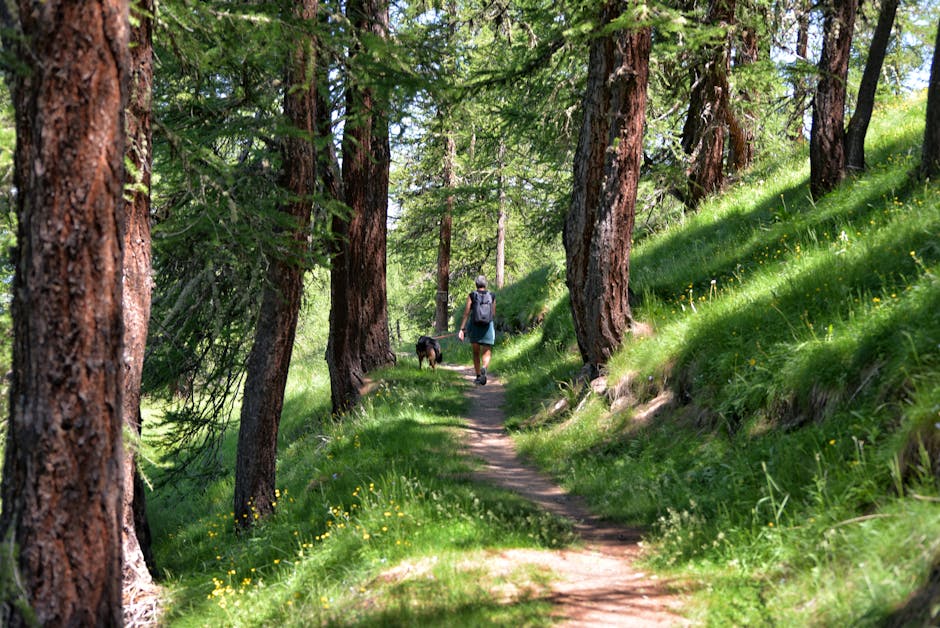
The real magic of the chestnut festival continues in the woods. Piedmont is home to castagneti (chestnut woods) accessible from the villages that host the festivals. Here are recommended routes, starting points, distances, difficulty levels and tips for responsible picking.
- Sentiero dei Castagni — Frabosa Sottana: start at Piazza XX Settembre, 12082 Frabosa Sottana CN. Distance: 5 km loop, 250 m elevation gain, estimated 2 h 30. Difficulty: easy to moderate. Description: a marked trail through mature chestnut undergrowth with informative signs about forestry. Tip: sturdy hiking shoes, trekking poles if needed, and water. Rules: picking allowed in small quantities for personal use; notify the municipality if you intend to harvest commercially.
- Parco Naturale del Marguareis — route from Traversella: starting point Piazza Vittorio Veneto, 10080 Traversella TO. Distance: options 6–12 km, suitable for experienced hikers. Description: alpine scenery with low-altitude chestnut groves. Tip: changing weather is common—bring a waterproof layer, a topographic map or GPS app.
- Walk around Castello di Govone: start at Castello di Govone, Piazza Conte Verde 1, 12040 Govone CN. Distance: family-friendly 3 km walk around the castle park. Description: shaded paths and viewpoints over the Langhe hills, perfect for kids. Tip: discreetly collect a few fallen chestnuts and respect private areas of the park.
Picking rules and ethics: don’t harvest on private land without permission; obey « proprieta privata » signs; avoid uprooting or damaging trees. For the wildlife, leave enough nuts for animals (squirrels, pheasants). If you’re photographing, be mindful of landowners and stick to marked trails.
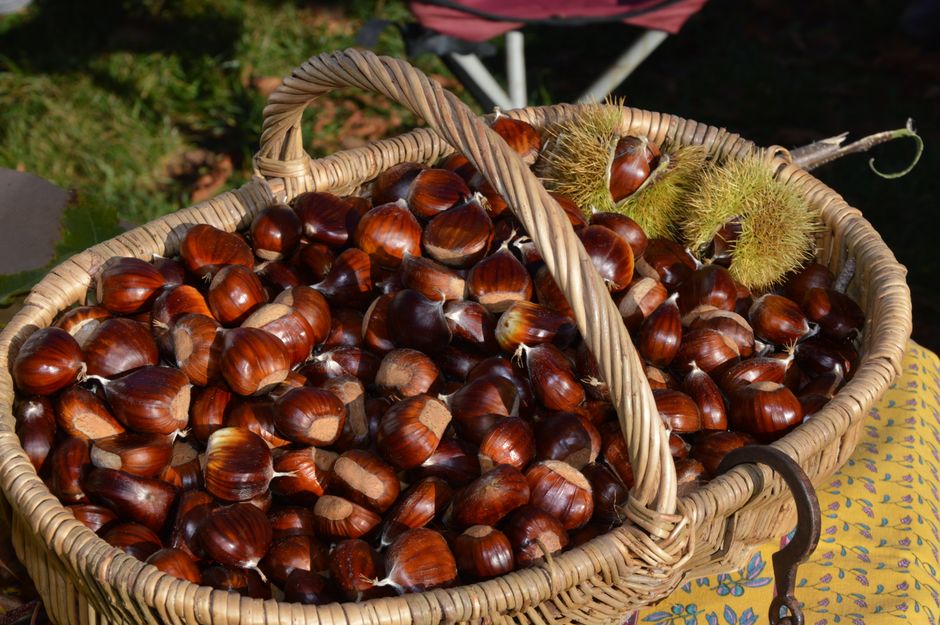
Recommended gear: waterproof shoes, sturdy gloves for handling spiky burrs, a breathable bag (wicker basket) to prevent fermentation, and a knife to score the skin if you plan to roast your own chestnuts. If you collect a large quantity, weigh your harvest and check with the local town hall (comune) about rules and possible fees.
4. Logistics, accommodation and practical tips to make the most of the festival
Planning a multi-day trip around a chestnut festival takes a bit of organization. Here are accommodation suggestions, transport information, typical hours, approximate prices and local tips to optimize your stay.
- Hotel for a comfortable night — Hotel Castello, Via Vittorio Emanuele 7, 12040 Govone CN. Rate: €70.00–€120.00 / night depending on season and room. Services: breakfast included, parking, tourist info on local walks. Booking recommended, especially on festival weekends.
- Typical agriturismo — Agriturismo La Castagna, Strada Provinciale 34, 12082 Frabosa Sottana CN. Rate: room + breakfast €55.00–€85.00. Perk: farmhouse meals with chestnut specialties by reservation; ideal for families.
- Transport: car recommended for flexibility (secondary mountain roads). Parking near main squares — e.g. Parking pubblico, Piazza Galimberti, 12100 Cuneo CN (free/local rate €1.00–€2.00/hour). Public transport: regional trains to Alba and Cuneo, then local buses to villages (schedules vary, often concentrated in the morning and late afternoon). Tip: check local bus timetables (GTT and ARPA) before you go.
- Local tips: arrive early to avoid crowds and catch stalls still preparing caldarroste; bring cash (many small producers don’t accept cards), pack an insulated bag for fresh produce and avoid parking on roadside verges during busy weekends. For photographers: best light is early morning and late afternoon on the Langhe hills.
Make sure to check tourist office opening hours: for example, Ufficio Turistico di Govone, Piazza Conte Verde 2, 12040 Govone CN — usual hours 09:30–12:30 and 15:00–18:00 in season; tel. +39 0173 978330. For specific menus or workshops, call the festival organizers listed on municipal pages. Finally, for urban markets like those in Alba or Cuneo, bring reusable bags and follow current health guidelines.
Conclusion — Firsthand tips and final advice for a great festival experience
The chestnut festival in Piedmont is a full sensory experience: it mixes nature, gastronomy, tradition and camaraderie. After visiting the recommended villages and markets and tasting caldarroste, castagnaccio and jams, you’ll better understand the subtleties that set local productions apart. Piedmont is an ideal playground for these autumn escapes thanks to its rich forests and rural communities that maintain traditional skills.
To make the most of your visit, plan several stops: a morning walk in the woods to observe trees and pick a few fallen fruits, a lunch in a trattoria or agriturismo to taste chestnut-flour dishes, and an afternoon at a fair in town or at a castle to buy products and watch demonstrations. Favor weekends outside school holidays if you want a quieter experience. Remember most sales are cash and producers appreciate conversation: ask questions, request origins and storage methods.
Finally, bring home a few well-packaged products: bags of flour (€4.00–€8.00/kg), jars of jam (€3.50–€7.00), chestnut honey (€5.00–€12.00 per jar depending on size) and, if possible, a portion of marrons glacés or candied chestnuts as a gourmet souvenir. If you plan to return regularly, check local cooperatives that offer postal delivery or online sales for better preservation and off-season supply.
The chestnut links seasons and generations: taking part in the festa della castagna means understanding Piedmont through a product that fed the valleys for centuries. Whether you’re a hiker, foodie or photographer, take time to listen to producers’ stories, savor each bite slowly and note your favorite addresses to come back. Autumn here is to be eaten, walked and shared — let the smell of embers and the crack of burrs on the trail lead the way.