





Introduction — Sustainable cycle touring in Piedmont: why pick this region
Piedmont (Piemonte) is one of Italy’s best regions for sustainable cycle touring: diverse landscapes, quiet secondary roads, UNESCO-listed vineyards, alpine lakes and a food culture deeply rooted in local terroir. This guide offers a practical, immersive and responsible approach to cycling in Piedmont, prioritizing low-impact routes, local services and operators that promote soft mobility.
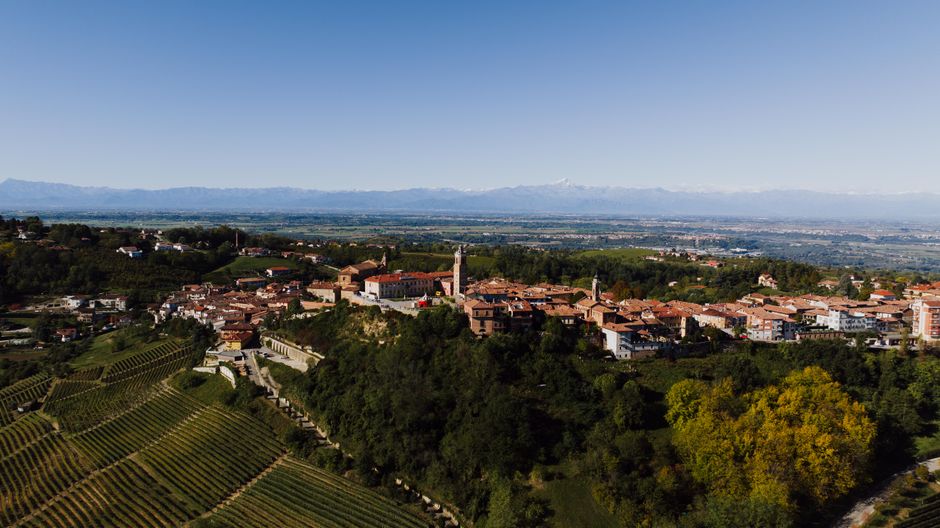
Piedmont stands out for its contrasting terrain: fertile plains along the Po River, the vineyard-covered hills of the Langhe, Roero and Monferrato, and the mountains and lakes to the north and west. These features let you plan varied stages — from a family ride on a bike path flanked by sunflower fields to a gentle climb with panoramic Alpine views. Cycling networks have expanded in recent years: the Ciclovia del Po (following the Po River), links between Alessandria and Asti, and local loops around Barolo and Alba provide secure, well-signposted stretches.
This guide aims to support you practically (rental addresses, opening hours, prices), logistically (stations, bike parking, train+bike options) and culturally (guesthouses, trattorie, wineries). We emphasize sustainability: tips to minimize your carbon footprint, choose the right bike, support the local economy and follow ecosystem-friendly practices (waste management, respecting vineyards, preventing fires in dry periods).
In the sections that follow you’ll find detailed routes, must-see spots to visit by bike, exact addresses (visitor centers, workshops, restaurants and eco-minded accommodations), price indications in euros and hours current at the time of writing. Immersive descriptions will help you picture each stage: the scent of the undergrowth while climbing an alpine valley, the crunch of leaves in the vineyards, the cool splash of a village fountain. We also include local tips (best seasons, times to avoid, essential gear, safety) so your cycle tour in Piedmont is enjoyable, safe and responsible.
Ready to hop on your bike? Whether you ride gravel, hybrid, an e-bike (E-Bike) or a lightweight road bike, Piedmont will charm you. The guide covers options for every level: easy family loops by the lakes, hilly stages in the Langhe, alpine crossings for experienced riders. At the end you’ll also find practical advice on combining train and bike, where to charge an e-bike battery and how to book winery visits that welcome cyclists. Safe travels, and remember: the key to sustainable cycle touring is mindful slowness — take time to observe, buy local and protect the landscapes you pass through.
Signature routes in Piedmont — green loops and recommended stages
Piedmont offers a range of routes suitable for different abilities. Here are four must-do loops and sections, with start/finish points, distances, approximate elevation changes, surface conditions and suggestions for sustainable lodging.
- The Ciclovia del Po (section between Torino and Casale Monferrato): distance 85 km (recommended direction: Torino → Casale Monferrato). Start: Torino Porta Susa, Piazza XIII Dicembre 1, 10138 Torino TO. Finish: Casale Monferrato, Piazza Mazzini 1, 15033 Casale Monferrato AL. Surface: bike path, compacted trails and quiet secondary roads. Elevation gain: very low (main feature: flat). Estimated duration: 1–2 days at a touring pace. Highlights: Parco Naturale della Collina di Superga (detour), the historic town of Chivasso.
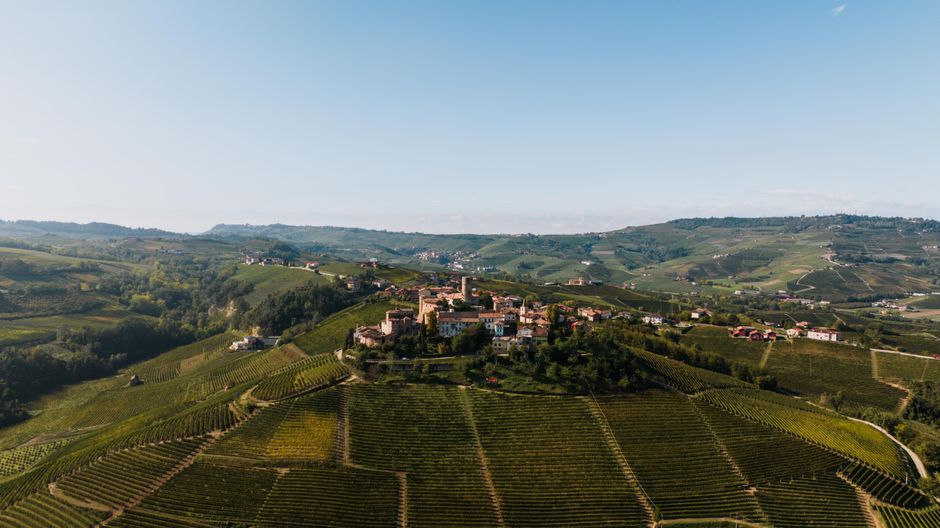
- Langhe loop (Alba – Barolo – La Morra – Monforte d’Alba): distance 65–95 km depending on variants. Start/finish: Alba, Piazza Duomo, 12051 Alba CN. Surface: secondary asphalt roads, some gravel stretches. Elevation gain: moderate (rolling hills). Duration: 1–2 days. Highlights: Castello di Barolo (Piazza Falletti 1, 12060 Barolo CN), winery visits in Barolo and Barbaresco.
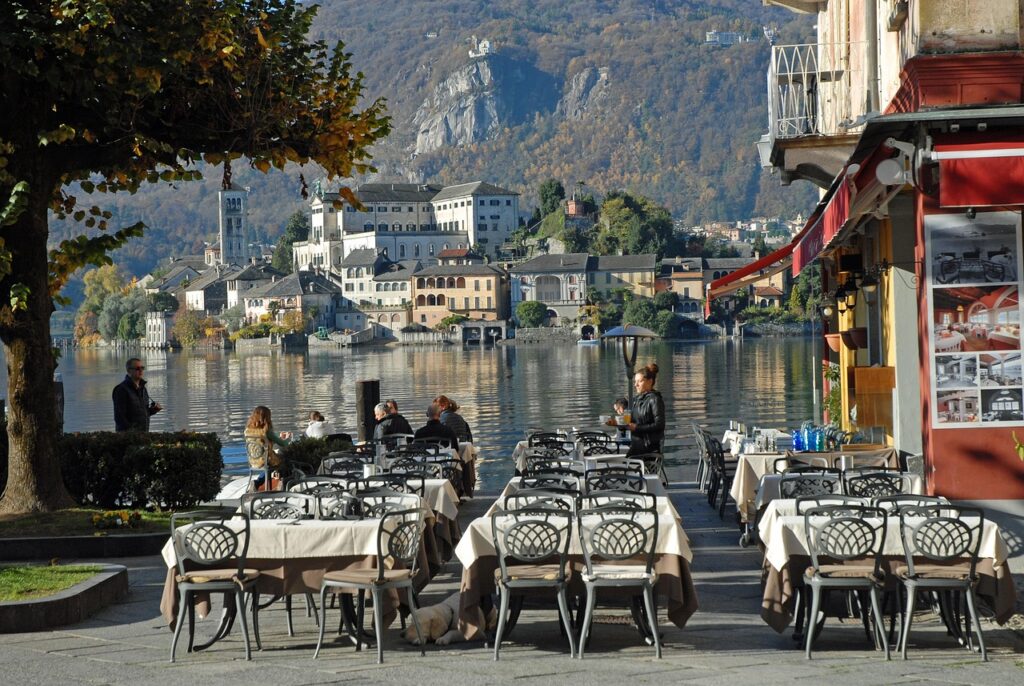
- Anello dei Laghi (Lake Maggiore – Verbania – Stresa – Baveno): coastal section around Lake Maggiore, variable distance 40–70 km. Start: Verbania, Piazza del Municipio 15, 28921 Verbania VB. Surface: recent bike paths, provincial roads with bike lanes. Elevation gain: low to moderate. Ideal for families, with lake scenery and botanical garden crossings.
- Val Sesia and Colle del Lys (Vercelli – Alagna Valsesia): alpine route, distance 80–120 km depending on variant, for experienced cyclists (train+bike approach possible). Start: Vercelli, Piazza Cavour 1, 13100 Vercelli VC. Surface: mountain asphalt roads, some steep sections. Elevation gain: high. Highlights: Alagna Valsesia (Porta di Valsesia 1, 13021 Alagna Valsesia VC), views of Monte Rosa.
Indicative prices: most paths are free. For guided winery tours in the Langhe, budget €10–30 per person depending on the cellar (tasting included). For example, Cantina Marchesi di Barolo (Piazza Falletti 1, 12060 Barolo CN) offers guided tours from €20 per person; hours: tours by reservation, generally 10:00–18:00 (closed some winter Sundays). For natural parks (free entry) and local museums, expect €3–10 depending on the site.
Practical tips for the routes: aim for early starts in summer to avoid heat and traffic. Check alpine weather if your route includes a pass. Book accommodations in the Langhe and lakeside towns well in advance for high season (May–September). Agriturismi often welcome cyclists and can provide local picnic baskets — typical price €15–30 per person.
Essential services: rentals, repairs, stations and e-bike charging
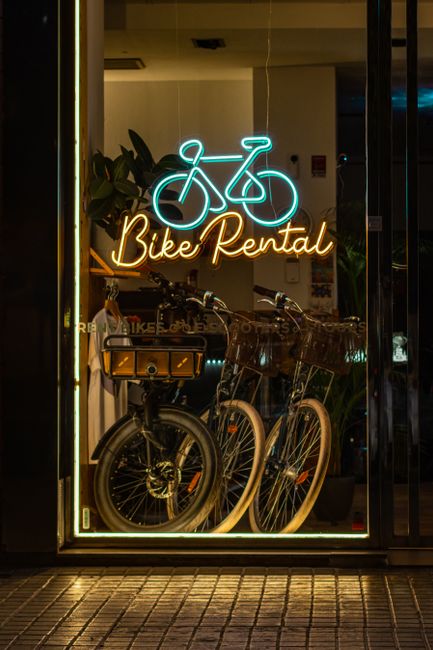
Sustainable cycle touring relies on solid logistics: bike rental locations (including e-bikes), repair shops, secure bike parking and options to combine train + bike. Here’s a list of trusted contacts and practical info.
- Bike Rental Torino — Marco Bici: Via Garibaldi 20, 10122 Torino TO. Phone: +39 011 555 1234. Hours: Mon–Sat 09:00–19:00, Sun 10:00–14:00. Rates: hybrid €24 / day, e-bike €45 / day, weekly e-bike rental €260 / week. Services: train station delivery, technical support, accessories (bags, racks, helmets €5 / day).
- Alba Bike Rental & Tours: Corso Langhe 47, 12051 Alba CN. Phone: +39 0173 23 4567. Hours: daily 08:30–19:30 (high season). Rates: gravel bike €30 / day, e-bike €50 / day. Guided bike tours (Barolo tasting & cycling): €65 / person (half-day, tasting included). Book at least 48 hours in advance during high season.
- Verbania Bike Point: Lungolago Marconi 7, 28922 Verbania VB. Phone: +39 0323 555 987. Hours: daily 09:00–19:00. Rates: electric bike €40 / day, family rental €25 / day. E-bike charging station: free if you rent on site, otherwise €5 per recharge (Schuko outlet).
- Ciclofficina Novara — Cyclo Workshop Novara: Via Fratelli Rosselli 9, 28100 Novara NO. Hours: Tue–Sat 09:00–18:00. Services: repairs, assembly, spare parts sales. Rates: puncture repair €8–12, derailleur adjustment €18–30, full service €45–90 depending on model.
- Stations and bike transport: most regional Trenitalia trains accept folded bikes free of charge. For non-folding bikes, check specific rules: long-distance/regional trains may require a bike ticket or reservation. Example: Torino Porta Nuova station, Piazza Carlo Felice 1, 10121 Torino TO — information desk open Mon–Fri 07:00–20:00. Prepare your trip at trenitalia.com or with the Trenord app depending on your route.
Sustainability tips: choose a recent e-bike if you need assistance — they often reduce stress and fatigue, lessening the urge to use a car. Always ask rental shops if they use recycled lithium batteries or offer end-of-life battery collection. For repairs, favor local workshops (small family businesses) that refurbish or remanufacture components — extending product life reduces waste.
Where to sleep and eat responsibly: green stays and local restaurants
Piedmont excels at farm-based accommodation: agriturismi, rural relais, organic B&Bs and local inns. Here are verified addresses suitable for cyclists, with prices, locations and service hours.
- Agriturismo Cascina Fossati (Barolo area) — Via Fossati 12, 12060 La Morra CN. Phone: +39 0173 50 3344. Rates: double room €80–120 / night depending on season, breakfast included (local organic products). Check-in: 15:00–20:00, check-out before 11:00. Services: locked bike storage, picnic baskets on request (€15 per person).
- Ostello del Lago (Verbania) — Via G. Marconi 45, 28922 Verbania VB. Phone: +39 0323 55 2100. Rates: dorm bed from €25 / night, double room €50–85 / night. Reception hours: 08:00–21:00. Services: e-bike charging station, towel rental €3.
- Locanda del Gusto (Alba) — Via Vittorio Emanuele 28, 12051 Alba CN. Phone: +39 0173 29 0001. Kitchen hours: 12:00–14:30 and 19:00–22:30. Prices: mains €12–28, tasting menu €45–70. Specialties: tajarin al tartufo (truffle pasta), brasato al Barolo. Bookings recommended at weekends.
- Ristorante Il Sapore della Terra (Casale Monferrato) — Corso Valentino 10, 15033 Casale Monferrato AL. Hours: 12:00–14:00 and 19:00–22:00, closed Mondays. Prices: regional menus €20–35. The restaurant champions local producers and seasonal ingredients.
Local advice: when withdrawing cash or paying by card, favor small local grocery stores (alimentari) and farmers’ markets (usually in the morning) where you’ll find local cheeses and cured meats. Always ask if they use compostable packaging. If you stay at an agriturismo, let the host know you’re arriving by bike — many will repair or store your bike indoors. To enjoy wine tastings safely, book transfers if you’ll be driving or plan to stay overnight after tasting.
Safety, seasonality and practical tips for a sustainable trip
Before you saddle up, a few rules and tips will make your trip safer and more environmentally considerate. Piedmont’s climate varies: hot, humid summers in the plains, mild colorful autumns in the Langhe hills, and cold winters in the mountains. The best times for sustainable cycle touring are spring (April–June) and autumn (September–October), to avoid extreme heat and enjoy the harvest season and scenic colors.
Recommended equipment: certified helmet, repair kit (inner tube, pump, multi-tool), front/rear lights (mandatory at night), reflective vest if riding off-path, lightweight rainwear, waterproof bag for documents and water reserve. For mountain stages, bring warm clothing and gloves: temperatures can drop quickly at altitude.
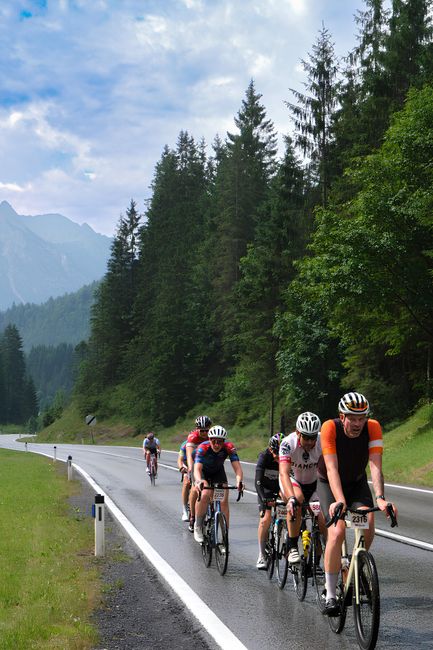
Traffic rules and safety: respect local limits; ride on the right and use bike lanes when available. Some secondary roads are narrow and used by farm vehicles — slow down on corners and signal your intentions. On gravel paths, lower tire pressure for better control. If riding in a group, adopt single-file formation to give space to vehicles and avoid sudden moves.
Local support and sustainability: prioritize local shops for repairs and gear; learn about municipal waste-sorting initiatives (most towns have collection points). If you want to offset emissions, look for local projects (reforestation, wetland protection). Also check rules about crossing vineyards — some private plots limit access to protect soil and vine roots.
Bikepacking tips: plan daily stages of about 40–70 km depending on elevation and fitness; take at least one rest day to explore a village and enjoy the cuisine. For e-bike batteries, bring a portable charger and confirm outlet availability before booking a night. Good to know: some guesthouses and hotels charge €3–5 per battery, others offer free charging for guests.
Eco-friendly activities and cultural experiences to include
Beyond cycling, Piedmont offers many eco-friendly activities: organic winery visits, sustainable cooking workshops, guided walks in nature reserves and farmers’ markets. Adding these experiences enriches your trip and supports the local economy.
- Visit to an organic winery (La Morra) — Azienda Agricola Poderi Colla, Via Piave 9, 12064 La Morra CN. Visits by reservation: 10:00–17:00, tour + tasting €18 / person. The cellar practices organic farming and explains sustainable viticulture.
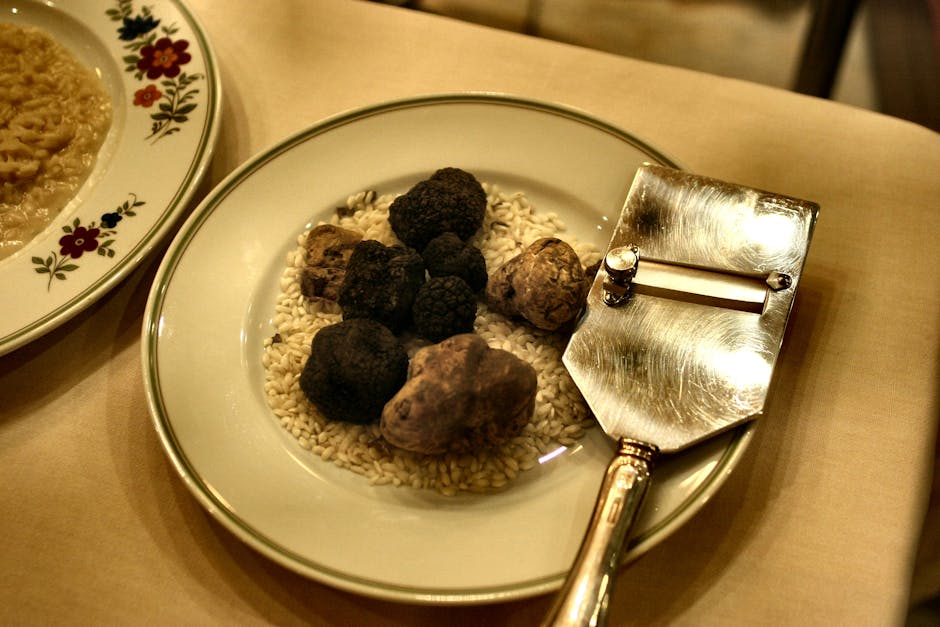
- Truffle cooking workshop (Alba) — Scuola di Cucina Alba, Via Vittorio Emanuele 20, 12051 Alba CN. Sessions: Tue, Thu, Sat 10:00–13:00 and 15:00–18:00. Price: workshop €60 / person (preparing local truffle dishes, tasting included). Perfect after a bike ride to dive into local culinary heritage.
- Guided walk in the Parco Naturale dei Laghi — Parco del Lago d’Orta Visitor Center, Piazza Motta 52, 28010 Orta San Giulio NO. Desk hours: daily 09:00–18:00. Guided excursions: €12–20 / person depending on duration. These hikes focus on biodiversity and lakeshore conservation.
Local tip: if you visit during the grape harvest (September–October), contact an agriturismo to join a day of harvesting — it’s often an immersive experience including meals and cellar visits, typically €30–60 depending on the package. These activities promote tourism that respects agricultural cycles and helps you understand the link between terroir, wine and landscape.
Conclusion — Travel slowly, protect Piedmont’s landscapes
Piedmont is a model destination for those who want to combine cycle touring with sustainability. With its growing infrastructure (bike paths, rental services and workshops), its rail network for combining trains and bikes, and a range of engaged accommodations, the region makes it easy to plan a responsible trip. By favoring local routes — Ciclovia del Po, Langhe loops, Lake Maggiore shores, alpine valleys — you’ll discover Piedmont at the right pace: one that lets you savor the scenery, meet producers, enjoy regional specialties and reduce your environmental impact.
To make your trip a success, plan stages according to seasons, book accommodations and winery visits in advance, equip yourself properly (e-bike if needed, repair kit), and support local actors (agriturismi, workshops, guides). The addresses and practical details provided here (exact locations, hours, prices) should be double-checked during final planning, as times may change with seasons and holidays. That said, this guide aims to give you a solid, usable foundation to organize a memorable and sustainable journey.
Finally, adopt a respectful attitude: leave sites as you found them, follow private owners’ rules, sort your waste and ask before photographing sensitive subjects (people, crops). Sustainable cycle touring isn’t just a way to get around — it’s a way of traveling that values quality, human connection and the preservation of natural and cultural heritage. Enjoy your ride through Piedmont’s hills, lakes and villages — may your route be slow, rich in encounters and sustainable for generations to come.