





Introduction: Alba in celebration, when Piedmont breathes autumn
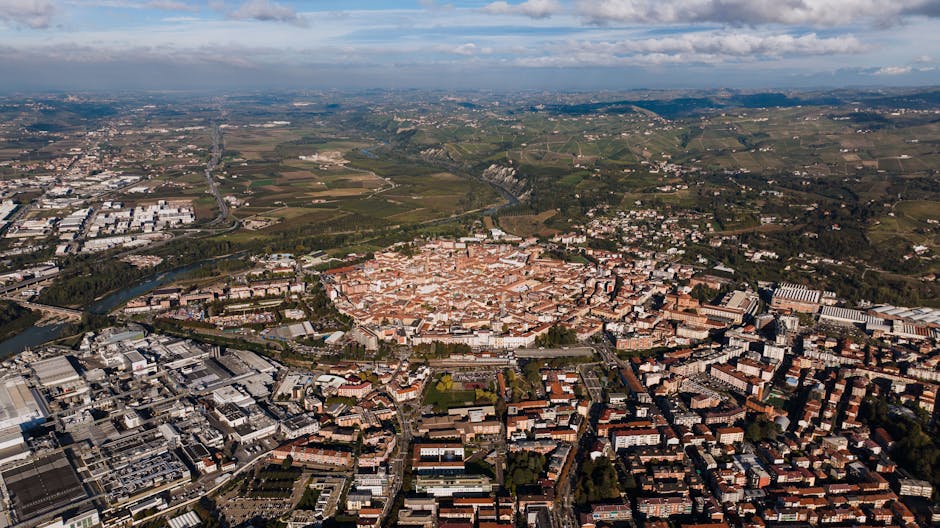
As autumn approaches, the small town of Alba, tucked into the heart of the Langhe hills in Piedmont, puts on a golden, fragrant cloak. Famous worldwide for its Tartufo Bianco d’Alba (Alba white truffle) and for wines like Barolo and Barbaresco, Alba becomes for a few weeks the stage for a celebration blending gastronomy, folk tradition and wine culture. The cobbled streets of the historic center come alive with markets, auctions, tastings and talks; the surrounding hills turn into a patchwork of vineyards and oak groves, where farmers and trifulau (truffle hunters) continue an age-old craft.
In this introduction I offer you a sensory and practical immersion: inhale the musky perfume of the white truffle, watch food lovers and curious visitors stream through Piazza Risorgimento, learn how to taste a Barolo at the right temperature, and plan your visit with concrete addresses, opening times and prices. Alba is not just a tourist festival; it’s a living territory where agriculture, crafts and culture respond to one another. Local producers, cheesemongers, wine merchants and restaurateurs are happy to share their know-how — if visitors adopt the right mindset: curiosity, respect and an appetite for authenticity.
The Fiera Internazionale del Tartufo Bianco d’Alba (the International White Truffle Fair of Alba) is at the heart of these festivities: exhibitions, charity auctions, food markets and themed trails fill the town’s squares and halls, drawing visitors from all over Europe. Meanwhile, wineries and wine hubs organise vertical tastings and wine tours to showcase the unique terroirs of Nebbiolo. Alba’s architectural heritage — churches, medieval towers, piazzas — provides the backdrop for this autumnal performance.
This complete guide will walk you step by step: from arriving at Alba train station to discovering the best addresses for tasting truffle and wine, including practical tips (hours, prices, reservations, dress codes for tastings) and suggested itineraries through the Langhe hills. I’ll point you to specific spots — museums, wineries, restaurants, markets — with exact addresses so you can plan your stay without missing a minute of this unique celebration. Get your taste buds and camera ready: autumn in Piedmont is a season to be lived fully.
The International White Truffle Fair of Alba: schedule, venues and practical tips
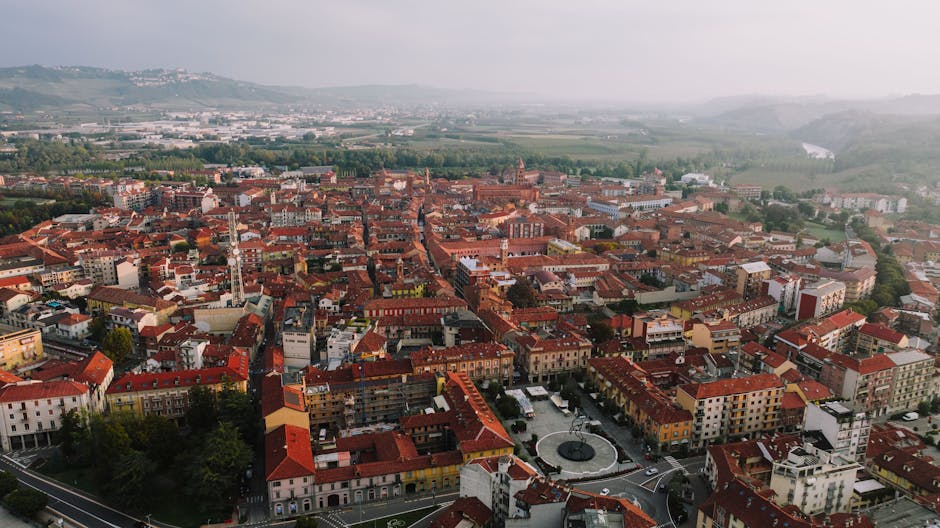
The Fiera Internazionale del Tartufo Bianco d’Alba runs every year from October to November, typically across about eight weeks covering the first two months of autumn. The heart of the fair is in Alba’s historic center, with events concentrated around Piazza Risorgimento, Piazza Duomo and Piazza Savona. The truffle markets, where trifulau display their finds, open in the morning: you can buy fresh truffles sold by weight. The price of the white truffle varies greatly by size and quality: on average, expect anywhere from €800 to €3,000 per kilogram at peak season; smaller specimens can trade around €400–€700 per kilogram. Stalls also offer derivative products: truffle oil, truffle butter, truffle cheeses with prices ranging from €6 to €35 depending on quality and size.
General hours during the fair: markets usually open from 9:00 to 20:00, but specialist vendors may open as early as 8:00 for fresh truffle sales. Paid events like official dinners, auctions and certain masterclasses have variable fees: a truffle tasting masterclass can cost between €30 and €120 per person, while a gala dinner with wine pairings can exceed €150 per person. The famous charity auction — often held at Palazzo Mostre e Congressi « Giovanni Arpino », via Maestra 5 — offers exceptional lots and requires advance booking. Sample ticket prices: €20 to €150 depending on the event.
Practical tips: buy tickets for popular events in advance (especially dinners and masterclasses). For buying truffles, aim for the early morning hours to find the freshest, highest-quality products; always negotiate knowing the average market price; ask to see and smell the truffle: the white truffle should have a powerful, unmistakable aroma. Also, carry cash for small local stalls — although most accept cards, some small sellers still prefer cash.
Where to taste truffle: must-visit restaurants and markets
Alba is full of places where the white truffle reigns. Here’s a curated selection of spots, with addresses, opening times and price ranges to ensure an unforgettable experience.
- Ristorante Piazza Duomo – Piazza Risorgimento, 6, 12051 Alba CN, Italy. Hours: Tuesday–Sunday 12:00–14:30 / 19:30–22:30. Specialties: white truffle dishes (tagliolini, uova al tartufo). Price: tasting menu with truffle around €120 per person. Reservation highly recommended.
- Osteria dell’Arco – Via Cavour, 10, 12051 Alba CN, Italy. Hours: Monday–Saturday 12:00–15:00 / 18:30–23:00. Truffle dishes à la carte: €15–€40. Friendly atmosphere and generous portions, ideal for sampling several preparations.
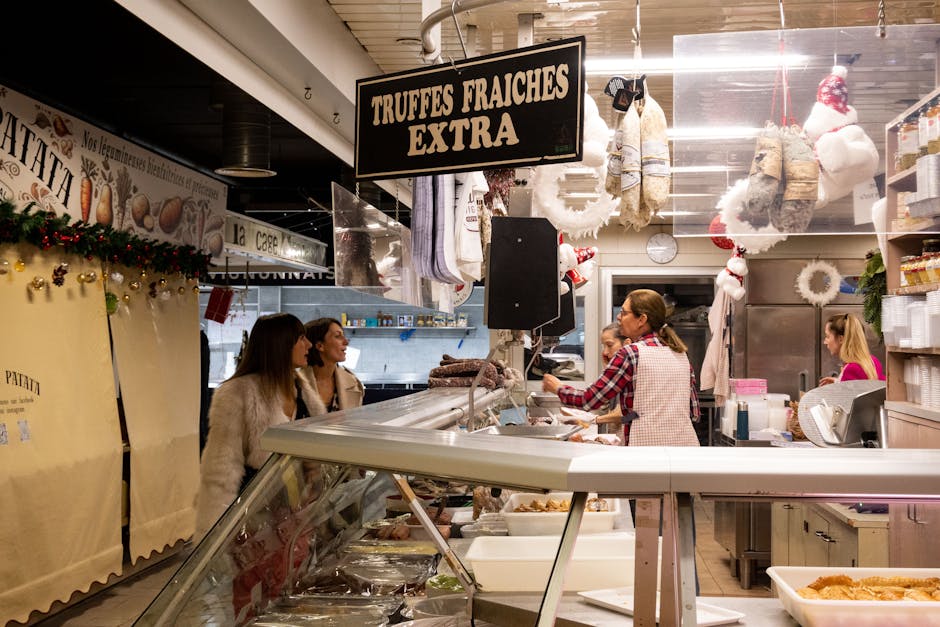
- Mercato Coperto – Mercato di Alba – Via Vittorio Emanuele II, 34, 12051 Alba CN, Italy. Hours: Monday–Saturday 8:00–13:00. Stalls of local products, cheesemongers and fresh truffle sellers. Prices: small tuber (20–40 g) from €20, larger pieces priced by weight.
- Ristorante Enoteca Il Cortile – Corso Langhe, 42, 12051 Alba CN, Italy. Hours: Tuesday–Sunday 12:00–15:00 / 19:00–23:00. Extensive wine list, truffle menus starting from €70.
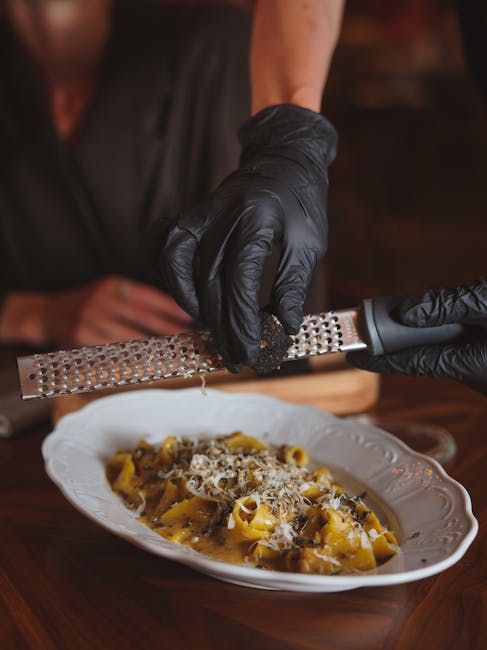
Tips: for the best tasting experience, ask for the truffle to be grated at the table over simple dishes (eggs, fresh pasta, risotto) so you can fully appreciate the aroma. Avoid heavily spiced sauces that will mask the delicate fragrance. If you plan to buy fresh truffle, request a certificate of origin and store it in an airtight jar with rice for 1–2 days or wrapped in absorbent paper in the fridge to preserve the scent.
Wineries and wine routes: Barolo, Barbaresco and the Langhe in autumn
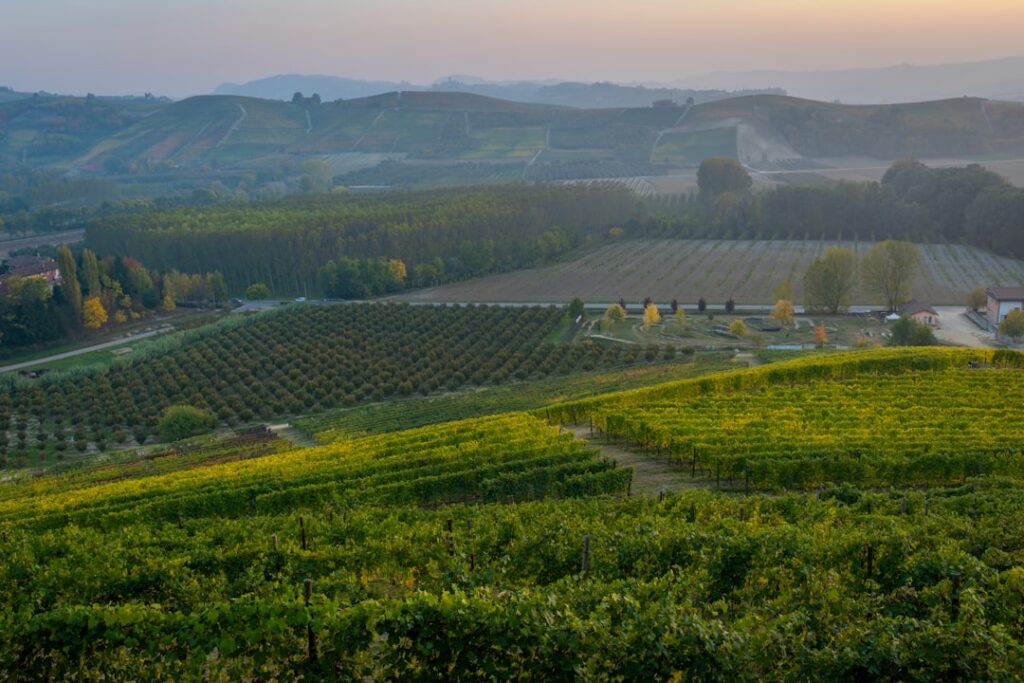
Piedmont is synonymous with great wines, and the hills around Alba host historic estates. Winery visits (cantine) provide a perfect pairing of wine and truffle: food-and-wine pairings curated by sommeliers. Here are some addresses and practical details to plan tastings.
- Michele Chiarlo – Via G. Marconi, 10, 12051 Alba CN, Italy. Cellar hours: Monday–Friday 9:00–18:00. Standard guided tasting: €20 per person; full tour with pairings: €45. Reservation recommended via website or phone.
- Marchesi di Barolo – Barolo – Piazza Barolo, 1, 12060 Barolo CN, Italy. Hours: daily 9:30–18:30. Tastings: €25–€60 depending on the package. Barolo is about a 25-minute drive from Alba; arrange a shuttle or driver if you’ll be tasting.
- Cantina Produttori del Barbaresco – Via Roma, 3, 12050 Barbaresco CN, Italy. Hours: Monday–Saturday 9:00–12:30 / 14:30–18:30. Tastings: €15–€35. Barbaresco offers spectacular viewpoints for autumn photos.
Practical advice: book winery visits well in advance, especially during the fair. Estates often require a minimum number of participants for certain packages. If you plan to bring bottles back home, check airline packaging rules and take advantage of tax-free shopping for non-EU travelers. For safety, hiring a private transfer or a local guide is usually wiser than driving after several tastings.
Heritage, walks and cultural experiences in Alba
Beyond the food scene, Alba boasts a rich historical and cultural heritage. Strolling the historic center, discovering medieval towers and visiting museums makes a perfect complement to the gastronomic festivities. Here are precise sites to visit, with addresses and opening times.
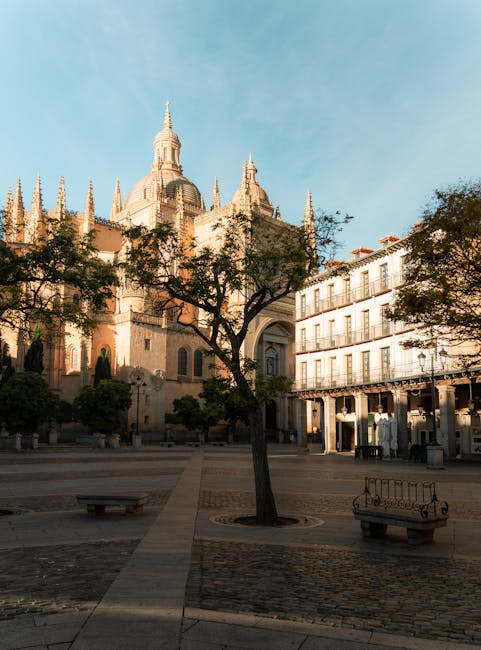
- Cattedrale di San Lorenzo (Duomo di Alba) – Piazza Duomo, 3, 12051 Alba CN, Italy. Hours: daily 8:00–19:00. Free entry. The church offers a baroque interior and a bell tower visible from most piazzas.
- Museo Civico di Alba (Museo Archeologico e della Città) – Piazza Risorgimento, 5, 12051 Alba CN, Italy. Hours: Tuesday–Sunday 10:00–18:00. Fee: €6 (full), €3 (reduced). The museum traces Alba’s history back to Roman times.
- Teatro Sociale G. Busca – Via XX Settembre, 7, 12051 Alba CN, Italy. Box office hours: Tuesday–Saturday 10:00–13:00 / 15:00–18:00. Prices: theatre and concert tickets €15–€60. Check the program during the Fiera: concerts and meetings are often held here.
Then walk along the banks of the Tanaro river and climb the surrounding hills for views over the vineyards. In autumn, the golden late-afternoon light makes every lookout a prime photography spot. Don’t forget comfortable shoes: cobbles and dirt paths can be slippery after rain.
Logistics: getting to Alba, getting around and average budget
Getting to Alba is relatively straightforward from major Italian cities. Alba train station (Stazione di Alba) is located at Corso Michele Coppino, 12051 Alba CN. The station has regional connections from Turin (Torino Porta Nuova) and Milan (with connections); travel time from Turin is about 1h15. If you arrive by plane, the nearest airports are Turin-Caselle Airport (TRN) and Milan Linate Airport (LIN); from these airports allow for a train or bus transfer to Alba (1h30–2h30 depending on the connection).
Getting around: most fair venues and attractions are within walking distance of the historic center. To explore the hills and wineries, a car is the most convenient option; it’s highly recommended to book a local driver or join an organised tour if you plan to taste wines. Car rental in Alba: daily rates in low season around €40–€70, higher in high season. Local buses and taxis are available, but frequencies can be reduced on Sundays.
Indicative budget for a 2-night stay during the fair:
- Accommodation (2 nights): €100–€300 per night depending on the level (3* hotel to boutique hotel)
- Meals: breakfast often included; lunch/dinner with truffle: €30–€150 per meal
- Tastings and visits: €20–€60 per winery
- Truffle purchase: highly variable, from €20 for a small portion up to several thousands of euros per kilogram
Practical: pack warm clothes for autumn evenings (temperatures often 5–15 °C) and a waterproof jacket. Consider bringing a small scale if you plan to buy truffle by weight to verify the exact amount. Also bring a soft cooler if you intend to bring back perishables.
Authentic experiences and meeting locals
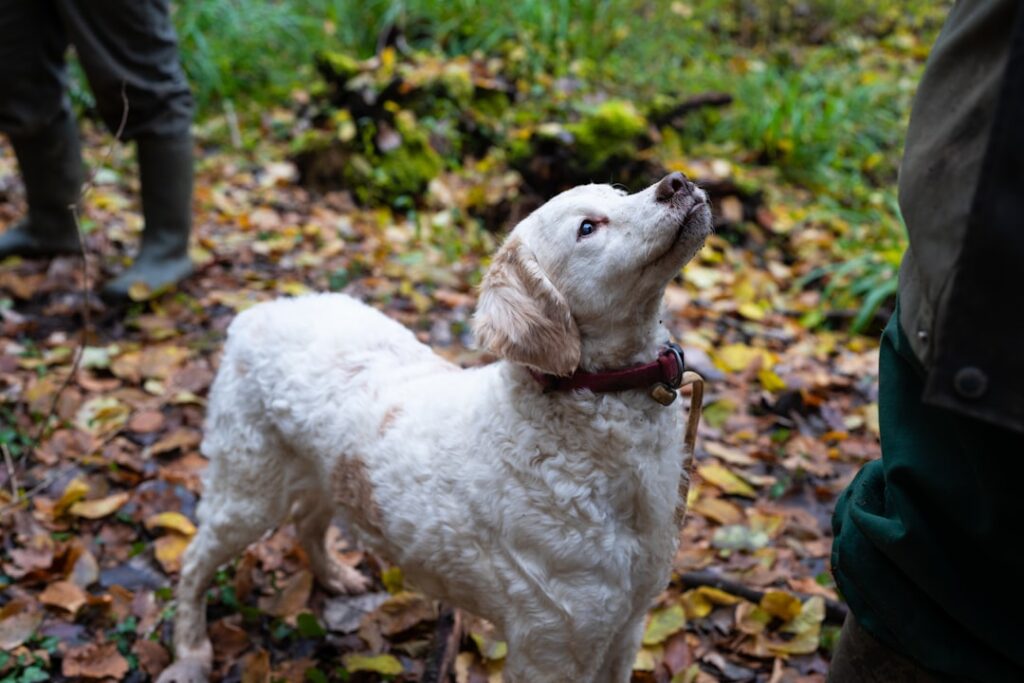
To see truffle culture beyond the plate, several experiences allow you to get close to the tradition and the people behind it. Trifulau with their dogs, farmers’ markets and cooking workshops offer privileged encounters.
- Hunting with truffle hunter: Several local agencies offer morning outings with a trifulau in the nearby woods (book in advance). Duration: 2–3 hours. Price: €80–€150 per person, often including a simple tasting after the hunt.
- Truffle cooking workshop: Cooking schools and restaurants run 2–4 hour classes to learn how to cook with truffle. Price: €60–€120.
- Farmers’ markets: in addition to the covered market, look for producers’ markets (locations vary by day) for cheeses, cured meats and wines.
Meet the producers, ask questions about methods (harvesting, preservation, dog training) and favour direct purchases to support the local economy. Respect the rules: never dig up truffles yourself on private land without permission.
Conclusion: planning your trip and making the most of Alba in autumn
Alba in autumn is a destination that engages the senses. Between the heady scent of the white truffle, the velvet tannins of a Barolo, and the shimmering landscapes of the Langhe, the journey unfolds as a series of complementary experiences. To get the most from your visit, plan ahead: book the fair’s highlight events, reserve tables at the most sought-after restaurants, and arrange winery tastings well before you arrive. Also leave time to wander and catch the town in its everyday moments — morning markets, small trattorie and artisan shops often offer unexpectedly rich experiences.
Budget-wise, be prepared to invest for quality: the white truffle is a luxury product and high-end gastronomic experiences carry a price, but they bring emotions and craftsmanship that are hard to replicate elsewhere. If you’re travelling with family or a group, diversify activities: one adult can visit a cellar while others join a cooking class, or plan a morning truffle hunt followed by a convivial lunch.
Finally, adopt the stance of a respectful traveller: keep local schedules, support producers by buying local, and favour official guides for outdoor excursions. Alba is more than a fair: it’s a human landscape where autumn is celebrated as a season of sharing. Whether you’re a food lover, photographer, amateur oenologist or simply curious, Alba in celebration offers lasting memories and an invitation to return, season after season, to rediscover the nuances of an exceptional terroir.