





Introduction — Artisan markets: hidden gems in Piedmontese villages
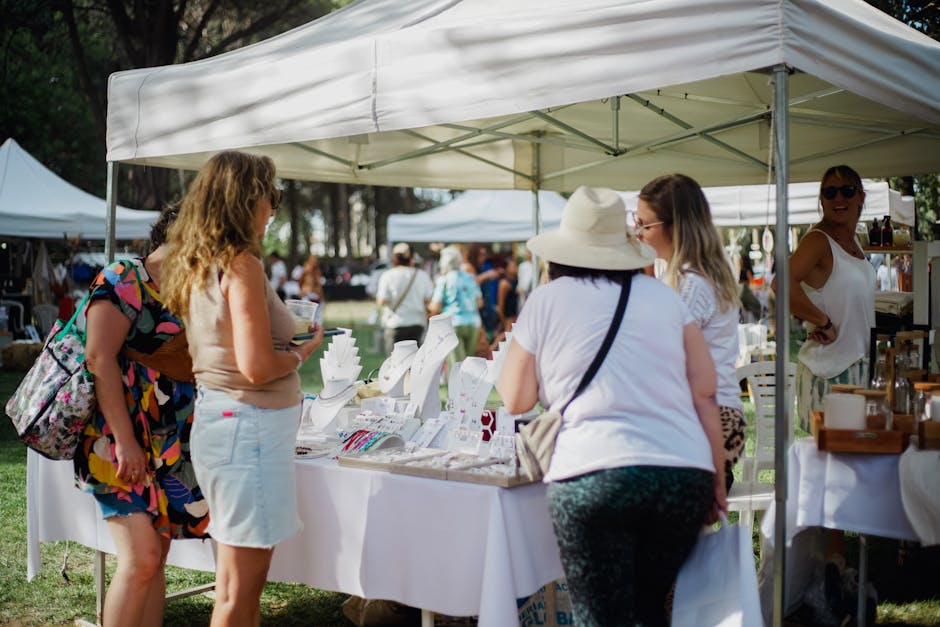
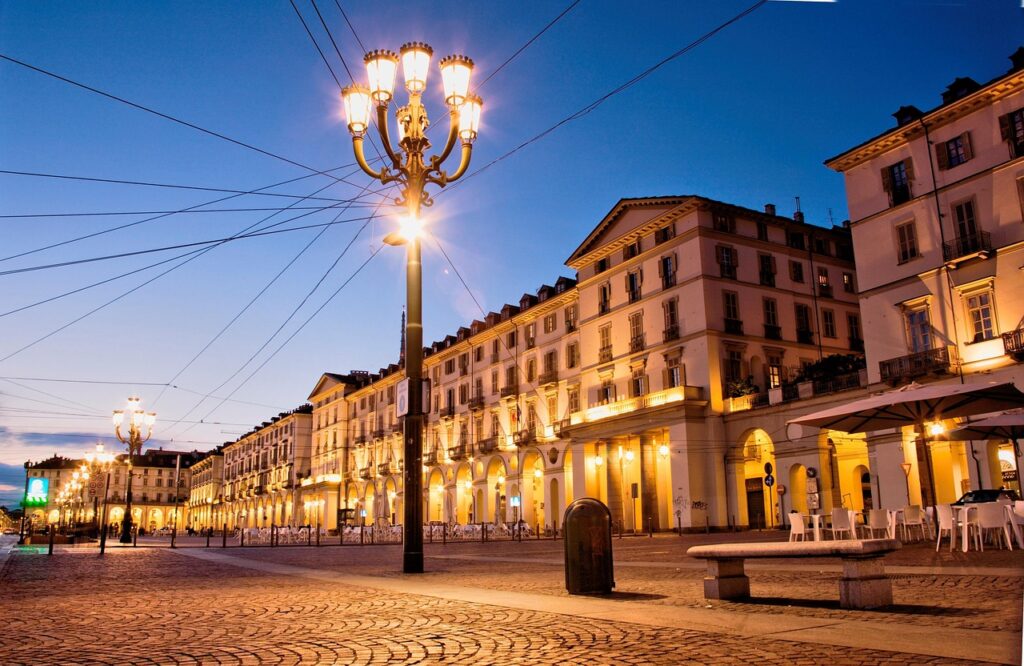
Piedmont, in northwest Italy, is often praised for its world-class vineyards, UNESCO-listed hills and refined cuisine. Less publicized but just as revealing of local character are the artisan markets found in the region’s villages. Set on cobbled squares, under medieval arcades or beneath baroque towers, these markets feel like places where time slows down: potters, weavers, blacksmiths, shoemakers, wool spinners and master woodworkers proudly carry on techniques often handed down through generations.
Wandering these markets you’ll discover more than things — glazed ceramic plates, hand-embroidered table linens, artisan knives, wooden toys, goat-milk soaps — you’ll find stories. Each stall tells the tale of a material’s origin, the length of a firing, the patience required for a dyeing process or the season for harvesting ingredients. These artisan markets form a cultural network: they support the local economy, protect skills that risk disappearing and offer authentic souvenirs far removed from mass-produced tourist fare.
This practical, professional and detailed guide takes you through several Piedmont villages where craft is still central to community life. For each market we give the exact location (full name of the square or neighborhood), the precise address, typical opening hours, price ranges for a few emblematic items, immersive descriptions of the atmosphere and concrete tips to get the most out of your visit: which day to choose, how to speak with makers, what questions to ask, and how to pack or ship your purchases. Whether you’re a collector, an authenticity-seeker, a photographer or simply curious, these markets hold hidden treasures that reveal Piedmont’s cultural richness.
Through the sections of this guide you’ll find practical recommendations for reaching the sites, suggestions for unmissable stalls and local tips for negotiating respectfully and bringing your finds home safely. We also highlight seasonal events — antique fairs, spring markets, autumn craft festivals — that increase opportunities for encounters and purchases. Bring a notebook, your camera and your curiosity: artisanal Piedmont awaits, full of color, texture and stories to take home.
Piazza Risorgimento in Alba — truffles, textiles and ceramics among the vineyards
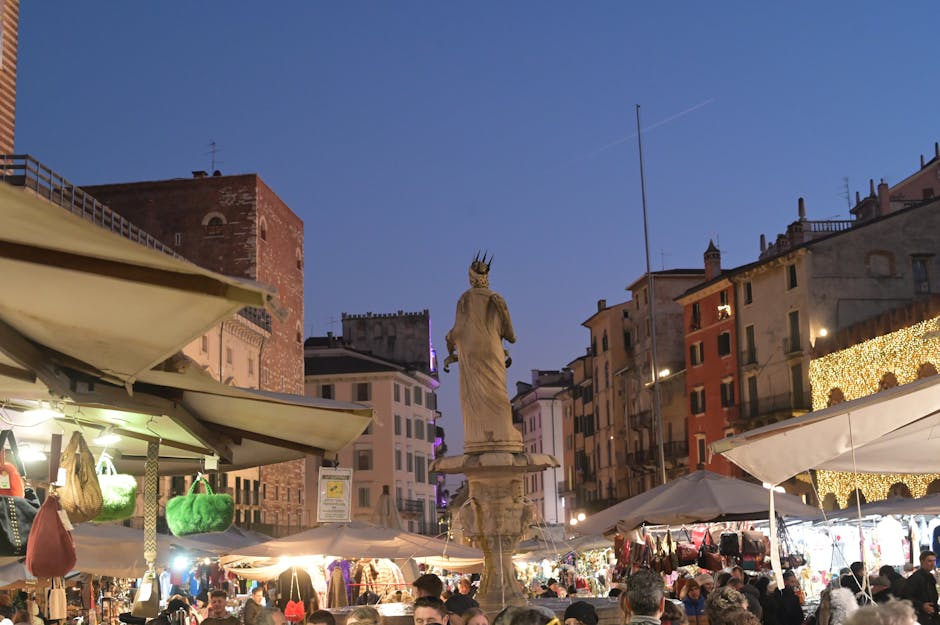
Alba, the unofficial capital of the Langhe, hosts an artisan market that blends craft with culinary culture. Head to Piazza Risorgimento, 12051 Alba CN, Italy, where, depending on the season, artisans set up on Saturday mornings and during special events such as the Fiera Internazionale del Tartufo Bianco d’Alba (the white truffle fair) in October–November. Standard artisan market hours are usually Saturday from 08:00 to 13:00, but check specific dates during local festivals.
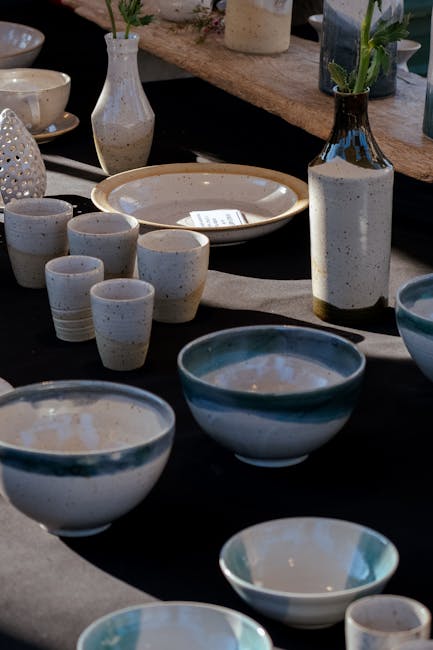
Here you’ll find glazed pottery (bowls and plates) starting at around €15, embroidered tablecloths and runners priced from €25 to €120 depending on the intricacy of the work, and wooden items (cutting boards, toys) from about €10. Ceramicists are often happy to explain firing techniques—gas or wood-fired kilns—and sometimes offer workshops lasting one to two hours: typical price €30 to €50 per person.
The atmosphere mixes locals and visitors: the scent of fresh bread and coffee blends with olive oil and mushrooms. Practical tips: arrive early to avoid the big fair crowds, bring reusable bags and a small packing kit (bubble wrap, tape) if you buy fragile ceramics. If you need to ship a parcel outside the EU, ask the artisan whether they work with a delivery service — many will package sturdy parcels for an extra fee (around €10 to €25).
Piazza Carlo Alberto in Bra — leather goods, cheese and local crafts
The town of Bra, known for its gastronomic tradition (and the birthplace of Slow Food), runs a lively artisan market on Piazza Carlo Alberto, 12042 Bra CN, Italy. The market takes place mainly on Saturday mornings from 09:00 to 14:00 and during festive periods. The scene is typical: leatherworkers, cheesemongers offering toma and robiola, and makers of silver and copper jewelry.
Handmade leather bags and belts start at about €40 for simple pieces and can reach €250 for hand-shaped bags with reinforced stitching. Small leather goods (coin purses, cases) typically range from €15 to €60. Cheeses are sold by weight — for example, a 500 g wheel of toma generally costs between €7 and €12. Don’t be shy about tasting: producers almost always offer free samples if you strike up a conversation.
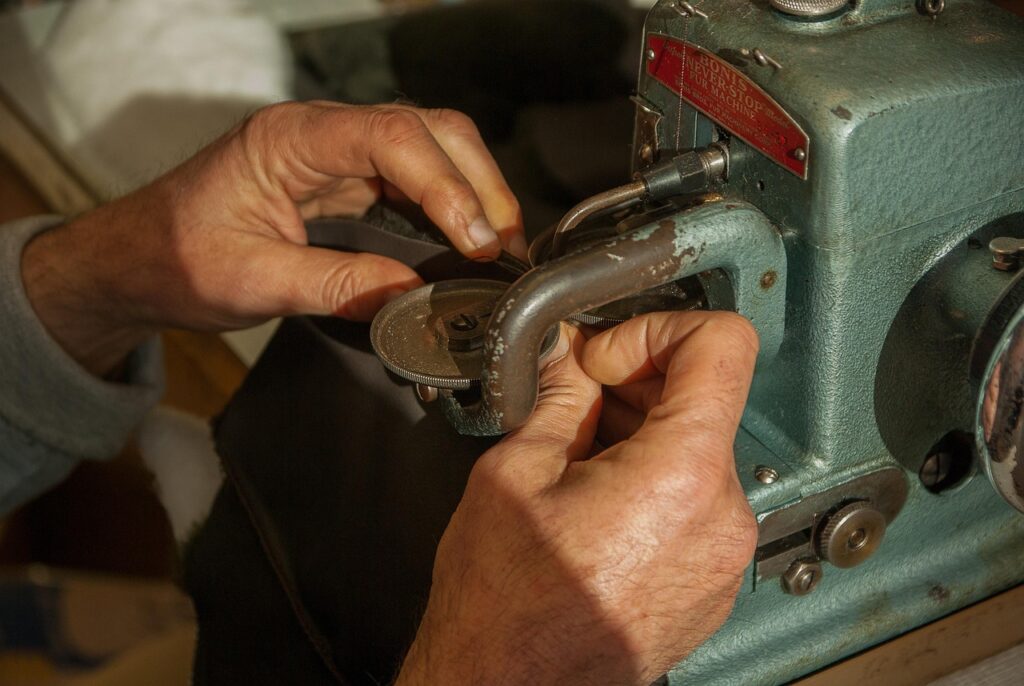
The square has arcades, which keeps the market comfortable even in light rain. Picture craftsmen trimming wheels of cheese a few meters from a master saddler stitching seams, while children enjoy miniature rides organized by the municipality. Local tips: if you buy leather, ask how to care for it — artisans often recommend natural shoe polish (€8 to €15) or neatsfoot oil to maintain the leather. For cheeses, ask about aging dates and transport precautions (wax paper and an insulated container for long trips).
Piazza Motta in Orta San Giulio — textiles, jewelry and glasswork facing the lake
Orta San Giulio, a small gem on the shores of Lago d’Orta, hosts an especially photogenic artisan market on Piazza Motta, 28016 Orta San Giulio NO, Italy. The market is most active from mid-spring to early autumn, with stalls every Sunday morning and evening events in July–August. Typical hours: Sunday from 09:00 to 13:00, night markets around 18:00–23:00 in high season.
You’ll find silver jewelry and semi-precious stone pieces (pendants, bracelets) ranging from €20 to €180, hand-painted silk scarves between €35 and €120, and blown-glass items made by local glassmakers, often priced between €25 and €220 depending on size and complexity. The vibe is gentle: a stroll along the lake, mountain reflections on the water, and artisans explaining their techniques — for example, a glassblower demonstrating how heating, blowing and controlled cooling prevent cracks.
Practical tips: favor stalls under canopies to protect delicate textiles from prolonged sun exposure. If you buy jewelry, ask whether a warranty or cleaning service is offered; some jewelers provide free polishing within six months of purchase. For glass objects, pack carefully (bubble wrap is often available for €3 to €8) and check whether the seller offers insured shipping (price depending on destination, roughly €15 to €60).
Cherasco and Monforte d’Alba — antiques, marquetry and traditional know-how
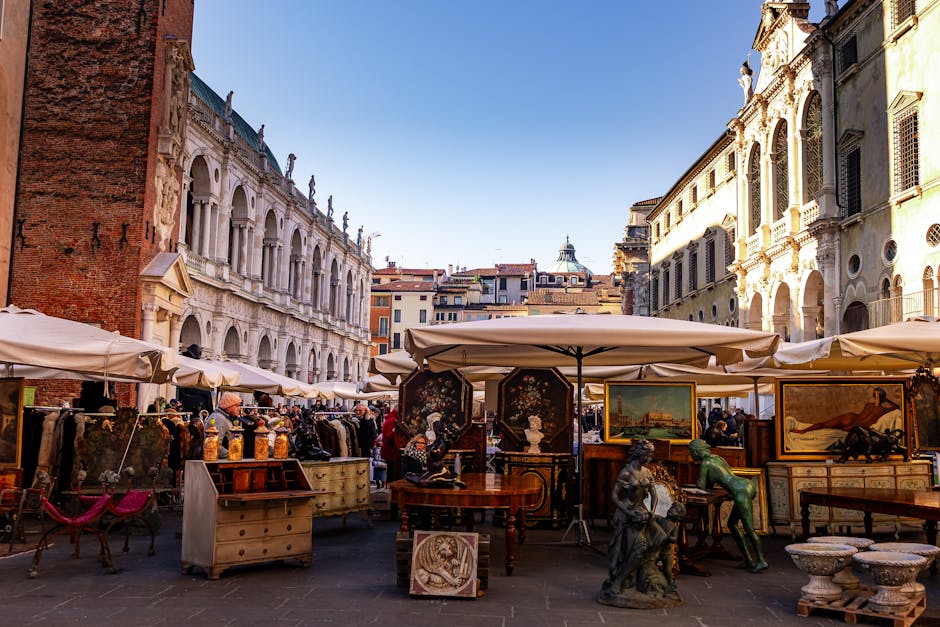
Two villages especially known for fairs and artisan markets are Cherasco and Monforte d’Alba. In Cherasco the main market takes place on Piazza Martiri della Libertà, 12062 Cherasco CN, Italy, with a large antiques fair on the second Sunday of the month and on certain summer weekends. Hours: Sunday from 08:00 to 17:00 for the flea market, with occasional artisan markets in the mornings.
Prices for small antiques vary widely: a small vintage clock might cost €80, while restored furniture can reach several hundred euros. Cherasco is also known for marquetry: inlaid wood frames and boxes start at about €40. restoration craftsmen often explain their methods: stripping, traditional animal-hide glue joins, reassembling and final waxing.
Monforte d’Alba, nestled in the heart of the Barolo vineyards, hosts artisan markets and seasonal fairs on Piazza Umberto I, 12065 Monforte d’Alba CN, Italy. Times vary by event, but local markets frequently take place on Sunday mornings from 09:00 to 13:00. You’ll find wood sculptures, hand-spun wool products and locally made home accessories.
Buying and practical advice: for large pieces bought in Cherasco or Monforte, ask the artisan about local delivery — often a delivery partner will transport items within the Piedmont area for about €50 to €150 depending on distance. For exports outside the EU, check customs formalities: antiques and certain exotic woods may require certificates. Finally, negotiate with respect — a discount of 5–15% is sometimes possible for cash payments or multiple-item purchases.
Conclusion — Bringing a piece of Piedmont home
Visiting artisan markets in Piedmont’s villages is more than buying objects: it’s taking part in a conversation between past and present, between makers and visitors. These markets offer unique pieces, sensory experiences (smells, textures, the sounds of workshops) and the satisfaction of supporting local craftsmanship. As you explore Alba, Bra, Orta San Giulio, Cherasco and Monforte d’Alba, you’ll see how craft takes different forms — culinary, textile, glassblowing, marquetry — while sharing the same values: patience, expertise and pride in a job well done.
To make the most of your visit: check municipal calendars (hours may vary with the season and local festivals), favor mornings for a calmer atmosphere and fresher products, ask about materials and care instructions for each piece, and be ready to pay in cash to often secure better prices. Also respect the artisans: ask before photographing a stall or a making process, avoid touching fragile items without permission, and show genuine interest — a sincere conversation often opens the door to richer stories and more authentic demonstrations of technique and family history.
Finally, bringing a Piedmontese treasure home means taking a slice of local history and geography with you. Whether it’s a small ceramic plate from Alba, a leather belt from Bra, a painted scarf from Orta San Giulio, a marquetry box from Cherasco or a wood sculpture from Monforte d’Alba, each object tells a story. As a responsible visitor, favor local pieces, ask about material origins and, when possible, choose artisans who use sustainable supplies. That way, your purchase directly helps keep a living heritage alive — a generous, tangible way to support Piedmont and its hidden treasures.