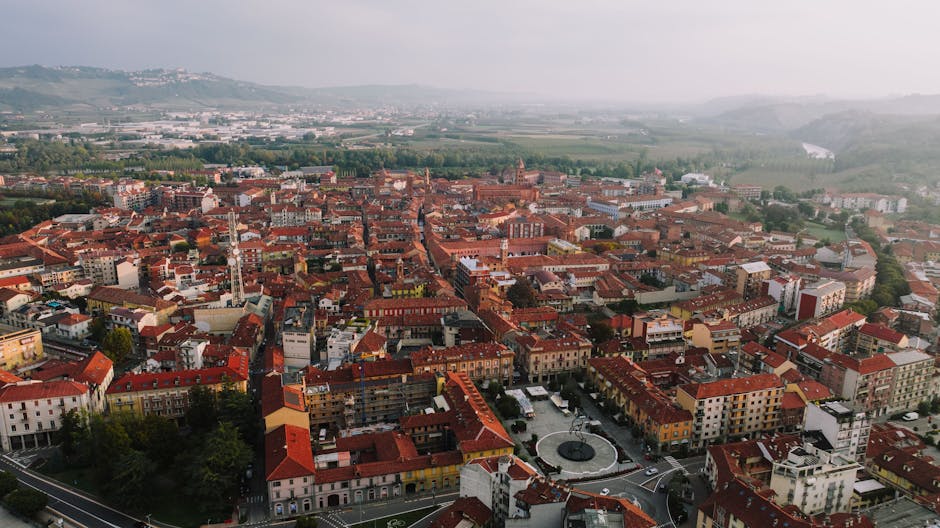






Introduction: Cuneo’s Stalls — Where Alpine Landscapes Meet Piedmont Flavors
In the heart of Piedmont, the town of Cuneo spreads out a network of stalls, shops and covered markets where cured meats and handcrafted products are celebrated every day. Nestled at the meeting point of Alpine valleys, Cuneo is a gateway to mountain cheeses, rustic salumi and heritage vegetables grown on clay and limestone soils. Visitors wanting to understand Piedmontese cuisine will find a perfect balance here between peasant tradition and artisanal know-how, bolstered by nearby production zones protected by local appellations.
This guide is designed to walk you through Cuneo’s most emblematic stalls: outdoor markets, the mercato coperto (covered market), historic deli shops and the small eateries that turn these ingredients into simple, memorable dishes. You’ll find exact addresses and opening times, typical price ranges, sensory descriptions of products (texture, aroma, aging) and local tips for buying, storing and tasting these specialties on the spot or taking them home.
Whether you’re into salumi, aged cheeses or artisanal preserves, Cuneo delivers a full palette. Expect to find low-valley salami with garlic and pepper notes, lardo cured with sea salt and mountain herbs, carefully aged coppa, and lesser-known but equally prized items: fresh local pasta, seasonal jams, mountain honey and wines from small family cellars. This guide will lead you step by step, from central markets like Piazza Galimberti to neighborhood shops and local producers who welcome visits and tastings by appointment.
In the following sections you’ll get practical recommendations: when to visit each market to score the best selection (peak and quiet hours), how much to expect to pay for 100 g of top-quality salami (sample price examples), handy Italian phrases to use with vendors, and which items to buy by season. We’ve also slipped in tips for transporting purchases (vacuum sealing, portable coolers) and suggestions for platters and wine pairings to turn stall finds into unforgettable meals.
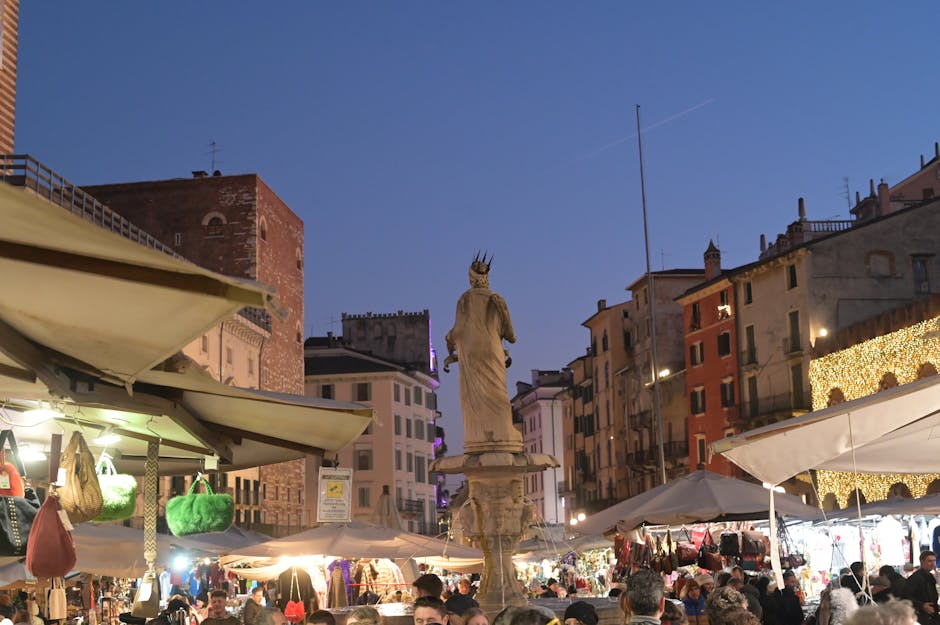
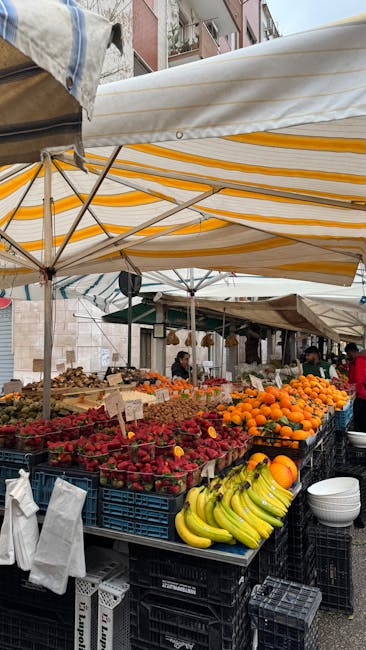
Markets & Must-Visit Spots: Where to Find the Most Lively Stalls
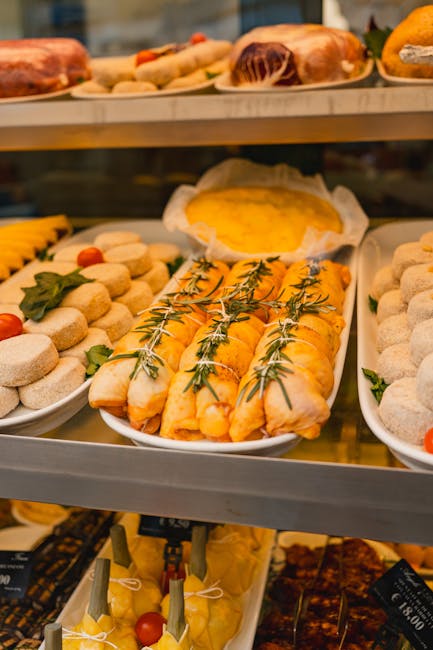
Cuneo’s market life centers around a few easy-to-reach spots where you’ll find both artisanal charcuterie stalls and local produce. The first recommended stop is the Mercato Coperto di Cuneo (Covered Market), located at Piazza Galimberti, 3, 12100 Cuneo CN, Italy. Usually open Monday to Saturday from 08:00 to 13:00, the covered market brings together butchers, fishmongers, charcutiers and fruit and vegetable stalls. Prices vary: expect around €12–18/kg for standard-quality salame, and €18–30/kg for more carefully aged pieces. It’s a great place to find vacuum-packed products and cheeses matured by small-scale artisans.
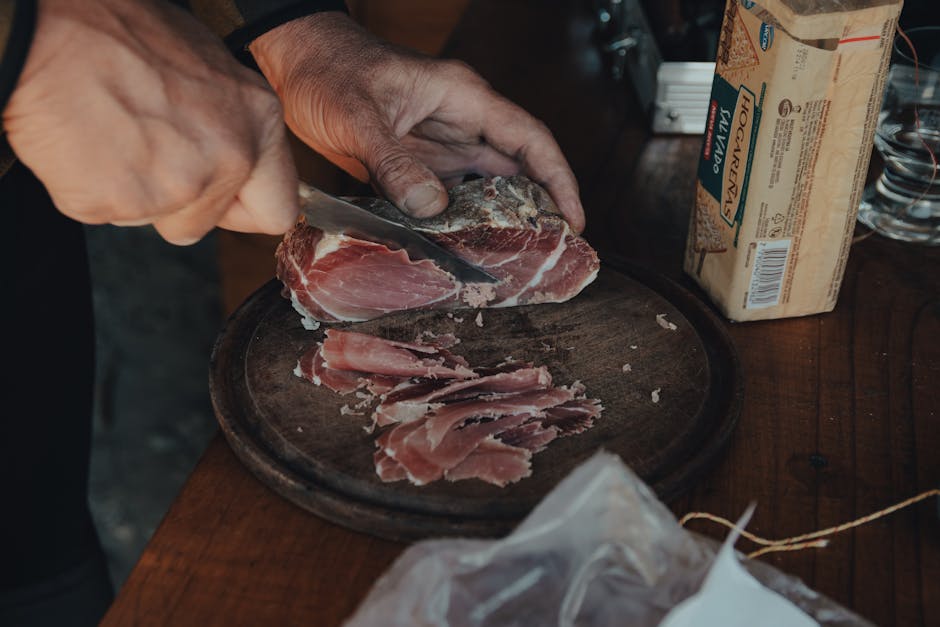
Another key meeting point is the outdoor mercato all’aperto on Piazza Galimberti, Cuneo’s central square (Piazza Galimberti, 12100 Cuneo CN). Outdoor markets take place mainly on Tuesday and Saturday mornings from 07:30 to 13:00. Seasonal stalls offer sliced charcuterie, homemade terrines and local specialties like coppa and lardo. Stallholders on the square often offer free tastings—don’t be shy to ask for a thin slice to appreciate the marbling and texture. Indicative prices: €3–5 for a 100 g tasting sample, €10–25/kg for artisanal charcuterie depending on aging.
For a more intimate experience, head to the “Mercato della Terra” run by local producers, often held in smaller venues like Corso Nizza or Via Roma depending on the season. A common example is the producers’ market on Corso Dante Alighieri (location varies), which sets up on certain Sundays or public holidays from 09:00 to 14:00. Stalls there offer farmhouse salamis, country pâtés (pâté di cacciatore), and artisanal preserves (prices: €5–12 per 250 g jar for pâtés; €4–8 for homemade tomato sauces).
Don’t overlook neighborhood groceries and traditional salumerie tucked into the historic streets, for example around Via Roma and Corso Nizza. These shops typically open 08:00–12:30 and 15:30–19:30 (some close Sunday afternoons). Vendors often advise on portioning for immediate tasting and offer vacuum-packing for travel. Local tip: arrive late morning for fresh restocks and, sometimes, small discounts on whole pieces.
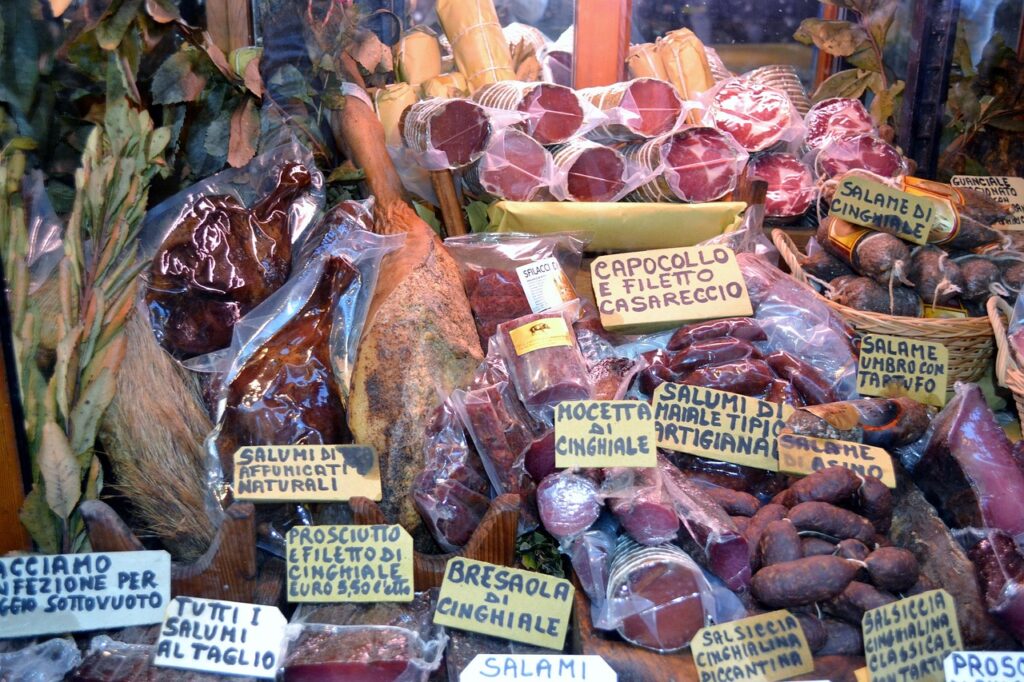
Iconic Cuneo Cured Meats: Textures, Flavors & Local Producers
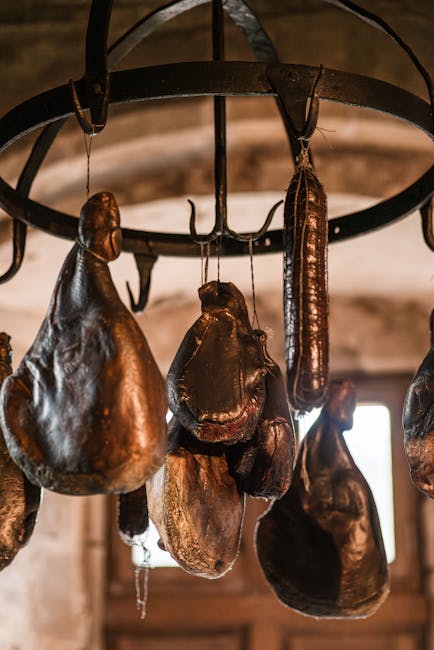
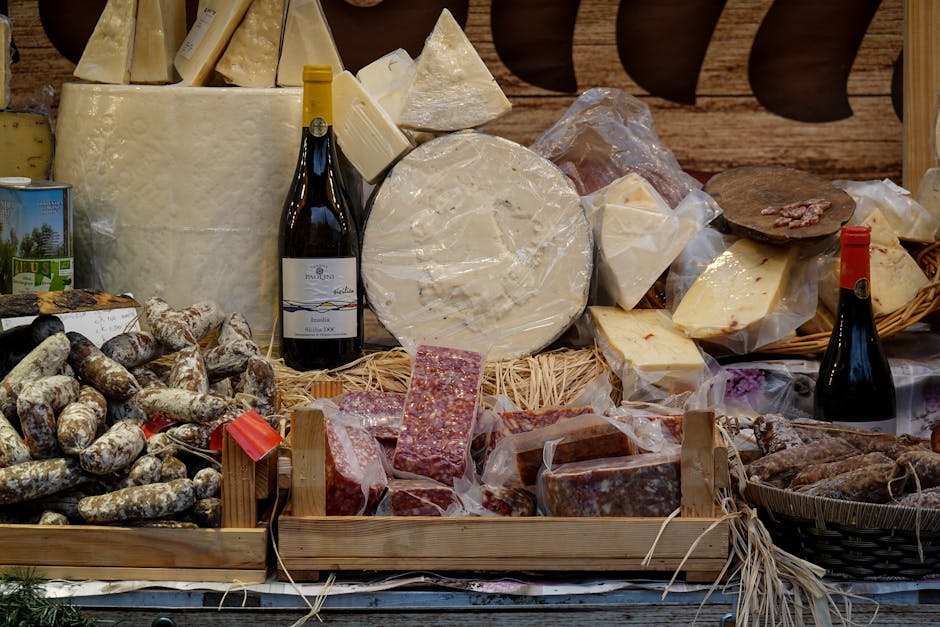
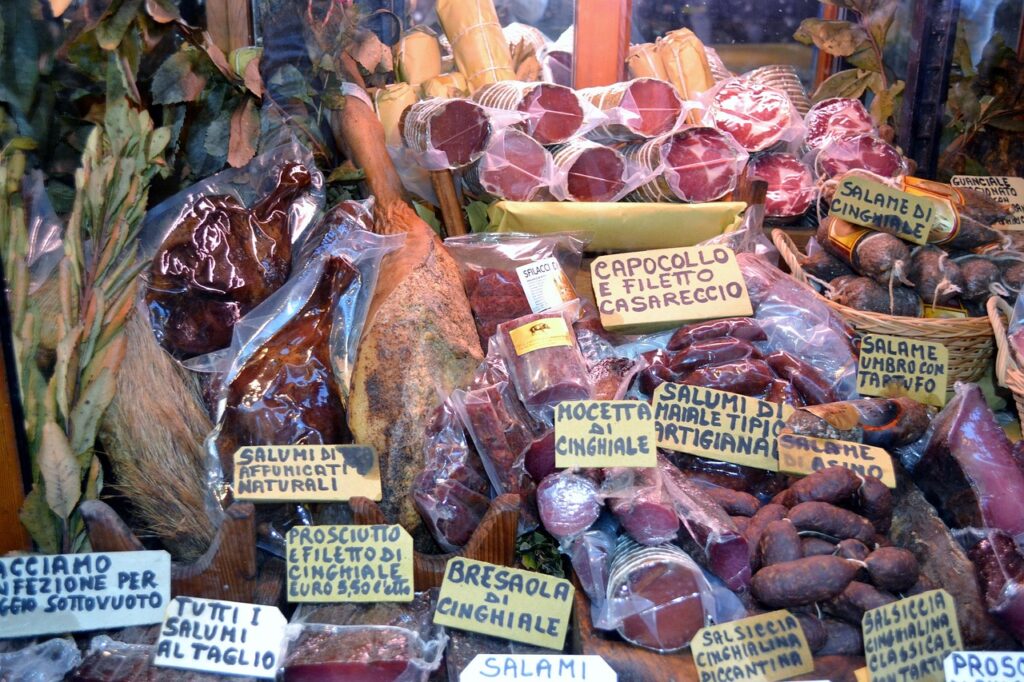
The range of cured meats you’ll encounter in Cuneo reflects Alpine influences and Piedmont’s rural culture. Among the must-tries are coppa (pork shoulder), local salame, lardo cured with herbs, and regional specialties like salsiccia secca. Here’s a sensory and practical roundup:
- Salame di Cuneo: typically made with local pork, coarsely chopped and seasoned with salt, pepper and sometimes garlic. Maturation ranges from 30 to 90 days. Average price: €12–20/kg depending on quality. Texture: firm yet melting, with a clean fatty aroma. Buy it at stalls on Piazza Galimberti or at the Mercato Coperto di Cuneo.
- Coppa: a more marbled cut, usually sliced thin to reveal a delicately spiced flavor. Average price: €15–25/kg. Best enjoyed: thin slices at room temperature with a piece of rustic bread.
- Lardo affiné: a layer of fat cured with salt and aromatics (rosemary, black pepper, sometimes Alpine myrtle). Price: €20–35/kg. Enjoy in very thin slivers on toasted bread or paired with fresh figs.
- Salsiccia secca: a dry sausage with a spicier profile, sometimes lightly smoked. Price: €10–18/kg. Perfect for an aperitif with a light Piedmont red.
Look out for small family-run producers around Cuneo who often offer visits or direct sales. Example: Azienda Agricola La Baita (typical address: Strada Provinciale 23, località San Rocco, 12100 Cuneo CN — it’s best to call to confirm hours and appointments). Farm prices are generally 10–15% lower than shop prices and provide full traceability (origin of pigs, feed, aging time). Farms frequently sell tasting packs at set prices: for instance, a 300 g platter for €15–20.
Local tasting tips: remove cured meats from the fridge 30–60 minutes before tasting to release aromas. Pair coppa or salame with a slice of country bread (pane casereccio) and a local wine like Barbera d’Alba or Dolcetto d’Alba. For storage: prefer vacuum sealing for travel, or wrap in greaseproof paper and place in the coolest part of your fridge (0–4 °C); consume sliced portions within 7–10 days.
Associated Artisanal Products: Cheeses, Condiments & Piedmontese Sweets
Cuneo’s stalls aren’t limited to salumi: you’ll also find mountain cheeses, forest preserves, single-flower honeys and other handcrafted preparations. Piedmont excels at pairing cured meats with sweet or acidic elements—think a slice of salami with quince jam or a spoonful of chestnut honey.
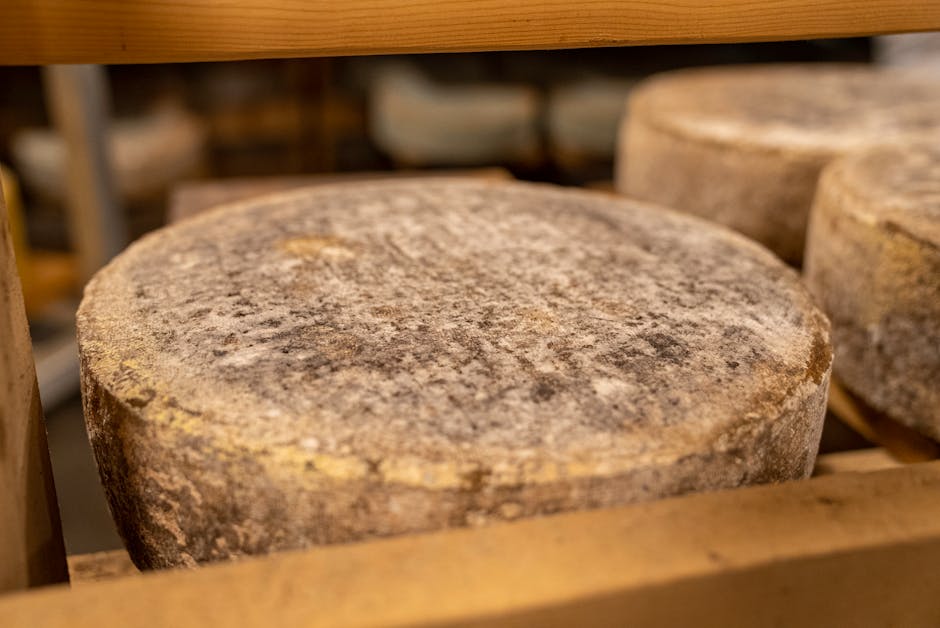
Cheeses: look for toma Piemontese (toma di Cuneo), a semi-aged cow’s milk cheese (30–90 days). Typical address: Caseificio Sociale di Cuneo, Via Borgo San Pietro, 14, 12100 Cuneo CN (usual hours: 08:00–12:30 / 15:00–19:00, closed Sunday morning; price: €12–18/kg depending on aging). Local cheesemongers also sell younger tomes (from €10/kg) and longer-aged wheels (up to €25/kg).
Condiments & preserves: stalls stock jars of giardiniera (pickled vegetables), local tapenades and artisanal tomato sauces. Prices: €3–7 for a 200–300 g jar. Tip: choose glass jars with sealed caps—they keep for months and travel well.
Honeys & jams: Piedmont’s varied blooms (acacia, chestnut, alpine flowers) mean honey pots range from €5 to €12 for 250 g. Mountain millefiori honey is intensely aromatic and pairs wonderfully with soft cheeses, while fig jam complements fattier charcuterie perfectly.
Sweets: don’t miss small dry biscuits (biscotti alle nocciole) and Piedmont’s hazelnut specialties. The Tonda Gentile delle Langhe hazelnuts are often turned into creams and pralines; indicative price: €8–20 per pack depending on preparation (praline, hazelnut paste, torrone).
To assemble a successful Piedmontese platter: combine 150–200 g of assorted cured meats, 100–150 g of toma or aged cheese, 2–3 condiments (honey, jam, giardiniera), some rustic breads and a handful of walnuts or hazelnuts. Approximate cost for two people: €20–40 depending on quality and selection.
Practical Tips, Routes & Useful Addresses to Optimize Your Shopping
Before you head out to Cuneo’s markets, here are practical tips to save time, avoid disappointment and bring home products in perfect condition:
- Best times to visit: early morning (07:30–09:30) to find the freshest products and chat calmly with producers. Avoid the market’s final hour if you want the widest selection, though you may score discounts at the end.
- Transporting purchases: bring a portable cooler for sensitive items, especially in summer. For train or plane trips, ask the vendor to vacuum-seal your purchases (cost: about €1–3 per bag). Whole pieces are often cheaper and hold up better for transport.
- Talking to vendors: handy Italian phrases: “Posso assaggiare?” (Can I taste?), “Quanto costa al chilo?” (What’s the price per kilo?), “Lo posso avere sottovuoto?” (Can you vacuum-seal it?). Vendors appreciate genuine interest and may speak some English, but basic Italian often opens the best conversations.
- Budget guide: for a day of culinary discoveries, plan €25–60 per person if you’ll buy a few items to take away and taste on the spot. A more indulgent shopping trip with souvenirs can reach €80–150 depending on quantity and quality.
- Useful addresses: Mercato Coperto di Cuneo, Piazza Galimberti 3, 12100 Cuneo CN (08:00–13:00, Mon–Sat), Piazza Galimberti outdoor market (Tue & Sat 07:30–13:00), Corso Nizza and Via Roma (food craft shops and salumerie, variable hours 08:30–12:30 / 15:30–19:30).
If you have half a day or a full day, plan to combine a market visit, an artisanal shop and a local wine cellar: start at the covered market for freshness, drop by a salumeria for made-to-order slices, then finish at a wine shop to find a Piedmont bottle to match your purchases (Barolo, Barbera, Dolcetto). Wine shops on Corso Nizza and Via Roma often host tastings and give pairing advice (tasting fees: €5–15 depending on the number of wines). Happy shopping, and remember that the human exchange with the producer enriches the purchase as much as the product itself.
Experiences & Workshops: Learn Directly from the Artisans
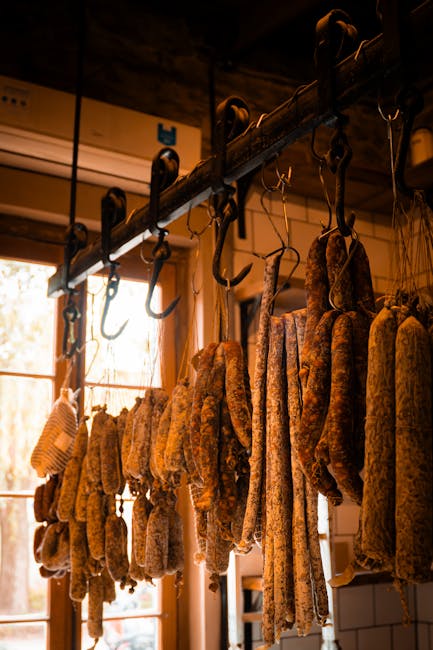
If you want more than tasting, some salumerie and farms around Cuneo run workshops and guided visits. These experiences explain the full process: cutting, curing, drying and aging. For example, several aziende agricole accept visits by appointment and offer cutting workshops or aging demonstrations (workshop prices: roughly €25–60 per person depending on duration and whether a tasting plate is included).
Whether you’re curious about salami making, slicing coppa or the pairing of honey and cheese, these sessions are educational and hands-on. Workshops typically last 1.5–3 hours. They usually begin with a tour of the premises (farm or lab), followed by a practical demonstration and a guided tasting accompanied by local bread and selected wines. Booking recommended: call at least 1–2 weeks ahead, especially in high season (May–September).
Logistics tips: ask if the workshop includes a food hygiene certificate if you’ll handle products, wear closed-toe shoes for farm visits, and plan to bring purchases home vacuum-sealed. Workshops are very popular with food-focused travelers and often offer discounts if you buy products at the end of the session.
Conclusion: Why Cuneo’s Stalls Deserve More Than a Passing Visit
Cuneo’s stalls are more than shopping spots: they embody a territory. Every slice of salami, every piece of coppa and every jar of jam tells a story — of farmers, curing methods, high-altitude aging and recipes passed down through generations. Visiting Cuneo’s markets and shops is a way to experience cuisine rooted in the land and the seasons of Piedmont.
This guide has given you concrete starting points: the Mercato Coperto di Cuneo (Piazza Galimberti, 3, 12100 Cuneo CN) for freshness and variety, Piazza Galimberti for the outdoor market (Tuesday and Saturday mornings), recommended prices and storage tips, plus practical advice for transport and tasting. Beyond the markets, favor small salumerie on Via Roma and Corso Nizza for personalized advice and made-to-order slices, and consider visiting an azienda agricola to learn the origin of the products.
When visiting Cuneo, allow time to talk with producers: those conversations are often the key to successful purchases and unexpected discoveries. Balance your shopping between cured meats, cheeses and condiments to build a classic Piedmontese platter. And remember: quality comes at a price—choose artisanal producers and local makers to get an authentic taste experience. Whether you’re a foodie, curious traveler or professional in the trade, Cuneo’s stalls will offer excellent ingredients and memorable human encounters.