





Introduction: Discovering Piedmont’s Artisans
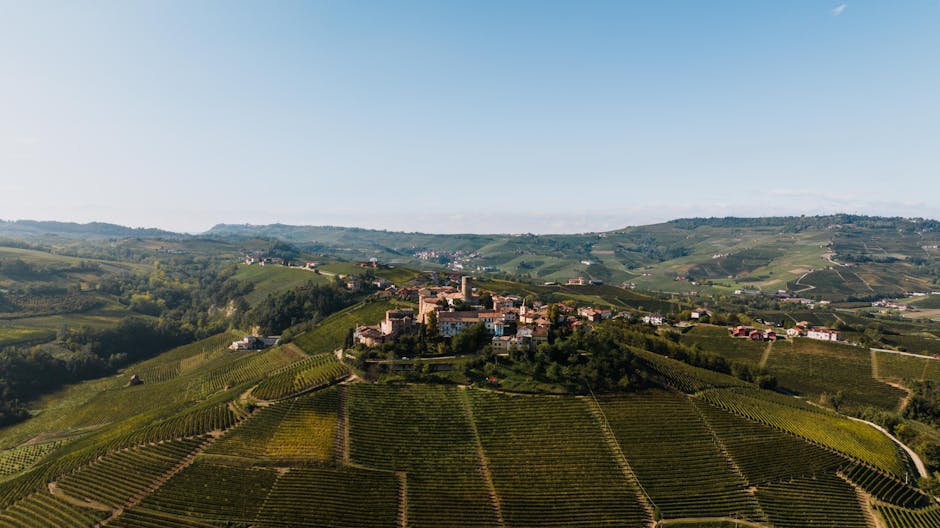
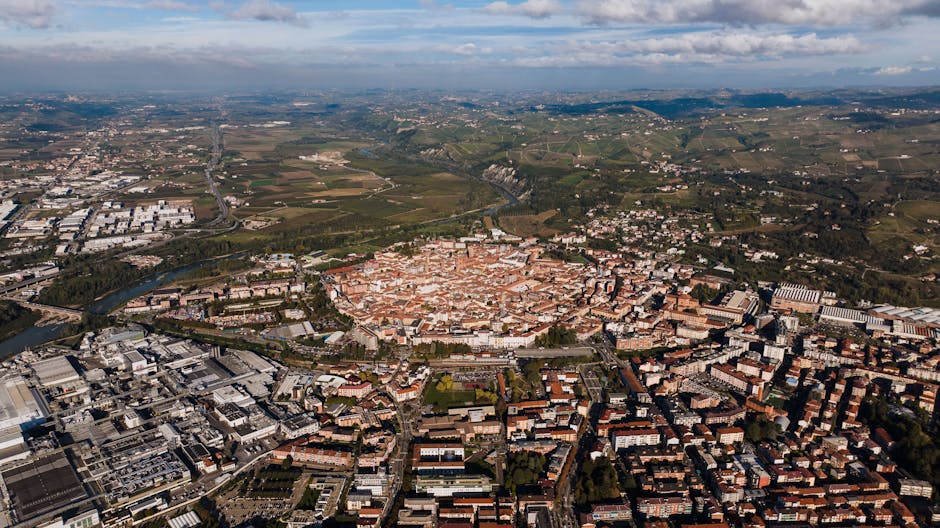
Piedmont, the northwestern Italian region framed by the Alps and ringed by vine-covered hills, is often celebrated for its bold wines and refined cuisine. But behind every bottle of Barolo, every wheel of cheese and every gianduiotto bar, there are hands — gestures passed down through generations, workshops where living artisanal traditions are kept alive. This article takes you on an immersive journey into the studios and shops of Piedmont’s makers — from Turin (Torino) to the wine villages of Alba, Barolo and Monforte d’Alba — revealing not only addresses and practical tips but also production secrets, indicative prices and opening hours to help you plan your visits.
Meeting an artisan means understanding that the object or product is the result of a local story: the slow roasting of cocoa in a small Turin lab, a potter’s wheel turning in Cherasco, the patient maturation of mountain cheese in Cuneo, or the precise movements of a shoemaker shaping a leather pair of shoes by traditional methods. These items are more than purchases — they’re direct connections to the land: a tangible link between soil, climate and human hands. Here I point you to places where you can watch, chat and sometimes get hands-on.
This article includes practical details: full names of the places and monuments where artisans exhibit, exact addresses for your GPS, prices in euros for workshops or signature products, opening times and local tips to make the most of each visit. I chose locations that showcase Piedmont’s diversity: chocolatiers and roasters in Turin, master cheesemakers and affineurs in Cuneo province, ceramicists and luthiers in Alba and Bra, and textile and leather workshops in Asti and Alessandria. You’ll also find recommendations on the best season to witness certain production steps (harvests, aging, harvest festivals), how to photograph without disturbing the work and what to buy depending on your budget.
Throughout the sections, you’ll read visit accounts, suggested walking routes, links to local monuments and markets, and tips for buying directly — for example, asking a chocolatier about cocoa percentage or a cheesemaker the exact aging date. Whether you’re a curious traveler, an epicurean, a photographer or a collector of unique pieces, this guide gives you the keys to discover Piedmont’s artisans and bring home more than a souvenir: a story to tell.
Chocolatiers & Masters of Gianduja: Turin, the Piedmont Cocoa Capital
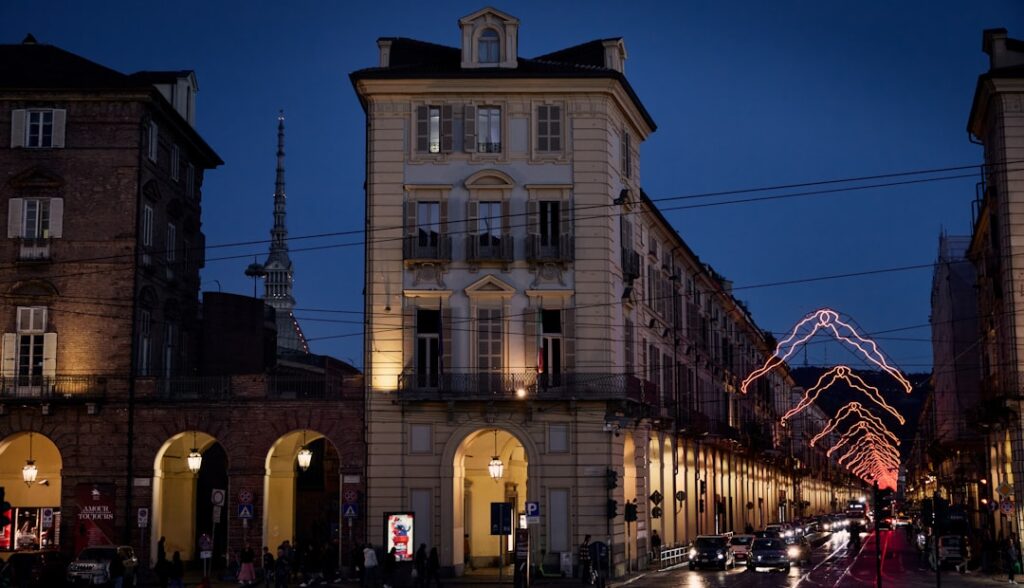
Turin, Piedmont’s capital, built its chocolate reputation as far back as the 18th century. The city is the birthplace of gianduja — that silky hazelnut-praline paste from the region — and still hosts artisanal houses where chocolate is made the traditional way. A trip to Turin isn’t complete without stopping at a few historic shops where you can see chocolate tempering, smell the roasted hazelnut aroma and taste hand-shaped pralines.
A must-visit: the shop-workshop of Guido Gobino, famous for its gianduiotti and high-end chocolate bars. Address: Guido Gobino – Via Lagrange 17, 10123 Torino. Opening hours: Monday–Saturday 09:30–19:30, Sunday 10:00–14:00. Indicative prices: individual gianduiotti €1.20–2.50 each, 100 g bar €6–12 depending on selection. You can sometimes catch morning molding demonstrations; the shop also offers gift boxes and bars studded with Piemonte IGP hazelnuts.
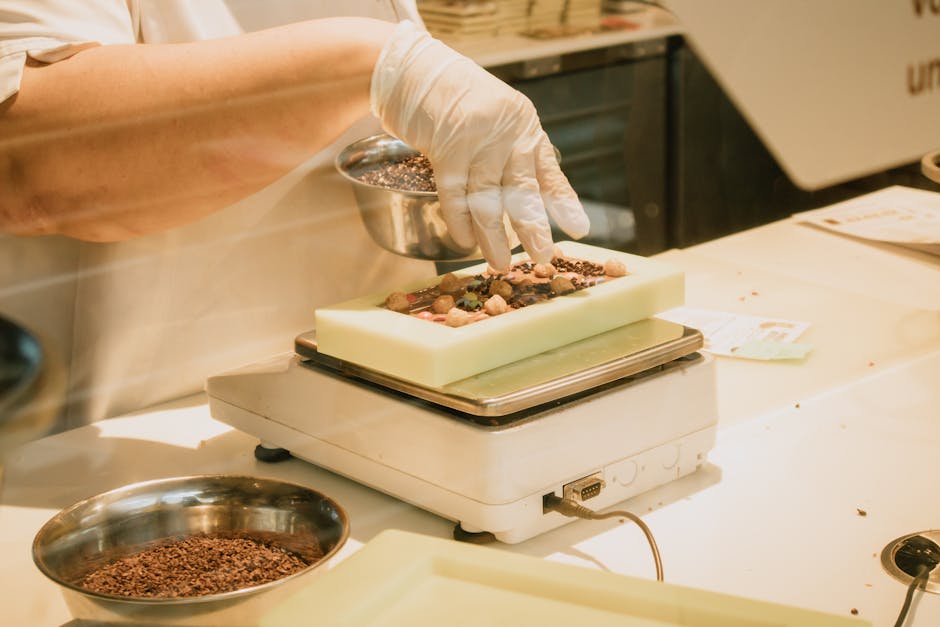
Another place to note: Caffarel – Via Garibaldi 10, 10122 Torino (historic shop and tasting area). Hours: daily 09:00–20:00. Caffarel offers guided visits of its workshop by reservation (price €10–18 per person for a short visit and tasting). Specialties include classic gianduiotti and seasonal flavors like orange zest or chili, often released in limited editions.
Practical tips: arrive in the morning to watch tempering and molding; bring an insulated bag if you’re traveling in summer to keep your purchases cool. For a deeper visit, contact the shop 2–3 weeks ahead — some workshops rent their labs to small groups (8–12 people) from €80–120 per person including a demonstration and guided tasting. Don’t hesitate to ask the master chocolatier about the hazelnut origin: the “Nocciola Piemonte IGP” label is a mark of regional excellence.
Cheesemakers & Affineurs: From Mountain Milk to Aging Caves
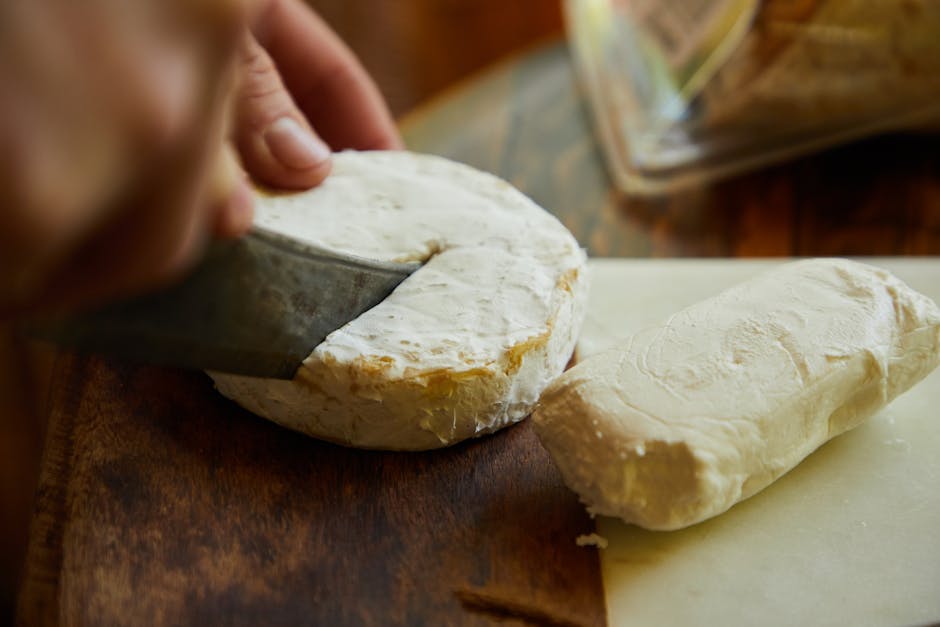
Piedmont is renowned for mountain cheeses: Castelmagno PDO, toma, and a host of farmhouse products that derive their character from alpine pastures. Small dairies (caseifici) and local affineurs offer visits where you can follow milk from raw-to-aging, smell the damp cave air and taste cheeses at different maturation stages. These experiences are particularly rich in Cuneo province, around places like Demonte and the Grana valley.
A recommended stop: Caseificio Sociale di Monforte d’Alba – Via Alba 45, 12065 Monforte d’Alba (CN). Opening hours: Monday–Saturday 08:30–12:30 and 14:30–18:30, closed Sunday. Visits: by reservation, guided tours €12–20 per person including tastings of toma, robiola and tomini. The focus here is on seasonal pasture rotation and local breed husbandry.
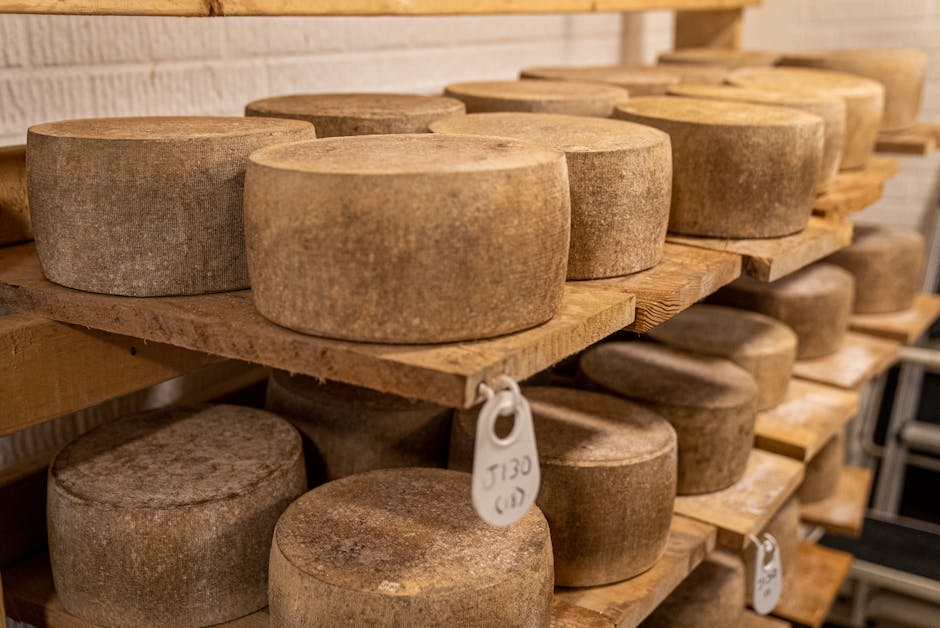
To discover Castelmagno — a pressed cheese with a distinct character: Cooperativa Produttori Castelmagno – Frazione Vignolo, 12020 Castelmagno (CN). Welcome hours: by appointment, generally 09:00–17:00. Prices: whole wheels on request (price per kilo varies, typically €25–40/kg), retail portions €5–12 depending on aging. The visit explains the role of natural caves and how the alpine climate affects molds and flavor development.
Practical tips: bring a light jacket — aging caves are cool (12–16 °C). Buy vacuum-packed cheese for air travel, or ask the dairy if they ship (often charged €10–20 within Italy depending on destination). If you want to witness milking or animal care, aim for spring and summer when flocks graze and dairies produce their most flavor-rich specialties.
Ceramics, Woodwork & Fine Crafts: Charming Workshops in Cherasco and Alba
Beyond food, Piedmont is rich in artisans working clay, wood and fibers to create both functional objects and artworks. In towns like Cherasco, Alba and Bra you’ll find potters’ studios, marquetry workshops and luthiers who build violins and guitars using traditional techniques.
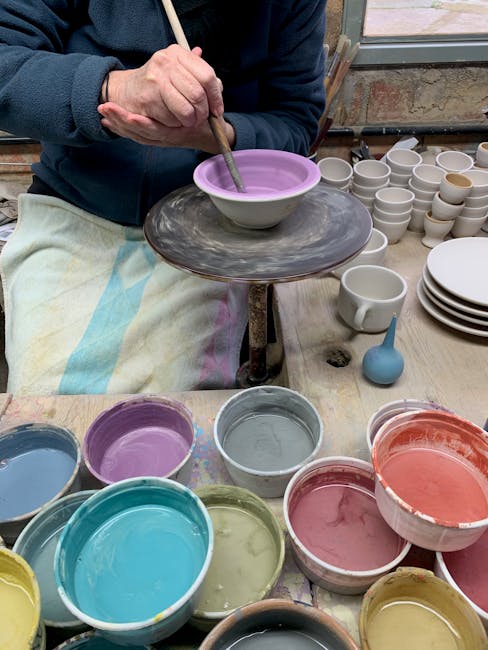
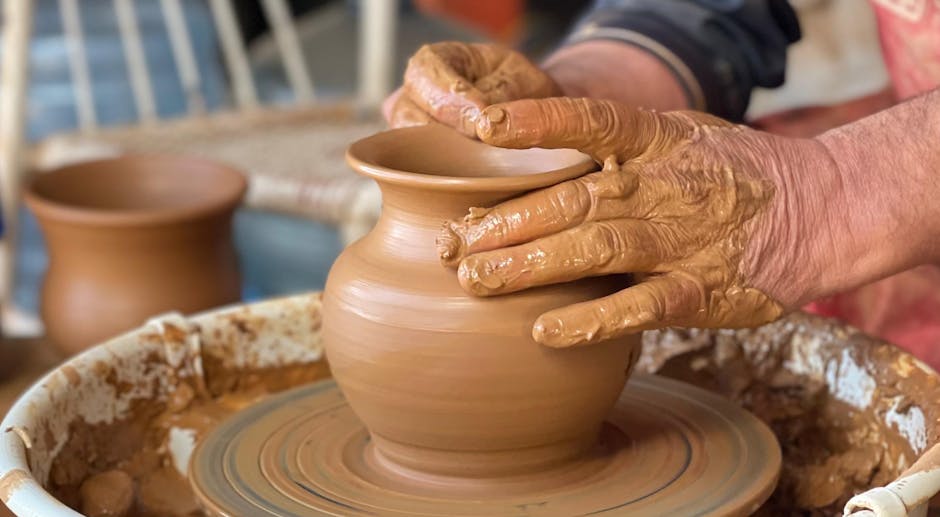
In Cherasco, an interesting studio is Atelier della Ceramica – Via Vittorio Emanuele 22, 12062 Cherasco (CN). Hours: Tuesday–Saturday 09:30–13:00 and 15:00–19:00, closed Monday. Prices: small decorative items €15–40, bowls and plates €30–90, half-day ceramics workshops €45–60 per person. You can watch throwing, glazing and firing in a traditional gas kiln. Many pieces feature motifs inspired by Piedmont’s rolling hill landscapes.
In Alba, known for its truffle fair, you’ll also find luthiers and leatherworkers. For example: Laboratorio Liutaio Rossi – Via Vittorio Veneto 10, 12051 Alba (CN). Hours: Monday–Friday 09:00–13:00 and 15:00–18:00, Saturday by appointment. Prices: setups and repairs from €30, custom instruments €1,200–8,000 depending on wood and finish. The luthier explains the choice of spruce and maple and demonstrates the slow, hand-applied glues and finishes.
Practical tips: if you’re bringing home a fragile piece, ask the studio about reinforced packaging or international shipping (often €15–35). For luthier workshops, book an afternoon visit — that’s often when artisans work on fine finishing. Kiln activity is reduced in winter; spring and autumn are best for frequent firings.
Winemakers & Barolisti: Terroir Sommeliers and Historic Cellars
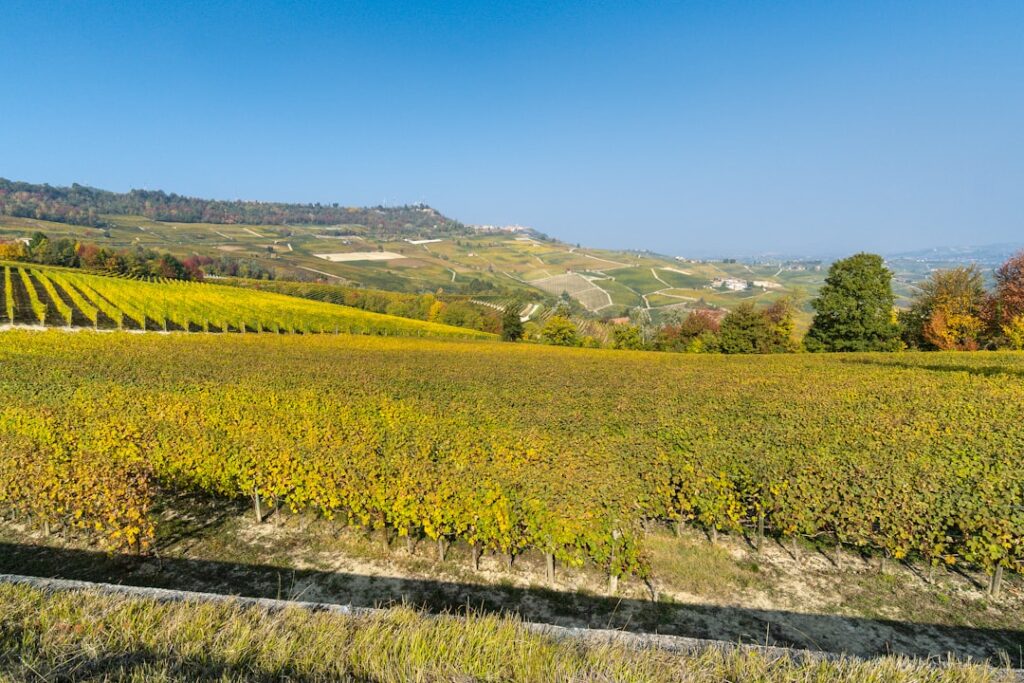
The hills of the Langhe and Roero are Piedmont’s wine heartland, home to Barolo, Barbaresco and other globally renowned crus. Local winemakers know how to tell the land’s story through vine, fermentation and barrel aging. Many cellars open their doors for vertical tastings and tours of their vinification spaces, revealing secrets about wood, maceration and microclimates that make the difference.
For an iconic experience, visit Marchesi di Barolo – Piazza Carlo Alberto 4, 12060 Barolo (CN). Cellar and wine shop hours: April–October 09:30–18:30, November–March 10:00–17:00. Prices: standard tasting €15–25 per person (3 wines), premium tasting €35–60 (special vintage selections), guided tours of historic cellars €20–40. Marchesi di Barolo also has a small wine museum displaying old tools and historic amphorae.
Another reference: Vietti – Località Rocche 1, 12050 Castiglione Falletto (CN), famed for its single-estate Barolos. Hours: mainly by appointment, cellar open 09:00–17:00. Tasting prices: €20–50 depending on selection; private barrel and cellar tours from €60–120 per person. Vietti is known for precise terroir expression and thoughtful use of oak.
Tips: always book tastings 1–3 weeks in advance, especially in high season (September–October, spring). Dress comfortably for walking among the vines and bring cash to buy bottles: cellars often offer vintages hard to find outside Italy. If you plan to ship wine, ask wineries about international shipping options and check your country’s customs rules before buying in volume.
Textiles, Tanning & Leatherwork: Traditional Workshops in Asti and Alessandria
Piedmont also has a long tradition in leather and textile work. In Asti, Alessandria and small artisan towns, workshops make bags, belts and shoes in small runs. Local tanners favor controlled-origin hides and natural dyes, while tailors work on made-to-measure pieces and hand-stitched finishes.
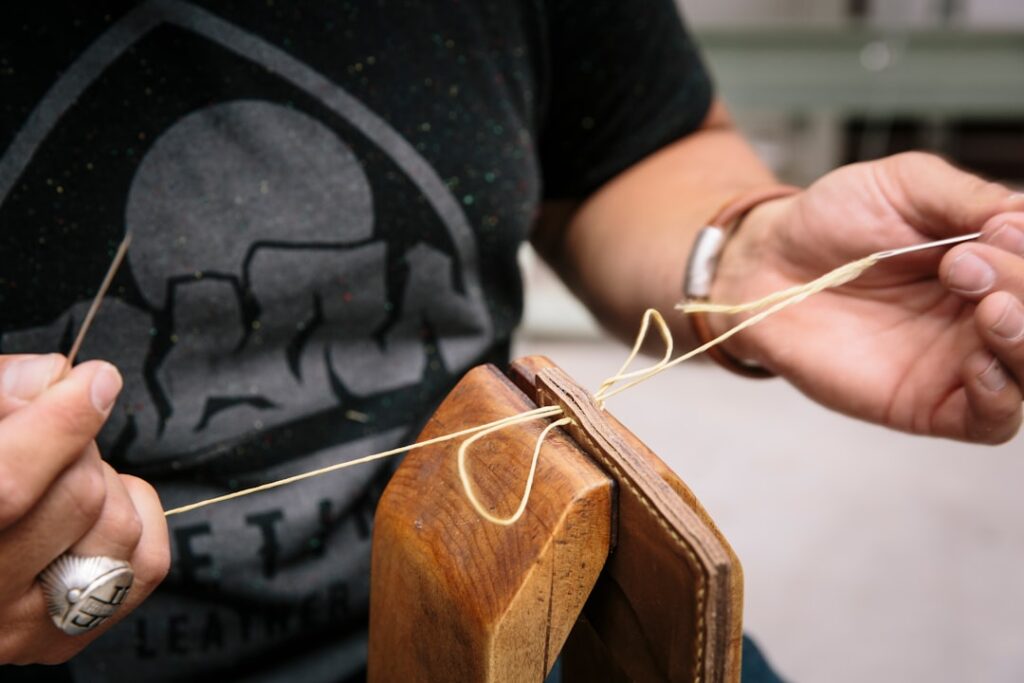
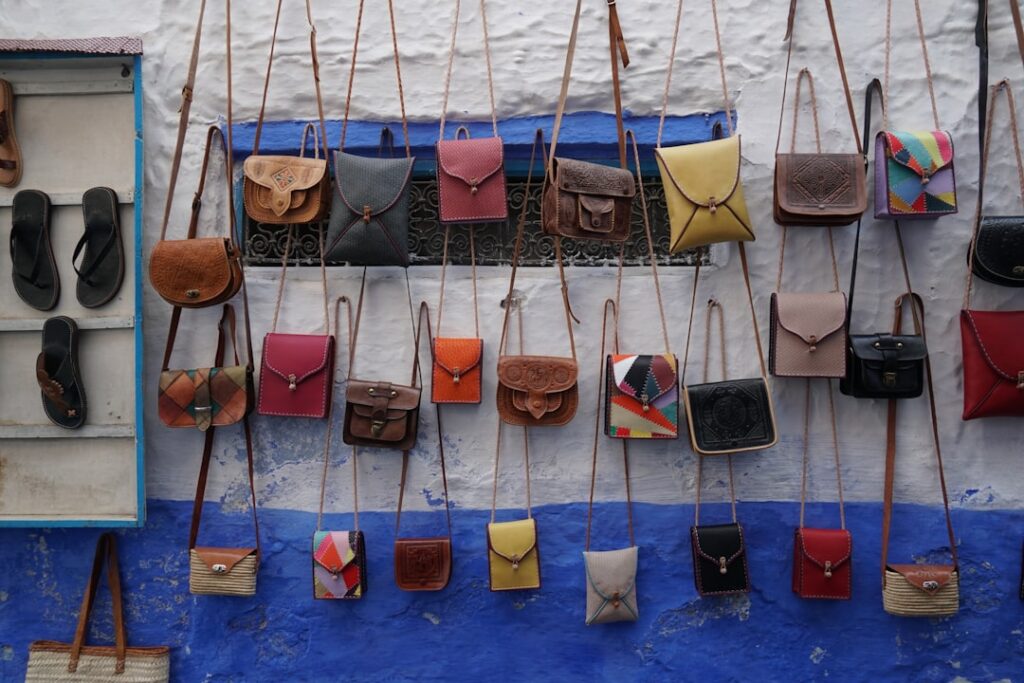
In Asti, visit Bottega Pelle & Cuoio – Via XX Settembre 31, 14100 Asti (AT). Hours: Tuesday–Saturday 09:00–13:00 and 15:00–19:00. Prices: coin purses and belts €25–90, small bags €120–350, bespoke shoes from €350–900 depending on model. The workshop offers repair and patina services, and sometimes runs leather introduction workshops (half-day €55–80).
In Alessandria, the Scuola di Taglio e Sartoria – Via Parma 12, 15121 Alessandria (AL) combines training with artisanal production. Hours: Monday–Friday 09:00–18:00, weekend workshops by reservation. Course prices: evening class (10 sessions) €120–240, weekend intensive €80–150 depending on length. You’ll see pattern cutting, assembly and lining insertion — ideal if you want to understand a bag or jacket’s construction.
Practical tips: when buying leather, identify the hide (cowhide, calf, goat) and ask for a certificate if possible. Workshops can apply water-resistant finishes (€20–40 extra). Leather items take up little space but can be heavy: check baggage weight limits if you’re flying.
Local Practical Tips for Visiting Workshops and Buying Consciously
Visiting artisans requires respect and a bit of preparation. Here are on-the-ground tips to optimize your encounters and purchases in Piedmont.
- Booking: most workshops and cellars require prior reservation, especially in high season (harvest, Alba truffle fair in October–November). Plan 1–3 weeks ahead.
- Hours: many artisans close in the afternoon between 13:00 and 15:30; schedule visits for the morning or late afternoon. Weekends: some small shops are closed on Sundays.
- Language: many artisans speak at least basic English, but learning a few Italian phrases (hello, thank you, I’d like to visit) eases communication and shows respect.
- Transport: a car is often the most flexible way to reach the hills. From Turin to Barolo expect about 1h15–1h30 by car. Public transport exists but can be less frequent on weekends.
- Prices & payment: most accept cards, but prefer cash for small shops. Prices vary widely: from small souvenirs €5–10 to bespoke pieces exceeding €500–1,000.
- Photography: ask permission before photographing inside workshops; some artisans use proprietary recipes or techniques they wish to keep private.
- Packing & transport: for fragile or perishable products (chocolate, cheese), request insulated packaging. Many workshops offer shipping services to avoid customs and logistics headaches.
- Seasonality: some activities are seasonal (milking, harvests, seasonal firings); check ahead if you want to witness key moments.
Recommended Routes & Immersive Experiences
To make the most of your days, here are two themed itineraries — one focused on artisan gastronomy and the other on fine crafts — with suggested durations and timing.
Gastronomy route (1 day, departing Turin): depart 08:30, stop at the Mercato di Porta Palazzo – Piazza della Repubblica, 10152 Torino (open-air market, 06:00–14:00). Breakfast with local products €6–12. Then at 10:30 a guided visit to a chocolatier (Guido Gobino – Via Lagrange 17) 11:00–12:30 (demonstration + tasting, €15–25). Lunch in Alba — pizza or a truffle dish depending on season (€15–30). Afternoon: visit a caseificio in Monforte d’Alba (14:30–16:00, tasting €12–20). Return to Turin in the evening.
Crafts route (2 days): day 1 in Cherasco and Alba: morning ceramics workshop (09:30–12:30, intro course €45–60), lunch at a local trattoria (€15–25), afternoon at a luthier in Alba (15:00–17:00). Overnight in Alba (room €70–140). Day 2: Asti for leather workshops (09:30–12:30), lunch, then visit a tailoring school in Alessandria in the afternoon.
Tips: leave buffer time between appointments to wander, visit a local monument (Cathedral of San Giovanni in Torino, Piazza Castello in Turin) or simply enjoy a coffee on a terrace. The best artisan encounters often start with a short conversation after purchase: ask the story behind the item and you’ll open a world of craftsmanship.
Conclusion: Bringing Home More Than an Object — A Memory of Piedmont
Visiting Piedmont’s artisans is like following an emotional map that links mountains, hills and towns through gestures and materials. Each maker opens a window on local history: the slow roasting of cocoa beans, the patient aging of mountain cheeses, the steady spin of a potter’s wheel, the fine strokes of a shoemaker. These experiences immerse you in the region and let you take home something intangible — a technique explained, a memorable scent, a shared feeling.
Practically, prepare your visits by booking ahead, taking local opening hours and seasonality into account. Pack an insulated bag for perishables, budget flexibly (from a few euros for souvenirs to several hundred for bespoke pieces or collectible vintages) and bring curiosity. Don’t forget the sustainability angle: buying directly supports short supply chains, helps families and micro-enterprises, and values techniques threatened by industrialization.
Finally, bringing a handcrafted object back from Piedmont means taking home part of its story: always ask about the piece’s origin, the materials used and note the artisan’s name. These details turn a purchase into a living memory and give your souvenirs greater depth. Whether you come for Alba truffles, a gianduiotto, a wheel of Castelmagno or a handmade ceramic, let the artisans guide you — they are the best interpreters of Piedmont’s culture.
Safe travels and rewarding encounters: in Piedmont, a journey is measured by the quality of the hands you meet and the generosity of the stories they share.