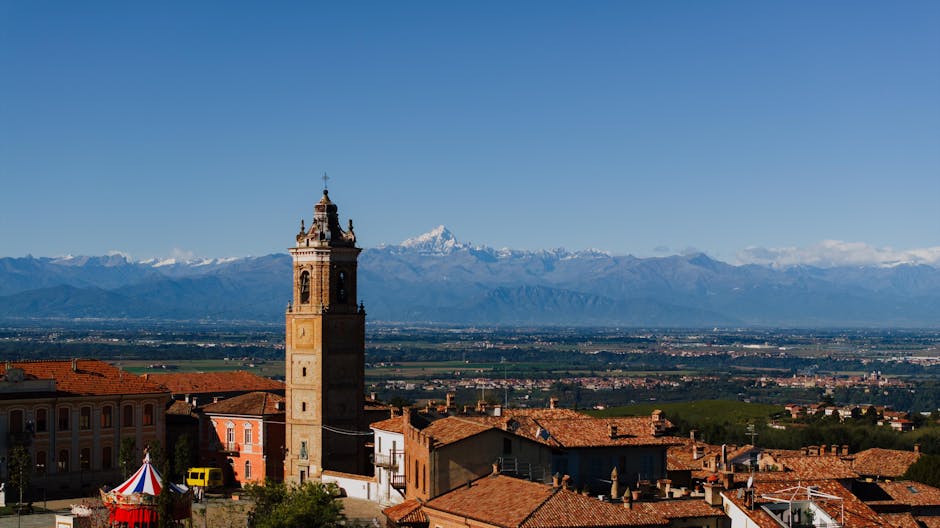





Introduction — Panoramic Road-Trip: From Monviso to the Langhe
Piedmont offers one of Italy’s most photogenic and culturally rich driving routes: from the Monviso massif, the “queen mountain” that overlooks the Po’s source, to the gentle, UNESCO-like hills of the Langhe, birthplace of Barolo and a deep wine culture. This panoramic road‑trip is aimed at travelers who want to blend alpine vistas, medieval villages, winding wine roads, authentic tastings and outstanding cuisine — all at a relaxed pace so you can savor each panorama and every flavor.
In this practical, general guide you’ll find an immersive route description, recommended stops, exact addresses (town halls, sites, museums), timing tips, indicative prices in euros and local advice to make the most of your experience. Whether you start in the small alpine village of Crissolo at Pian del Re (the Po’s source) or begin your loop from Saluzzo or Cuneo, this itinerary leads you into the Langhe wine region: Barolo, La Morra, Neive and Alba. The main roads used are SP 234 and SP7, complemented by smaller local roads winding through vineyards and woodlands.
This guide is designed for a 2 to 5 day road‑trip depending on your appetite for hiking and tastings. It highlights must‑see visual stops, precise recommendations for visiting museums and cellars (opening hours and indicative prices), plus practical tips: fuel, parking, best seasons (spring for blooms, autumn for harvest and Alba’s Truffle Fair), and local driving rules. You’ll also find suggestions for short walks — for example the ascent to Pian del Re to touch the Po’s source, or the viewpoint stroll in La Morra at sunset — and unmissable culinary experiences: Alba truffles, tajarin, brasato al Barolo.
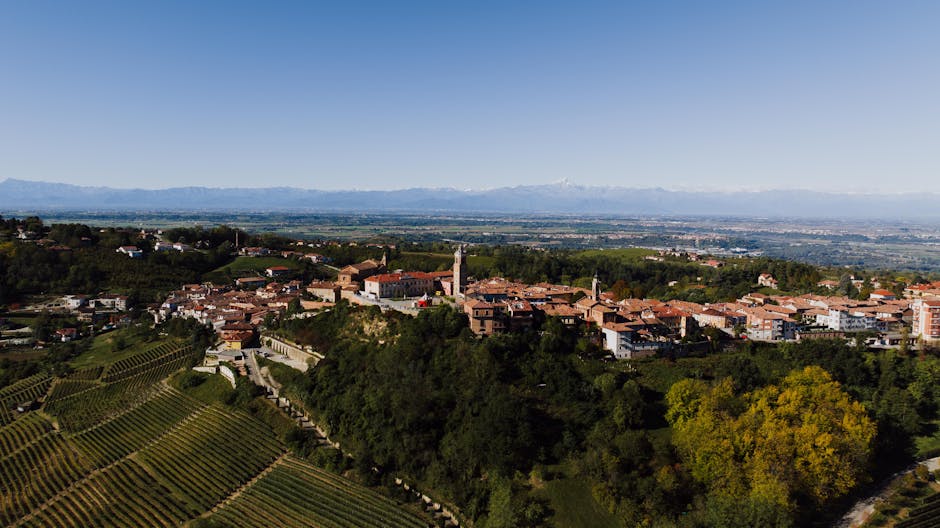
Throughout the article image markers will help you picture the most spectacular stages: snow-capped peaks, alpine meadows, vine-lined roads and medieval squares. Prepare your vehicle: narrow mountain roads, paid parking in historic centers (bring coins or an app), and sometimes ZTL (limited traffic zones) in villages. The addresses and hours provided will help you plan each stop calmly. Set off on this sensory journey where Monviso’s raw nature meets the cultural and gastronomic elegance of the Langhe.
1) Departure and discoveries around Monviso, Crissolo and Pian del Re
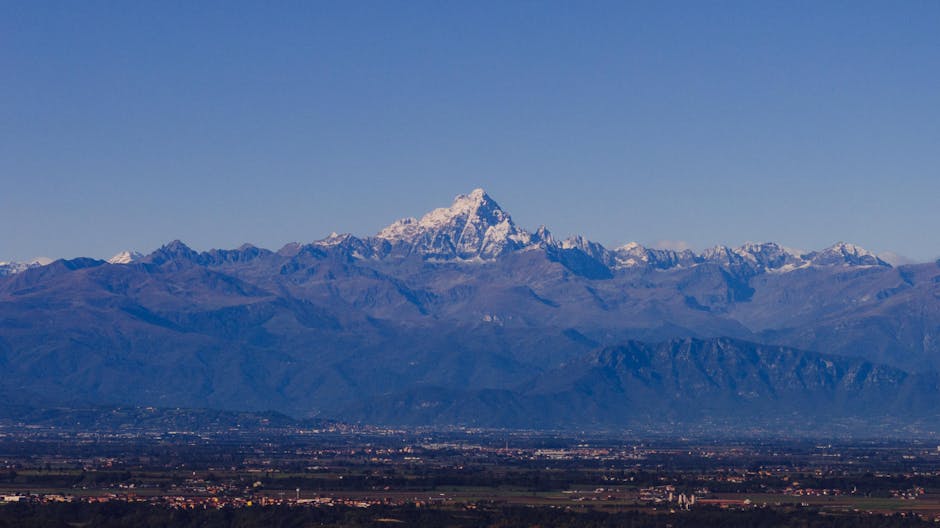
Start your road‑trip at the foot of Monviso, the emblematic massif of Piedmont (Monte Viso, 3,841 m). The village of Crissolo is the most convenient gateway. Useful address: Commune di Crissolo, Piazza Municipio 1, 12030 Crissolo (CN). The small tourist office (Ufficio Turistico) is often located in the town hall or on the main square; seasonal hours: 9:00–12:30 and 14:30–18:00. For the most iconic hike head to Località Pian del Re — the Po’s source — located at Località Pian del Re, 12030 Crissolo (CN). The trail from Crissolo is well marked: allow 1h30 for a gentle ascent (30–40 minutes in summer if you drive up to the parking lot).
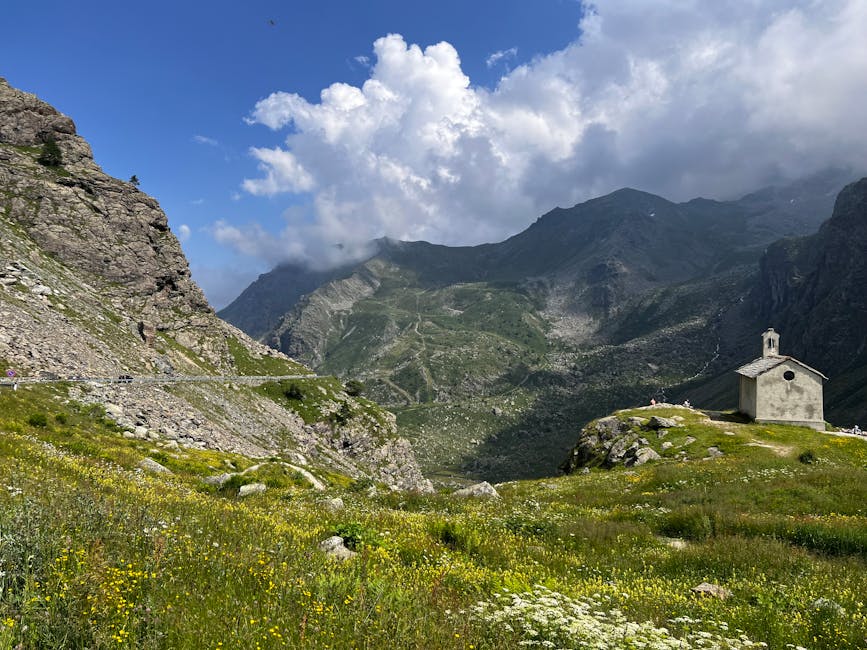
Access and parking: Pian del Re car park (expect €5–€10 per day depending on season); some years the car park is monitored and paid only in high season (July–August). Practical tips: hiking boots, windbreaker, water. Immersive description: the alpine meadows around Pian del Re are carpeted with gentians in spring and offer a frontal panorama of Monviso, whose peak slices the sky like a spear. It’s a place of great calm ideal for photography and easy hiking.
Recommended activities: hike up to Rifugio Quintino Sella (if experienced) or enjoy family‑friendly walks in the reserve. For a simple local meal, Rifugio Pian del Re offers rustic dishes; check seasonal opening times (often 8:00–20:00 in summer, closed or limited off season). Useful info: pharmacies and fuel are available in nearby villages like Ostana or Saluzzo (see the itinerary below). Morning ascents often provide soft light perfect for photographing the ridgelines.
2) Crossing the valleys to Saluzzo and Cuneo: culture and architecture
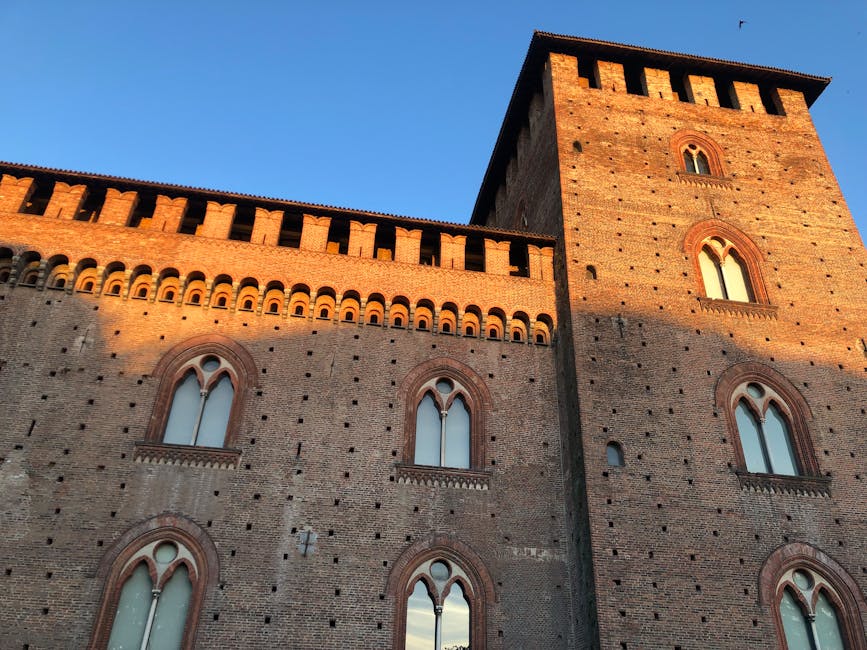
After Monviso’s slopes, descend toward Saluzzo, a highly photogenic medieval town. Old town address: Piazza Castello, 12037 Saluzzo (CN). In Saluzzo, wander the historic heart and visit the Castiglia (Castello di Saluzzo) located at Via Castiglia 1, 12037 Saluzzo (CN). Approximate opening hours: 9:00–13:00 and 15:00–18:00 (check the local site), entrance fees around €3–€5 depending on temporary exhibitions. Saluzzo is ideal for lunch: try a local osteria serving tajarin or bagna cauda.
Continue on to Cuneo, the provincial capital, for an urban break and shopping. Recommended address: Piazza Galimberti, 9, 12100 Cuneo (CN) — the city’s central square. Cuneo offers wide arcades, historic cafés and food markets. Museum hours: most open 10:00–18:00; cafés and pastries are usually available from 7:30. Parking: public paid lots around the center (about €1.5–€2.0 / hour).
Local tips: visit a local market (often on Wednesdays and Saturdays) to buy Piedmontese cheeses and cured meats; pick up a bottle of local wine before you hit the road. The stretch between Saluzzo and Cuneo provides views over the plain and the first hills of the Langhe, signaling a change of scenery toward rolling vineyards.
3) The Langhe: Barolo, La Morra, Neive, Alba — wine, truffles and vistas
The Langhe are the crescendo of this road‑trip. Start in Barolo: must‑see address — Castello Falletti di Barolo (WiMu – Wine Museum), Piazza Falletti, 1, 12060 Barolo (CN). WiMu (wine museum) is generally open 10:00–18:00; adult ticket about €10 (discounts for seniors and students). Touring the castle/museum gives historical context on Nebbiolo, aging techniques and Barolo’s rise to fame.
Head to La Morra for sunset at the viewpoint. Recommended observation point: Belvedere di La Morra, Piazza Umberto I, 12064 La Morra (CN) — the upper square offers sweeping views over the vineyards. Hours: access is free; nearby parking fees vary (often €2–€4 per day). Description: rolling hills, hexagonal vine rows and low stone walls create a spectacular color palette in autumn.
Neive is another medieval gem worth a detour: Piazza Italia, 2, 12052 Neive (CN). Stroll its cobbled lanes, visit local cellars and enjoy lunch at an osteria. Alba — central address: Piazza Risorgimento, 12051 Alba (CN) — is the gastronomic capital: in autumn the Fiera Internazionale del Tartufo Bianco d’Alba draws visitors worldwide (usually late October through November). Markets and stalls offer tastings; restaurants often feature truffle menus at variable prices (truffle dinners €40–€120 depending on the venue).
Tastings and bookings: to visit wineries and join tastings in Barolo estates, book ahead (typical costs €10–€30 per person for a tasting of 3–5 wines; guided tours are pricier). Cellar hours: often 9:30–12:30 and 14:30–18:00; some closed on certain Sundays. Local tip: ask to taste a « Barolo Riserva » to appreciate the terroir’s complexity.
Conclusion — Practical tips and suggested itineraries
This road‑trip from Monviso to the Langhe combines mountains, history, wine and gastronomy. To make the most of it plan for at least 2–4 days. Express suggested route (2 days): Crissolo / Pian del Re (morning) → Saluzzo (afternoon) → Barolo (evening). Relaxed itinerary (4–5 days): Crissolo (Day 1), Saluzzo and Cuneo (Day 2), La Morra / Barolo / Neive (Day 3), Alba and tastings + return (Day 4). Consider the season: spring and autumn offer exceptional light; winter is beautiful for snow‑capped peaks but some high‑altitude roads may be closed.
Practical: check updated museum and cellar hours before you set off (especially off season), book tastings in advance, carry cash and use a parking app (BePark, EasyPark). Fuel: stations are mainly open in towns; in mountain valleys opening hours can be limited, so bring a road map or offline GPS. Driving: respect limits, some secondary roads are narrow and winding; avoid village rush hours.
Local experiences not to miss: touch the Po’s source at Pian del Re, have a coffee in a medieval square in Saluzzo, visit WiMu at Castello Falletti di Barolo (Piazza Falletti, 1, 12060 Barolo CN, around €10, 10:00–18:00), and savor a truffle dinner in Alba (Piazza Risorgimento, 12051 Alba CN) during the season. Finally, leave time to turn off onto a side road at random: Piedmont’s beauty often reveals itself in these unexpected views and small family‑run osterias where warmth complements the landscape.
Safe travels — and don’t forget your camera, comfortable walking shoes and a good bottle of Barolo to bring home as a souvenir.