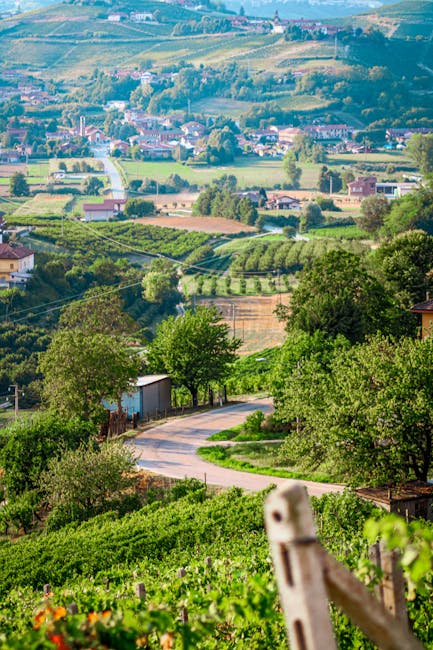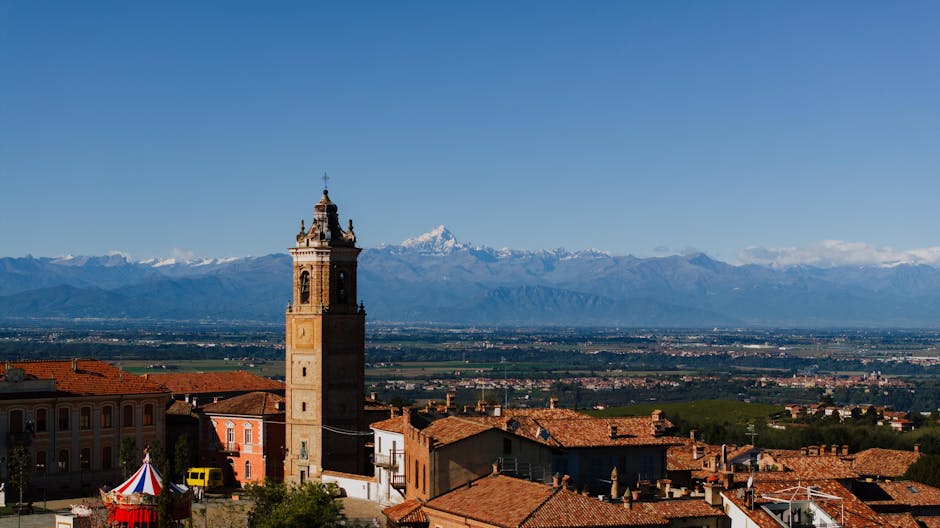






Introduction: Glassmakers and glassblowers on the Piedmont plateau — why you should visit
Piedmont, a region rich in terroir, history and craftsmanship, hides a precious network of glass workshops where tradition meets contemporary design. The « glassmakers » and « glassblowers » — artisans who shape glass — often work on high plateaus or in perched villages, taking advantage of a mix of wood, dry air and light that’s ideal for meticulous work. Visiting these workshops on the Piedmont plateau isn’t just about looking at objects; it’s about understanding a centuries-old craft, feeling the heat of the furnace, hearing the conversation between master and apprentice, and sometimes leaving with a one-off piece or a story to tell.
This introduction sets the scene: the Monferrato plateau and the hills around Asti and Alba offer open workshops, studio-shops and glassblowing schools where you can watch demonstrations, take beginner classes, or book guided visits in French or Italian. The workshops I describe below are scattered between small towns and hamlets accessible by car or with a train connection, and they were chosen for the quality of their welcome, the variety of techniques on show (lampworking, furnace glassblowing, pâte de verre, wound glass) and the chance to buy original pieces.
Throughout this article I’ll point you to concrete places — official names, exact addresses, entrance and workshop prices in euros, opening hours and practical tips. You’ll find immersive descriptions: the layout of the studio, the clank of the tweezers, the warm scent of heated glass, the way light plays across a still-warm piece. I’ll also share local tips: the best times to catch a demo with minimal waiting, how to reserve a private session, where to park, what to wear for safety and comfort, and which pieces are easiest to bring home without risk of damage.
Finally, this plateau excursion is not just cultural: it can fit into a day that includes wine tasting, a visit to a cheesemaker or a stroll through a medieval village. The workshops often partner with local businesses (cafés, guesthouses, craft markets) and some open their doors for seasonal events. Get ready for a sensory and educational experience, to come away with tangible souvenirs and a deeper appreciation for the precision and creativity needed to turn glass into objects of beauty.
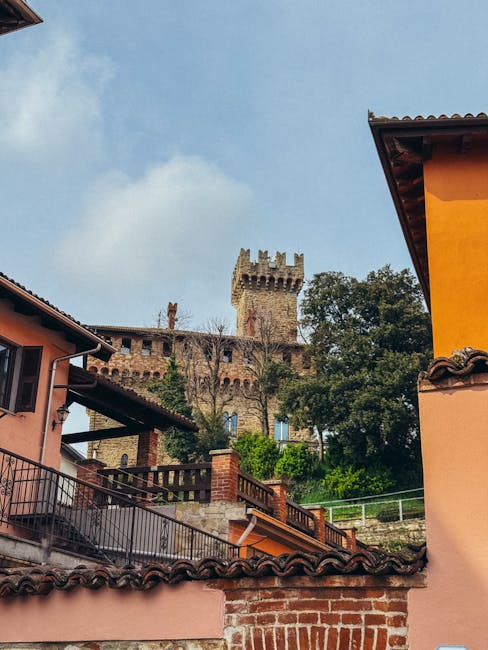
Workshop 1 — Officina del Vetro del Plateau, Moncalvo (Asti)
Address: Officina del Vetro del Plateau, Via San Michele 12, 14036 Moncalvo (AT), Piemonte, Italia.
Overview: Located in Moncalvo, Officina del Vetro del Plateau is a studio-shop tucked into a renovated former farm outbuilding. The space includes a 1,100°C furnace, a covered blowing area and a stone-walled exhibition room showcasing lamps, vases and tableware. Master glassblower Matteo Rinaldi has trained several apprentices and works in clear and colored glass as well as pâte de verre.
Opening hours: Open to the public Tuesday–Sunday, 10:00–13:00 and 15:00–18:00. Closed on Mondays.
Prices: Free entry to the shop. Guided demonstration: €8.00 per person (30 minutes). Beginner blowing workshop (simple blowing, max. 6 people): €70.00 per person, includes final firing and one small glass object (vase or bowl). Private workshop by reservation: €220.00 for two people (2 hours).
Immersive visit: The demo starts with preparing the furnace and the iron tools; you’ll see molten glass cling to the blowpipe, the continuous rotation and the precise gestures to expel air. The sounds — the metallic crackle, the blower’s breath — and the warm scent create an almost ritual atmosphere. The exhibition room reveals a range of techniques: hammered glass, gold leaf inclusions, and color transparencies that echo the light of the surrounding hills.
Local tips: Book the afternoon demo (16:00): the natural light at that hour highlights the glass colors during the final shaping. Wear closed-toe shoes and cotton clothing (avoid synthetics). Public parking is 100 meters away at Piazza Garibaldi. Pieces can be purchased on site, with professional packaging for air travel available (secure wrapping costs an extra €5.00).
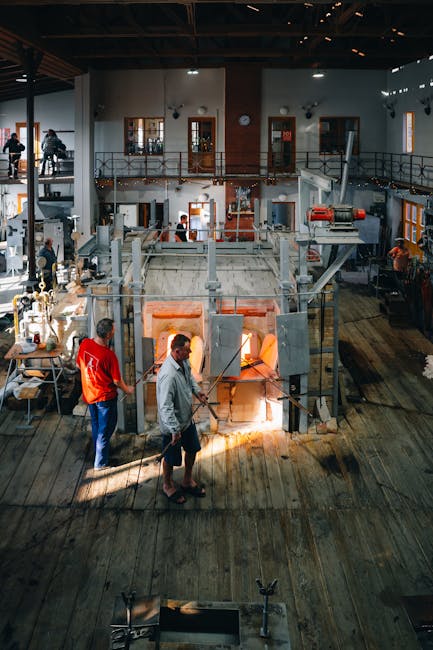
Workshop 2 — Studio di Vetro Alta Collina, Alba
Address: Studio di Vetro Alta Collina, Strada delle Vigne 4, 12051 Alba (CN), Piemonte, Italia.
Overview: A short walk from Alba’s historic center, this studio sits on a small hill about 15 minutes on foot from the train station. Founded by Lucia Ferrero, the studio is known for wound-glass pieces and colorful glass jewelry. The workshop mixes public demos with intensive multi-day courses for professionals and serious hobbyists.
Opening hours: Open Wednesday–Sunday, 09:30–12:30 and 14:30–18:30. Blowing workshop by reservation on Saturday mornings at 10:00.
Prices: Free access to the shop. Guided demonstration (45 minutes): €12.00 per person. Half-day beginner course: €95.00 per person (2.5 hours, includes a small object). 3-day professional course: €520.00 (materials and firing included).
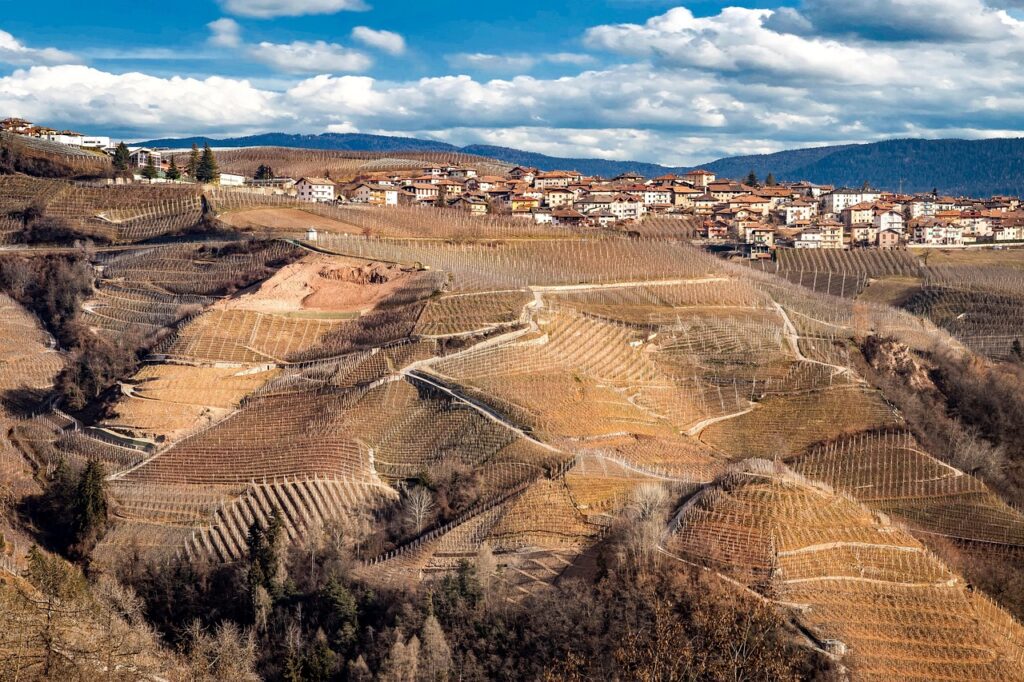
Immersive visit: Studio Alta Collina is bright, with large windows overlooking the vineyards. You’ll see lampworking up close: heated glass threads rolled around a mandrel to create delicate collars and beads. Lucia explains temperature nuances, the importance of tools (files, tweezers, mandrels) and shows how to work colors with repetitive precision. The shop displays necklaces, earrings and small sculptures that mirror the region’s palette — ochres, greens and wine reds.
Local tips: Pair your visit with an Alba wine tasting (Barolo, Barbera) at a nearby osteria. Saturday workshops fill up quickly: book at least two weeks ahead via the website or by phone (+39 0173 555123). If you arrive by train, take a taxi from Alba station (about €8–10).
Workshop 3 — Verreria Contemporanea di Omegna, Lake Orta
Address: Verreria Contemporanea di Omegna, Via Lungolago 28, 28887 Omegna (VB), Piemonte, Italia.
Overview: Overlooking Lake Orta, this contemporary glassworks stands out for its clean lines and collaborations with Italian designers. The studio hosts artist residencies, temporary exhibitions and family-friendly workshops. Pieces range from sculptural lighting to drinking glasses designed for Michelin-starred restaurants.
Opening hours: Tuesday–Sunday, 10:00–18:00 continuous. Closed on Mondays.
Prices: Exhibition entry: €5.00 (reduced €3.00 for students and seniors). Family workshop (1 hour): €40.00 per family (up to 4 people). Glassblowing creative workshop (3 hours): €110.00 per person. Reservations recommended for all activities.
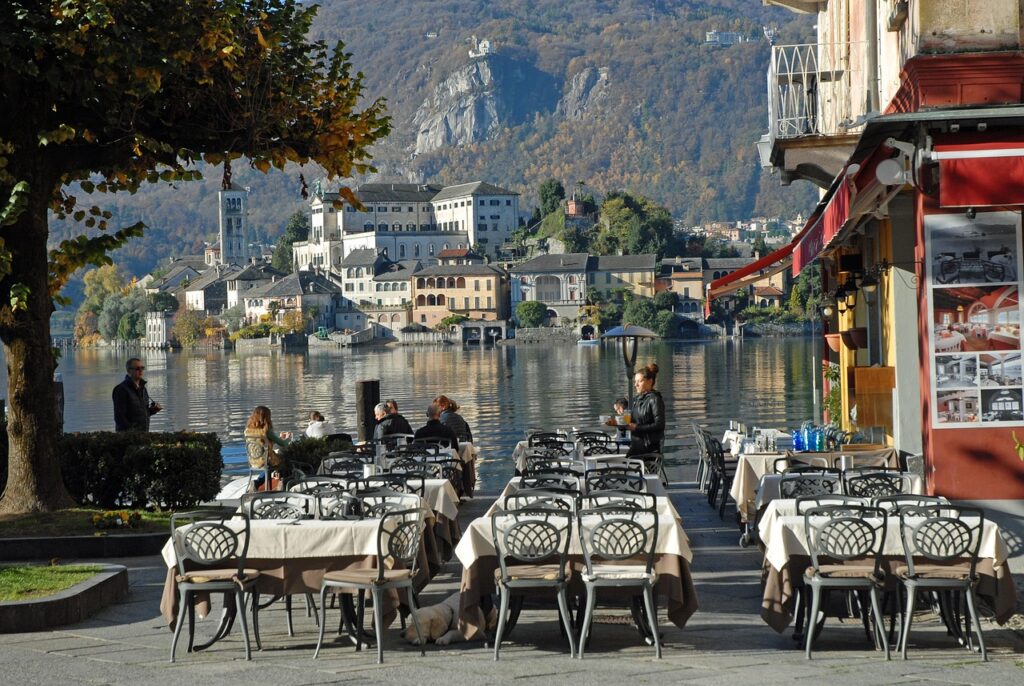
Immersive visit: The studio opens directly onto the lakeside promenade: the contrast between the lake’s cool air and the furnace’s heat creates a unique microclimate. The public observation area is arranged like an amphitheater, letting you watch the master spin and transform glass into functional objects. Resident artists often work on luminous installations: imagine translucent globes interacting with the lake’s morning mist that you can touch once cooled.
Local tips: Arrive late afternoon to combine the visit with a stroll along the lungolago and dinner at a local trattoria (Trattoria La Botte, Via Roma 14, 28887 Omegna; menus from about €18.00). Public parking is marked on Via alla Città, free for the first two hours in low season. Large pieces can be shipped on request: expect €25–70 depending on size.
Workshop 4 — Laboratorio Vetri di Alta Langa, Dogliani
Address: Laboratorio Vetri di Alta Langa, Piazza Umberto I 5, 12063 Dogliani (CN), Piemonte, Italia.
Overview: Perched in the heart of the Langhe, this laboratory merges glasswork with woodworking: some objects combine blown glass with bases made from local wood. The lab offers technical guided visits, collaborative sessions for designers and demonstrations of old techniques like incamiciato glass and natural inclusions.
Opening hours: Technical guided visits by appointment every day from 09:00 to 17:00. Shop open on weekends from 10:00 to 19:00.
Prices: Technical guided visit: €15.00 per person (1 hour, group limited to 12 people). Designer collaboration workshop (full day): €250.00 per participant. Children’s discovery workshop (1 hour): €25.00 per child (accompanying adult free).
Immersive visit: On entering you immediately notice the scent of wood mixed with hot glass. Artisans explain how a piece is conceived from sketch to finish, with step-by-step demonstrations. The highlight is often a limited series of wine glasses whose shapes are designed to accompany local grape varieties — a clear link between glass art and Piedmont’s food culture.
Local tips: Dogliani is famous for its wines, so pair a morning at the laboratorio with a visit to the Cantina Sociale di Dogliani (Via Roma 22, 12063 Dogliani; tastings from €10.00). Groups can ask for a visit+tasting package: usually €30–40 per person if booked at least 10 days in advance. Bring closed-toe shoes and a light layer: the workshop can be cool in the morning despite the furnace.
Conclusion: Planning your route and practical tips
Visiting the glassmakers’ and glassblowers’ workshops on the Piedmont plateau is an experience that combines learning, wonder and sensory pleasure. To make the most of your trip, plan with a few simple rules: book workshops in advance, favor off-peak hours (late morning or late afternoon) to enjoy demonstrations without crowds, and check accessibility if you’re traveling with children or people with reduced mobility. Bring closed-toe shoes, cotton clothing and, if you take photos, always ask permission — some studios house temperature- and light-sensitive works in progress.
Logistics-wise, consider renting a car if you want to link several workshops in one day: the spread of studios across the plateau often makes public transport less direct. The addresses listed above — Officina del Vetro del Plateau in Moncalvo (Via San Michele 12), Studio di Vetro Alta Collina in Alba (Strada delle Vigne 4), Verreria Contemporanea di Omegna (Via Lungolago 28) and Laboratorio Vetri di Alta Langa in Dogliani (Piazza Umberto I 5) — make for a lovely one- or two-day route, punctuated with gastronomic stops and hilltop walks.
Budget roughly €100–200 per person if you plan to take a beginner workshop and buy a medium-sized piece. Workshops often offer secure shipping services for fragile works if you’re flying home or worry about carrying them. And don’t forget to chat with the artisans: their anecdotes, recommendations for local producers and tips for caring for glass (hand wash, avoid extreme thermal shocks) are often worth more than any guidebook.
In short, whether you’re an art lover, occasional collector or just curious, the workshops on the Piedmont plateau offer a complete panorama of glassmaking techniques, regional traditions and genuine hospitality. Book your sessions, wear comfortable shoes and let the heat of the furnace and the finesse of skilled hands guide you: you’ll leave not only with objects, but with living memories of a craft passed down through generations.