





Introduction — Gourmet strolls in the heart of Piedmont
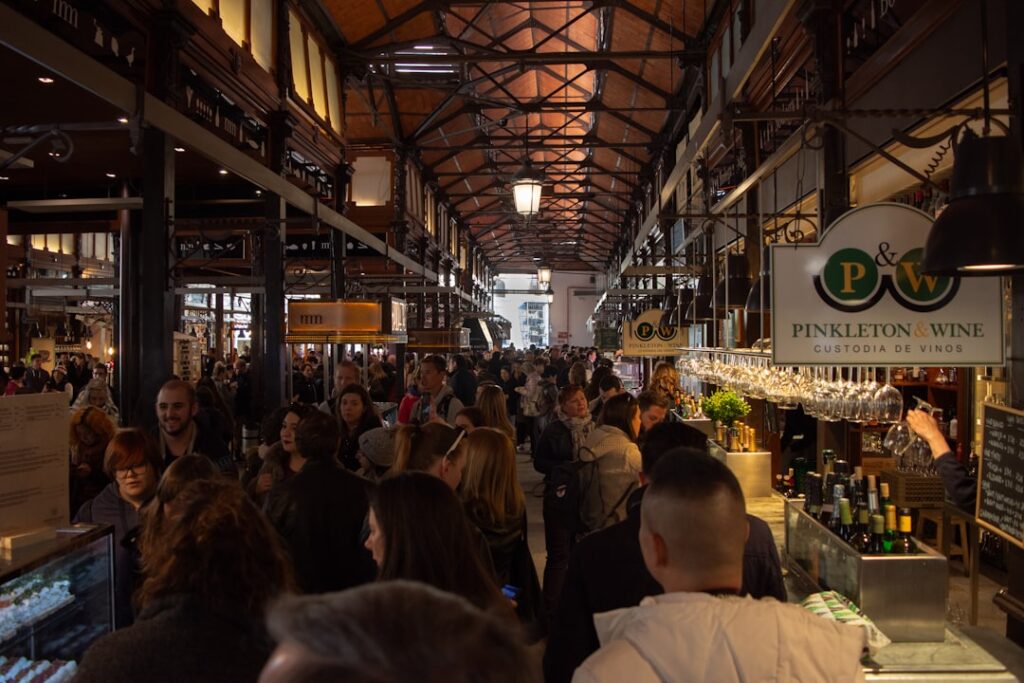
Piedmont isn’t just rolling vineyards, medieval castles and Alpine peaks: it’s also a kingdom of markets where local gastronomy unfolds in colours, aromas and conversation. Wandering Piedmont’s markets brings you face to face with the soul of a region that has turned quality and taste into a way of life. From the hustle of Turin to the peaceful squares of the Langhe and Roero towns, every market offers a unique stage where producers, artisans and locals meet to trade goods, skills and smiles.
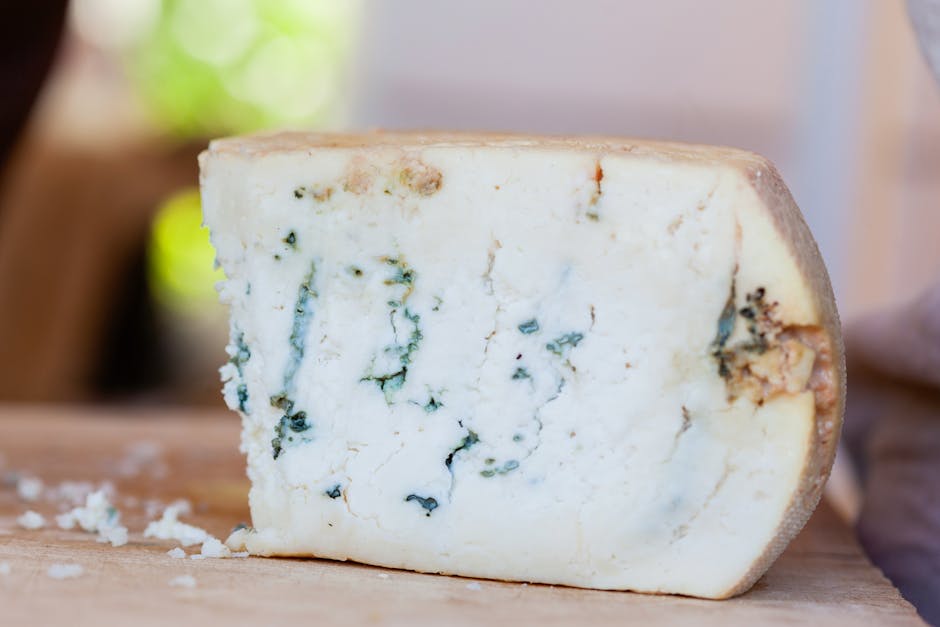
This immersion usually starts early in the morning, when stalls fill with seasonal vegetables, sharp cheeses and cured meats with bold aromas. Piedmontese markets are meeting places: Porta Palazzo in Turin, one of Europe’s largest open-air markets, overflows with multilingual stalls and products from around the world; in Alba and Bra truffles, hazelnuts and cheeses take centre stage; in Cuneo the covered market blends tradition and conviviality. These sites don’t just sell — they tell stories: the Barolo wine trail, the age-old cultivation of the « Tonda Gentile delle Langhe » hazelnut, the art of Castelmagno cheesemakers, and the bakers and fresh-pasta artisans who make tajarin and agnolotti.
As you move through these markets you’ll learn to recognise seasonal produce, buy just the right amount, spot organic or Protected Geographical Indication (PGI) producers, and pair local wines with the specialties you pick up. You’ll also discover a lifestyle: the cafés that line the squares, the small trattorie that open for a plate of pasta and a glass of Nebbiolo, vendors’ tips on the best way to cook a cheese or store a truffle, and gestures passed down through generations.
This article offers a practical, immersive guide to wandering Piedmont’s must-see markets: exact addresses, opening hours, current price ranges in euros, atmospheric descriptions and local tips to make the most of your visit — whether you’re a gourmet, an adventurous cook, or a traveller seeking authentic experiences. Pack your basket, your camera and your sense of smell: we’re off to discover the markets that beat at Piedmont’s gourmand heart.
Mercato di Porta Palazzo — Turin: a maze of flavours and horizons
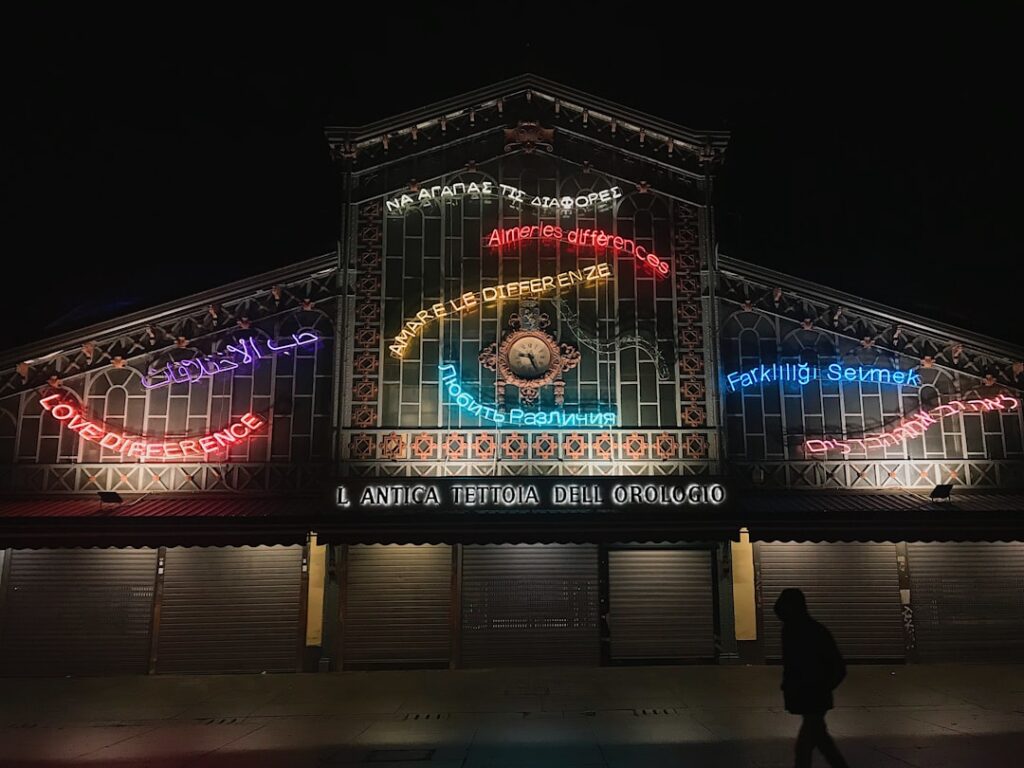
Mercato di Porta Palazzo is the must-see spot if you want to feel Piedmont’s urban buzz. Located on the vast Piazza della Repubblica, 10152 Torino TO, it sprawls around the historic Porta Alba and the Aurora district. It’s one of Europe’s largest open-air markets: rows of food stalls mingle with areas selling clothes, utensils and household goods. The main food market is usually open Monday to Saturday from 07:00 to 14:00; some food stalls also open Sunday mornings for the flower market.
Atmosphere: in the morning the square becomes a mosaic of smells — fresh bread, herbs, coffee, smoked fish and roasted vegetables. Stalls sell everything from Scottish haggis to Italian lemons, but the local-produce section is the real draw: cheeses like Castelmagno PDO, Piedmontese salumi (salami, coppa), seasonal vegetables from the Monferrato hills, and dried-fruit stalls offering the famed Tonda Gentile delle Langhe hazelnut. Vendors are often bilingual, mixing Italian, Piedmontese dialect and sometimes French or English.
Indicative prices: artisan bread €1.50–3.00 each; local cheeses (Castelmagno) €25–35/kg; Tonda Gentile hazelnuts €10–18/kg; bottle of Barbera d’Alba from a local producer €7–15; 10 g of white truffle off-season (rarely available) €150–400 depending on quality and timing.
Practical tips: aim to arrive before 10:00 to avoid the biggest crowds and get the best selection. Bring cash (although many stalls accept cards, some small producers prefer cash). Don’t hesitate to taste: most cheesemongers and butchers will offer slices so you can be convinced. For parking, the covered Porta Palazzo parking (Via Borgo Dora, 10152 Torino) is handy; otherwise use public transport (GTT city buses 4, 7, 10). Keep an eye on your belongings during busy periods.
Mercato del Balon — Borgo Dora, Turin: vintage finds and culinary discoveries
The Balon — often written « Il Balôn » in Piedmontese — is a flea-and-food market held mainly on Saturdays in the historic Borgo Dora quarter. The heart of the market sits around the Cortile del Maglio and Via Borgo Dora (main address: Cortile del Maglio, Via Borgo Dora 9, 10152 Torino TO). Hours: Balon runs on Saturdays from 08:00 to 18:00; special events (night markets or themed editions) can happen in the evenings, usually from April to September.
Immersive description: picture lanes where antique brass lamps sit next to crates of old books, while nearby producers set up stalls of cheese, honey and cured meats. The vibe is decidedly bohemian, with cafés and tiny trattorie offering refuge to enjoy a focaccia or a plate of bollito misto with a good Barbera. Balon is perfect for finding rare spices, copper pots and traditional kitchen accessories.
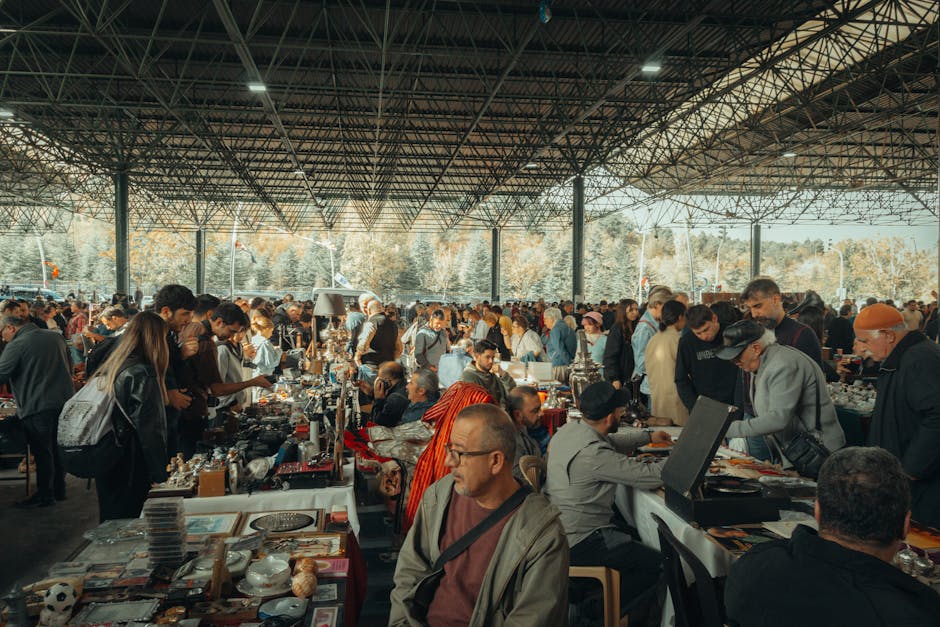
Prices: a decorative antique can range from €10 (small items) to several hundred euros for rarer pieces; a plate of local specialties in a market trattoria: €8–18; 500 g bag of hazelnuts: €6–10; 250 g jar of artisanal honey: €5–12.
Tips: bring reusable bags and a small cleaning kit for second-hand purchases. Balon is ideal for curious shoppers: bargain politely (10–15% is often acceptable), but respect the value of antiques. If you’re hunting for culinary items (copper pans, knives), ask the seller about the item’s history — many enjoy sharing provenance stories. To get there, take metro line M1 to Porta Palazzo then a 5–10 minute walk; there’s a bike-sharing station and several bus lines serving the area.
Bra — Mercato della Terra / Slow Food: terroir, producers and tastings
Bra (Piazza Carlo Alberto, 12042 Bra CN) is the town where Slow Food’s international headquarters sit, and where celebrating local products really matters. Bra’s Mercato della Terra is organised regularly (main weekly market: Saturday, 09:00–14:00); special editions can run on Friday evenings during the summer months. The central meeting point is Piazza Carlo Alberto, easily reachable from Bra train station (via Cuneo).
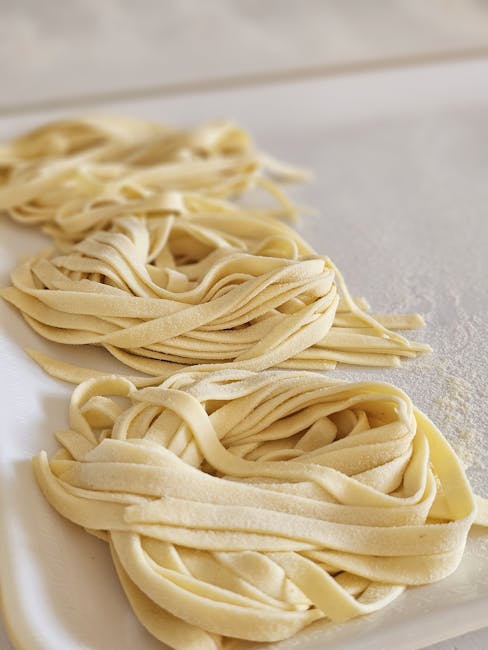
At this market the Slow Food charter is front and centre: each stall indicates product origin, production methods and often the producer’s name. Visitors find PDO cheeses like Castelmagno DOP, locally produced cured meats, pesticide-free vegetables, artisanal pasta (fresh tajarin, agnolotti), and above all the famous nocciole (Tonda Gentile delle Langhe) plus truffle-based preparations when in season.
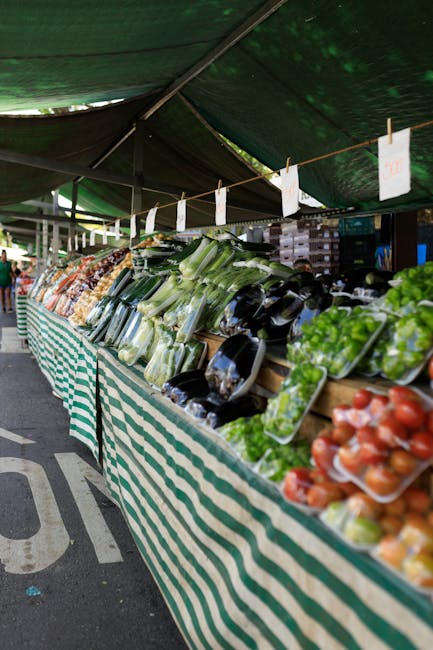
Typical prices and products: Castelmagno DOP €28–40/kg; Tonda Gentile hazelnuts €10–18/kg; fresh tajarin 250 g (portion) €3–6; agnolotti from the market chef €6–10 per portion; bottle of Barolo (local producer) €25–60 depending on vintage. Short tastings (cheese plate, glass of wine) often cost between €4 and €12.
Practical tips: arrive after 09:30 to catch culinary demonstrations and guided tastings. The market is very information-driven: don’t hesitate to ask about seasonality, organic certification or farming practices. Bra is easily reached by car from Alba (25–35 minutes) or Turin (about 1h15). If you buy fragile products (cheeses, truffles), bring a travel cooler or buy them last before heading back to your accommodation.
Alba and Cuneo: truffles, wines and covered markets — two complementary stops
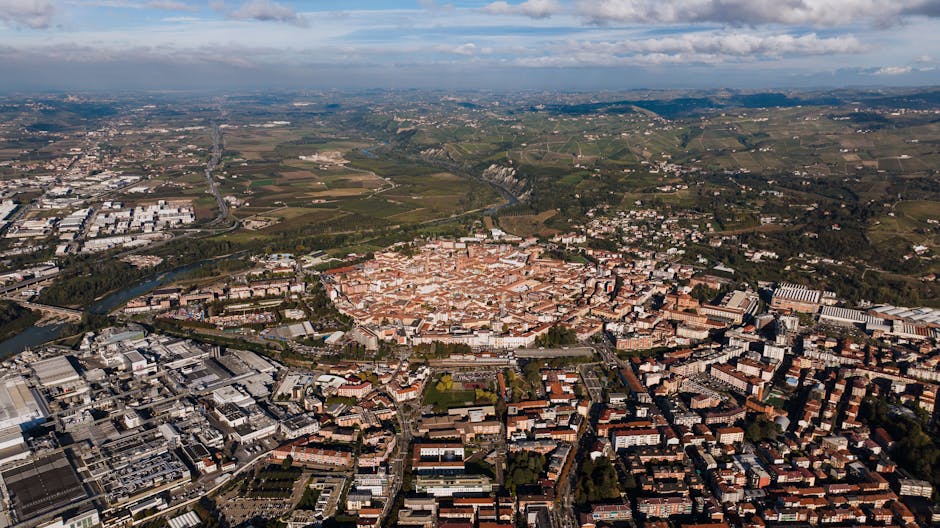
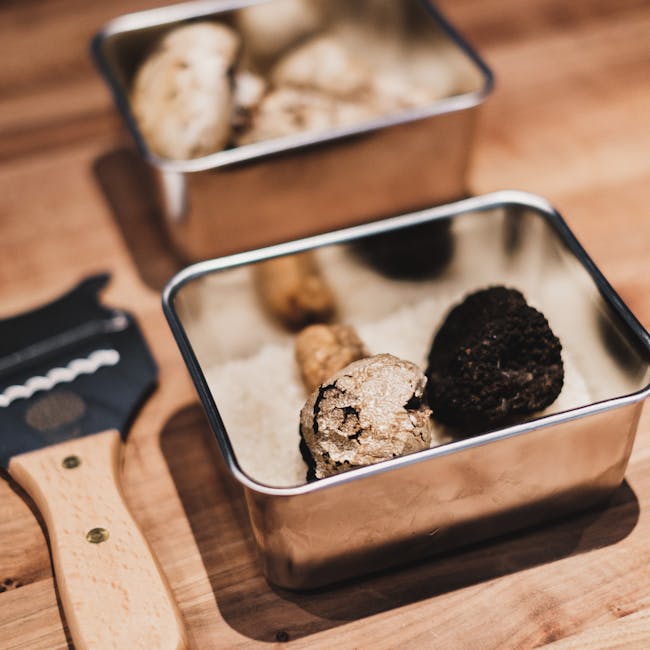
Alba and Cuneo represent two complementary faces of Piedmontese markets. Alba (Piazza Risorgimento, 12051 Alba CN) is the capital of the white truffle (Tuber magnatum) and hosts seasonal markets and fairs in the autumn, notably the Fiera Internazionale del Tartufo Bianco d’Alba (Alba International White Truffle Fair). Alba market hours: weekly market on Saturday mornings from 08:00 to 13:00, with extra stalls and events during truffle season (October–December).
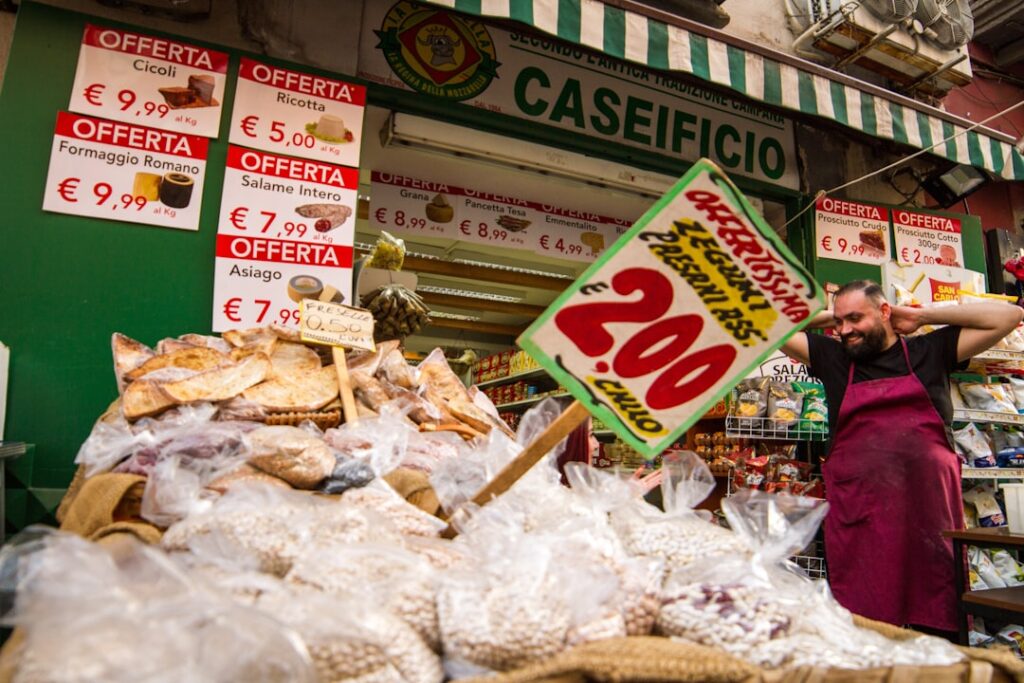
In Alba stalls offer fresh truffles (in season), milk-fed veal, Nebbiolo and Barbera wines, and artisanal pasta. Truffle prices vary wildly: white truffles can cost €1,500–6,000/kg depending on quality and timing; that means a 10 g piece can range from €15 to €60 or more. Summer black truffles are more affordable: €80–300/kg.
Cuneo, with its covered market (Mercato Coperto di Cuneo, Piazza Vittorio Emanuele II / Piazzale Europa depending on stall locations; practical address: Piazza Europa 21, 12100 Cuneo CN), offers a more intimate and organised selection. Hours: covered market Tuesday to Saturday 07:00–13:00, with some stalls staying open Thursday evenings until 18:00 for the evening market. Cuneo’s products include poultry, cheeses, horticultural produce from nearby valleys and cured meats.
Indicative prices and atmosphere: in Alba a plate of truffle pasta at a specialist stall: €12–25; a glass of Barbaresco or Barolo at a tasting: €6–15. In Cuneo fresh or aged cheeses €12–30/kg, local meats €12–18/kg depending on cut. The vibe in Cuneo is more provincial and friendly, with traders who know regulars by name.
Specific tips: if you’re after white truffle in Alba, buy from official vendors (they issue certificates). For a fuller experience, book a truffle tasting or workshop with a local producer (workshop price estimate: €35–80 per person). In Cuneo choose the covered market on rainy days: it’s a great shelter from the weather and lets you shop fresh produce without the elements.
Practical tips for a successful wander through Piedmont markets
A few simple rules before you go will improve your experience. Hours: most markets open early (07:00–08:00) and close in the early afternoon (13:00–14:00). Saturday is usually the busiest day, especially in Alba, Bra and at the Balon. For truffles (white truffle season October–December), arrive early for the best selection. Payments: bring cash; while cards are increasingly accepted, many small producers prefer cash. Language: a little Italian or Piedmontese often wins you discounts and stories; tourist vendors sometimes speak English or French, especially in Turin and Alba.
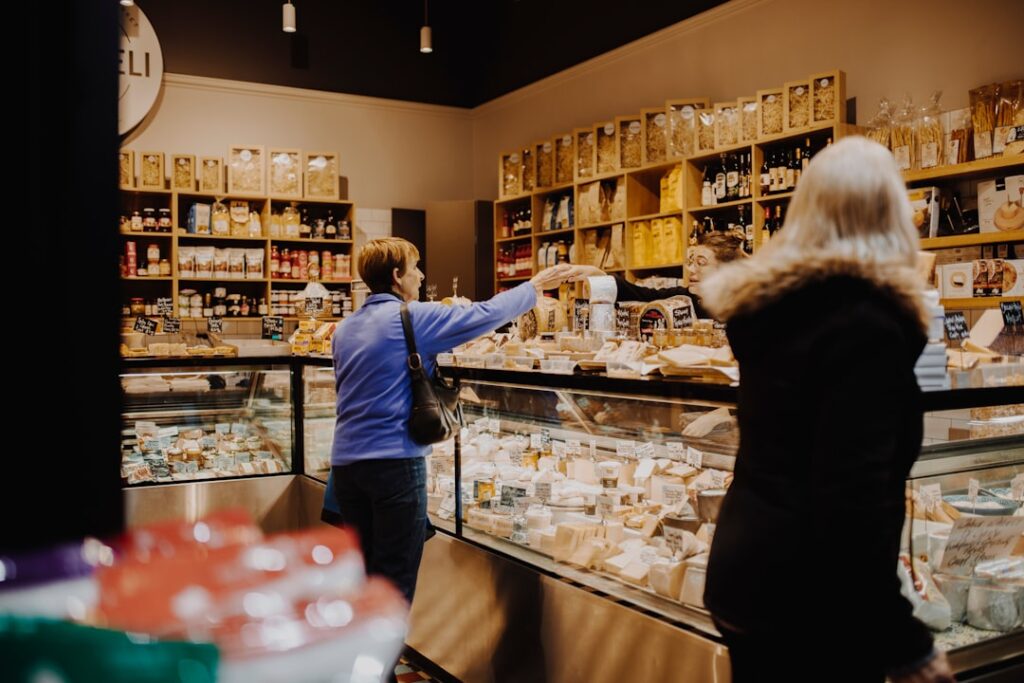
Packaging and transport: for fragile purchases (truffles, cheeses, cured meats) ask for vacuum packing or bring a small cooler; otherwise bring an insulated bag. Wine transport: if you buy bottles to take home, use a bottle carrier or a rigid tube to prevent shocks. Respect and bargaining: haggling isn’t automatic — ask the price and if you want to negotiate, do it courteously; 5–15% is socially acceptable on handicrafts or unstandardised products.
Guided visits and workshops: several local tourist offices (e.g. Turismo Torino e Provincia, Via Garibaldi 14, 10122 Torino TO) and Slow Food associations offer market tours, cooking workshops and meetings with producers. Prices vary: a guided market tour €25–50 per person, a cooking workshop €50–120 depending on length and ingredients. Transport: main markets are well served by train (Alba, Bra, Cuneo), regional buses and metro (Turin). If you rent a car, check ZTL (limited-traffic) zones in historic centres to avoid fines.
Conclusion — Take a piece of Piedmont home with you
Wandering Piedmont’s markets means extending a meal beyond the table: it’s learning, exchanging and leaving enriched with flavours and stories. From the lively aisles of Porta Palazzo to the carefully curated stalls of Bra, from Balon’s vintage finds to Alba’s truffles, each market is a stage where living traditions play out. You may come home with a wedge of Castelmagno, a jar of honey, fresh pasta or a small white truffle — but more importantly you’ll leave with producers’ tips, recipes gathered from conversations and the certainty that you’ve tasted an authentic Piedmont.
To preserve these memories, jot down producers’ contacts: many now accept orders by email or phone for international shipping, letting you bring treasures home without compromising quality. And if you return in autumn, don’t miss Alba’s truffle fairs; in summer the hill markets offer beautifully ripe fruits and vegetables; year-round Piedmont welcomes you with a palette of flavours and hospitality that makes you want to come back.
So pack your basket, your curiosity and your taste buds: your next gourmet stroll through Piedmont promises discoveries, encounters and plates you won’t forget. Buon viaggio e buon appetito!