





Introduction: why take the Grand Piedmont Loop
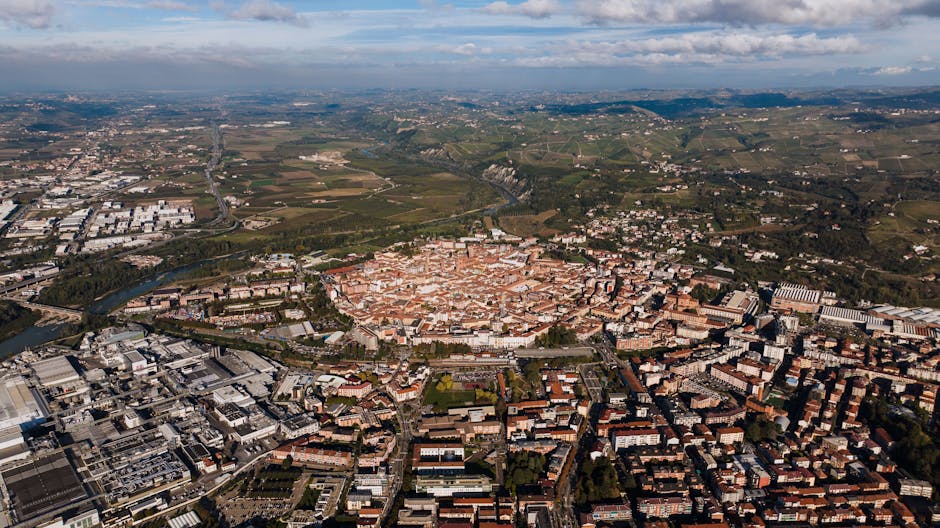
The Grand Piedmont Loop — 200 kilometers of winding roads, rolling hills and century-old vineyards — is more than a sightseeing route: it’s a full sensory immersion into the wine and food soul of northwestern Italy. Nestled between the Alpine ranges to the north and the Po Valley plains, Piedmont (Piemonte in Italian) blends unique soils, native grape varieties like Nebbiolo, Barbera and Moscato, and hilltop villages that seem frozen in time. This 200 km circuit, ideal by car or e-bike, links iconic spots such as Barolo, Barbaresco, La Morra, Monforte d’Alba, Alba and Asti — each offering different landscapes, wineries to visit and memorable tables.
The route is perfect for wine lovers who want to understand the subtle differences between a La Morra Barolo and a Serralunga d’Alba Barolo, for foodies keen to taste tajarin with butter and Alba’s white truffle, and for photographers chasing the low light across terraced vineyards. You can do the loop in three intensive days or stretch it into a week for a slower, more reflective trip. Roads are generally well maintained, but some secondary stretches require caution — especially after rain — due to tight bends and narrow lanes in medieval villages.
Planning this Grand Loop calls for a bit of practical know‑how: book tastings in advance (especially high season), check opening hours for museums and castles, mind late-night closures at small restaurants and local markets, and follow Italian driving rules. This comprehensive guide will give you exact addresses, approximate prices in euros, opening times and practical tips so you get the most out of every stop — whether you’re after a family-run cellar, a renowned estate or a trattoria serving classic Piedmont dishes. Ready to treat your eyes and your palate? Lace up comfy shoes, charge your camera and warm up your taste buds: the Grand Piedmont Loop promises 200 km of emotions, aromas and unforgettable views.
Recommended 200 km itinerary: day by day
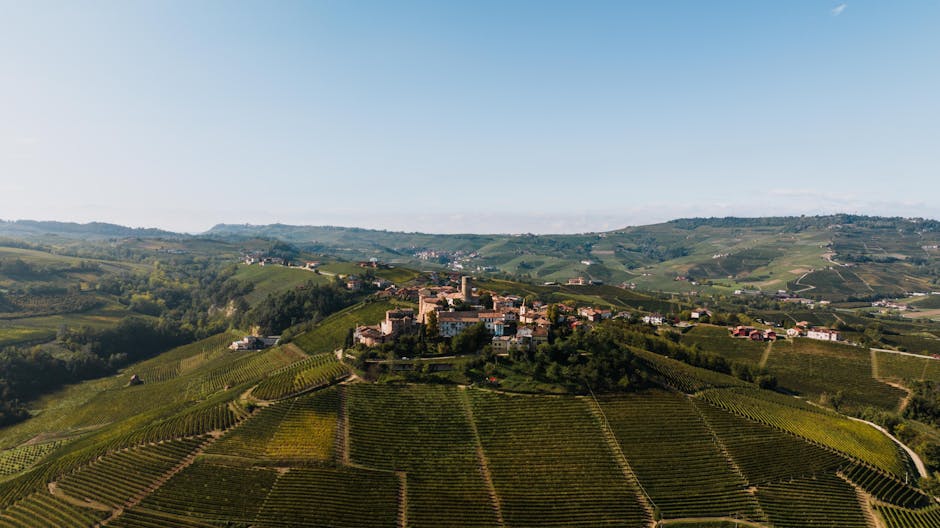
The loop ideally starts in Alba (Province of Cuneo), a town famed for its market and white truffle. From there the road winds through the Langhe hills toward La Morra and Barolo, then drops down to Monforte d’Alba before heading to Barbaresco and finally Asti, looping back to Alba. Here’s a suggested itinerary for three to five days, adjustable to your pace:
- Day 1 — Alba → La Morra (25 km): Start in Alba, explore the historic center and the Duomo di San Lorenzo (Piazza Risorgimento, 12051 Alba CN). Then drive on to La Morra for your first sweeping panorama over UNESCO-listed vineyards. Estimated driving time: 35 minutes.
- Day 2 — La Morra → Barolo → Monforte d’Alba (30 km): Spend the morning tasting at Barolo wineries, have lunch in the Barolo hamlet, then head to Monforte d’Alba to wander its medieval lanes. Estimated time: 40–50 minutes total.
- Day 3 — Monforte d’Alba → Castiglione Falletto → Barbaresco (45 km): Continue with a visit to Castello di Barolo (Piazza Falletti, 1, 12060 Barolo CN) and make your way to Barbaresco in the late afternoon.
- Day 4 — Barbaresco → Neive → Asti → Alba (100 km via backroads): Head to Asti via Neive (one of Italy’s « borghi più belli »), taste Moscato d’Asti and return to Alba at day’s end to close the loop.
Distances and travel times are approximate: the full circuit totals roughly 200 km, but you’ll want to favor scenic provincial roads (SP3, SP4, SP2) over the highway to soak up the views. In high season (May to October) allow an extra 30–60 minutes on some stretches due to tourist traffic. Market days in Alba (Sunday morning) and harvest time (late September to early October) draw crowds — book hotels and winery visits several weeks ahead.
Must-see villages and winery tastings
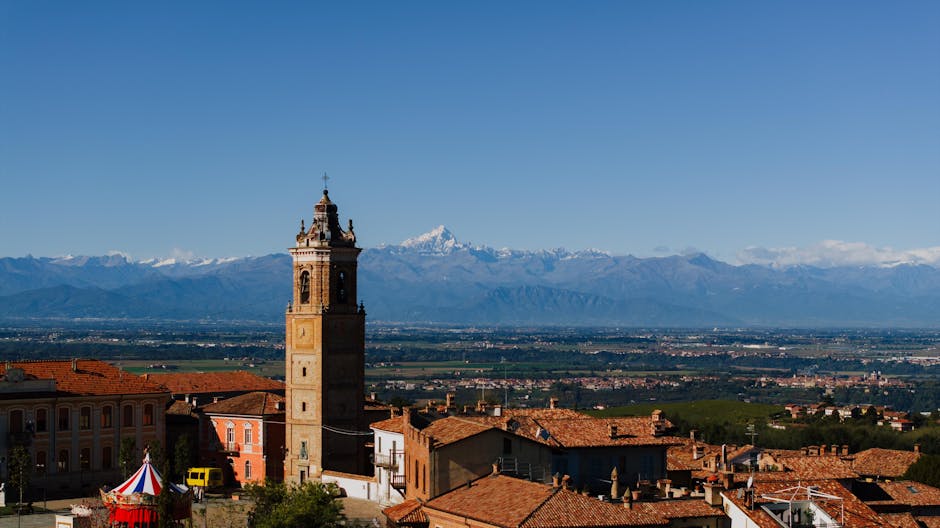
No trip through the Langhe is complete without stops in the wine villages that have made Piedmont famous. Below are key places with addresses, indicative prices and opening hours to help you plan tastings.
- Marchesi di Barolo — Castello Falletti: Piazza Falletti, 1, 12060 Barolo CN. Wine museum and historic cellar. Hours: Tue–Sun 10:00–18:00 (closed Mon). Museum + tasting from €20 per person (guided visits at 10:30, 14:30). Booking recommended through the official site.
- Cantina Ceretto: Località Bricco Rocche, 44, 12051 Alba CN (winery complex with contemporary sculptures). Hours: 09:00–18:00 (closed Sunday afternoon in low season). Standard tasting: €15–30 depending on wines selected. Visits by appointment: +39 0173 3561.
- G.D. Vajra: Via XI Febbraio, 7, 12060 Barolo CN. Visits and tastings by appointment, Mon–Sat 09:00–17:00. Vertical tastings: €25–60 per person depending on the selection.
- Produttori del Barbaresco: Piazza del Municipio, 6, 12040 Barbaresco CN. Cooperative cellar offering classic Barbaresco. Hours: 09:00–12:30 and 14:30–18:00 (closed Sunday morning). Tasting: €10–20.
Beyond the well-known houses, seek out small family-run cantine for more intimate experiences: for example, Azienda Agricola Bruno Giacosa (Via Cà del Baio, 12, 12051 Neive CN — visits by reservation only) or Azienda Agricola Elio Altare in La Morra (Via Roma, 18, 12064 La Morra CN), where private tours reveal traditional winemaking techniques. Prices vary widely with rarity: a single‑vineyard Barolo tasting can exceed €50–80 per person.
Castles, monuments and exact addresses to visit
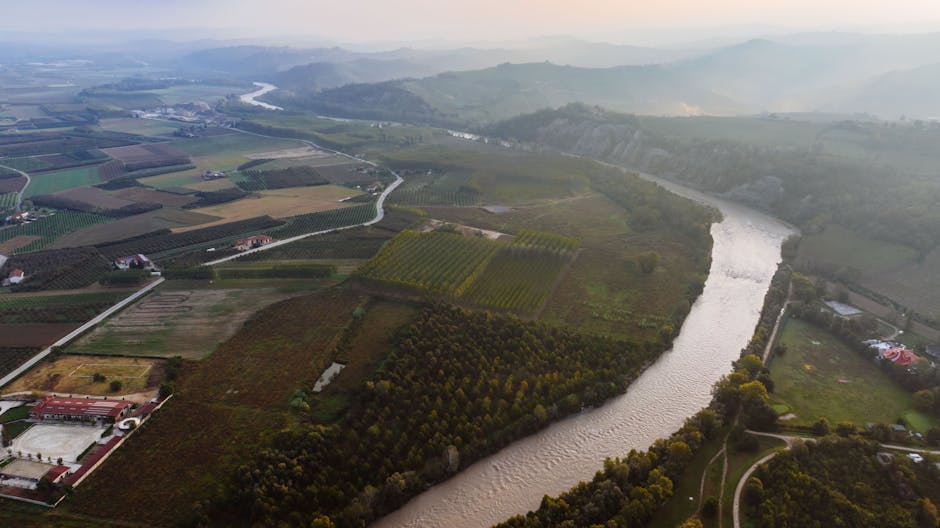
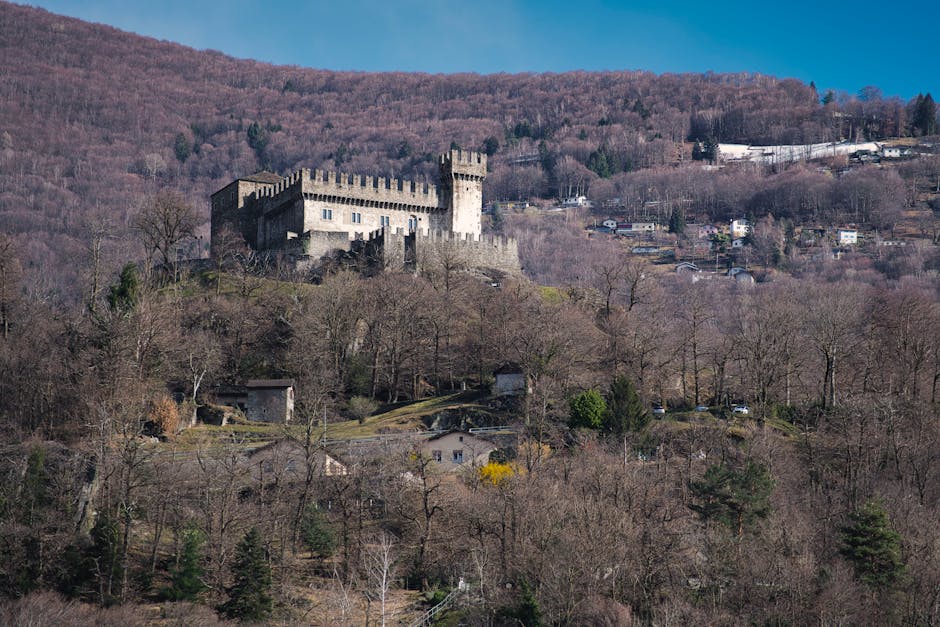
The loop isn’t just about wine: medieval castles, wine museums and viewpoints dot the route. Here are concrete addresses with hours and prices to plan your cultural stops.
- Castello di Grinzane Cavour: Piazza Conte Camillo Benso, 1, 12060 Grinzane Cavour CN. Wine museum and castle tower visit. Hours: open daily 10:00–18:00 (closed 25 Dec and 1 Jan). Tickets: €8 museum entry, €12 guided visit including the tower. On-site wine shop.
- Castello di Barolo: Piazza Falletti, 1, 12060 Barolo CN. Museo del Vino (WiMu). Hours: 10:00–18:00, closed Monday. Ticket: €12 standard entry; discounts for students and seniors. Café and extensive shop.
- Cattedrale di San Lorenzo (Alba): Piazza Risorgimento, 2, 12051 Alba CN. Self-guided visits 09:00–18:00; worship services at variable times (check local notices). Free entry, donations welcome.
- Belvedere di La Morra: Belvedere, Piazza Castello, 12064 La Morra CN. Sunset viewpoints over the Langhe. Open 24/7. Paid parking nearby: approx. €2 / hour (rates may vary).
- Chiesa di San Michele (Monforte d’Alba): Via Cesare Battisti, 6, 12065 Monforte d’Alba CN. Small historic church with frescoes. Hours: open daytime 09:00–17:00 (seasonal variations). Free entry.
Many castles host wine‑tourism events (dinners, summer concerts). If you plan to visit Castello di Grinzane Cavour or the Museo del Vino di Barolo, check for temporary exhibitions and sign up for guided tours online to avoid queues. Local tourist offices (Pro Loco) in each town provide detailed maps and up‑to‑date recommendations.
Practical tips, where to stay and logistics for making the most of it
To get the most from the Grand Piedmont Loop, a few logistical tips really help: pick the right time of year, book suitable accommodation, choose the best transport, and know typical prices to avoid surprises.
Best time to go: May–June and September–October offer pleasant temperatures, gorgeous vineyard colors and harvest activity in September/October. Try to avoid August when many places close for summer and crowds swell. Wine fairs and markets in Alba (notably the Fiera Internazionale del Tartufo Bianco d’Alba in October) draw large numbers — book hotels 3–6 months in advance for those dates.
Where to stay: options range from boutique relais to agriturismi. Examples:
- Relais & Châteaux La Casa in Collina (Via San Lorenzo, 10, 12050 Diano d’Alba CN) — double rooms from €120 / night, breakfast included. Check‑in: 15:00, check‑out: 11:00. Booking recommended.
- Agriturismo Cascina Gai (Strada Provinciale 3, 12051 Alba CN) — rooms and apartments, €70–150 / night depending on season. Friendly welcome and breakfast featuring local products.
Transport: the loop is best by car (rent from Turin or Milan), but many travelers choose e‑bikes for a more immersive experience. Short distances between villages (15–30 km) make cycling attractive. If you drive, be aware of strict speed limits and limited-traffic zones (ZTL) in historic centers: obey signs and use official parking to avoid fines. Car rental: approx. €40–80 / day depending on category. E‑bike rental: €30–50 / day.
Budget guideline: plan €50–100 / day for food (a simple lunch in an osteria costs €12–20; a dinner in an upscale trattoria can exceed €60–90 per person), €15–50 for tastings, and €70–150 / night for decent accommodation. Credit cards are accepted almost everywhere, but carry some cash for small shops and markets.
Local tips: learn a few Italian phrases (buongiorno, grazie, vorrei), be polite in cellars (don’t touch barrels unless invited), and sample regional specialties: tajarin al burro e tartufo (butter pasta with truffle), brasato al Barolo (beef braised in Barolo wine) and local cheeses. Respect the countryside: don’t pick grapes and respect private property.
Conclusion: a loop to live, not just to visit
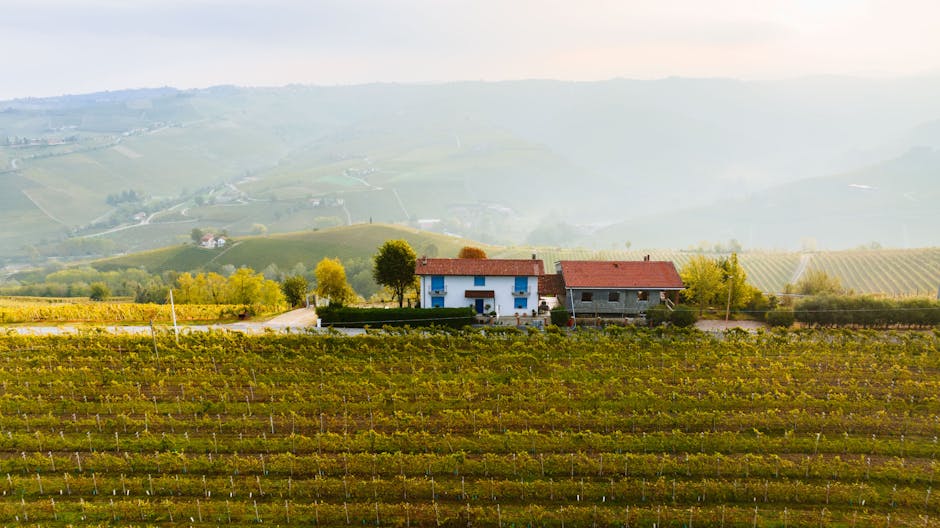
The Grand Piedmont Loop, with its 200 km of roads and panoramas, isn’t a checklist of stops to tick off: it’s an experience to be lived slowly, a conversation with terroirs that helped shape Italy’s identity. Between medieval castles, family cellars where you’ll be addressed by your first name, and tables where Alba’s white truffle reigns supreme, every kilometer tells a story — of farmers, winemakers and culinary artisans. Those stories are meant to be tasted, inhaled, photographed and, most importantly, shared. Spending time at a viewpoint at sunset, chatting for an hour with a winemaker, or joining a small private tasting will change how you see the wine and the region.
For the thoughtful traveler, the loop strikes a perfect balance between must-see sites and hidden discoveries: the addresses listed in this article (Castello di Grinzane Cavour, Castello di Barolo, Cantina Ceretto, Produttori del Barbaresco and more) provide anchors to design your own route. Remember to check opening times and book tastings, especially in peak season. Embrace the local rhythm: late lunches, occasional siestas and long aperitivi at sunset are all part of Piedmont’s charm.
Finally, think of the Grand Loop as an invitation to return. Piedmont changes with the seasons: autumn mists over the vines, spring flowers on the hillsides, or the cozy winter evenings in heated trattorie all offer new experiences each visit. Whether you’re a wine enthusiast, a photographer, a foodie or just curious, these 200 km of wine country and scenery will leave you with memorable images, flavors and encounters. Buon viaggio e salute — and above all: take your time to savor every stop.