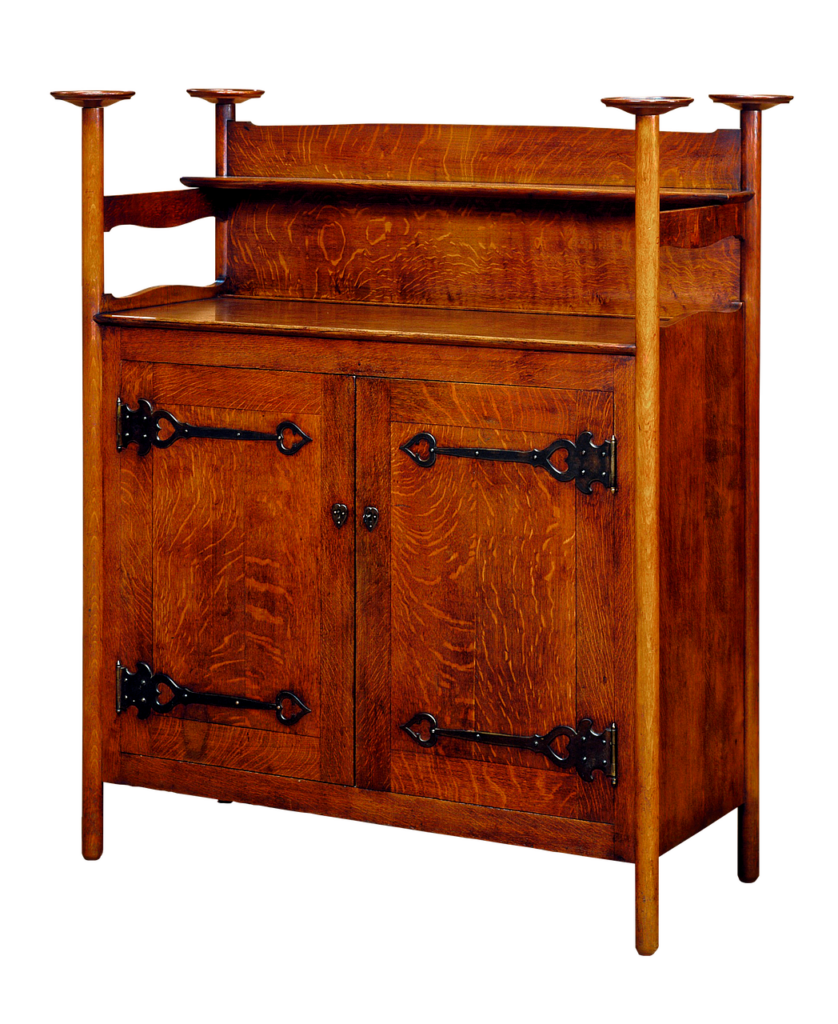






Introduction — Piedmont’s Woodworkers: Why This Guide Is Essential
Piedmont, a diverse region in northwestern Italy, is known not only for Barolo wines and alpine scenery but also for a deep-rooted woodcraft tradition that blends rural know-how with contemporary design. Scattered workshops between the Langhe hills, the shores of Lake Orta and Turin’s historic outskirts are home to master carpenters and sculptors who preserve age-old techniques while adopting modern methods. This guide is aimed at curious travelers, collectors and professionals looking for unique, handmade pieces — furniture, everyday objects, wood paneling and sculptures — crafted entirely by Piedmontese artisans.
Inside you’ll find full addresses, visiting hours, price ranges and immersive descriptions for each recommended workshop and shop. Piedmont offers a wide range of approaches: studios making contemporary furniture from local woods (oak, walnut, ash), cabinetmakers restoring period panelling, sculptors producing small series and designers collaborating with craftsmen for limited editions. This guide also focuses on the experience: what to expect during a studio visit, what makes sense to buy depending on your budget, and how to transport or ship a large piece from Italy to France or elsewhere.
Practical note for visitors: opening hours shown correspond to the information available at the time of writing and can change with the seasons or Italian public holidays (for example April 25 and August 15). Many workshops operate by appointment, especially for guided tours and custom orders. Prices are listed in euros to give a realistic sense of cost — from small decorative items to a fully handmade dining table. While reading, you’ll also find practical tips (negotiation, wood certifications, export insurance) and suggested itineraries to plan a day of artisan discovery in Piedmont.
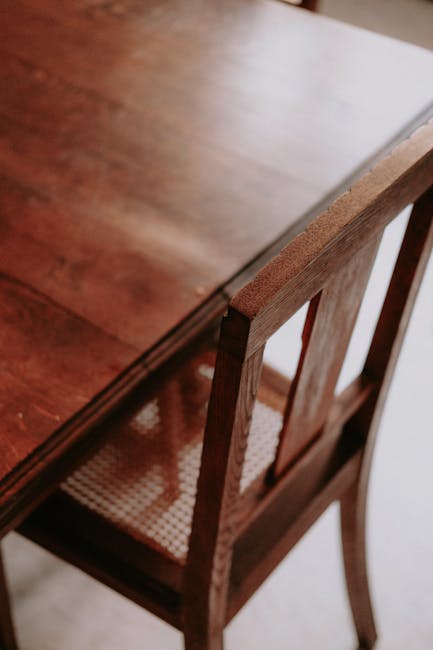
1) Torino — Iconic Workshops and Shops in the Piedmont Capital
Turin (Torino) is the urban hub where designers and craftsmen meet. The city hosts historic workshops as well as young businesses reimagining woodwork. A studio visit pairs nicely with a morning at the Museo Egizio or a coffee stop at Caffè San Carlo.
- Officina Legno & Design — Via Giuseppe Garibaldi 72, 10122 Torino TO. Hours: Tuesday–Friday 10:00–18:00, Saturday 10:00–14:00, closed Sunday and Monday. Workshop-shop and showroom. You’ll find solid walnut dining tables (indicative price: €1,800–4,500 depending on size), modular wall shelves from €350, and turned wooden items (bowls, cutting boards) from €25. Custom orders typically take 6–12 weeks and require a 40% deposit.
- Atelier Sculture Legno Giovanni Bianchi — Corso Vercelli 45, 10152 Torino TO. Hours: by appointment, generally 09:00–17:00 Tuesday to Saturday. Specialty: decorative sculptures and interior wood panelling. Prices: small wall sculptures (30×30 cm) €200–500, large monumental pieces by estimate (starting around €2,500). The workshop accepts restoration commissions for interior panels and pediments.
- Mercato dell’Artigianato della Mole (monthly event) — Piazza Vittorio Veneto, 10123 Torino TO. Recurring artisan market, usually on the first Sunday of the month (seasonal dates may vary). Products: small furniture, wooden toys, design objects. Prices vary and are often lower than bespoke studio rates (example: child’s chair €60–120).
Local tips: in Turin, aim for an afternoon visit to enjoy the natural light in workshops. Ask about the wood’s origin — many craftsmen favor local Langhe walnut or beech for finishes. For shipping, Officina Legno & Design works with an Italian logistics company specializing in international deliveries (rates vary: €120–450 depending on volume and destination within Europe).
2) Langhe and Roero — Noble Woods from the Hills: Furniture Workshops and Rural Sculptures
The Langhe and Roero, southeast of Alba, are famed for their vineyards and landscapes, but the area also supplies prized woods, especially walnut and oak. Local artisans make use of reclaimed old timber (barns, roof frames) as well as locally seasoned lumber to craft pieces with both rustic character and refined detail.
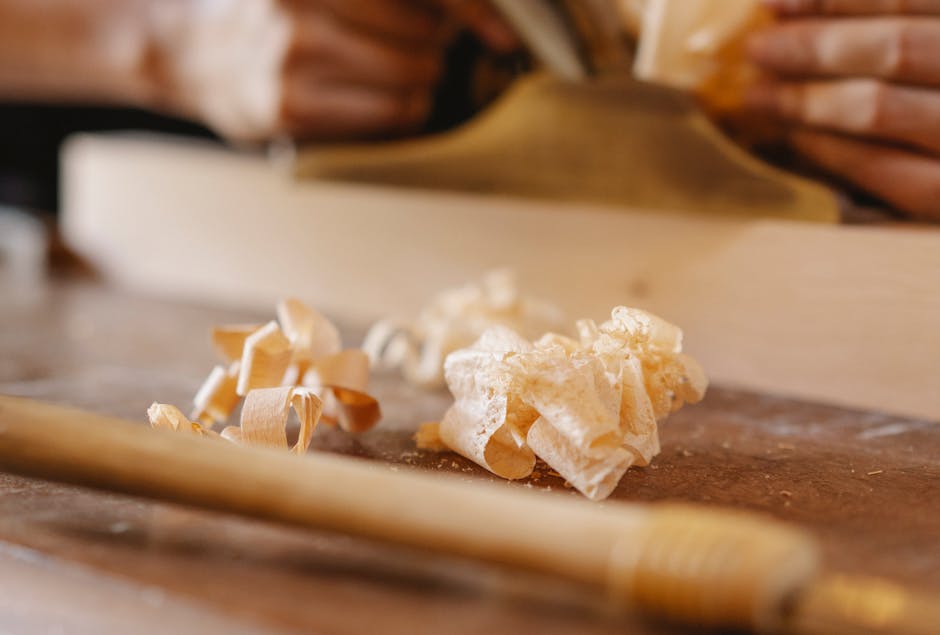
- Casa del Falegname — Laboratorio Rurale — Strada Provinciale 3, Località Cerreto, 12050 Barolo CN. Hours: Monday–Saturday 09:00–12:30 and 14:00–18:00, closed Sunday. Guided workshop tours by reservation (€10 per person, includes a handplane demonstration). Products: oak sideboards made from reclaimed timber (€1,200–3,200), solid walnut tables (€1,500–5,000), carved chests (€450–1,200).
- Atelier Nespola — Piazza Savona 12, 12051 Alba CN. Hours: Tuesday–Saturday 10:00–19:00, Sunday 10:00–13:00. Shop-workshop collaborating with designers. Prices: small series items (vases, lamps) €60–400, bespoke designer furniture €2,000–7,500.
- Scuola del Legno di Novello — Via Roma 3, 12050 Novello CN. Hours: educational workshops Wednesday and Saturday 14:00–18:00 (one-day courses €65). The school runs introductory classes in woodcarving and turning — perfect if you want to try working with the material yourself.
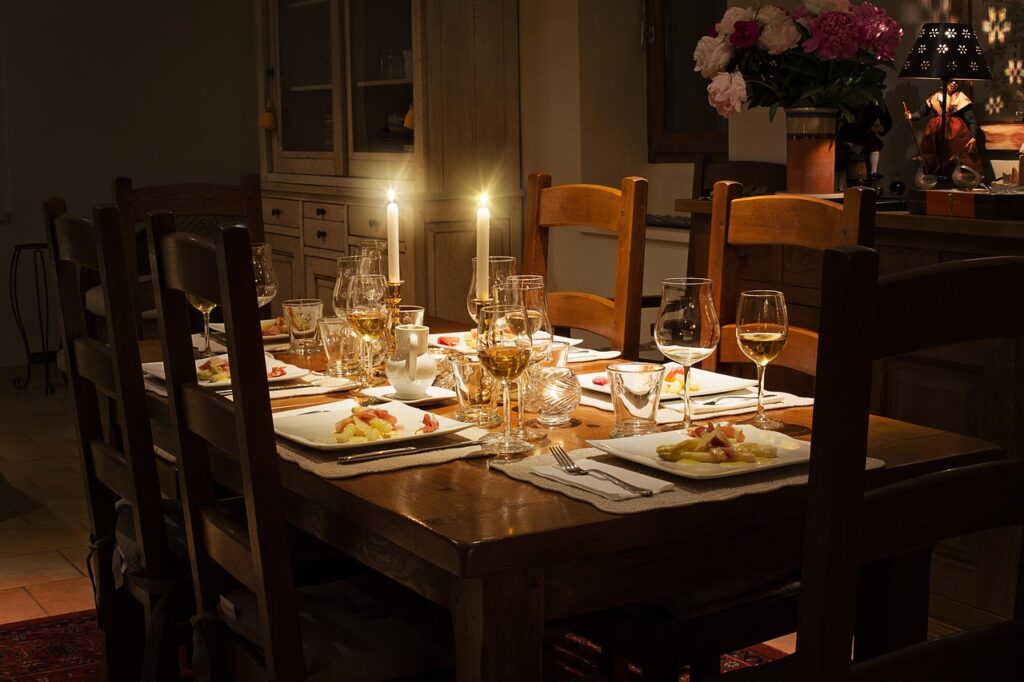
Immersive description: stepping into a Langhe workshop, the first thing you notice is the dry scent of walnut and the fine dust in the air. Large windows let golden light highlight the grain of the boards. Finished pieces, often treated with linseed oil, show rich hues — caramel, chocolate, amber — that local woods uniquely reveal. Craftsmen will often tell you the exact source of the timber (for example, walnut harvested from family plots 30 km away) and the drying time (often 12–24 months for large solid pieces).
Practical tips: for bulky furniture, request a packing and insurance quote. In low season (November–March), many workshops reduce hours — call ahead. For restored antiques, ask for a restoration certificate (description of interventions and before/after photos), useful if you plan to resell the piece or insure its international transport.
3) Lake Orta and Novara — Small Sculpted Pieces and Decorative Objects
Lake Orta, with its picturesque villages (Orta San Giulio, Pella), is a playground for artisans who make smaller, easily portable items: frames, jewelry boxes, wooden toys and small sculptures. These workshops are ideal for visitors seeking a unique souvenir without heavy logistics.
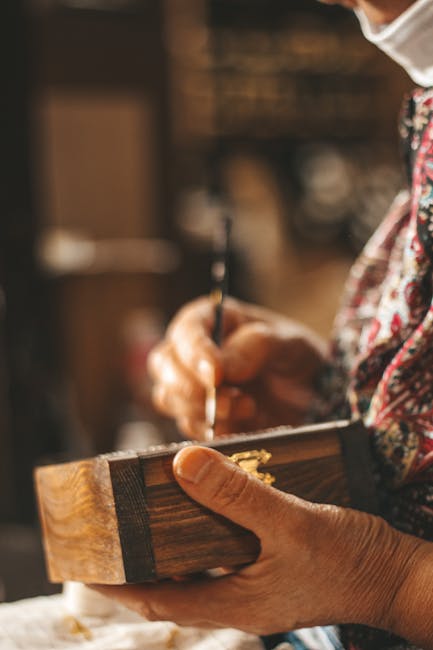
- Atelier Legno Orta — Via Roma 32, 28016 Orta San Giulio NO. Hours: Tuesday to Sunday 10:00–13:00 and 15:00–19:00, closed Monday. Products: decorative storage boxes (€45–150), carved frames (€70–220), traditional wooden toys (€15–60). This studio caters to tourists and offers online sales with international shipping (standard rate €18–45).
- Bottega delle Intagliature — Via Provinciale 8, 28040 Pella NO. Hours: by appointment, often open 09:00–17:00 on weekdays. Specialty: decorative engravings, small friezes for panelling, carved handles. Prices: decorative friezes €120–350, carved handles €40–120 each.
- Lago Craft Collective — Piazza Motta 10, 28016 Orta San Giulio NO. Hours: vary by artisan, generally 10:00–19:00 in high season (May–September). A small cooperative bringing together six artisans. Prices: assorted items €20–300.
Immersive description: in Orta, many workshops overlook the lake or sit in narrow historic alleys. Displayed pieces rest on open shelves where lake light enhances varnishes and waxes. Craftsmen often explain finishing techniques: progressive sanding, application of refined olive oil for a patinated effect, and beeswax for protection. You’ll frequently see live demonstrations of woodturning.
Local tips: if you buy small items like frames or boxes, ask for a detailed invoice indicating the material (e.g. “walnut, locally sourced”) — helpful for export outside the EU. For personalized items (engraving, monogram), allow 3–10 days and expect modest extra fees (€15–50).
4) Cuneo and Surroundings — Traditional Cabinetmaking and Heritage Restoration
The province of Cuneo hosts workshops specialized in restoring antique furniture, church panelling and architectural elements. The experience here is more conservation-focused: craftsmen trained in classical techniques (marquetry, stringing, inlay) reconstruct pieces with respect for historical codes.
- Restauro Legni Antichi — Laboratorio Cuneo — Via S. Giovanni 14, 12100 Cuneo CN. Hours: Monday–Friday 08:30–17:30 (lunch break 13:00–14:00), appointments possible on Saturday morning. Services: full restoration of chests, sideboards, doors. Indicative prices: minor restoration (repairs, varnish) €250–800, full restoration (dismantling, consolidation, retouching) €1,200–6,000 depending on condition and size.
- Ebanisteria Monti — Strada Provinciale 23, Località San Lorenzo, 12030 Busca CN. Hours: Tuesday–Saturday 09:00–18:00, closed Sunday. Specialty: making classic-style furniture and bespoke interior woodwork. Prices for traditional furniture: tables €1,800–6,500, wardrobes €2,500–9,000.
- Atelier Intagli Barolo — Via Vittorio Emanuele 2, 12060 Barolo CN (satellite workshop for heritage projects). Hours: by appointment. The studio regularly collaborates with parishes and owners of historic villas on large-scale restoration projects.
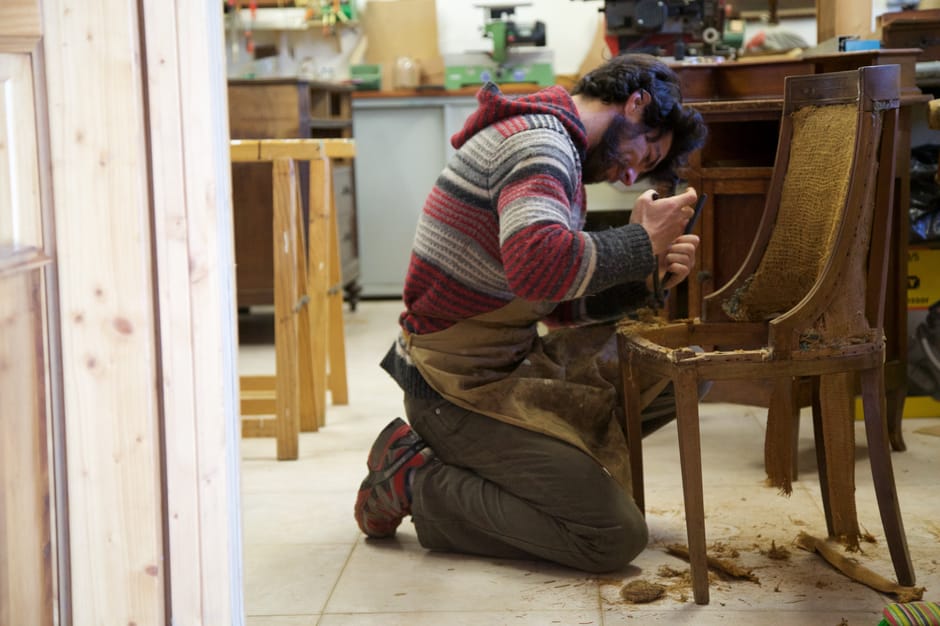
Immersive description: Cuneo’s workshops feel like places of preservation: benches cluttered with veneers, time-polished tools, large clamps and presses. Conservators stress the importance of respecting historical patina — often the goal is to stabilize rather than to make a piece look “new.” Visitors can learn restoration steps: documentation, cleaning, consolidation, replacing missing parts with compatible woods and finishing with traditional methods (shellac, beeswax).
Practical advice: for restorations, insist on a written estimate and a work schedule. Ask for references or photos of previous jobs. Transporting fragile items requires special packing; some workshops provide a full packing and insurance service — rates by estimate. If you plan to use a restored piece in a contemporary interior, discuss finish options (stains, varnishes) to ensure harmony with your space.
5) Support Services, Buying Tips and Logistics for Bringing Your Pieces Home
Buying from a Piedmont workshop often means buying a story and a mode of production. To make that purchase successful, plan the logistics and be aware of local commercial practices. Here’s a practical list of services and tips to smooth your experience.
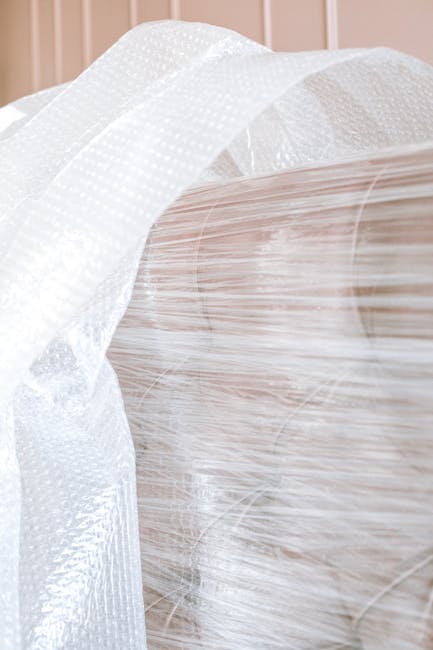
- Transport and shipping: most workshops rely on local carriers. Indicative rates from Italy to France: small parcel (up to 20 kg) €25–60; large parcel/pallet €120–450 depending on volume. For further Europe, budget €200–800 depending on dimensions. Always request door-to-door insurance covering the declared value of the goods (approximate cost 1–3% of declared value).
- Paperwork and VAT: if you live outside the EU, check customs formalities. EU buyers: Italian VAT (22%) applies if the workshop is VAT-registered; for some artisan sales and exports, duty-free regimes may apply — ask for a pro forma invoice and export paperwork before payment.
- Negotiation and customization: bargaining room varies with the workshop’s size and the wood’s provenance. For an exhibition piece, a 5–15% discount may be possible outside high season. For bespoke commissions, expect to sign a contract detailing materials, dimensions, lead time and deposit (generally 20–50%).
- Certifications and sustainability: ask whether the wood is certified (FSC or PEFC) or comes from reclaimed sources (“legno recuperato”). Responsible artisans often note exact provenance (local forests, natural drying). For long-lasting furniture, prefer natural oil or wax finishes over synthetic varnishes.
- After-sales warranty: check the warranty (often two years for workmanship, with specific conditions for finishes). Some workshops offer maintenance services (light sanding, re-waxing) charged €50–200 depending on the service.
Visitor tip: bring photos of your home and accurate measurements if you’re considering a commission. Ask for a scale model or 3D rendering — many workshops offer this for an additional fee (€50–200), which helps avoid proportion mistakes. Finally, allow time for the maturation of an order: working with solid wood often requires storage and acclimatization before delivery.
Conclusion — Investing in a Piedmontese Wooden Piece: Value, Emotion and Durability
Buying a handmade piece or a carved object in Piedmont gives you far more than a functional item: it’s an investment in living heritage, a conversation between material (wood) and the artisan’s sensitivity. Whether you’re after a solid walnut table made in the Langhe, a delicately carved box from the shores of Lake Orta, or a meticulous restoration in Cuneo, Piedmont offers a full spectrum of experiences and products.
This guide has provided concrete addresses, opening hours, price ranges and practical information to plan visits or commissions. Piedmont’s craftsmen place great emphasis on material traceability and fine finishes. Don’t hesitate to ask detailed questions about the wood’s origin, drying method, finishing products and insurance conditions for transport. Budget realistically, accounting not only for the piece’s price but also packing, shipping and potential export taxes.
Above all, leave room for emotion: a handcrafted piece tells a story and will age gracefully, developing a unique patina. Choosing a Piedmontese maker supports local artisans, helps preserve traditional skills and lets you bring home a durable object that can be passed down through generations. To extend the experience, consider booking an introductory workshop or a guided visit: watching a sculptor’s hand or seeing a piece take shape at the carpenter’s bench is often as rewarding as the object itself.
Safe travels through Piedmont’s workshops — may your discoveries be rich in material and meaningful encounters.