





INTRODUCTION
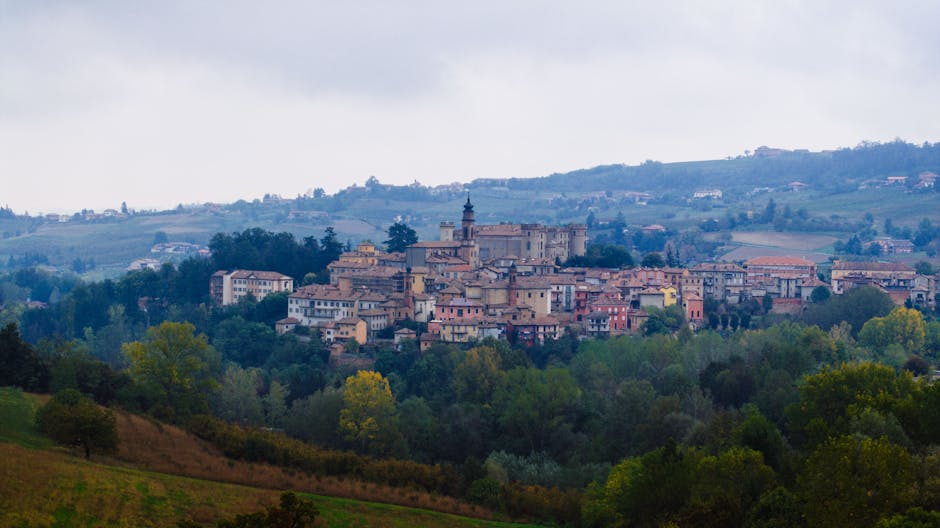
Piedmont, with its rolling hills, world-class vineyards and charming hilltop villages, is a feast for the senses. Towns like Barolo, La Morra, Serralunga d’Alba, Monforte d’Alba, Neive and the mesmerising Isola San Giulio on Lake Orta are more than names on a map — they’re promises of sweeping panoramas, medieval history and unrivalled food culture. Many of these villages sit on ridgelines or promontories and offer 360-degree views that change with the seasons — morning mist over vines in autumn, crisp blue skies in winter, and golden sunsets in summer. Exploring them is not just sightseeing; it’s a sensory journey where sun-warmed stone alleys, the woody scent of wine barrels and the intense aroma of white truffle mix together.
This guide is aimed at travelers who want to discover Piedmont’s hilltop villages and iconic viewpoints with practical, actionable details: full addresses for key sites, typical opening hours, indicative prices in euros, and local tips to make the most of your visit. Whether you’re a photographer hunting for the perfect vineyard curve, a wine lover trying to understand Barolo’s terroir, a hiker after panoramic trails, or a curious wanderer exploring tiny medieval piazzette, you’ll find concrete suggestions to plan your days.
We also focus on immersive experiences: where to stand for sunrise views, which local bar is best for an informal tasting, and the best months to visit for harvest or truffle season. You’ll get practical tips like recommended parking, how to reach certain villages by public transport, and advice for booking guided tours and tastings to avoid queues, especially in high season. Finally, the text includes suggested images — visual cues to inspire and help you pick illustrations for your itinerary.
Barolo, La Morra and the Heart of the Langhe: Wine, Countryside and Endless Views
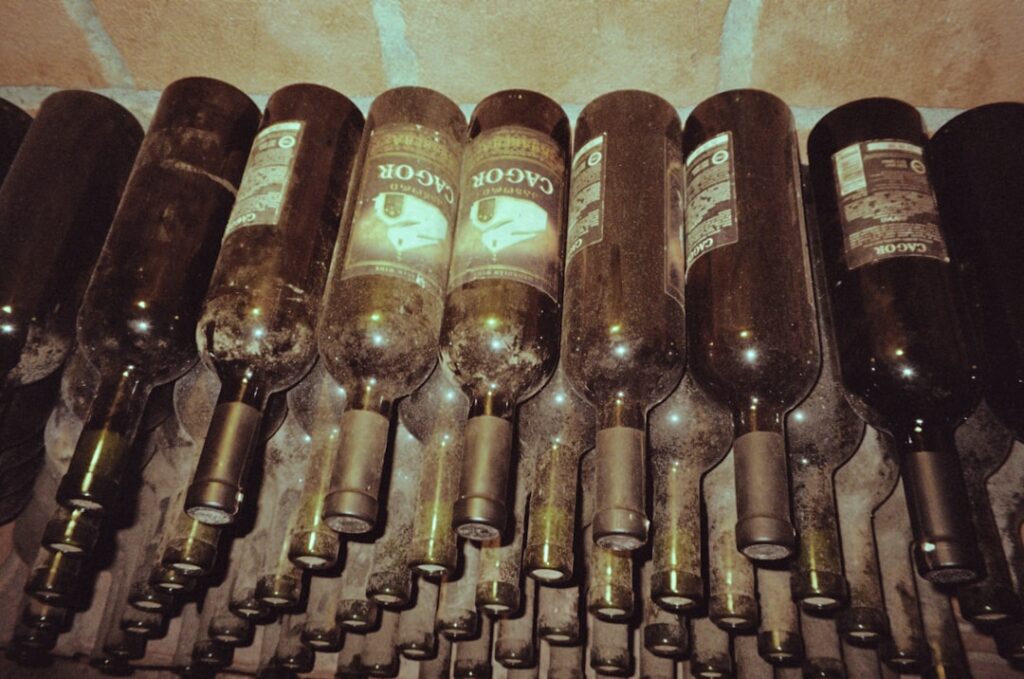
In the centre of the Langhe and Montferrat wine region you’ll find iconic wine villages, the most famous being Barolo. The Museo del Vino – WiMu (Wine Museum) is located at Piazza Falletti, 1, 12060 Barolo CN, Italy. Typical hours: open daily from 10:00 to 18:00 (extended hours in summer). Admission: about €10 for the permanent exhibition, €12–15 for guided tours that include tastings. WiMu offers immersive displays on wine history, evolving viticultural tools and tastings of local vintages. Online booking is highly recommended for groups and weekend visits.
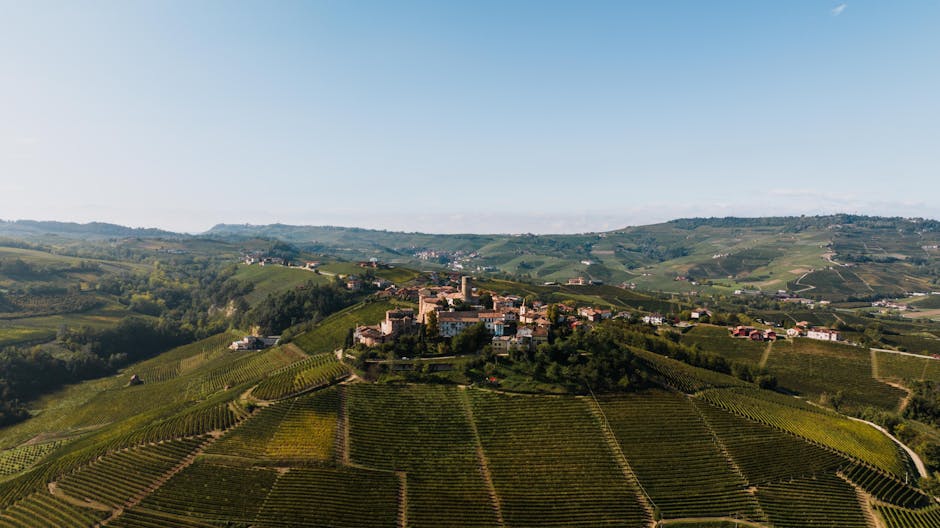
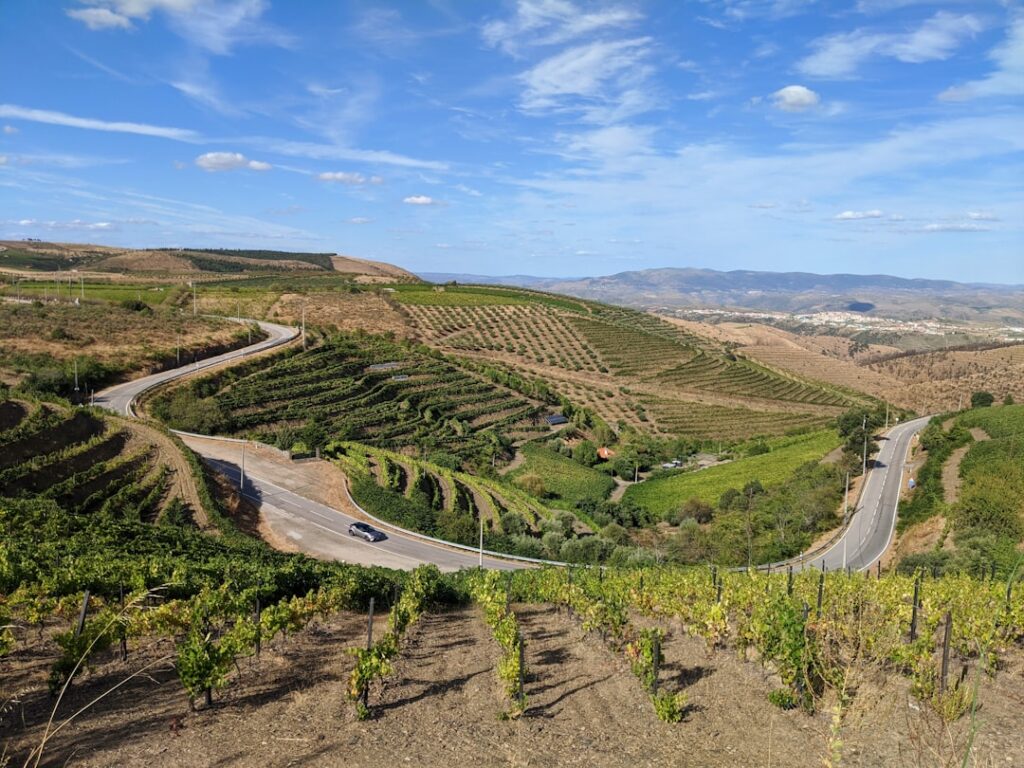
La Morra, perched on a headland with unrivalled panoramic views over the vineyards, is found at Corso Piave, 44, 12064 La Morra CN, Italy. The Belvedere di La Morra (viewpoint) is public and free — it’s one of the best spots to photograph sweeping rows of Nebbiolo that look like rivers running to the horizon. Best time: sunset, when golden hues bring out the reddish soil and the ochre facades of the houses. Don’t miss the local cooperative cellar for a casual tasting — prices typically start around €8–15 depending on the number and quality of wines.
Practical tips: wear comfortable shoes for cobbled streets; parking can be limited in high season — use public lots at the base of the villages (often free or €1–3 per hour). For a fuller experience, combine a museum visit with a tasting at a family-run cantina in Serralunga d’Alba or Monforte d’Alba. Many producers offer cellar tours by reservation (usually €15–40 depending on what’s included). Book at least a week in advance during high season.
Serralunga d’Alba and the Castello di Serralunga d’Alba: Medieval History on the Ridge
Serralunga d’Alba stands out for its striking Castello di Serralunga d’Alba, at Via Castello, 5, 12050 Serralunga d’Alba CN, Italy. The castle, dating from the 14th century, is one of the region’s best-preserved fortifications: tall towers, intact walls and a characteristic square plan. Opening hours: typically 10:00–18:00 from April to October, with guided tours often available in the afternoon; outside those months hours are limited — check ahead. Admission: around €6–8 (discounts for students and seniors); guided tour supplements usually €5–10.
Beyond the castle, the village itself is a maze of steep alleys that open onto views of the wine valleys. A walk along Via Roma toward Piazza Castello reveals alternating scenes of vineyards and small woodlands. For photographers, clear morning light gently illuminates the castle walls and surrounding vines; sunsets bring more dramatic contrasts.
Practical tips: the site is family friendly but some areas aren’t suitable for strollers because of stairs. Bring a jacket for the evening — elevation and wind can cool things down quickly. For lunch, opt for a local osteria serving truffle pasta dishes and tajarin (Piedmontese egg pasta), with main dishes typically €12–18. By car, follow signs to the parcheggio pubblico at the bottom of the village (often €2–5 per day). If you want to combine wine tourism and historical visits, contact the provincial tourist office (Ufficio Turistico delle Langhe) to arrange an itinerary with tastings and a local guide.
Monforte d’Alba, Neive and Orta San Giulio: Alleys, Lakes and Light
Monforte d’Alba, perched on a hill, is known for its Piazza Ferrero, a hub for music and wine festivals. The tourist office is usually located in the municipal buildings around the piazza (address: Piazza Vittorio Emanuele II, 12065 Monforte d’Alba CN, Italy). You’ll find information on the « Collisioni » festival’s concerts and guided vineyard tours here. Don’t miss the walk up to the Torre Campanaria for a lovely vantage point over rooftops and vineyards. Access to the tower can be restricted during events; entrance is often a symbolic €2–4 when open.
Neive is one of Piedmont’s best-preserved medieval villages, located at Piazza Italia, 2, 12052 Neive CN, Italy. Listed among Italy’s « Borghi più belli d’Italia, » it boasts well-kept cobbled lanes, stone houses and beautifully decorated facades. Several small local museums and craft workshops (ceramics, textiles) have variable hours: typically 09:30–12:30 and 15:00–19:00. Neive is also a great starting point for tastings at family wineries — tastings from around €10 with a reservation.
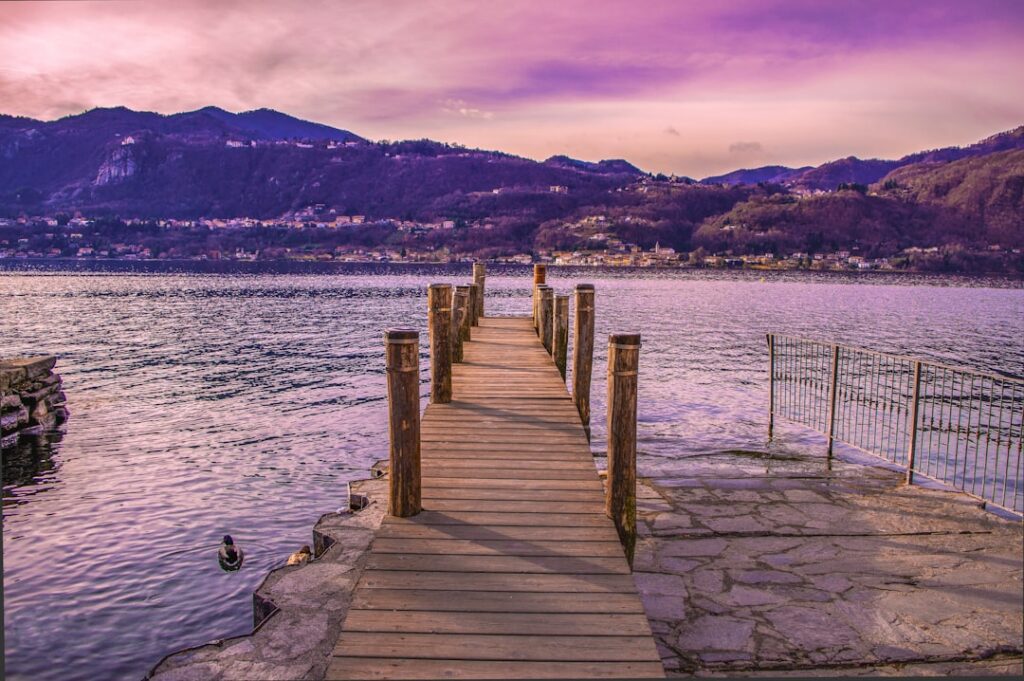
About an hour from the Langhe, Lake Orta and Isola San Giulio offer a complementary escape. Orta San Giulio’s main square is Piazza Motta, 1, 28016 Orta San Giulio NO, Italy — a lakeside village with sloping alleys leading to the harbor. To reach Isola San Giulio (Isola di San Giulio), take the boat from the quay at Piazza Motta: regular crossings cost roughly €3–5 one way, with schedules varying by season (more frequent services in summer, every 20–30 minutes). The islet hosts the Basilica di San Giulio and a monastery; the basilica is often open from 09:00 to 18:00. Stately alleys and a small lakeside beach offer romantic views of the water and surrounding mountains — perfect at sunrise or late afternoon when the lake glows gold.
Practical tips for these villages: park on the outskirts and walk — historic centres are often vehicle-restricted. Carry some cash for small museums and lake transport (some operators accept cards, some don’t). Culinary highlights include Castelmagno cheese and tajarin with ragù, and if you’re there during truffle season (October–December), try Alba’s prized white truffle dishes (prices vary; expect €20–60 per dish depending on presentation).
LOCAL PRACTICAL TIPS AND SUGGESTED ITINERARIES
Planning a trip to Piedmont’s hilltop villages requires a bit of logistical preparation. First, a car is the most flexible way to reach small hamlets and viewpoints; drive cautiously on narrow ridge roads and use signed parking areas. Parking costs: generally €1–5 per day depending on the village. Second, bookings are often required for tastings and guided cellar visits — allow a week’s lead time in high season and up to three weeks for particularly renowned estates.
Recommended 2–4 day itineraries:
- Day 1: Barolo (WiMu, tasting) → La Morra (Belvedere) — sunset. Stay in La Morra or Barolo.
- Day 2: Serralunga d’Alba (Castello) → Monforte d’Alba (stroll, lunch) — visit a family cantina. Overnight in the Langhe.
- Day 3: Neive (historic walk) → drive to Alba (market, truffle if in season). Evening in Alba for dinner.
- Day 4: Head to Lake Orta (Orta San Giulio, crossing to Isola San Giulio) — relax by the lakeside late in the day.
Additional practical info:
- Language: Italian; English is commonly spoken at tourist offices and by wine producers who cater to visitors.
- Currency: euro (€). Keep €20–50 in notes for small purchases or minor entry fees.
- Health: most small towns have a daytime pharmacy (farmacia). For emergencies call 112.
- Seasons: harvest time (September–October) is lively; Alba’s truffle fair runs in October–November; peak tourism is May–September.
CONCLUSION
Piedmont’s hilltop villages combine dramatic scenery, historic heritage and culinary delights for a fully rounded travel experience. From the imposing Castello di Serralunga d’Alba to the intimate lanes of Isola San Giulio, each place tells a story of stone, vines and family traditions handed down through generations. The views from La Morra or the alleys of Neive let you appreciate the Langhe’s sculpted ridges — shaped by both human hands and time — and the colours that shift with the hours and seasons.
To get the most out of your trip, take care of practicalities: book tastings and tours in advance, check seasonal opening times for museums and religious sites, and have backup plans for fickle weather. Local transport (ferries on Orta, winding country roads) adds charm but needs a little organisation beforehand. Budget-wise, it’s possible to enjoy the area affordably: tastings from €8–15, historic site entry often under €10, and osteria meals around €12–25 per person depending on the menu.
Most importantly, don’t rush: sip a morning coffee in a sunny piazza, watch the mist lift off the vineyards, or savour a plate of tajarin and a glass of Barolo in a family cellar — these are the moments that define a great stay in Piedmont. These hilltop villages aren’t just tourist spots; they feel like the soul of a region, where every viewpoint turns into a memorable postcard. Safe travels and happy discoveries in Piedmont’s golden hills!