





Introduction: When Piedmont Shapes Masterpieces
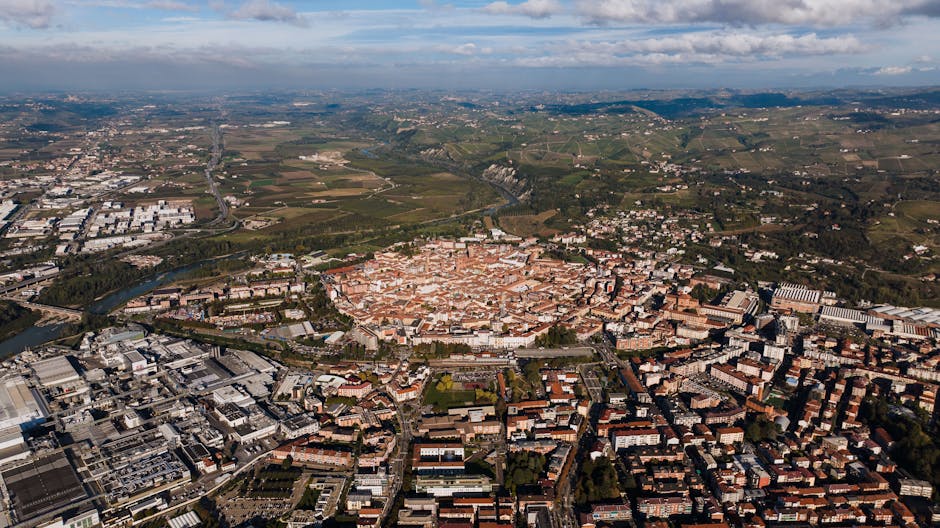
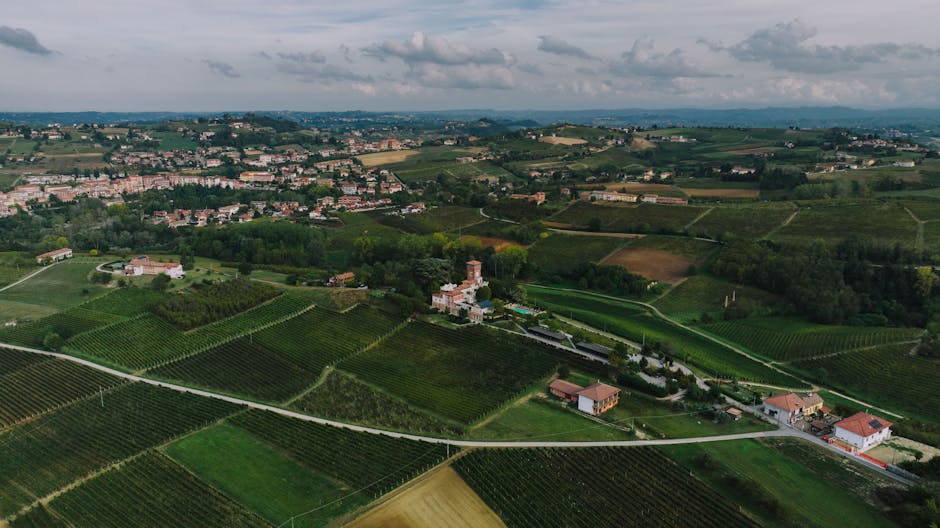
Piedmont is a land of contrasts: the Alps hugging the horizon, the rolling hills of the Langhe and Monferrato, the baroque streets of Turin and stone villages where time seems to slow down. Beyond its famed landscapes and wines, this northern Italian region hides a quieter but equally precious treasure: the artisan workshops where exceptional leather, ceramic and blown-glass pieces are born. Often tucked away in backyards or former factories, these studios are labs of handed-down know-how, where raw materials are transformed into objects that are both useful and beautiful.
Visiting these workshops gives you a front-row seat to a creative intimacy: the scent of tanned leather, the murmur of a ceramic kiln, the glow of molten glass ready to be shaped. It also reveals how local factors — climate, natural resources, agricultural traditions and Piedmont’s industrial history — shape techniques and forms. In Turin, in revitalized neighborhoods like San Salvario and Vanchiglia, young designers work alongside older masters, while in smaller towns such as Alba, Cherasco and Biella, family-run ateliers still produce unique pieces with methods unchanged for decades.
This guide offers an immersive, practical route to discover those production sites: exact names and addresses of workshops, prices for tours and hands-on sessions, opening hours, sensory descriptions and local tips to make the most of your visit. Whether you’re a collector, a photographer, a curious traveler or simply a lover of beautiful objects, you’ll find addresses here to book a leather workshop, a ceramics demo or a glass-blowing session. I also explain how to pair these visits with wine and food tastings, where to park, how to book and what to bring home to keep the memory alive.
Get ready to step into studios that smell of glue and earth, meet master craftsmen willing to share their gestures, and leave with an object steeped in history — a patinated leather bag, a wheel-thrown plate, or a translucent glass vase that catches Piedmont’s light. Piedmont is not just a destination for the palate: it’s a destination for hands and eyes. Come with me to the workshops where masterpieces are made.
Leather Workshops: Piedmont’s Master Tanners
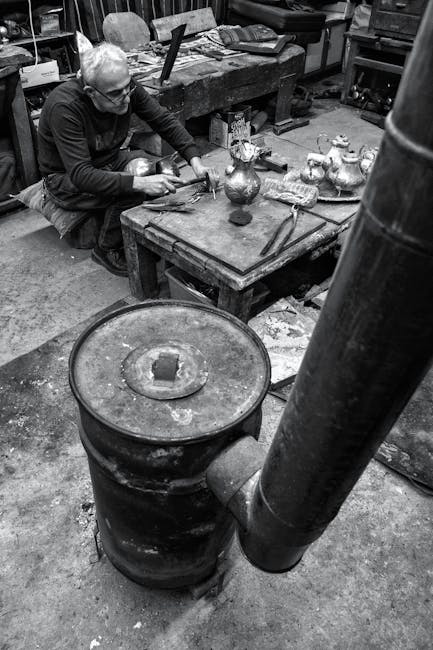
Leatherwork in Piedmont swings between traditional craftsmanship and contemporary design. Turin and its surroundings host several well-regarded workshops where you can watch every step: selecting hides, cutting with knives, hand-stitching, local tanning and finishing. A must-visit is La Bottega del Cuoio di Torino, located at Via Giuseppe Garibaldi 45, 10122 Torino. Open Tuesday to Saturday from 10:00 to 18:30, the shop-workshop offers guided tours by appointment (price: €10 per person for a 45-minute tour) and hands-on workshops to make a coin purse or belt (2-hour workshop €55 per person).
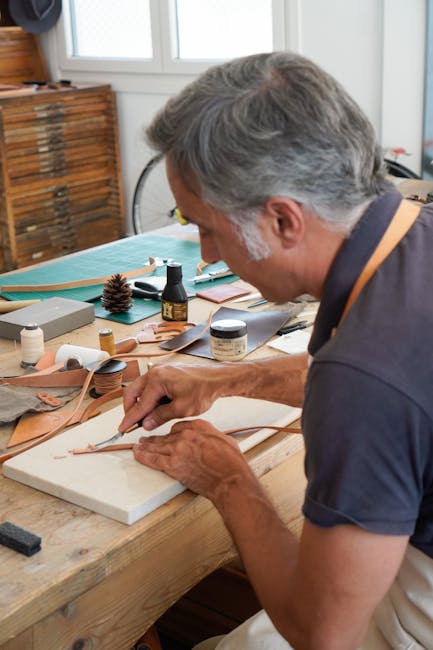
Another reference point is Laboratorio Pelletteria Artigiana Bianchi, Corso Vittorio Emanuele II 112, 10124 Torino. This small family atelier is open Monday to Friday, 9:00–17:00; closed on weekends. The artisans make bespoke bags and small leather goods (indicative prices: bags from €220, repairs €25–€80 depending on the job). Visits are by appointment and include demonstrations of saddle stitching and hand-dyeing. For travelers, it’s a chance to see old tools and learn about different leathers (calf, maroquin, full-grain) and how to care for them.
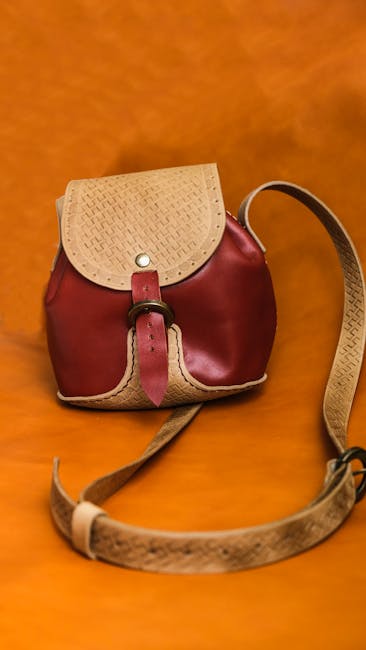
Heading toward the Langhe, you’ll find Atelier Cuoio Langhe at Via Cavour 8, 12051 Alba (CN), which runs introductory days (4-hour workshop €95) where you cut, assemble and leave with a self-made pouch. Hours: Tuesday–Sunday 10:00–17:00, closed Monday. Practical tip: wear comfortable clothes and bring a light jacket — fine tannery dust can settle on clothing. Artisans also recommend buying a small care kit (leather cream €10–15) to preserve the patina.
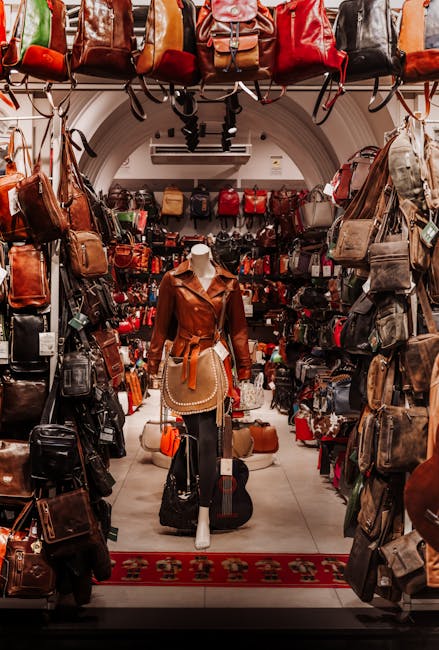
Extra local tips: for a truly personal piece, book at least two weeks in advance if you want a made-to-order item — ateliers often work on multiple commissions at once. Always ask for the exact name and origin of the leather, and look for a “cuoio pieno fiore” mark if you want the highest quality. If you plan to ship your item abroad, ask about shipping costs and reinforced packaging (roughly €15–30 depending on weight).
Ceramic Studios: Clay and Kilns in the Piedmont Hills
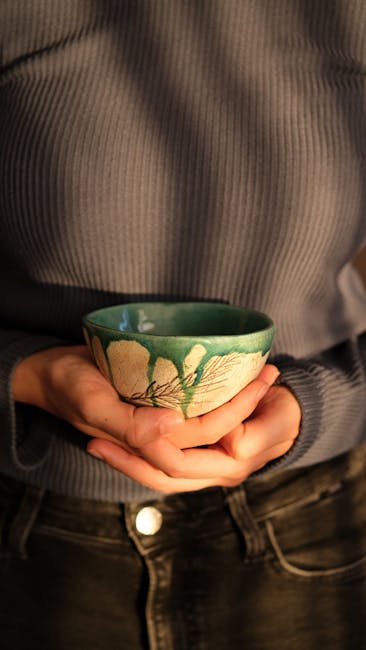
Piedmont ceramics blend rustic shapes with contemporary lines, often drawing inspiration from rural landscapes and local cuisine. A typical ceramics studio welcomes you into a large space filled with clays, wheels, glazes and big brick kilns. One of the most renowned is Manifattura Ceramica di Cherasco, located at Via Vittorio Emanuele 74, 12062 Cherasco (CN). Open Wednesday to Sunday, 10:00–18:00, the guided tour costs €8 and lasts about 40 minutes. Introductory workshops (wheel and decoration) are offered at €65 for 3 hours and include firing and shipping of the finished piece (shipping fees extra).
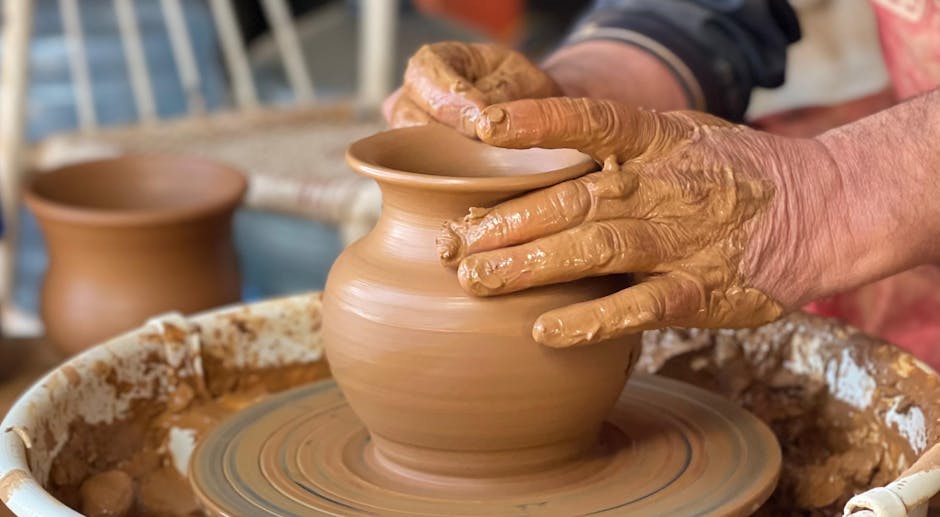
At Laboratorio Ceramico CasaPoma, Via Roma 23, 12042 Bra (CN), potters create limited series of plates and cups in white earthenware inspired by regional cuisine. The studio is open to the public Tuesday–Saturday, 9:30–17:30; self-guided visits and a shop are on site. Prices: cups from €18, plates from €28. Family workshops (1.5 hours) are €30 per person — perfect for introducing kids to glazing and shaping.
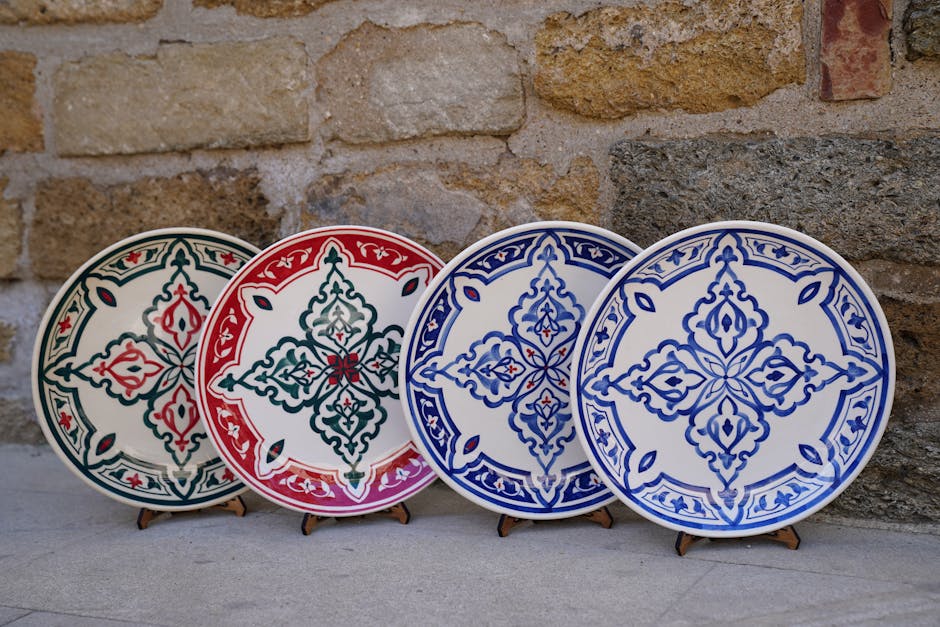
Further north, Atelier Terra e Fuoco at Via G. Marconi 12, 13895 Pollone (BI) (near Biella) specializes in porcelain and high-temperature firing. They open their kiln once a week for public demonstrations (by reservation); entrance for the demo is €12. They also offer artist residencies for those wanting to deepen their practice (rates and availability on request).
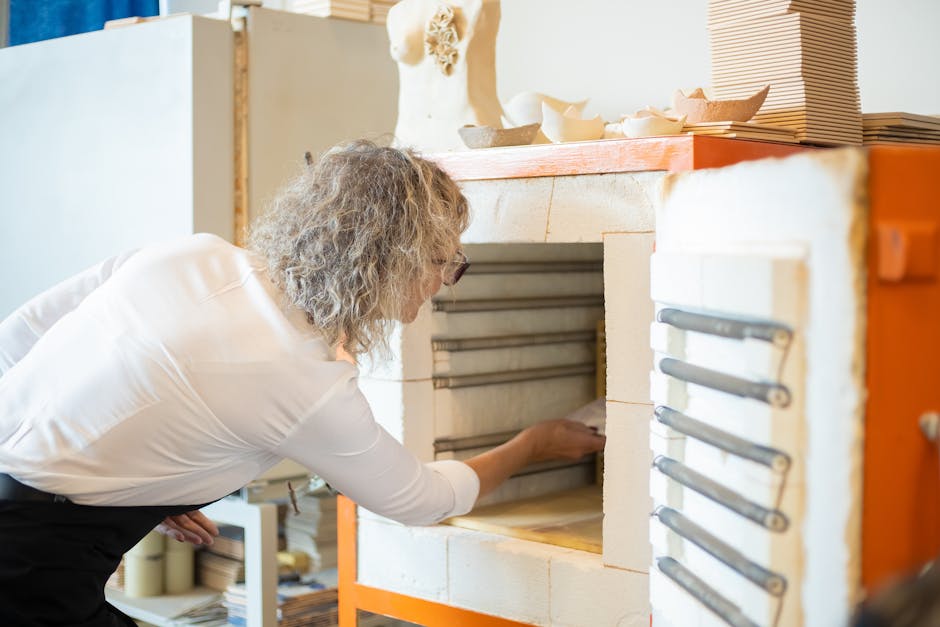
Practical tips: ceramics require patience — expect several days between the throwing session and picking up the finished piece (drying, firing, glazing). Plan for pickup or shipping rather than taking pieces with you immediately. Wear clothes you don’t mind getting dirty and closed-toe shoes for studio work. If you buy fragile items, request reinforced packing (extra €5–20) and opt for insured shipping.
Glass-Blowing Workshops: Fire, Breath and Lightness
Glass-blowing in Piedmont blends technical skill with spectacle. You’ll find historic studios and young glassmakers producing both utility objects and sculptures. A standout venue is Vetreria Artistica Piemontese – Atelier di Soffiatura at Via Cavour 11, 10024 Moncalieri (TO). Public demonstrations take place on Saturdays at 15:00 (entry €12). The atelier also runs a short introductory course (2 hours) for €80 per person, limited to 6 participants for safety reasons. You’ll witness the transformation of molten glass, the handling of the blowpipe and shaping with pincers.
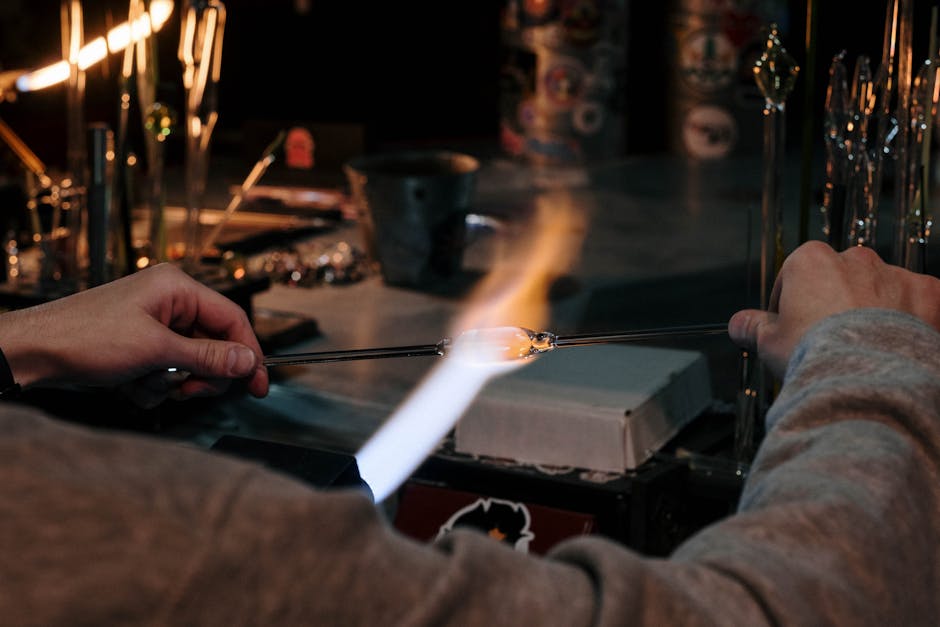
In Turin, Studio Vetro Torino – Officina del Vetro, at Corso Moncalieri 70, 10132 Torino, offers tours of its furnace and sessions to make a small bowl or a bead (bead workshop 1.5 hours €45, bowl workshop 3 hours €95). Hours: Wednesday–Sunday 10:00–18:00, closed Monday/Tuesday. Weekend sessions are in high demand; it’s strongly recommended to book online at least two weeks ahead.

For a rural experience, Fornace del Vetro di Langhe at Via Colline 4, 12050 Barolo (CN) offers full-day « immersion » programs: studio tours, a local lunch and a blowing workshop (full day €150). It’s a great complement to an oenogastronomic visit to the Langhe, since glassmaking echoes the region’s wine culture — notice how artisans shape tasting glasses.
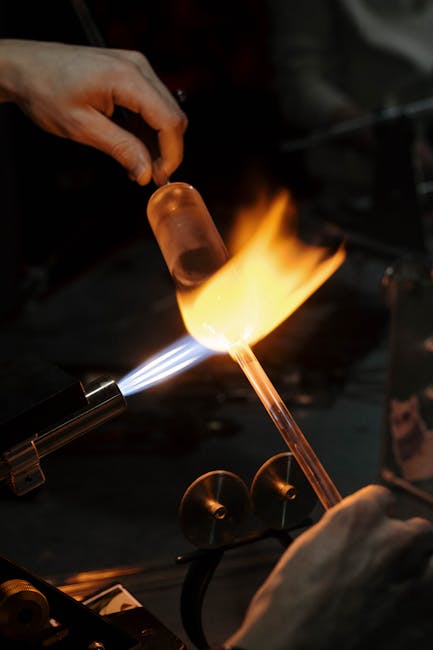
Local safety tips: glass-blowing involves extreme temperatures. Wear natural-fiber clothing, avoid synthetics, and skip jewelry that could snag. Follow workshop safety instructions and remember that safety comes before the perfect photo. If you plan to buy a fragile piece, ask for a certificate of authenticity and custom packing (often €10–40).
Routes, Combinations and Practical Tips for Planning Your Visits
Routing between these workshops takes a bit of planning. Turin is an excellent starting point — a convenient base for day trips to Moncalieri, Alba, Barolo and Cherasco. Here are three suggested circuits and practical tips to get the most out of your experience.
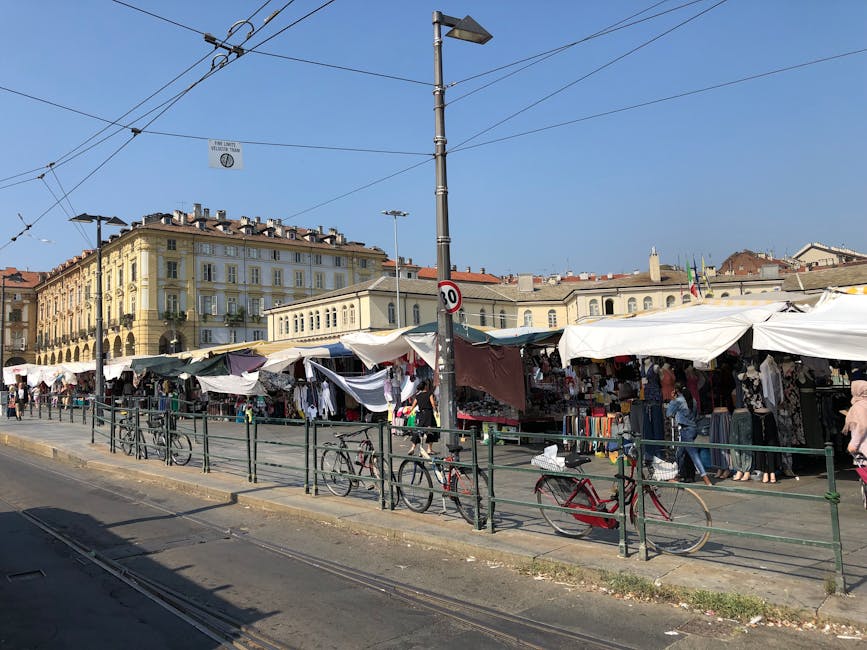
Short route (1–2 days): based in Turin. Day 1: morning visit to La Bottega del Cuoio di Torino (Via Giuseppe Garibaldi 45) and lunch at the Quadrilatero market. Afternoon: glass demo at Studio Vetro Torino (Corso Moncalieri 70). Estimated budget: €80–150 per person (tours + quick workshop + lunch). Booking: call 24–48 hours in advance for weekday workshops, 7–14 days for weekends.
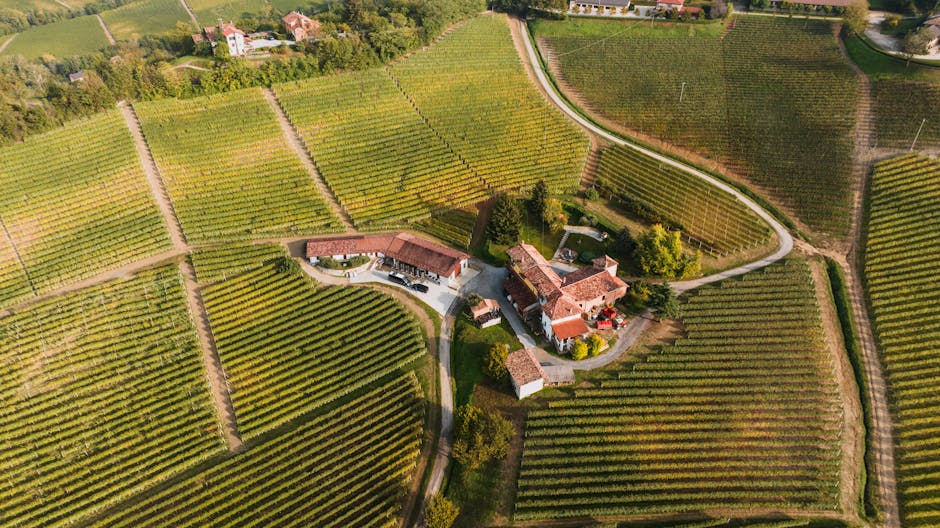
Extended route (3–4 days): based in Alba or Barolo to combine ceramics and leather. Day 1: morning at Atelier Cuoio Langhe (Via Cavour 8, Alba). Afternoon: stroll Alba’s historic center. Day 2: Manifattura Ceramica di Cherasco (Via Vittorio Emanuele 74) for a throwing workshop. Day 3: excursion to Barolo for Fornace del Vetro di Langhe (Via Colline 4) and a wine tasting. Approximate budget: €250–450 depending on chosen workshops and meals.
Logistics tips:
- Transport: a car is the most flexible way to reach studios scattered across the countryside. Motorways A21 and A33 connect Turin to the Langhe. For city travel, Turin’s GTT network is practical.
- Booking: essential for hands-on workshops, especially in high season (May–September) and on weekends.
- Language: most artisans speak Italian; some tourist-focused workshops offer English tours. State your language preference when booking.
- Budget: expect €40–150 for an individual workshop, €8–12 for a short demonstration, and €20–300 for purchasing a unique artisan piece.
- Accommodation: favor agriturismi in the Langhe for a full immersion (book in advance during harvest season).
Conclusion: Bringing Home More Than an Object — A Shaped Memory
Visiting leather, ceramic and glass-blowing workshops in Piedmont is more than buying a souvenir: it’s capturing a fragment of a living regional culture. Objects born in these places carry the memory of gestures, tools and aesthetic choices handed down through generations. A leather bag tells of hide quality and stitch work; a wheel-thrown plate bears the mark of the potter’s wheel and glaze; a blown-glass vase holds the warmth of the fire and the precision of the glassblower’s breath.
Practically speaking, plan your visits in advance, prioritize workshops that offer demonstrations and hands-on sessions to feel the energy of manual work, and think about shipping logistics if you buy fragile pieces. Prices vary, but the investment is worth it: you rarely leave with a mere object — you take away a story and a piece of skill acquired in a few hours. Follow safety rules, dress appropriately for workshops (comfortable clothes, natural fibers for glass, closed-toe shoes) and always ask for care instructions to extend the life of your purchases.
Finally, give yourself time to linger between visits: lunch at a local osteria, a taste of Barbaresco or Nebbiolo, a stroll through a farmers’ market or a specialty food shop will perfectly complement your artisan experience. These workshops are open doors to the soul of Piedmont — take the time to listen to the artisans, ask questions and, if possible, try for yourself. You’ll leave with objects, yes, but above all with memories shaped by material and by the warmth of the people who turned craft into a true way of life.