





INTRODUCTION
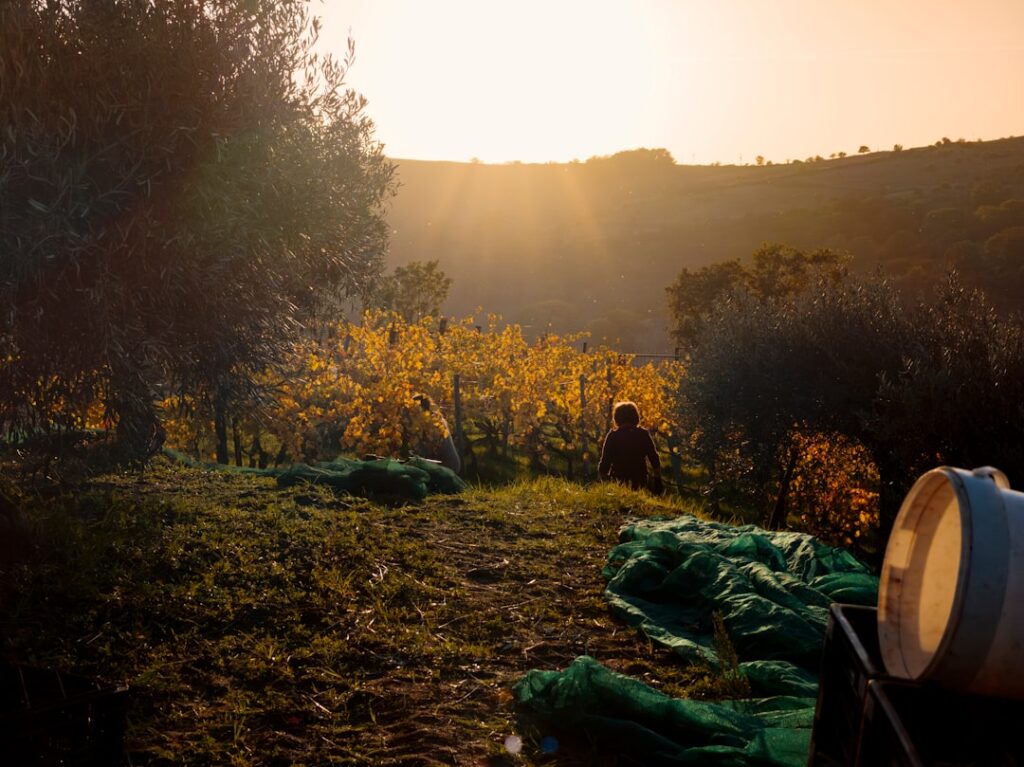
Cycling through Piedmont means riding into a rolling tapestry where vineyards form sunlit ridgelines, narrow country roads curl past low stone walls, and every village looks as if it were lifted from a postcard. The Langhe region — a UNESCO World Heritage site for its vineyards — is a dream playground for curious cycle-tourists: gentle to moderate slopes, jaw-dropping panoramas, and plenty of delicious stops to sample the wines that put Italy on the map — Barolo, Barbaresco, Nebbiolo and more.
This suggested route is aimed at intermediate riders: expect several short, sometimes steep climbs, technical but manageable descents, and plenty of opportunities to tailor each day to your pace. Practical details are woven throughout the article: recommended starting points, exact addresses for wineries and wine museums, opening hours, indicative prices and local tips for locking up your bike, booking tastings and adjusting your route depending on the weather.
Beyond the wine, Piedmont is rich in culture and history. Medieval castles like Castello Falletti di Barolo sit alongside watchtowers, Romanesque churches and viewpoints that offer sweeping views over the vineyards. Farm markets sell prized white truffles (especially in autumn around Alba), local cheeses and cured meats — perfect for an impromptu picnic on a hilltop. On a bike, these stops are even more rewarding: you earn every pour after a climb, then breathe in the scent of earth and vine to better understand the intimate link between terroir and wine.
Finally, biking in Piedmont comes with a few simple local rules of thumb: book your tastings in advance, respect winery hours (many are closed Sunday mornings or between 1–3pm), dress for the microclimate and prefer secondary roads. This article walks you step-by-step through a sample itinerary with exact addresses, opening times and prices, plus practical tips to keep your trip authentic, safe and memorable.
1. Getting ready & suggested route: starting from Alba and first stages
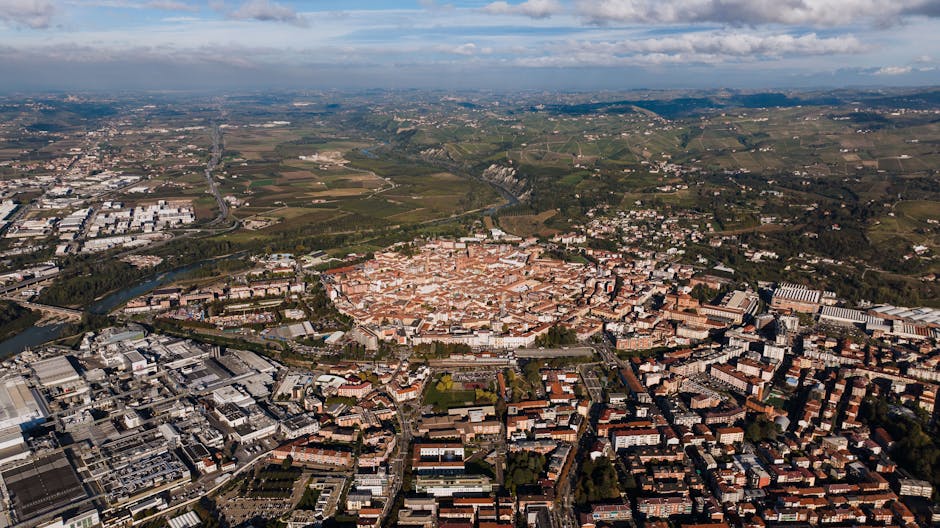
To kick off your vineyard ride, the town of Alba makes an ideal starting point. Alba Station (Stazione di Alba) is located at Piazza Vittorio Emanuele II, 12051 Alba CN. The station is served by regional TER trains and some InterCity services; keep in mind that taking a bike on board depends on schedules and space. Access to the station is 24/7, but ticketing and information desks are typically open from 06:30 to 20:30. Price example: a regional ticket from Turin costs roughly €8–12 depending on origin. If you prefer to rent a bike, two convenient shops are:
- Bike Alba Rental — Via Vittorio Emanuele 12, 12051 Alba CN. Opening hours: 08:30–19:00. Daily rental rates: mountain bike €25/day, road bike €35/day, e-bike €60/day. Phone +39 0173 123456 (book at least 48 hours in advance during high season).
- Cicli & Vino — Corso Langhe 44, 12051 Alba CN. Hours: 09:00–18:30 (closed Monday). Rental: e-bikes €55/day, helmets included.
Recommended Day 1 route: Alba → La Morra → Barolo (about 35 km with roughly 600 m of total elevation). Follow the SP26 then SP3 to enjoy quieter secondary roads. Between Alba and La Morra you’ll pass small towns like Rodello and Verduno; plan a stop at the La Morra viewpoint (Belvedere di La Morra — Piazza Castello, 12064 La Morra CN) for your first immersive view over the Langhe landscape. The viewpoint is open at all times; a tourist information point nearby is generally open 09:00–17:30 in low season and 09:00–19:00 in high season. Entrance: free.
2. Barolo: Castello Falletti and WiMu, a deep dive into wine
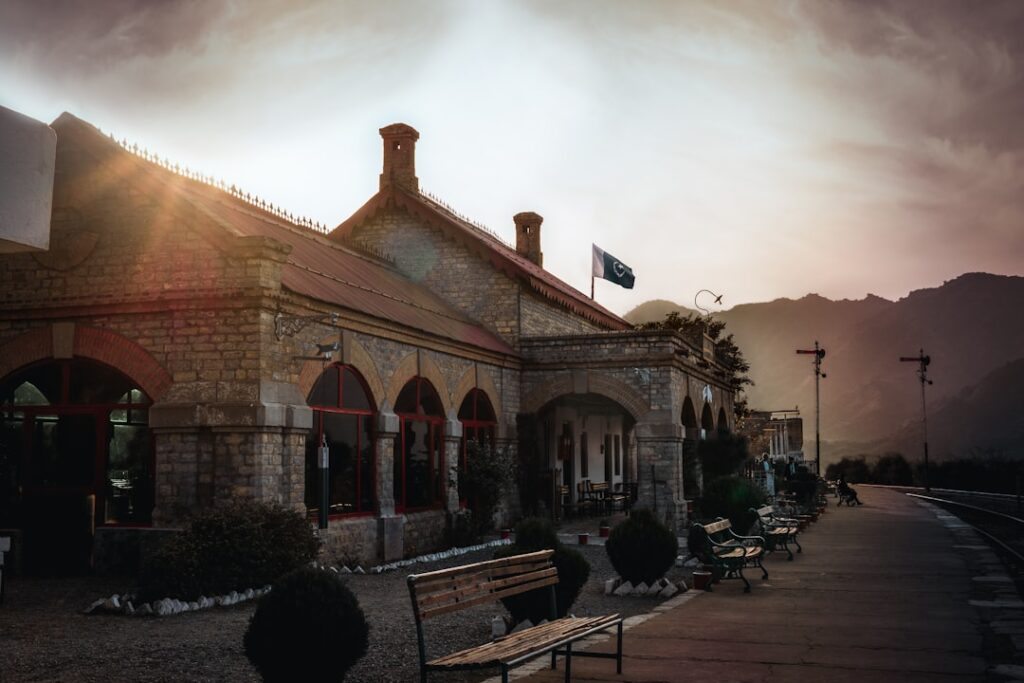
Barolo is the symbolic heart of Piedmont’s wine country. Castello Falletti di Barolo, at Piazza Falletti, 12060 Barolo CN, is home to WiMu — the Wine Museum. Full address: Castello Falletti, Piazza Falletti 1, 12060 Barolo CN. WiMu opening hours: 10:00–18:30 (last entry 17:30); closed Tuesdays outside high season (check seasonal variations). Entrance: €10 adult, €7 reduced (students), free for children under 6. The museum offers an immersive story of wine in the valley, sensory exhibits and tasting workshops.
Nearby, several wineries welcome visitors for tastings by appointment. Example: Cantina Marchesi di Barolo — Via Roma 5, 12060 Barolo CN. Tasting hours: 10:00–12:30 / 15:00–18:00; guided tour + tasting €20–35 depending on number of wines. Reservation recommended: +39 0173 555000. For lunch or a break, Osteria More e Macine (Via Falletti 2, 12060 Barolo CN) serves traditional fare: starter + main + a glass of Barolo for about €28–40 per person. Hours: 12:00–14:30 / 19:00–22:30 (closed Wednesday).
Practical tip: lock your bike to the racks provided in front of the castle (area monitored during the day) or ask the winery if they can keep bikes inside during the visit. In high season (May–October) wineries recommend booking guided tours in English at least 48 hours ahead. Also bring a light jacket for underground cellars where temperatures can stay cool even in summer (around 13–15 °C).
3. Barbaresco, the Torre di Barbaresco and cooperative cellars
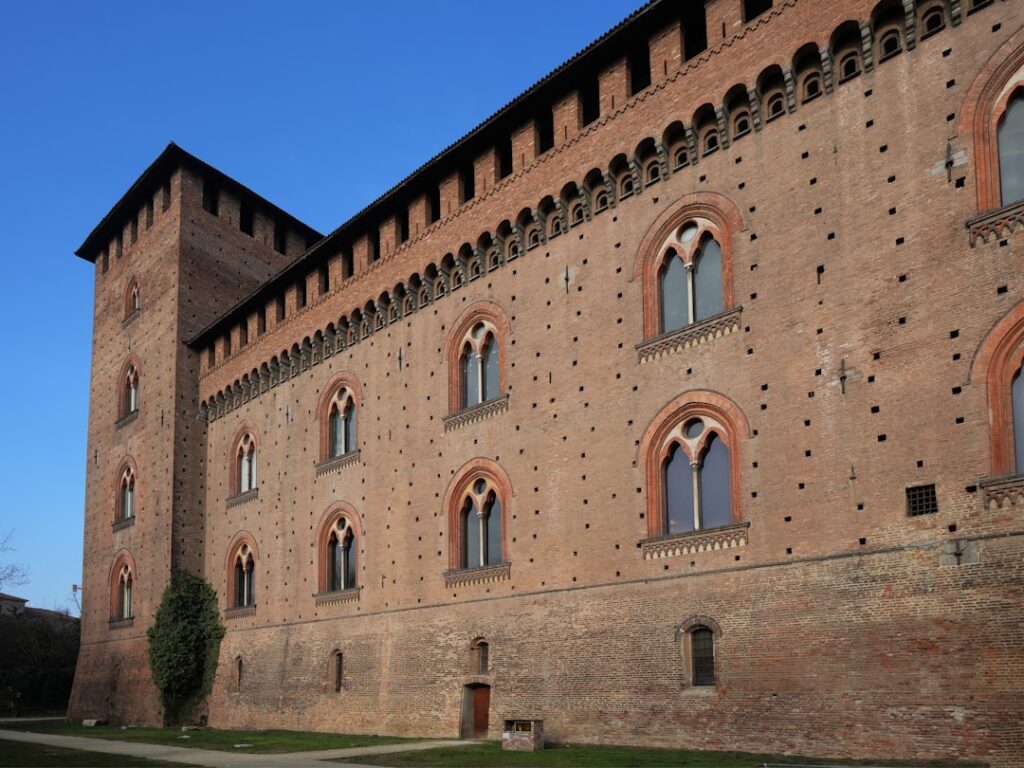
Head east to Barbaresco, another iconic village for wine lovers. The Torre di Barbaresco (Via Roma, 12050 Barbaresco CN) is a medieval tower that dominates the landscape and offers commanding views over the Tanaro River and the vineyards. Visiting hours: 09:30–19:00 in high season, 10:00–17:00 in low season. Admission: €4 adult, €2.50 reduced. The walk from the village center down to the Tanaro’s bank provides spectacular perspectives on the slopes.
For an authentic tasting experience, the Cantina Produttori di Barbaresco (Piazza XX Settembre 2, 12050 Barbaresco CN) offers tastings of Barbaresco DOCG and other local vintages. Hours: 09:00–12:30 / 14:30–18:30; standard tasting price €12 for three wines, guided cellar tour + tasting €18–25. Phone: +39 0173 620111. This cooperative cellar is a great way to understand the variety of terroirs and to compare vintages — a perfect activity after a morning on the bike.
Dining: Trattoria La Coccinella (Via Vittorio Veneto 8, 12050 Barbaresco CN) serves local dishes (tajarin with truffles when in season); main courses €12–18, truffle tasting menu €45–65 depending on season. Hours: 12:00–14:30 / 19:00–22:00 (reservations recommended). Tip: arrive in the late afternoon to catch the soft, golden light on the hills — photos look especially beautiful between 17:30 and 19:30 in summer.
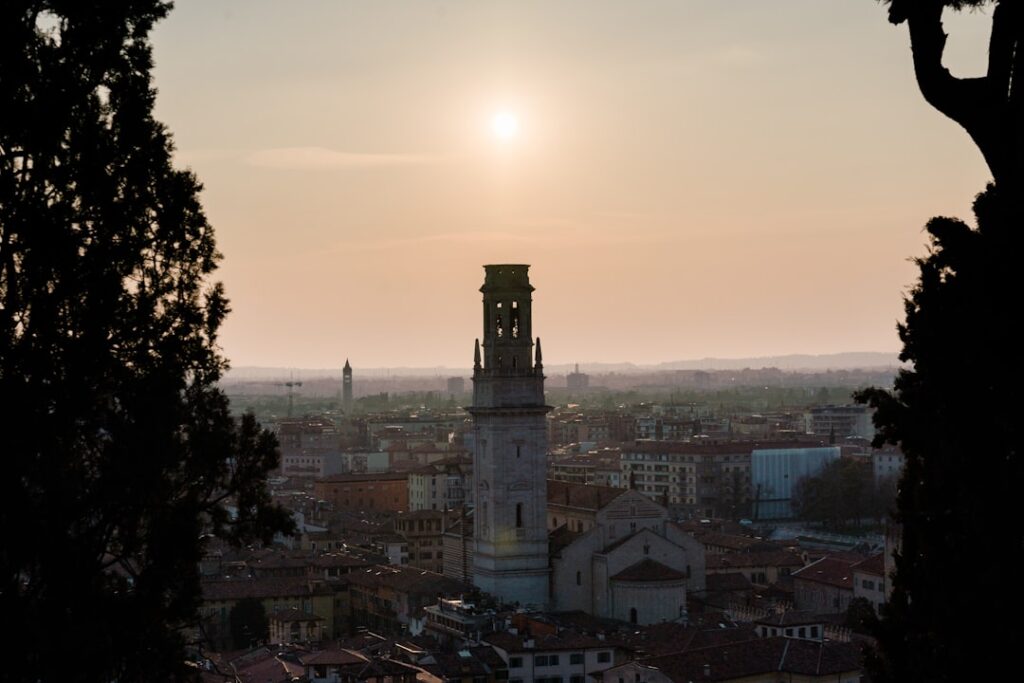
4. La Morra, Monforte d’Alba and the viewpoints: panoramas and gourmet provisions
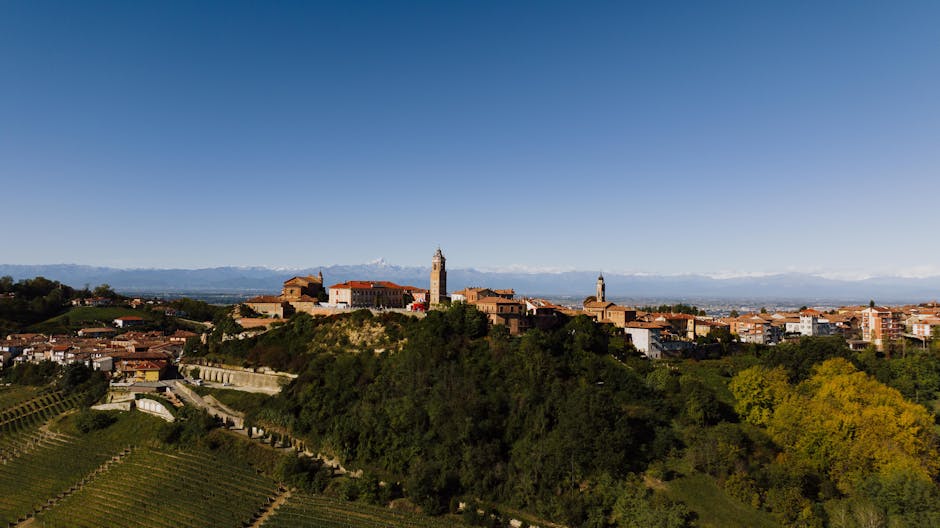
La Morra is a hilltop village perfect for wandering between viewpoints and enoteche (wine bars). The La Morra Belvedere (Piazza Castello, 12064 La Morra CN) offers 360° views across the hills. Nearby, the Enoteca Regionale del Barolo (Via Vittorio Emanuele 5, La Morra) provides wine lists and expert advice on vintages. Enoteca hours: 10:00–19:00; tastings on site cost about €10–20 depending on the number of samples.
Monforte d’Alba, a bit further south, is known for its medieval lanes and higher-end restaurants. For a tasty stop, Antica Trattoria della Posta (Piazza Giuseppe Garibaldi 7, 12065 Monforte d’Alba CN) offers regional menus: antipasti €8–12, mains €14–24. Hours: 12:00–14:30 / 19:00–22:30. Monforte also hosts summer music festivals — check the local events calendar at the tourist office (Ufficio Turistico Monforte d’Alba — Piazza Cornalese 2, open 09:00–18:00).
Handy for cyclists: small grocery shops (alimentari) like Alimentari Rossi (Via Roma 11, La Morra) sell artisan sandwiches, local cheeses and 375 ml bottles to-go. Hours: 08:00–13:00 / 16:00–19:00 (closed Sunday afternoons). Approximate prices: sandwich €5–7, half-bottle €8–15 depending on the cru. If you plan to stay overnight, Locanda del Belvedere (Strada Provinciale 2, 12064 La Morra CN) offers double rooms from around €90/night in low season and about €140 in high season, breakfast included. Check availability and whether they can securely store or park bikes.
5. Practical tips, safety and the best times to pedal
Best time to go: spring (May–June) and autumn (September–October) offer pleasant temperatures (15–25 °C), less rain than November and fewer crowds than July. In autumn, the harvest and Alba’s White Truffle Fair (usually October–November) add a spectacular gastronomic dimension — book several weeks ahead if you’re visiting during the fair.
Recommended gear: a road or gravel bike with 28–32 mm tires for comfort on sometimes uneven secondary roads; a small repair kit (inner tube, pump, multi-tool); a high-visibility vest for stretches on departmental roads; a handlebar bag for maps and your phone. Bring a 1–1.5 L water bottle and energy snacks like fruit jellies, almonds and focaccia.
Road safety: follow Italian traffic rules — wearing a helmet is strongly advised (mandatory for children), give priority to the right in many villages, obey traffic lights and speed limits. Local drivers are used to cyclists, but avoid peak commuter times (08:00–09:30 and 17:00–19:00) to ride more peacefully.
Bookings and budget: expect standard tastings to cost €10–25 per person depending on the winery; guided tours and food pairings can rise to €40–80. Accommodation: B&Bs and small hotels on the outskirts typically range €80–160 per night for a double room. Transport: if you need to take a bike on the train, check the fee and availability of bike spaces — some companies charge an extra €3–10.
Final local tips: learn a few basic Italian words (hello — buongiorno, thank you — grazie, wine — vino), respect winery and restaurant hours, and always ask if tastings require a reservation. If you plan to bring bottles home, check airline rules for transport or arrange shipping through the winery (many offer international shipping at variable cost depending on quantity).
CONCLUSION
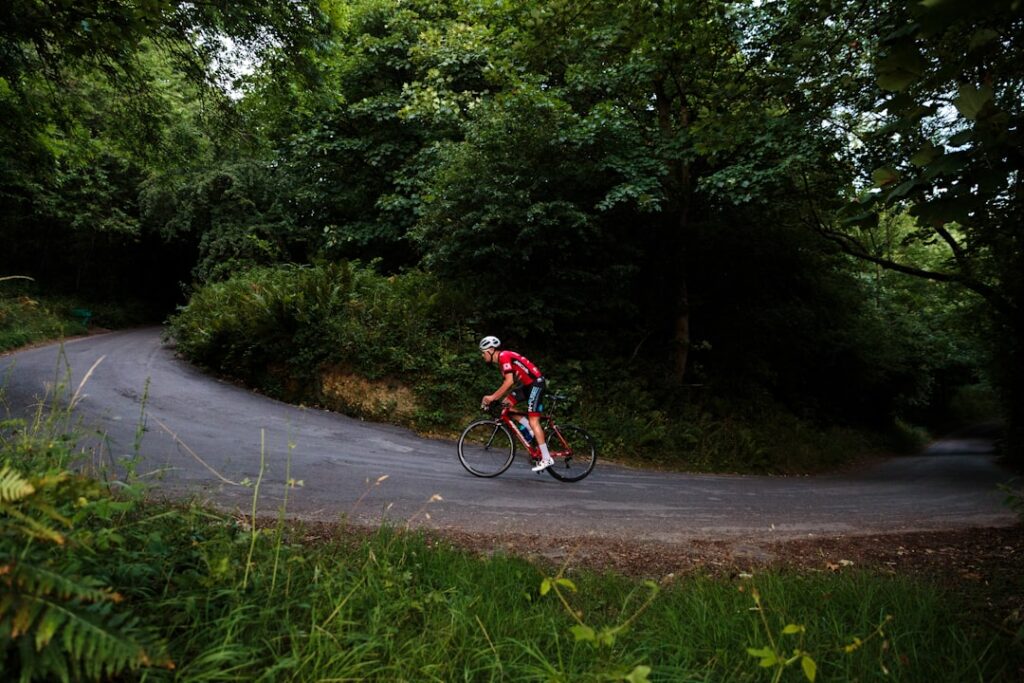
Exploring Piedmont’s vineyards by bike combines physical effort, scenic wonder and gustatory pleasure. Starting from Alba and weaving between La Morra, Barolo, Barbaresco and Monforte d’Alba, you’ll meet the true spirit of Piedmont: carefully tended terroirs, passionate producers eager to share their craft, and landscapes that linger long after the trip ends.
Each village has its own character: Barolo with its Castello Falletti and WiMu for an informative dive into wine history; Barbaresco with its tower and cooperative cellars to appreciate Nebbiolo’s range; La Morra and Monforte d’Alba for their viewpoints, trattorie and medieval streets. The addresses listed — stations, bike shops, wineries and restaurants — give you concrete anchors to build your route, but don’t be afraid to improvise: Piedmont’s richness is often found along quiet lanes and with lesser-known producers discovered around a bend.
For a successful trip, prioritize booking tastings in high season, adapt your gear and days to the weather, and always savor the slow pace. Cycling enhances tasting: each climb sharpens your senses, each descent gives you time to absorb the view. Return home with images of golden hills, contacts for authentic producers and, if you like, a few carefully packed bottles to extend the journey at your table.