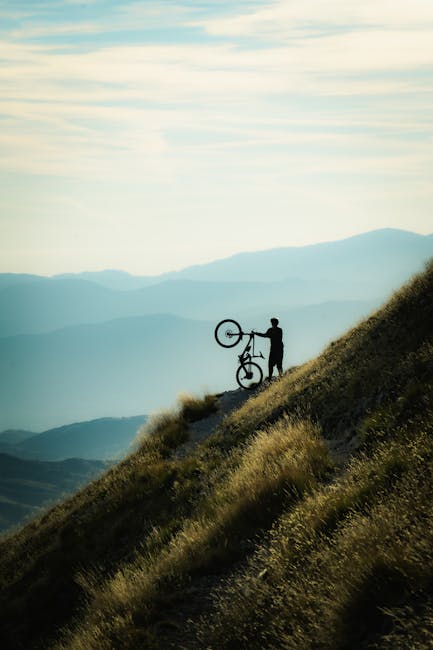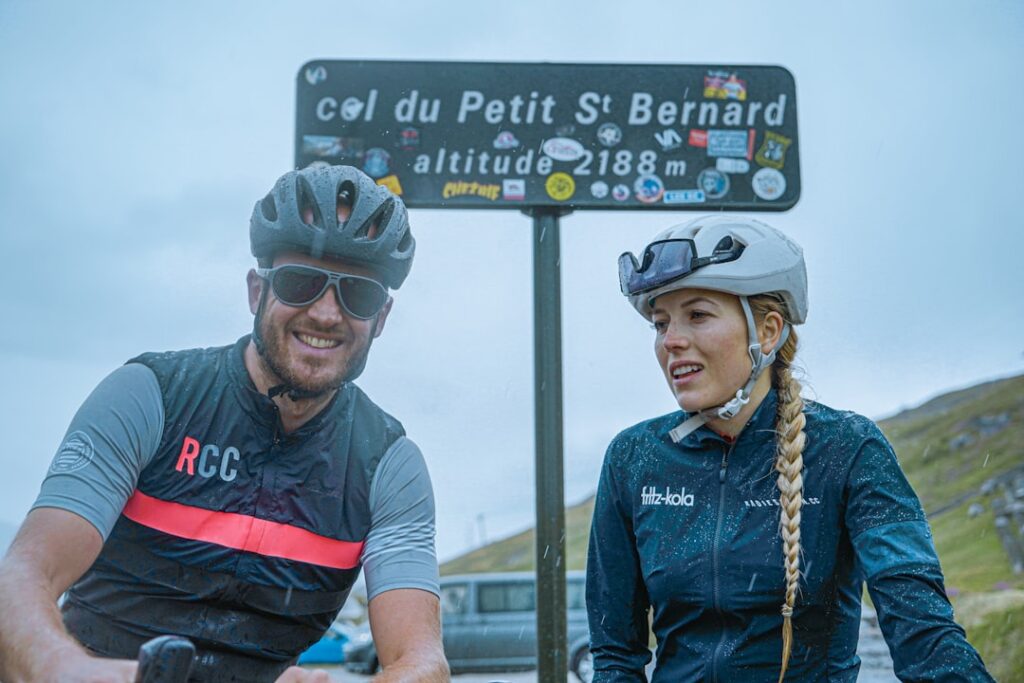






Introduction: Why Piedmont’s hidden passes lure adventurous cyclists
Piedmont, a land of contrasts where towering mountains meet lush valleys and vine-covered hills, is a playground for cyclists who crave routes off the beaten track. Beyond famous climbs like the Colle delle Finestre or Sestriere, there’s a constellation of lesser-known passes — narrow ascents, gravel stretches, sweeping panoramas and villages that seem frozen in time. These « hidden » passes deliver the full package: physical challenge, cultural immersion, local cuisine and restorative solitude away from the summer crowds.
This guide is for adventurous riders looking to discover Piedmont differently. You’ll find detailed descriptions of passes often avoided by the peloton, precise addresses (tourist offices, parking spots, huts and restaurants), practical info (opening times, costs, gear recommendations) and tips to plan safe outings. The aim isn’t merely to list names, but to recreate the experience: the scent of spruce after a storm, the sight of a mountain lake at the summit, the crossing of a flock of sheep, or stumbling on a family-run trattoria serving homemade tajarin.
In Piedmont the topography mixes high alpine passes and mid-altitude climbs that alternate across varied routes. Some roads are passable year-round; others open only in summer, sometimes for just a few months because of snow. Preparation is therefore essential: check road opening times, inspect surface conditions (asphalt, concrete, gravel) and bring supplies to fix punctures and minor mechanical issues. You’ll also learn where potable water sources, open huts, pharmacies and stage lodgings are located. All of this ensures the adventure stays enjoyable and not a headache.
Finally, this trip is meant to be respectful: follow local regulations and signage, share the road with motorists and shepherding activities, minimize environmental impact and favor local service providers. Piedmont’s hidden passes are opportunities to meet locals, buy regional products (mountain cheeses, honey, cured meats) and add a story to every climb. Prepare your bike, make sure you have a reliable map or GPS, and be ready to be surprised by views that often outshine their reputation.
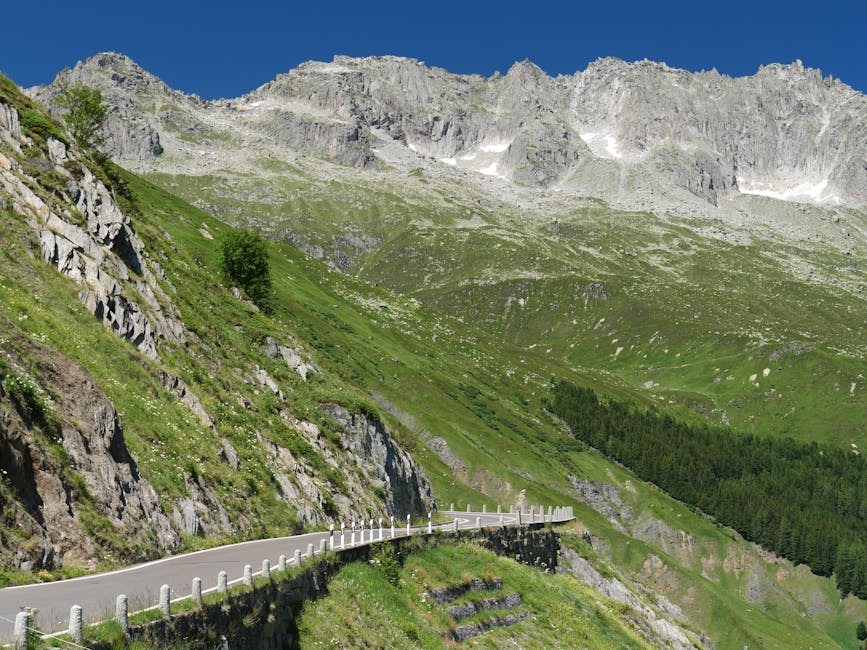
Why pick these passes and how to prepare
Before you set off, it helps to understand why some Piedmont passes remain « hidden. » The reasons are many: low traffic, sometimes uneven surfaces, access from outlying villages, limited tourist signage or strict seasonality. But those same qualities are exactly what draw cyclists seeking authenticity. On these roads, effort is rewarded with sweeping views of the Western Alps, alpine lakes or steep valleys, and encounters with family-run huts and local farmers.
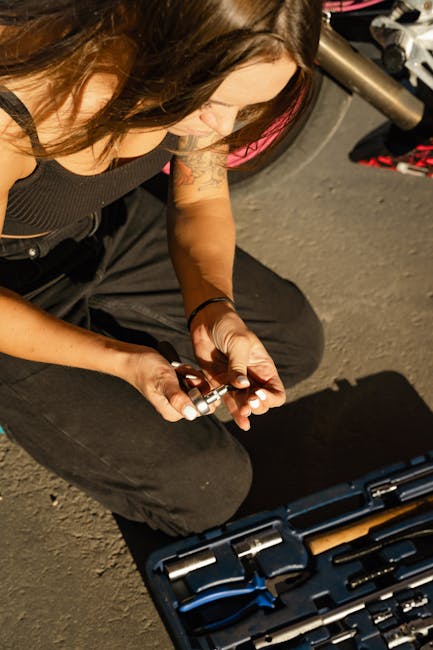
Gear prep: equip yourself with the right bike. For mixed-surface passes (asphalt + gravel), a quality gravel bike or a robust hybrid is ideal; for fully paved climbs, a road bike will do. Plan on reinforced tires (at least 28 mm for road, 40 mm for gravel), a pump, a repair kit, spare inner tubes and a multi-tool. Also consider a thermal bottle or a windproof jacket for cool descents.
Safety and logistics: check the weather and road conditions before leaving. Some mountain roads are closed in winter (for example Colle del Nivolet and certain stretches around Gran Paradiso National Park). Carry a paper map or a reliable GPX file and note useful addresses in case of need: tourist offices, rescue posts and local garages. Mobile coverage can be limited at high altitude; an external battery is therefore indispensable for your smartphone/GPS.
Health and nutrition: at altitude, exertion can feel tougher. Hydrate frequently and bring carb-rich snacks. Check for fountains or huts on your route. If you have specific medical needs, tell someone your plan and carry emergency contact info. Finally, respect opening hours of shops and refuges: outside high season many close in the morning or mid-afternoon.
Colle delle Finestre (Sauze d’Oulx – Susa Valley): the wild icon for specialists
The Colle delle Finestre is one of Piedmont’s most emblematic climbs, known for its unpaved sections and rugged character. It connects the towns of Sauze d’Oulx (Via Roma, 10054 Sauze d’Oulx TO) and Susa (Piazza San Giusto, 1, 10059 Susa TO), passing beneath Col Basset and along overlooks above the Susa Valley. The most famous side starts from Sestriere and climbs roughly 18 km with a sometimes coarse surface: a solid bike and strong legs are required.
Access point / usual start: for a classic approach park in Sauze d’Oulx at Parking Via Pineret, 10054 Sauze d’Oulx TO. Parking is often free or subject to a daily fee ranging from €0 to €5 depending on the period. Additional parking can be found in Sestriere at Parcheggio Colle del Sestriere, Via Pineret, 10058 Sestriere TO.
Opening times and costs: the road is usually open from May to October, but can close temporarily after bad weather. No tolls apply. The hut Rifugio Colle delle Finestre (Via Colle delle Finestre, 10058 Susa TO) offers drinks and hot meals in high season; expect main dishes €12–18, drinks €3–5. Approximate hours: 09:00–18:00 in summer (check locally at +39 0122 123456 for confirmation).
Practical tips: aim for an early morning start to avoid afternoon storms. Bring a tubeless wheel or reinforced tubes as the gravel can cause punctures. Midway, take in the panorama over the Susa Valley and stop for photos near old bunkers and tunnel gates — remnants of the area’s border history.
Colle del Nivolet (Gran Paradiso National Park): the alpine lake ascent
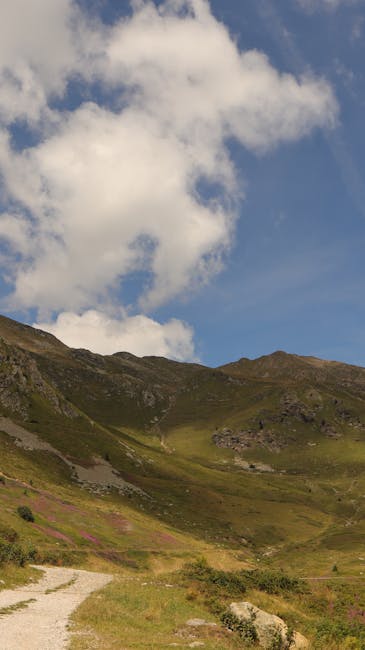
The Colle del Nivolet is a majestic route through Gran Paradiso National Park, with views over crystalline lakes like Lago Serrù and Lago Agnel. From Ceresole Reale (Piazza Martiri della Libertà, 1, 10080 Ceresole Reale TO), the SS50 winds in hairpins up to high elevations, revealing alpine tundra and chamois herds. It’s a high-mountain climb with steep sections and altitudes exceeding 2,600 meters in places.
Access point and useful address: Ufficio Turistico di Ceresole Reale, Piazza Giacomo Matteotti 2, 10080 Ceresole Reale TO. Hours: in high season (June–September) 09:00–18:00; off-season hours vary. Phone: +39 0124 567890. The main parking is at Lago Serrù, Strada Statale 50, 10080 Ceresole Reale TO; parking is free but sometimes subject to a conservation contribution (recommended voluntary donation €2–5).
Fees and regulations: access to Gran Paradiso National Park is free, but some facilities (park museum, guided tours) may charge a small fee (€3–8). Huts like Rifugio Forneris (loc. Forneris, 10080 Valsavarenche AO — note: presence in the border area) offer accommodation and meals: dorm beds €25–40, meals €12–20. Check openings before you plan your route.
Climb tips: start very early to avoid crowds and capture the best light for photos by the lakes. Altitude affects performance: adopt a steady pace. Bring a windproof jacket, sunscreen and protective eyewear. Respect wildlife and plants: no picking and no wild camping outside authorized areas.
Colle della Lombarda and Colle della Maddalena (borders and secret valleys)
The French-Italian border crosses several discreet yet fascinating passes. The Colle della Lombarda (Col de la Lombarde) links Piedmont to Provence via a twisting road, while the Colle della Maddalena (Col de Larche) offers panoramas over the Cuneo and Mercantour valleys. These routes see less traffic than more touristic alternatives and are perfect for riders seeking solitude and varied elevation gains.
Addresses and starting points: for Colle della Lombarda head to Vinadio — Comune di Vinadio, Piazza Maestra 1, 12010 Vinadio CN. The local tourist office (Ufficio Turistico Val Maira, Via Roma 8, 12010 Vinadio CN) is generally open 09:00–12:30 and 15:00–18:00 in season; phone +39 0171 123456. For Colle della Maddalena a common start is Borgo San Dalmazzo, Piazza Giovanni Battista 2, 12011 Borgo San Dalmazzo CN.
Opening, access and costs: both passes are mainly open from May to October. There are no tolls, though some secondary roads may request a small contribution for maintenance (a token €1–3 for parking or upkeep). Roadside huts and restaurants serve regional dishes; for example Ristorante Rifugio La Lombarda, Strada Provinciale 20, 12010 Vinadio CN — mains €10–18, open 11:30–22:00 in season (contact +39 0171 765432).
Cycling tips: these passes can feature exposed sections with strong winds. In rain, descents get tricky: reliable brakes and good tires are essential. While passing through, sample local specialties like toma di montagna (mountain cheese), civrè (local cured meat), and mountain honey often found at Vinadio or Borgo San Dalmazzo markets. Check refuge openings in low season.
Colle Fauniera (Colle dei Morti) and the upper Piedmont Verdon roads
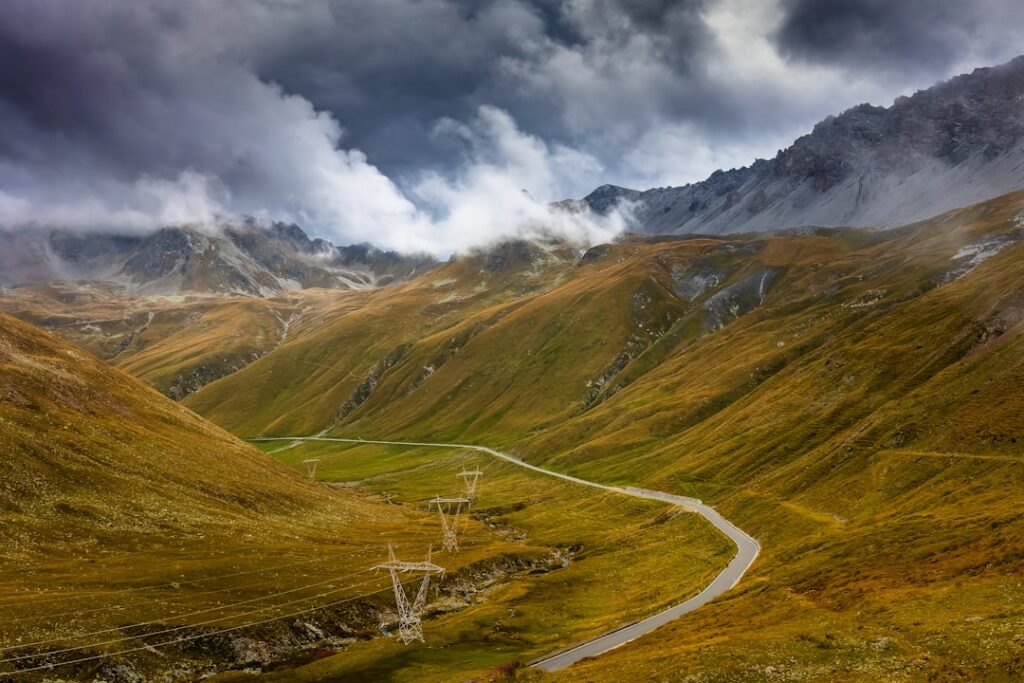
Colle Fauniera, also known as Colle dei Morti, is one of those summits that captivate cyclists with its wild character and location in the Cottian Alps. Located in the province of Cuneo, it offers wide views over surrounding ridges and long, technical descents. Access routes pass through rustic villages and pastoral landscapes that feel like another era.
Local info and addresses: tourist info and assistance in Paesana at Pro Loco Paesana, Via Vittorio Emanuele II 10, 12034 Paesana CN. Hours: in summer 09:00–12:30 and 15:00–18:00; phone +39 0175 987654. Village parking is generally free. For a culinary stop try Osteria del Montanaro, Via Roma 5, 12034 Paesana CN — mains €8–16, open 12:00–14:30 and 19:00–22:30 (closed Tuesdays).
Costs and conditions: the climb itself is freely accessible. Private services (guides, bike transfers) are available: expect €60–120 for a half-day with a local guide depending on services. Huts and agriturismi along the way charge moderate rates: nights €30–60, half-board €35–55.
Tips and an anecdote: historically these valleys were heavily used for transhumance; even today it’s common to meet shepherds or flocks of sheep. Respect livestock, slow down and give priority to animals and their keepers. Photographers will find the ridgelines at dusk deliver a stunning golden light. For cyclists, the reward is as much the summit’s solitude as the quality of the descents.
Logistics, safety and recommended contacts for your stay
Organizing a cycling trip in Piedmont requires a few simple but crucial steps. Start by choosing a base: a well-connected town with lodging and garages. Practical hubs include Cuneo (Stazione di Cuneo Via Conte Crotti 2, 12100 Cuneo CN) and Susa (Stazione di Susa, Piazza San Giusto, 10059 Susa TO). Local stations sometimes offer luggage or bike storage services; check ahead.
Recommended accommodation: favor agriturismi for an authentic experience. Examples: Agriturismo La Tenda Rossa, Via Provinciale 14, 12020 Valgrana CN — B&B nights €45–70; Hotel La Torre, Via Roma 21, 10081 Castellamonte TO — double rooms €60–110. Always check recent reviews and confirm secure bike storage.
Food and resupply: villages often have small shops open in the morning and late afternoon. For a hearty meal after a ride try Trattoria del Borgo, Piazza Castello 3, 12010 Vinadio CN — daily special €12–15. Local markets (e.g. Cuneo weekly market, Piazza Foro Boario, Saturday mornings) are perfect for buying cheeses, salami and bread. Food budget: plan €20–35 per day if you mix restaurants and self-catering.
Insurance, emergency and useful contacts: get liability and repatriation insurance suitable for endurance sports. Emergency numbers: 112 (Europe), 118 (ambulance in Italy). Major pharmacy: Farmacia Comunale Cuneo, Via Roma 10, 12100 Cuneo CN — open 08:30–20:00. For bike assistance: Bike Service Cuneo, Via Torino 45, 12100 Cuneo CN — open 09:00–19:00, phone +39 0171 999000.
Conclusion: Embrace the unknown, but prepare carefully
Piedmont’s hidden passes offer a unique experience for any adventurous cyclist: contrasting landscapes, quiet roads, warm huts and local culinary delights at every stage. While the region attracts more visitors than it used to, many of its routes still retain a discreet character — roads where riders can test themselves on the climbs, savor solitude and chat with locals. The mix of effort, natural beauty and human encounters is the true reward of a Piedmontese ascent.
Plan your trip methodically: study maps, verify seasonal openings, book lodgings when necessary and pack appropriate gear. Think safety: helmet, lights, rain gear, repair kit and an external battery for your devices. Anticipate Alpine weather that can change fast and adapt your daily goals to your condition and the day’s conditions. It’s better to shorten a route than be surprised at the summit by a storm or a closed road.
Respect the land and its people: take your rubbish with you, park in designated areas, ask permission before photographing people and buy local when you can. These small gestures help preserve the soul of the passes and support valley economies. Finally, embrace the unexpected: a shortcut, a discovered fountain, a village market or an unplanned climb can become the best memories of your trip.
In short, Piedmont rewards curiosity and preparation. Whether you choose the lunar panoramas of Colle delle Finestre, the magic of Nivolet’s lakes, the border crossings of Lombarda and Maddalena or the authenticity of Colle Fauniera, you’ll return with powerful images, stories to tell and the certainty of having explored a different side of Italy. Safe travels, and above all, enjoy the ride — caution, respect and wonder will be your best companions.