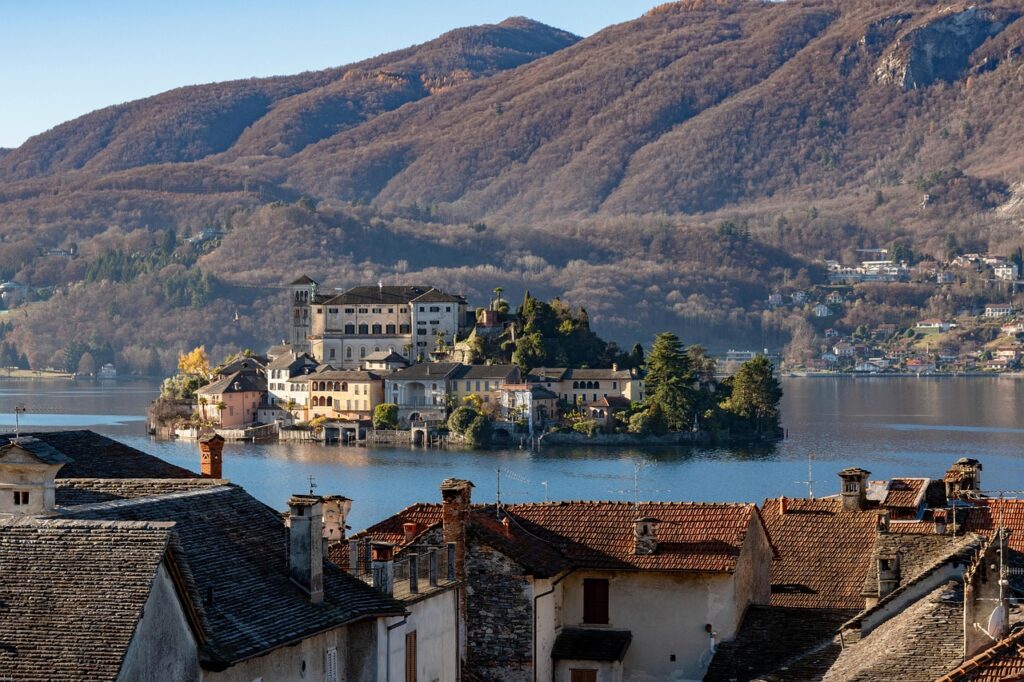






Introduction: Piedmont’s Medieval Festivals — a Journey Through Time
Piedmont, a northwestern region of Italy framed by the Alps, is a place where medieval history still speaks through village stonework, castle silhouettes and popular traditions. Every summer (and sometimes in autumn or winter depending on local schedules) medieval fairs, historical reenactments and carnivals turn historic centers into living stages: artisan markets, equestrian tournaments, costumed banquets, craft workshops and troubadour parades. These events let curious travelers « travel back in time » without giving up modern comforts — while soaking up the atmosphere, sounds, smells and flavors of bygone eras.
This practical, professionally written guide is for anyone planning a themed trip around Piedmont’s medieval festivities. It combines practical info (exact addresses, indicative prices, timetables) with immersive descriptions (ambience, activities, local tips) so you can prepare with confidence and enjoy a richer experience. You’ll find examples of major events like the Palio di Asti, the Carnevale di Ivrea (Carlevè d’Ivrea), the rievocazioni (reenactments) in Saluzzo, and several gatherings at castles such as Castello di Masino and il Castello di Agliè, where medieval celebrations punctuate the cultural calendar.
Piedmont’s medieval festivals are more than just costumes: they often involve local volunteer teams, specialist artisans (blacksmiths, weavers, potters), chefs who reinterpret historic recipes, and troupes of actors or historical combat performers. Entrance fees vary widely: some parades and street markets are free, while reserved tournaments and costumed banquets can range from €20 to over €80 per person. Typical schedules follow cultural event logic: daytime markets and activities (10:00–19:00) and evening spectacles (20:00–23:00). We’ll detail access points, exact locations, recommended meeting spots and local tricks to avoid crowds, find nearby lodging and capture the best photos.
As you read this guide, keep in mind that many events are seasonal and dates shift year to year. It’s strongly recommended to check official municipal sites or local tourist offices before finalizing tickets and accommodation. At the end of each section you’ll find practical advice (transport, useful addresses, precautions) to ensure your medieval immersion in Piedmont is both successful and authentic.
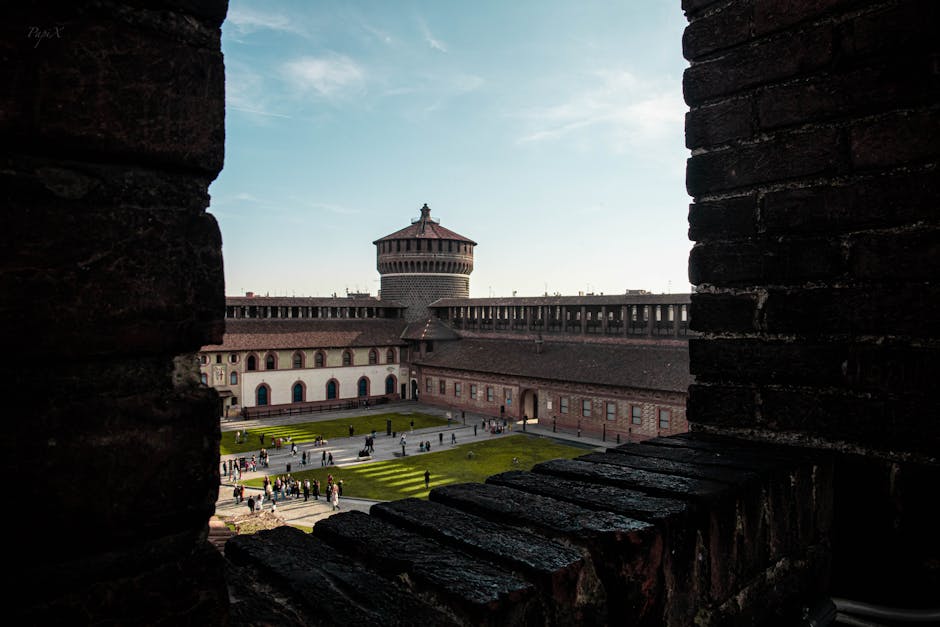
1. Palio di Asti: chivalry and neighborhood rivalries
The Palio di Asti is one of Piedmont’s most famous historical events. Originally a medieval equestrian contest, the modern Palio retains the fervor and rivalry between districts. The race is held primarily in Asti’s historic center, with key moments on Piazza Alfieri and along the course that passes Piazza Campo del Palio.
Main address: Palio Office – Piazza San Secondo, 1, 14100 Asti AT, Italy. This is where you’ll often find the information point and ticket office for the grandstands. Seats along the course’s grandstands can be booked in advance. Indicative prices: uncovered grandstand from €15; covered grandstands or private boxes from €35 to €60, depending on proximity to the start. Free spots along the route are largely first-come, first-served; arrive early to secure a good view.
Typical timetable: Palio days start as early as 09:00 with the medieval market and costumed characters gathering. the equestrian events usually take place late afternoon, between 16:00 and 19:00, followed by proclamations and evening celebrations (until around 23:00). Municipal offices usually publish the detailed programme about a month ahead.
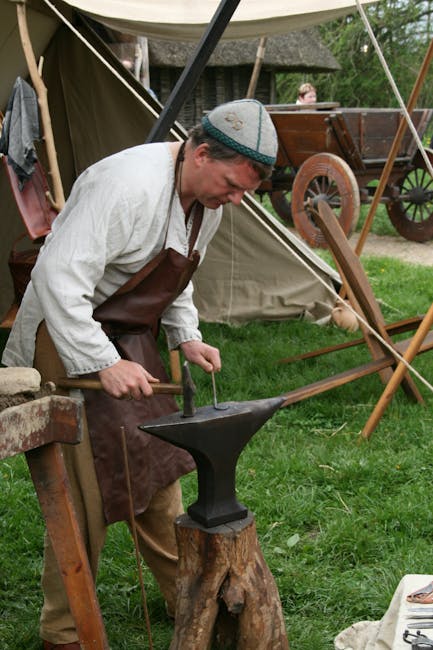
Immersive description: picture the via Maestra lined with stalls where a blacksmith hammers iron, weavers demonstrating loom techniques, and hawkers selling local cheeses, Barbera d’Asti wines and aromatic breads. Participants wear historic costumes refreshed each year, often embroidered with their contrada’s coat of arms. The clatter of hooves, the shouts of supporters and the smell of cooking fires create a vivid scene where communal history comes alive.
Local tips: book grandstand seats well in advance if you’re traveling in high season (May–September). For photos, favor narrow street entries where horses slow down. Bring a compact pair of binoculars for costume details. If you want a period meal, check which local associations offer medieval banquets — prices typically fall around €35–€55 per person (fixed menu).
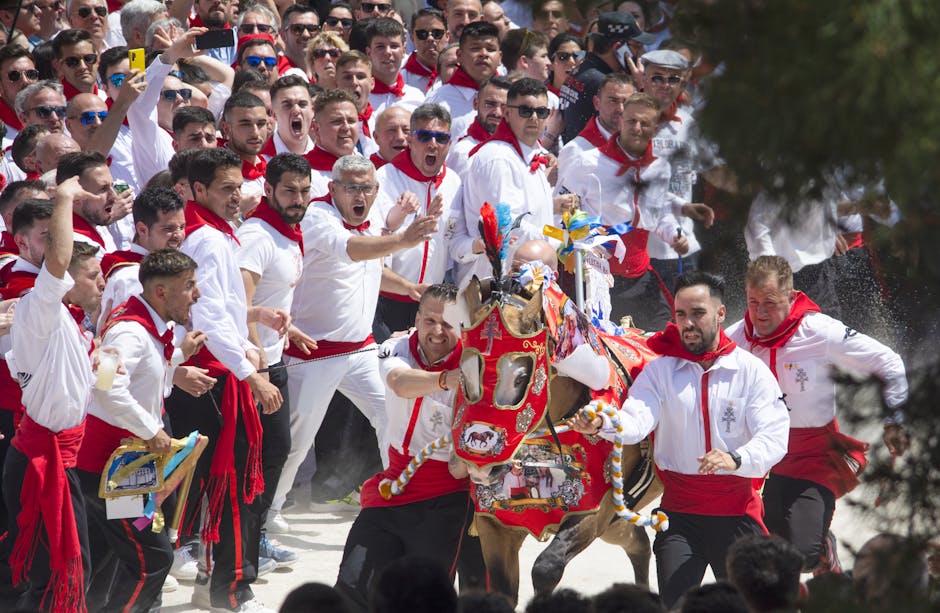
2. The Historic Carnival of Ivrea (Carlevè d’Ivrea): a dramatic popular spectacle
The Carnevale Storico di Ivrea, locally known as Carlevè d’Ivrea, is a one-of-a-kind historical carnival famous for the orange battle — a dramatic, high-energy event. Ivrea lies in the province of Torino and the carnival blends medieval history, costumes, parades and civic ceremonies.
Central location: Piazza Ottinetti, 10015 Ivrea TO, Italy. This is the main square where key ceremonies take place and many costumed groups gather. Ivrea’s tourist office (APT Ivrea) is at Via J.F. Kennedy, 6, 10015 Ivrea TO, Italy — useful for tickets and programmes.
Prices and schedule: most street parades are free. Designated spectator zones or protected areas typically cost between €10 and €25. The events run over several days (usually in February), with activities from 09:00 to 23:00 on main days. The highlight, the orange battle, has precise timings announced a few weeks before the event; access to central zones often requires a ticket or early entry for safety reasons.
Immersive description: the festivities often begin before dawn, with groups preparing, polishing armor and applying makeup. Improvised arenas snake through cobbled lanes. The sounds are intermittent: drums, trumpets, rallying cries and the stamping of feet. Smells include mulled wine, panini and carnival sweets. While the « battle » is spectacular, the most striking element is the community dimension — a shared memory vividly enacted through gestures and symbols.
Local tips: wear clothes you don’t mind getting stained if you plan to join the crowds (many spectators watch from the sidewalks). Buy tickets for protected areas if you’re traveling with family. Check restrictions on bags and young children — security is tight. For a post-parade meal, try Trattoria dei Re (Via Palestro, 8, 10015 Ivrea TO) for local specialties like polenta and agnolotti; average prices €15–€30 per person.
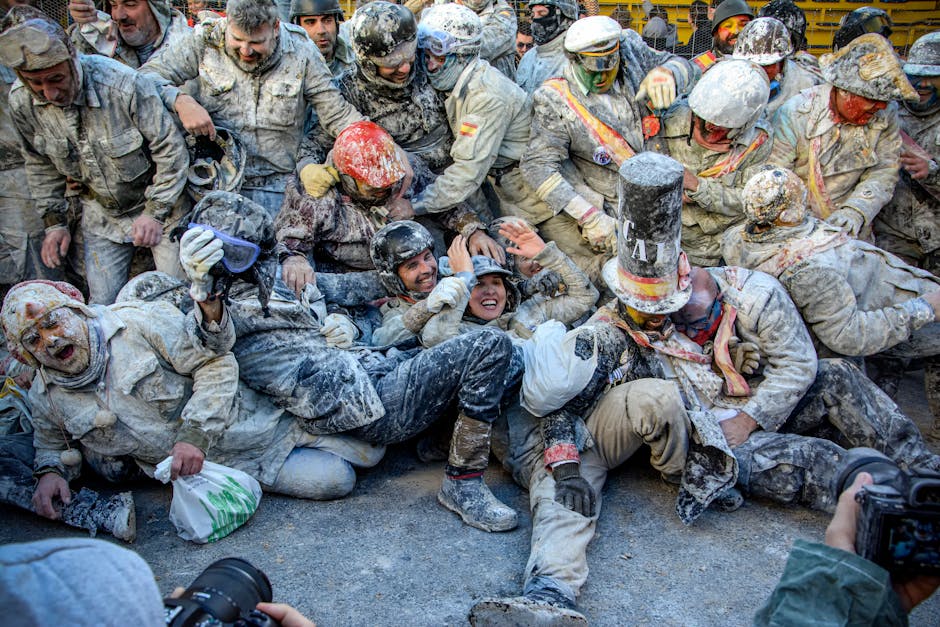
3. Saluzzo and historical reenactments: citadels, markets and banquets
Saluzzo, the former capital of the Marquisate of Saluzzo, is a beautifully preserved medieval town in the province of Cuneo. Its rievocazioni (historical reenactments) showcase squares, palaces and fortifications, reviving courtly life. The compact center is perfect for wandering between staged scenes.
Meeting points: Piazza Maggiore (Piazza Cavour), 12037 Saluzzo CN, Italy and the Castello della Manta – Via San Giovanni, 39, 12016 Manta CN, Italy for some medieval-themed events. Saluzzo’s tourist office is located at the Palazzo Comunale, Piazza Risorgimento, 1, 12037 Saluzzo CN, Italy.
Prices and opening times: many street activities are free. Guided visits to the Castello della Manta typically cost around €6–€10 (reduced €4–€6); usual opening hours 10:00–18:00 (April–October), varying off-season. Historical banquets organized by local associations can range from €30 to €70 depending on menu and entertainment level.
Immersive description: strolling through Saluzzo during a rievocazione brings you face to face with artisan stalls explaining candle-making, leatherwork and natural dyeing techniques. Musicians play ancient tunes on string and wind instruments. Costumed performers recreate scenes of seigneurial justice or light knightly games. Cafés and osterie in the center serve dishes inspired by the era, such as wild boar stew or flavored breads — sometimes presented on tables set in period style.
Local tips: combine a reenactment visit with exploring the surrounding scenery: the Saluzzese hills offer great hiking routes. For historic-feel lodging, book the Hotel Castiglia – Via Vigone, 7, 12037 Saluzzo CN, Italy (indicative prices €70–€120 depending on season). Reserve historical banquets early — seats are limited and evenings are popular with local families.
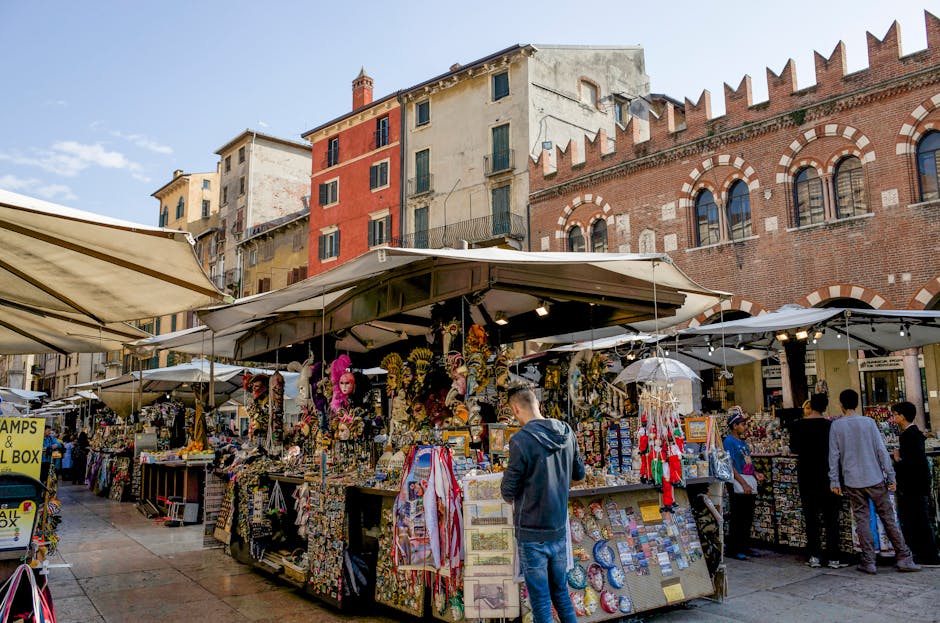
4. Castles and medieval gatherings: Castello di Masino, Castello di Agliè and private festivities
Piedmont’s castles are prime settings for medieval celebrations. The Castello di Masino (managed by the FAI foundation for Italy) and the Castello di Agliè (one of Piedmont’s royal residences) regularly host themed tours, themed evenings and historical markets in their parks. These events blend architectural heritage with cultural animation, offering refined and highly photogenic experiences.
Castello di Masino — Address: Castello di Masino, Strada Castello, 10010 Caravino TO, Italy. Typical hours: 09:00–19:00 (April–September), FAI/museum entry fees around €10 adult, €6 reduced (FAI members often discounted). Medieval events (markets, banquets) have specific prices: park entry is often free for markets; banquets and paid shows typically range between €25 and €70 depending on the programme.
Castello di Agliè — Address: Castello Ducale di Agliè, Piazza Castello, 1, 10011 Agliè TO, Italy. Typical hours: 10:00–17:00 (seasonal variations), museum entry fees €8–€12 depending on exhibitions. Historical events, especially in summer, feature early music concerts, archery workshops and costumed banquets.
Immersive description: walking under the arcades of a Piedmontese castle, feeling sun-warmed stone, hearing flutes and minstrels’ tales — that’s the spirit of these celebrations. In the gardens, tents host artisans (calligraphers, illuminators) and controlled combat demonstrations are sometimes staged behind barriers for safety. Banquets can take place in state rooms or under marquees in the park, with menus inspired by period recipes (game dishes, gingerbread, local wines like Asti Spumante or Nebbiolo available for tasting).
Practical tips: check castle calendars on official sites (Fondazione FAI for Masino, Soprintendenza for Castello di Agliè) since special events often require online booking. For more private experiences (banquets or workshops), contact visitor services at least 6–8 weeks in advance. Prefer driving to reach some rural castles and allow time to explore parks and gardens after the shows.
General tips for enjoying medieval festivals in Piedmont
- Tickets and reservations: book online as soon as events are announced; many activities limit participants for banquets and grandstand seating.
- Transport: some small towns are easier to reach by car or regional TER trains (Trenitalia). Check local timetables and expect shuttle services on busy days.
- Gear: comfortable shoes (cobblestone streets), weather-appropriate clothing (evenings can be cool), camera protection (extra lenses and batteries). Bring something you won’t mind if it gets dirty should you take part in outdoor activities.
- Budget: plan for €15–€80 per event depending on whether you choose grandstand seating, a banquet, a guided tour or free admission.
- Respect and safety: follow organizers’ instructions (restricted zones, schedules, behavior around reenactments); some activities involve craftsmen using tools (fire, forges) so exercise caution.
Conclusion: planning your trip and extending the experience
Piedmont’s medieval festivals offer a rich and varied immersion into living history. Whether you choose the fierce competition of the Palio di Asti, the popular theatricality of Ivrea’s carnival, the heritage charm of Saluzzo’s reenactments or the elegance of castle events like Castello di Masino and Castello di Agliè, each experience blends staging, camaraderie and popular traditions. Planning your trip means checking official dates, booking early (especially for banquets and grandstands) and choosing accommodations nearby if you want to enjoy the evenings without hassle.
Be curious: talk with volunteers, artisans and guides — they often hold the best local anecdotes and recommendations to extend your stay (local mills to visit, wine cellars, hiking routes in the Monferrato hills or vineyards of the Roero). For photography, scout action points in advance: gate entries, bridges or elevated viewpoints offer clearer, less crowded perspectives. Don’t forget to taste regional specialties (agnolotti, vitello tonnato, Piedmontese cheeses) and buy handcrafted souvenirs (worked leather, ceramics, hand-dyed textiles).
Finally, remember these festivities aren’t museum displays: they live through the engagement of local communities. By participating respectfully you help preserve and energize them. Always consult the official sites of the towns and monuments mentioned (municipalities of Asti, Ivrea, Saluzzo; Fondazione FAI; local Soprintendenze) for updated programmes, final prices and access conditions. Safe travels through time — and enjoy your immersion in Piedmont’s medieval festivals!