




Introduction: Piedmont Sweets and Bustling Market Scenes
Piedmont, in northwest Italy, is a region where pastry and confectionery craft are steeped in history and culinary tradition. From Turin (Torino) to the wine villages of the Langhe, from weekly street markets to permanent indoor halls, Piedmont’s sweet offerings span delicate specialties: buttery cookies, candied chestnuts, gianduiotti, baci di dama, torcetti, fruit jellies and nougat. This guide will point you to the best market spots to taste, buy and learn about these sugary treasures, with addresses, typical opening hours, price ranges and local tips to make the most of Piedmont’s sweet traditions.
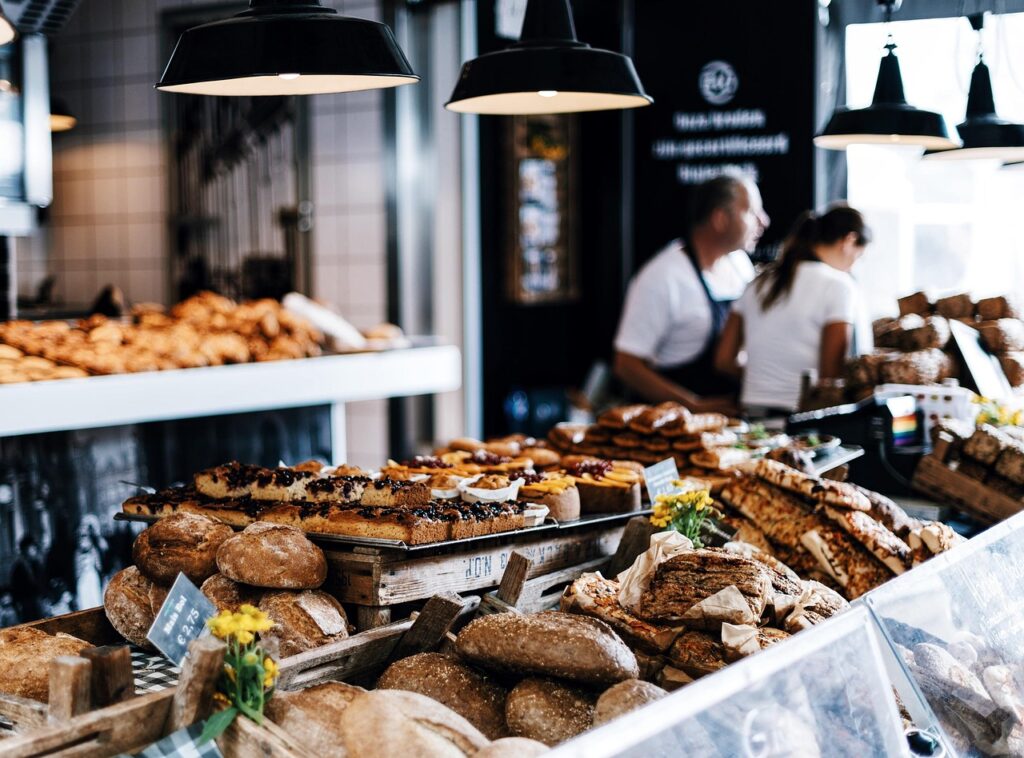
Piedmont’s markets are more than shopping spots — they’re stages where you’ll meet local producers, passionate artisans and families preserving recipes passed down through generations. On the stalls you’ll spot gold leaf on pralines, the glossy shine of marrons glacés, the irresistible softness of gianduja (hazelnut-chocolate paste) and the delicate crumb of butter biscuits. Many of these specialties have rural roots — Langhe hazelnuts, chestnuts from alpine valleys, mountain honey — giving these sweets a strong sense of place.
This guide focuses on markets and halls where pastry chefs and confectioners display their creations: neighborhood markets in Turin, farmers’ markets in Alba and Asti, seasonal markets across the Langhe. For each spot you’ll find: the full name, exact address, usual opening hours, indicative prices in euros and an immersive description to help you decide what to taste and how to buy — modest portions for a midday snack or generous boxes for a gourmet gift. Local tips will help you skip queues, tell handcrafted items from industrial products, and politely haggle when buying larger quantities.
To help you plan your visits and photos, I’ve placed image markers 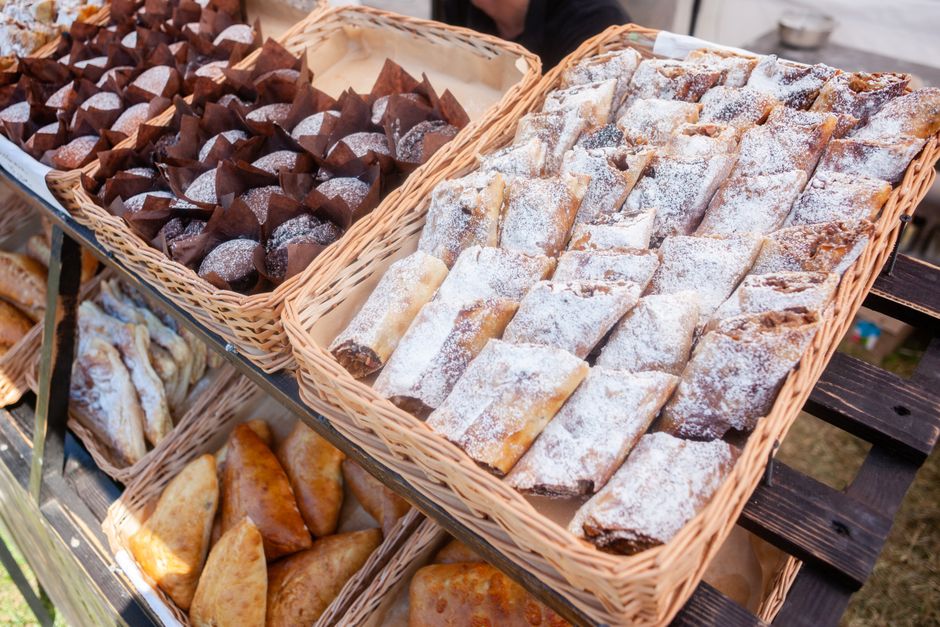 at the most evocative points in the text: colorful stalls, glossy pastries, market lanes bathed in golden morning light. These visual cues will let you picture each place before you arrive.
Whether you’re a fine-sweets fan, an inquisitive traveler or a souvenir hunter looking for edible gifts, this guide will walk you through it. Price ranges reflect averages at the time of writing and can vary with season and producer. Talk to the artisans — a short exchange often reveals the story of a recipe, where a hazelnut was grown, or the best way to store a Piedmont specialty.
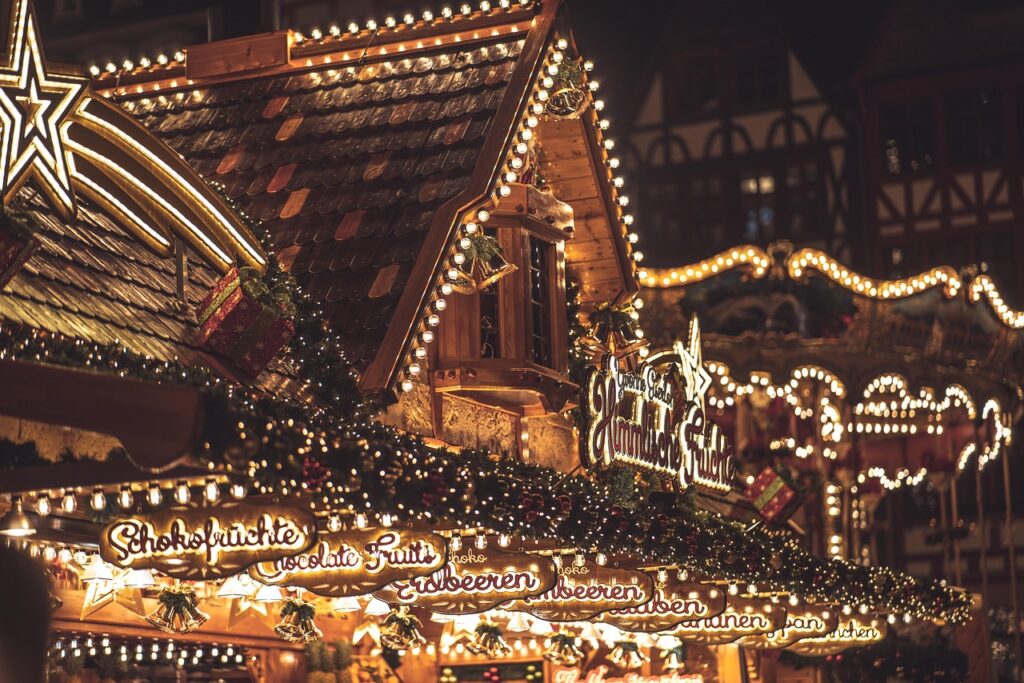
1) Turin: Historic Markets and Sweet Hunters (Porta Palazzo, Borgo Dora, Mercato di San Salvario)
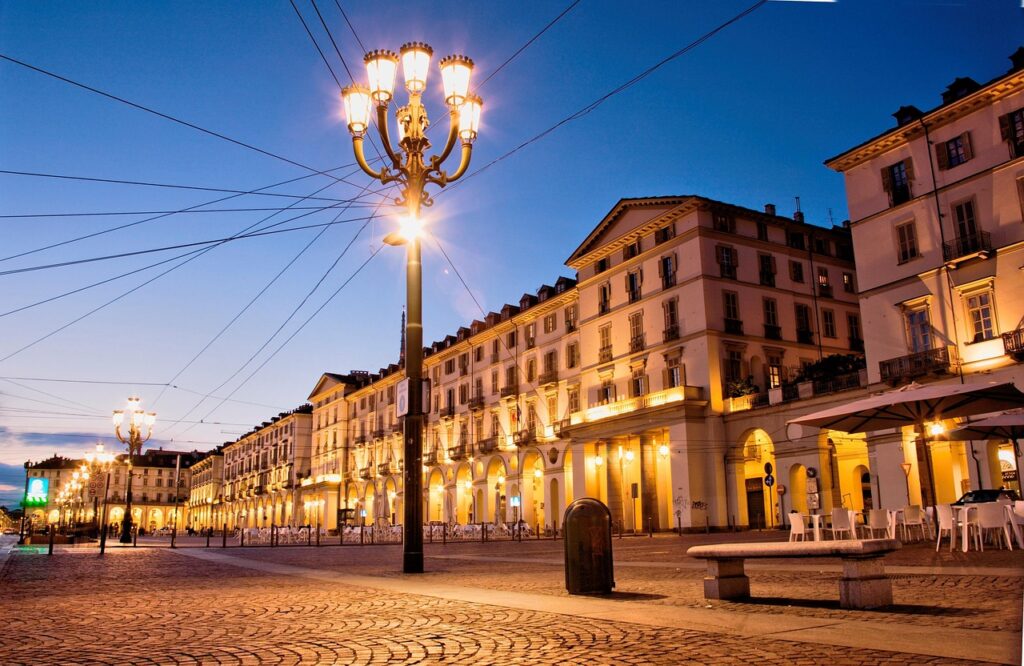
Turin is the perfect entry point for exploring Piedmont’s sweets. Among its markets, Mercato di Porta Palazzo is Europe’s largest open-air market and a must-visit for picking up confectionery and pastries. Address: Piazza della Repubblica, 10152 Torino TO, Italy. Hours: open Monday to Saturday, 06:00–14:00 (main stalls closed on Sunday; some nearby shops remain open). Along the north aisles you’ll find stalls selling artisan gianduiotti, baci di dama (price guide: €3.50–€6.00 for a 150 g box) and buttery vanilla cookies (€0.80–€1.50 each).
Further north, Mercato di Borgo Dora, along Via Cottolengo near Via Borgo Dora (10152 Torino TO), is known for its antique bookstalls and craft stands — and you’ll also find pastry chefs offering seasonal cannoli and filled crepes. Hours: special weekend markets on Saturday and Sunday mornings; stall presence varies by season. Prices: cannoli €2.50–€4.00, sweet crepes €3.00–€5.50.
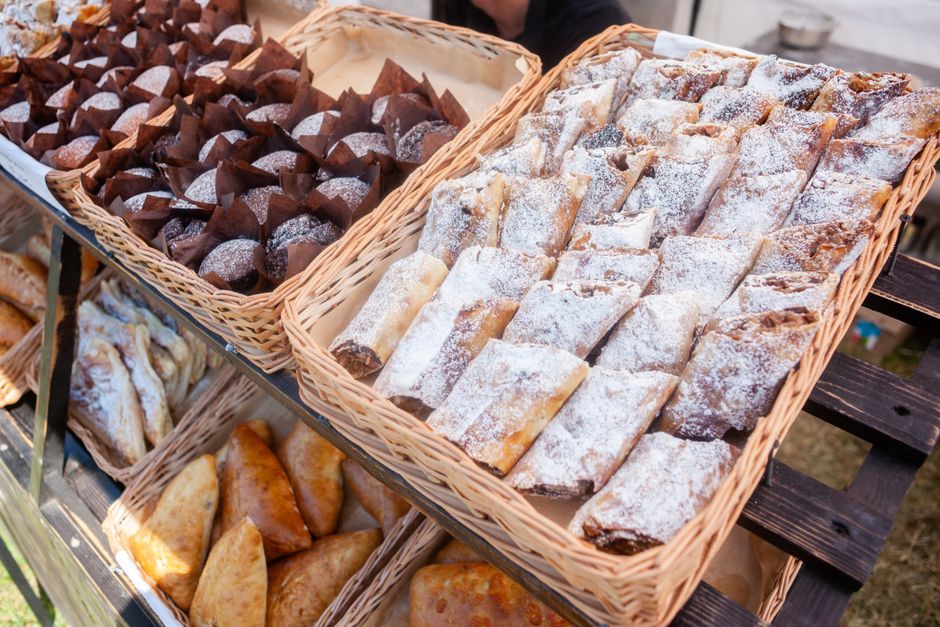
The Mercato di San Salvario (Via Madama Cristina 8, 10125 Torino TO) is a lively neighborhood market, perfect for sampling torcetti (small twisted cookies) and honey-based pastries from local beekeepers (price: €2.00–€4.00 a portion). Hours: Tuesday and Saturday mornings, 07:00–13:00. Local tip: arrive before 10:00 for freshly baked goods and to avoid the late-morning queues at neighborhood counters.
Practical tips for Turin: favor small portions so you can taste more specialties, always ask where the hazelnuts come from (tonda gentile delle Langhe are a mark of quality) and if you’re buying multiple boxes, try for a small discount — 5–10% is often achievable when buying a reasonable quantity.
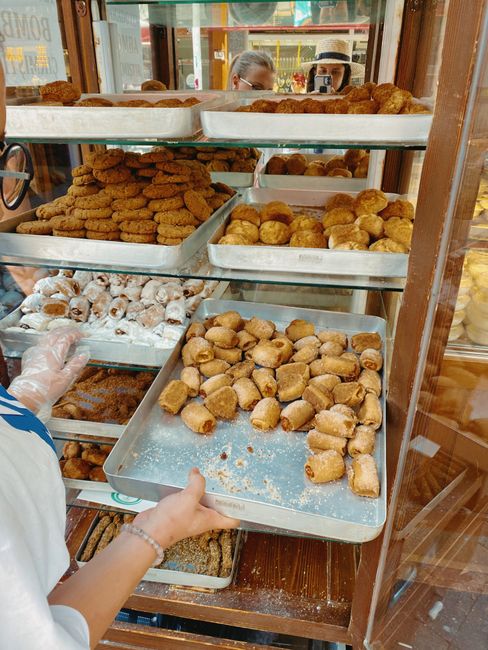
2) Langhe and Roero: Farmers’ Markets, Hazelnuts and Gianduiotti (Alba, La Morra, Neive)
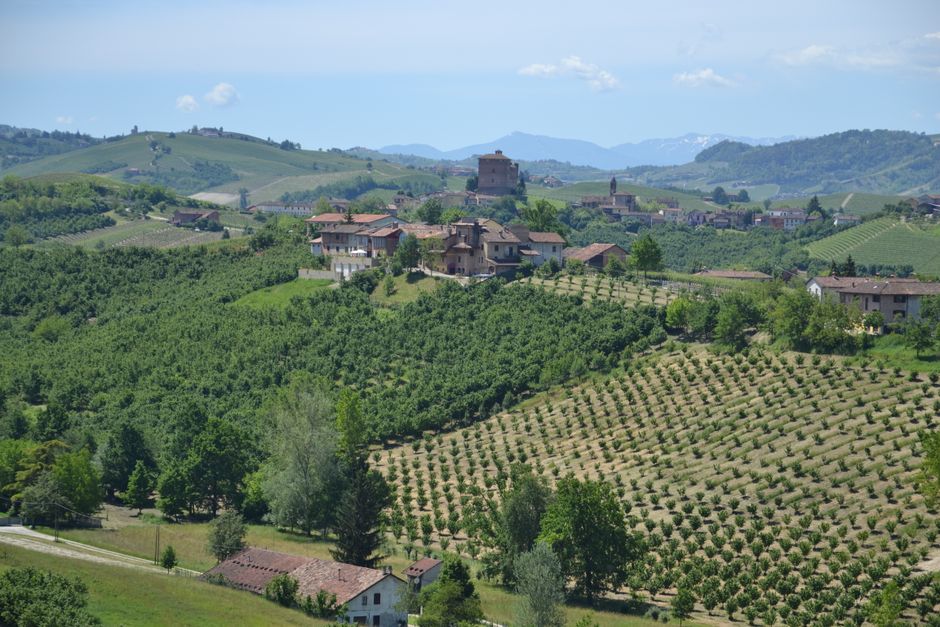
The Langhe are famous for their tonda gentile delle Langhe hazelnuts, the key ingredient in gianduja (gianduiotti) and many confections. Alba’s market, Mercato di Alba, takes place mainly on Piazza Risorgimento, 12051 Alba CN, Italy and surrounding streets. Hours: weekly market on Saturday mornings, 08:00–13:00; seasonal markets during the Fiera del Tartufo. Look for artisan confection stalls selling individually wrapped gianduiotti (price: €0.60–€1.20 each; 250 g boxes €8–€18 depending on the producer), baci di dama (€7–€12 for a 200 g box) and wine-infused fruit jellies (€4–€9 per box).
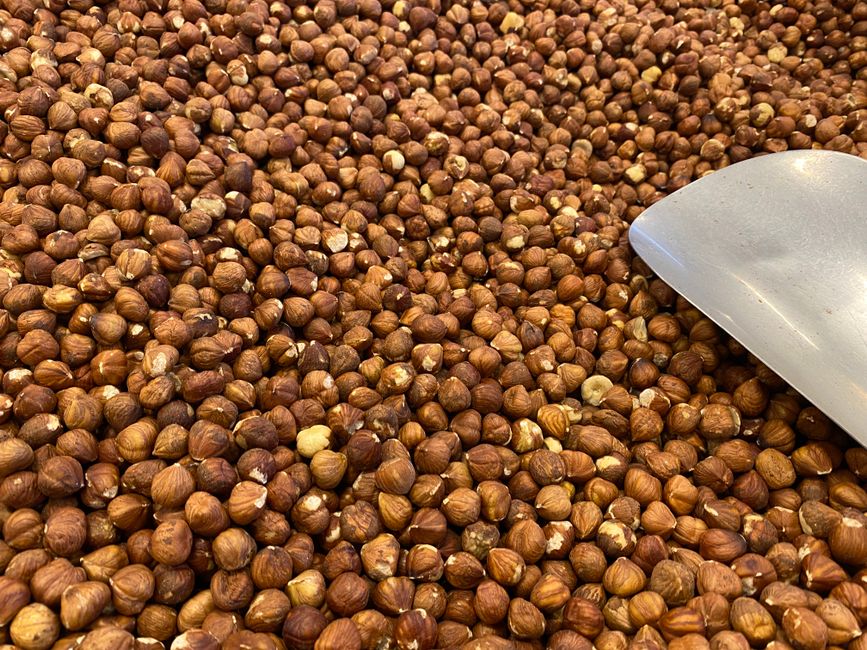
La Morra (Piazza G. Marconi, 12064 La Morra CN) hosts a terroir market on Thursday mornings where local chocolatiers present hand-shaped assortments. Prices are often competitive with excellent quality: praline assortments €12–€25 depending on selection. In Neive (Piazza Italia 2, 12052 Neive CN), markets and artisan confection shops highlight candied chestnuts and marrons glacés (price: €6–€15 for a small 200 g jar depending on preparation technique).
Tips: if you visit during hazelnut harvest (September–October), look into local roasting workshops sometimes offered on Saturdays at the market — free demonstrations or paid sessions (€10–€25). Producers often accept cards, but for small market purchases bring coins (€1, €2 and €5). Store your gianduiotti cool but not refrigerated to preserve texture and aroma.
3) Asti, Nizza Monferrato and Village Markets: Chestnuts, Nougat and Seasonal Treats
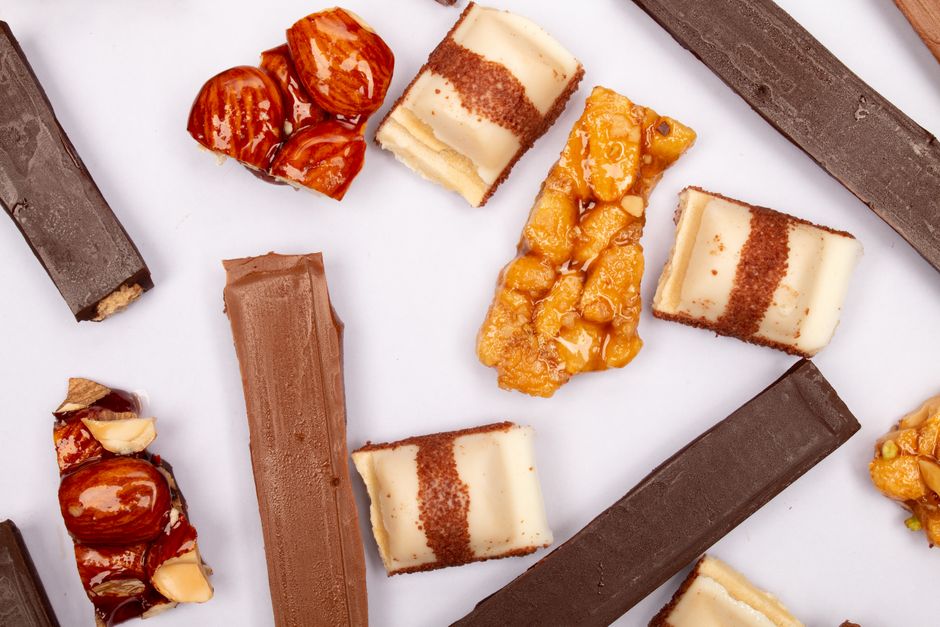
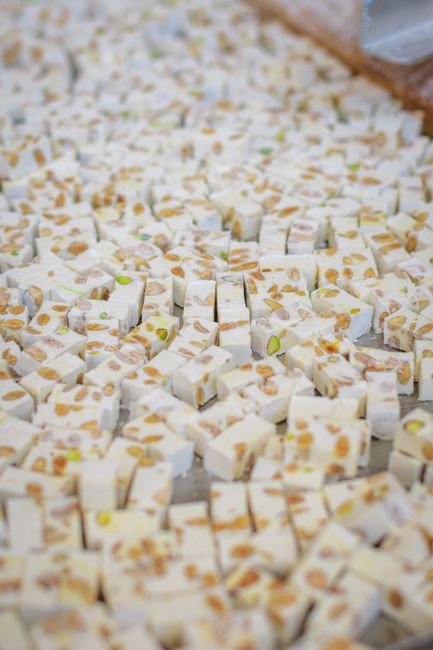
Asti and its surroundings offer a different sweet palette, often featuring wine (Moscato d’Asti) in preparations and rustic confections like nougat and marrons glacés. The Mercato Coperto di Asti, located at Corso Alfieri 1, 14100 Asti AT, Italy, is a good starting point. Hours: open Tuesday to Saturday 07:30–13:00; some stalls extend hours in season. You’ll find artisan nougat (torrone) priced €4–€12 per bar depending on almond and honey quality, and wine jams to pair with biscuits (€4–€7 per 250 g jar).
Nizza Monferrato (Piazza Garibaldi, 14049 Nizza Monferrato AT) regularly hosts Sunday morning markets where beekeepers and confectioners sell honey specialties and sugar-coated chestnuts. Indicative price for marrons glacés: €8–€20 per box depending on preparation. Small village markets nearby often feature seasonal specialties — chestnut-based sweets in autumn (November–December) and lemon or citrus treats in summer.
Local tips: try local biscuits with a glass of Moscato d’Asti — some stallholders offer small free tastings. If you buy nougat, know that properly packaged bars keep for several weeks at room temperature. Ask whether products contain additives: the best torrone is simply almonds, honey, egg white and sometimes orange zest.
4) Seasonal Markets and Food Fairs: When and Where to Plan Your Visit
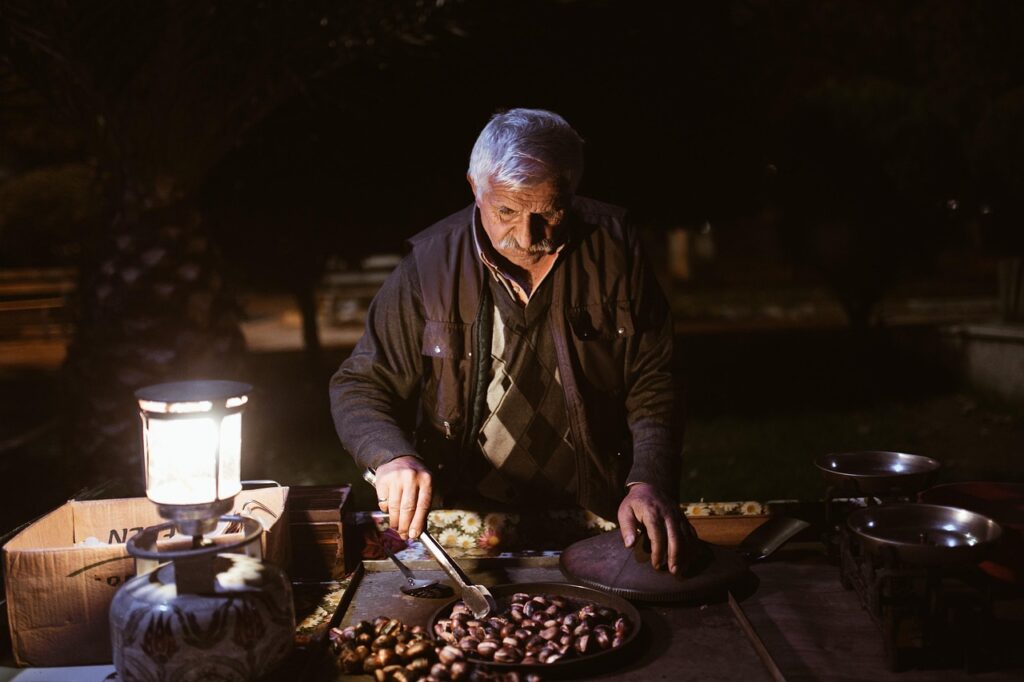
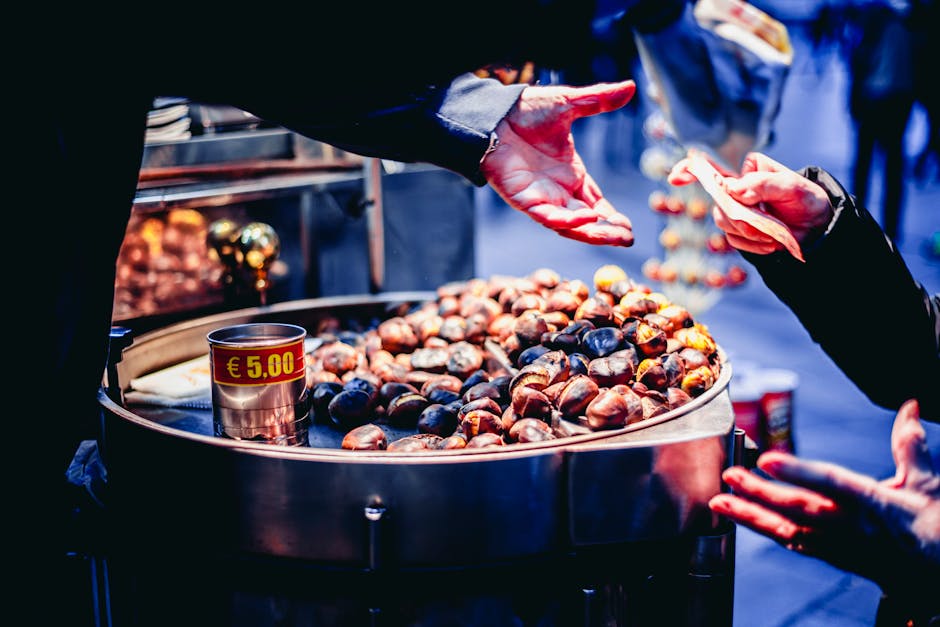
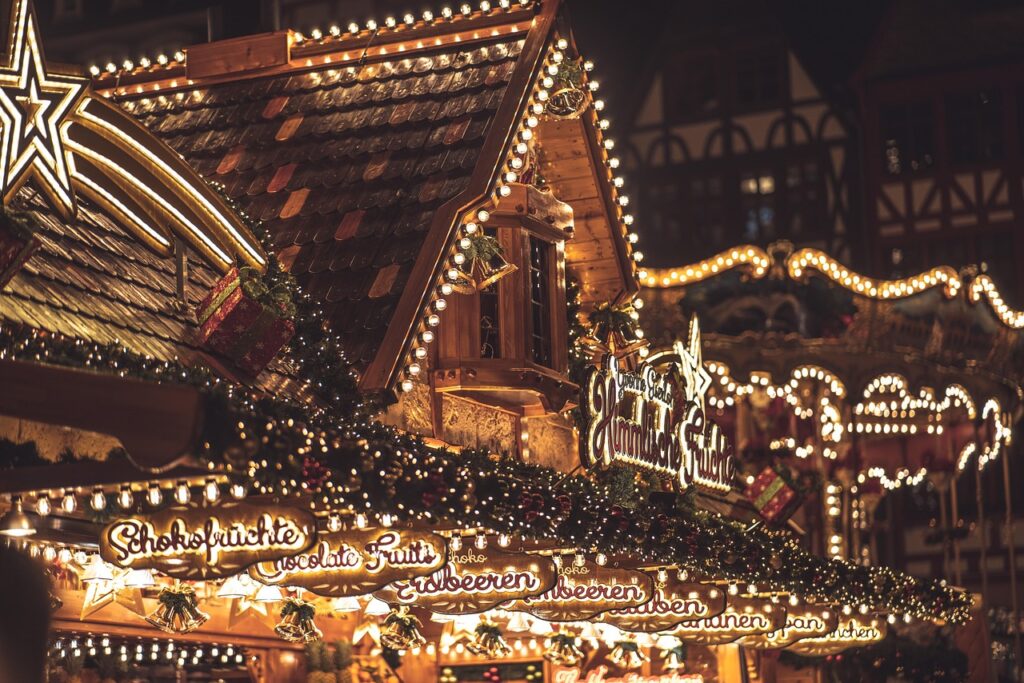
Piedmont celebrates its sweets through seasonal fairs and themed markets: the Fiera del Tartufo Bianco d’Alba (Alba White Truffle Fair) often includes confectionery stalls, and the Festa della Nocciola (Hazelnut Festival) in the Langhe spotlights hazelnuts and their sweet derivatives. Key events to note: Alba’s Truffle Fair (historic center, dates vary in October–November), Festa della Nocciola (La Morra or Barolo, dates vary in October). Christmas markets in alpine towns (Sestriere, Bardonecchia) offer roasted chestnuts, sugar-dusted fritters and marrons glacés, typically from mid-December to early January.
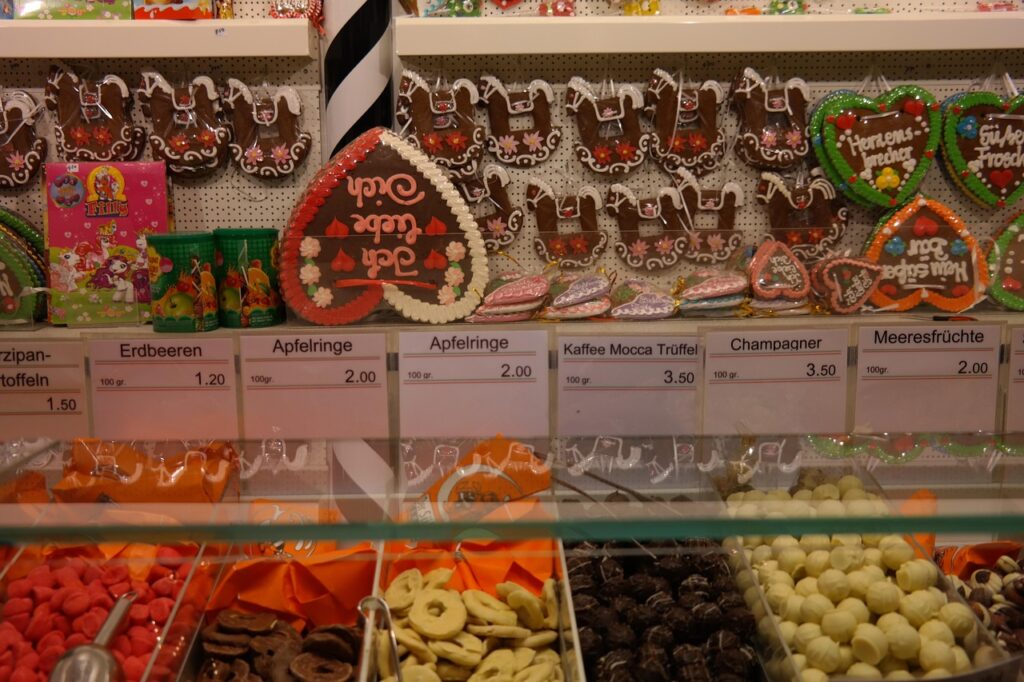
Fairs bring special offerings: gianduiotti flavored with Limoncello, chocolate filled with Moscato d’Asti, and marrons glacés steeped in Barolo liqueur. Prices at fairs can be a bit higher than weekly markets (e.g., a box of gianduiotti €12–€30 depending on packaging and brand), but the experience usually includes artisan demonstrations and gift wrapping. Fair hours: typically 10:00–19:00 on event weekends, and some fairs run across several weeks.
Practical tips: shop early to beat the crowds and join workshops if you want to learn how to recreate recipes at home. Check official event sites for exact dates and any ticketing (some festivals are free to enter but charge for workshops or special tastings). If driving, use peripheral parking and the free shuttles that often run to fairs in high season.
Conclusion: Take a Piece of Piedmont Home
Exploring Piedmont’s markets for pastries and confections is a sensory immersion into a terroir where ingredient quality meets culinary memory. Whether you pick up hand-wrapped gianduiotti at a Porta Palazzo stall, taste marrons glacés in Neive or bring home a box of torrone from Asti, every purchase connects you with a producer, a season and a story. The addresses and hours in this guide help you plan sweet stops: Piazza della Repubblica in Torino for the buzz, Piazza Risorgimento in Alba for hazelnut finesse, Corso Alfieri in Asti for nougat tradition, and the small squares in La Morra or Nizza Monferrato for village conviviality.
Prioritize quality over quantity: sampling several small items will give you a richer flavor overview. Preservation and packaging vary — always ask vendors how best to store items (ideal temperature, shelf life, travel tips). If you intend to bring sweets home, pack them carefully to avoid crushing and check customs rules if you’re traveling outside the EU. Finally, let stallholders guide you — many artisans are proud of their craft and happy to share a story, a recipe or tasting advice. Leave with edible souvenirs, plus precise addresses and contacts for local artisans so the taste of Piedmont can linger in your kitchen long after the trip.