





INTRODUCTION
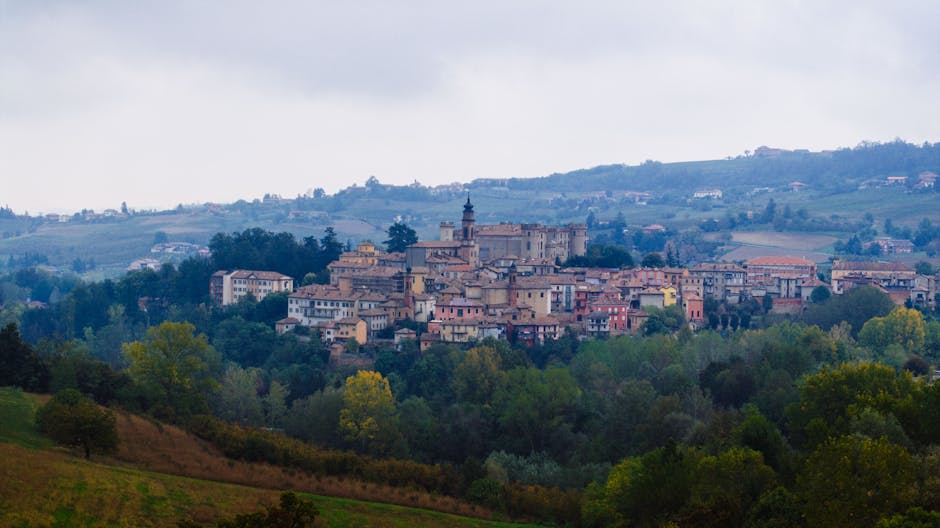
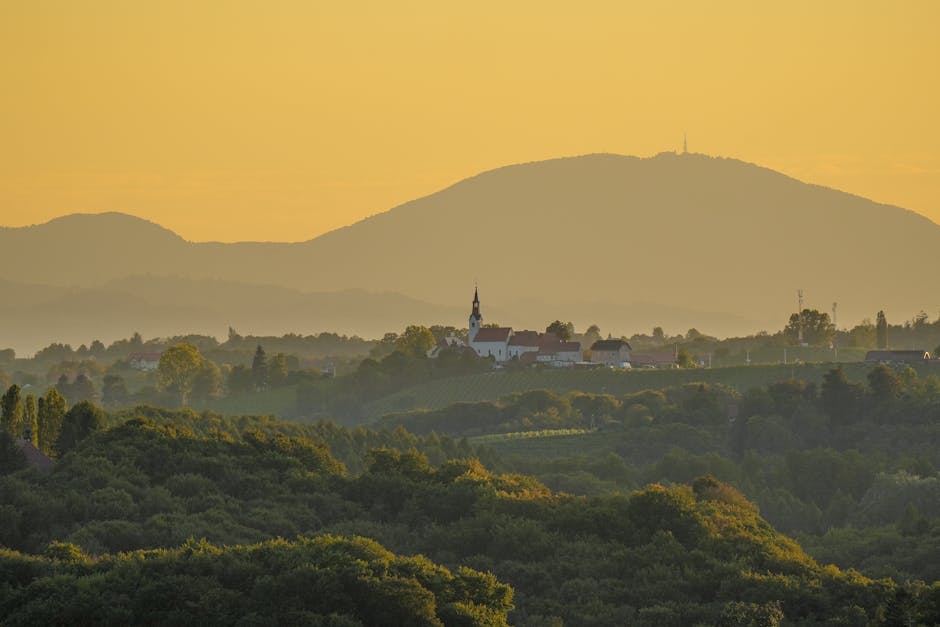
Piedmont, the Italian region bordering the Alps and woven with a patchwork of rolling hills, vineyards and stone villages, serves up some of Europe’s most spectacular sunrises. When dawn touches the colline del Piemonte — mainly the Langhe, Roero and Monferrato — light turns vineyards into sheets of liquid gold, morning mists spill out of the valleys and medieval towers cut striking silhouettes against the sky. For photographers, walkers or travelers seeking calm, a sunrise route across the Piedmont hills is a sensory, visual experience that deserves careful planning: know the exact sunrise time, scout viewpoints, learn road access and local rules, and bring warm layers for the chilly morning air.
This guide lays out a detailed itinerary for capturing dawn over the Piedmont hills, with exact place names, addresses, opening times and indicative prices. You’ll find can’t-miss viewpoints — Belvedere di La Morra, Castello di Barolo, the Sacra di San Michele on the Alpine fringe, and villages like Neive and Monforte d’Alba — plus practical photography tips (recommended lenses, ISO and exposure ranges), logistics (where to park, how to avoid crowds) and safety advice (country roads, weather). The aim is twofold: to help you photograph the dawn in optimal conditions and to invite you to fully soak up the hush that comes before the vineyards wake up.
Beyond a single image, dawn reveals detail: rows of vines laid out like musical scores, the wooden beams of farmhouses glazed with the last frost, chimney smoke stretching into the first light. Locals — often winemakers or restaurateurs — begin their morning routines: some open early for an Italian breakfast, others return from the market. This itinerary respects the local rhythm: it favors spots accessible before tourist sites open, offers alternatives for changeable weather, and lists businesses — cafés, bakeries, hotels — that are likely to be open for a coffee or cornetto after your shoot. Capturing the sunrise on the Piedmont hills becomes not only a pursuit of light but a cultural immersion.
Belvedere di La Morra and the Langhe Panorama
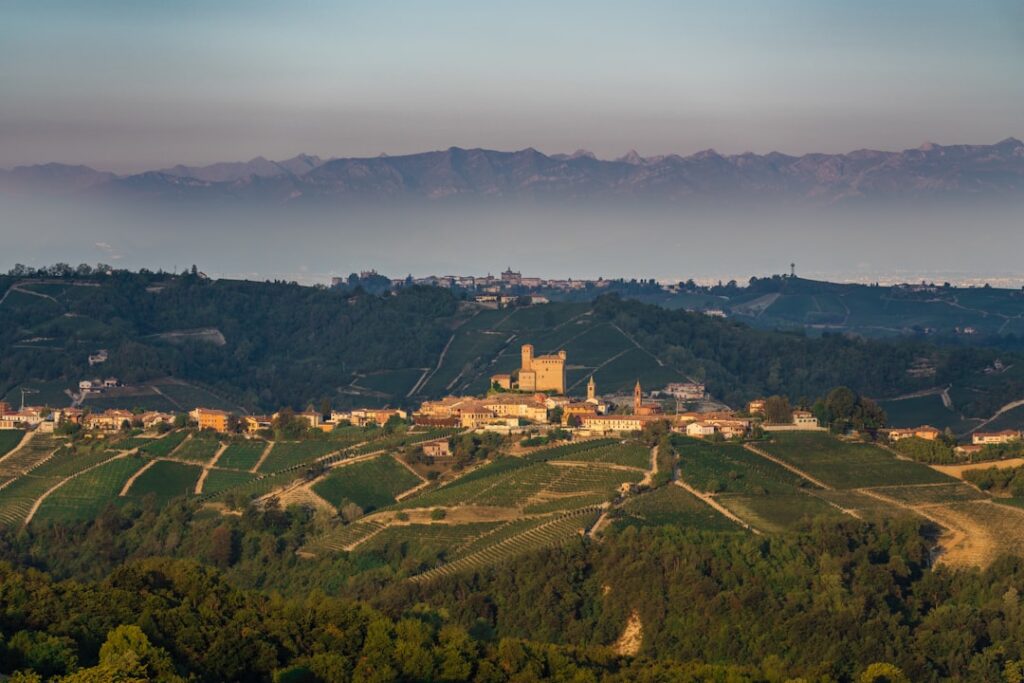
The Belvedere di La Morra is often the first choice for sunrise photographers: perched above the village of La Morra, it offers sweeping views over the undulating Langhe and the rows of Barolo vineyards. Recommended address to reach the viewpoint: Piazza Umberto I, 12064 La Morra (CN). Parking: Parcheggio Via Roma, 12064 La Morra (free for the early hours; typically possible to park from around 5:00 a.m.). Hours: access to the belvedere is open 24/7; no ticket required. Practical tip: arrive at least 30–45 minutes before the scheduled sunrise to set up your gear and compose the scene.
Photography: to capture the depth of the hills, use a 16–35mm wide-angle for panoramas and a 70–200mm to isolate vine rows or a lone farmhouse. Suggested settings: aperture f/8–f/11, ISO 100–400 depending on light, and bracket exposures to cover sky/ground dynamic range. Best seasons are autumn (warm vineyard colors) and spring (fresh greens), while winter delivers low mists and very soft light.
Nearby: Osteria dei Sognatori (Via Umberto I, 12, 12064 La Morra CN) opens around 08:00 for breakfast — expect a coffee and cornetto to cost roughly €3–5. If you want to extend the morning, the Cantina Comunale di La Morra (Via Roma, 4) offers tastings from 10:00, indicative price €15–25 per person. Logistics note: bring a headlamp for the walk back if you’re moving before dawn, and wear a windproof layer as the morning breeze can be chilly.
Castello di Barolo, Vineyards and Piazza Falletti
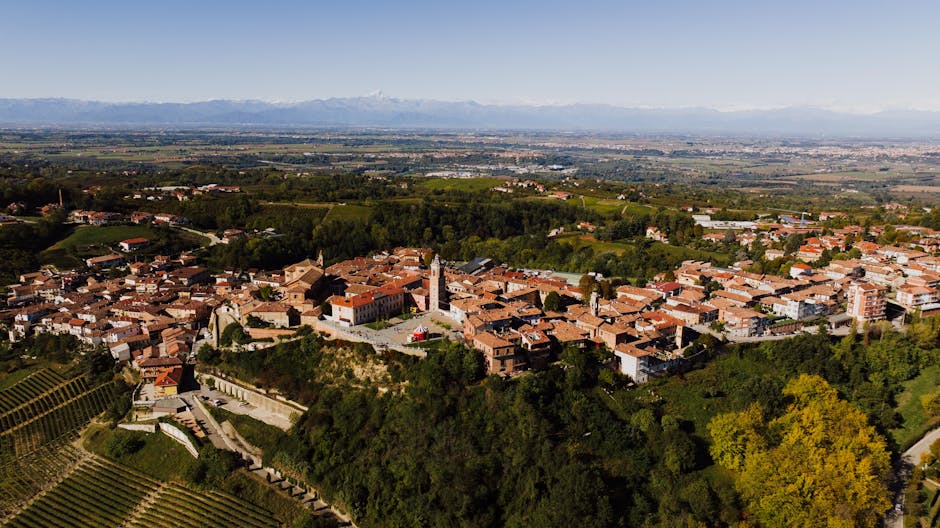
Castello di Barolo, located in the heart of the village of Barolo, is great for combining heritage and sunrise photography: precise address Castello di Barolo, Piazza Falletti 1, 12060 Barolo (CN). Hours and fees: the castle usually opens from 10:00 to 18:00 (seasonal variations), museum entry about €12 for adults; reduced €8 for students and seniors — check official times before visiting. For dawn, even if the interior remains closed, the castle’s surroundings and Piazza Falletti present striking perspectives as morning light sweeps across the hills.
Morning route: park at Parcheggio Comunale (Via San Donato, 12060 Barolo CN) and walk to Piazza Falletti to frame the castle silhouette against the sunrise. Photo ideas: backlit castle silhouette with an orange sky, or architectural details (turrets, stonework) caught in side light after sunrise. For more intimate shots, wander the country lanes toward Castiglione Falletto (SP3) to find stone walls and cypresses isolated in the mist.
Food and services: Café Bar Roma (Piazza Alfieri, 2, 12060 Barolo CN) opens around 07:30, coffee about €1–1.50. Local tip: respect private property — many vineyards are fenced and private — and stick to public paths. If you want to follow your shoot with a tasting, the Wine Bank (Piazza Falletti 2) offers tastings by reservation from 10:00, prices €20–40 depending on the wines.
Neive, Monforte d’Alba and Secondary Routes
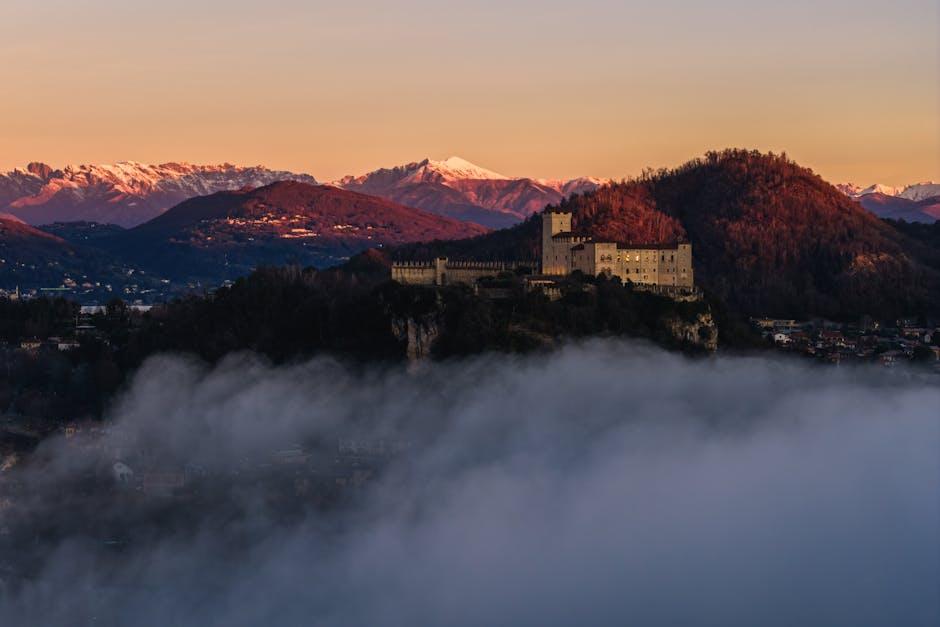
For a quieter, more rural approach, head to Neive and Monforte d’Alba. Neive, often called one of Italy’s prettiest villages, has a very photogenic central square: Piazza Italia, 12052 Neive (CN). The historic center is walkable and some bakeries open early — some as soon as 07:00. Monforte d’Alba, on a neighboring hill, offers a cozier panorama with stone alleys and stairways: Piazza Cavour, 12065 Monforte d’Alba (CN). Parking: public parking at Piazzale XXV Aprile in Neive and Parcheggio Via Cavour in Monforte.
Immersive photography: look for compositions that include tiled roofs, chimneys and the first light hitting ochre facades. A 35mm or 50mm prime is great for capturing the alley atmosphere, while a 24–70mm zoom is versatile for panoramas and details. For moody, misty shots, adjust exposure and use slow shutter speeds with a tripod for a soft, dreamy result.
Practical tips: if you’re driving, favor a compact car — alleys can be narrow. Respect early-morning quiet hours in residential areas. For a local breakfast after your session, try Pasticceria G & G (Via Vittorio Emanuele, 9, 12052 Neive CN), cornetto around €1.50–2.50. If you want to combine dawn and a hike, the Anello dei Castagni trail near Monforte offers vineyard views and natural viewpoints.
The Sacra di San Michele and Alpine Heights on Piedmont’s Edge
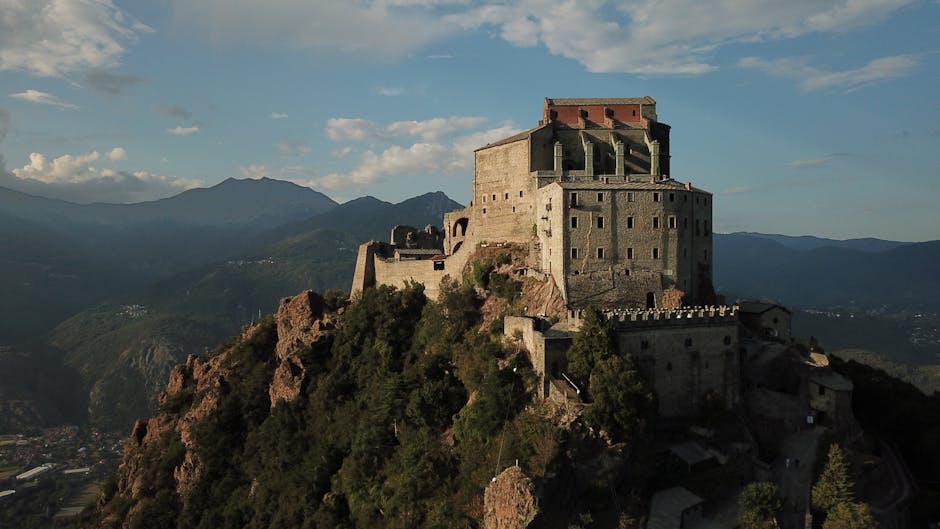
To finish the itinerary on a monumental note, the Sacra di San Michele (Abbazia della Sacra di San Michele) overlooks the Susa Valley and is a dramatic sunrise viewpoint when the mountains catch color. Address: Sacra di San Michele, Via alla Sacra, 1, 10050 Sant’Ambrogio di Torino (TO). Hours: the abbey is generally open 9:00–19:00 in summer, shorter hours in winter; exterior access to the plateau is free and accessible before opening, but check local conditions. Fees: access to certain areas and museum displays may be ticketed (guided visits roughly €8–12).
Although the Sacra is farther from the Langhe, including it in an early-morning road trip lets you capture the contrast between mountains and hills. Parking: parcheggio della Sacra (details on site); allow 10–15 minutes’ walk if you park below. Photography: the abbey’s gothic silhouette against low clouds is spectacular at sunrise. Bring a 70–200mm tele for isolating arches and buttresses, and a wide-angle to include the alpine panorama.
Safety and logistics: roads to the Sacra can be winding and sometimes slippery in winter; check weather and road conditions (snow/ice). Always carry water, a small first-aid kit and a warm layer. After your shoot, enjoy a late lunch in Sant’Ambrogio di Torino, for example at Trattoria Al Vecchio Mulino (Via Roma, 12, 10080 Sant’Ambrogio di Torino TO), where a plate of homemade tajarin costs about €10–14.
CONCLUSION
Capturing the dawn on the Piedmont hills requires preparation, respect for the place and sensitivity to light. Piedmont blends vineyard panoramas (La Morra, Barolo), historic villages (Neive, Monforte d’Alba) and striking silhouettes (Castello di Barolo, Sacra di San Michele): each viewpoint tells a different story at daybreak. To get the most from your experience, plan by season — autumn for warm colors, spring for verdant greens, winter for mist — and check site opening times if you plan to visit museums or monuments after your shoot. Exact addresses, like Piazza Umberto I in La Morra, Piazza Falletti 1 in Barolo, Piazza Italia in Neive, and Via alla Sacra 1 in Sant’Ambrogio di Torino, will help you organize logistics and find the nearest parking.
Don’t forget a few common-sense rules: respect private property and the crops (don’t walk through vineyards), park only in authorized spots, and keep noise to a minimum in villages at dawn so you don’t disturb residents. Gear-wise, a sturdy tripod, wide-angle and telephoto lenses, graduated ND filters and spare cold-weather batteries will be your best allies. After the light, plan a stop at a local pastry shop for a coffee and cornetto — it’s the Piedmont ritual for celebrating a great morning.
Finally, photography is just a doorway: take time to listen to the silence, breathe the morning air and chat with locals who will often share a tip or a story about the hills. Whether you’re an amateur photographer, an early-morning hiker or a curious traveler, the sunrise itinerary across the Piedmont hills is a deeply immersive experience where light reveals not only images but the soul of a wine-growing, mountainous land. Have a great sunrise and happy shooting!