






Introduction
Turin, the elegant capital of Piedmont, feels less like a frozen museum and more like a living landscape where markets play a central role in daily life. Between baroque façades, arcades and the Po River, the city’s squares and streets host colorful stalls, local producers, butchers, cheesemongers and street vendors weaving a culinary story as rich as the surrounding wine-covered hills. A market in Turin isn’t just a place to shop: it’s a social stage, a culinary trend lab and a conservatory of Piedmontese traditions — from Langhe hazelnuts to alpine cheeses, plus cured meats and street-food specialties that keep reinventing local cuisine.
In this guide we explore Turin’s markets with both practical tips and sensory detail. You’ll find full addresses, realistic opening times, price ranges to orient you, and local tips to make the most of each visit. We’ll highlight the must-sees: the vast Mercato di Porta Palazzo, known as one of Europe’s largest open-air markets; the Balon, Borgo Dora’s famous flea-and-antiques market; and smaller, specialized markets where tomorrow’s food trends are already taking shape.
This route lets you toggle between tradition and modernity: stroll among heirloom vegetables and aged cheeses, taste a reimagined bagna cauda served as tapas, discover natural wines, or sit in historic cafés where Turin’s traditional snack culture lives on. You’ll also get concrete planning tools (addresses, average prices, opening hours) and seasonal pointers — how to bargain for a kilo of summer tomatoes, where to buy handmade gianduiotti as winter approaches, or which stall to favor for wild mushrooms at the start of autumn.
Beyond addresses, the spirit of Turin’s markets lies in their human variety: long-standing traders, young organic producers, chefs sourcing ingredients to reinvent menus, and locals seeking authenticity. As you read on, prepare your senses: your eyes will meet rows of colorful vegetables and cured-meat displays, your hands will feel the rough shell of a Langhe hazelnut, and your palate will long remember a bite of tajarin with butter and truffle. Here is a well-documented, flavor-focused itinerary through Turin’s markets — between tradition and trend.
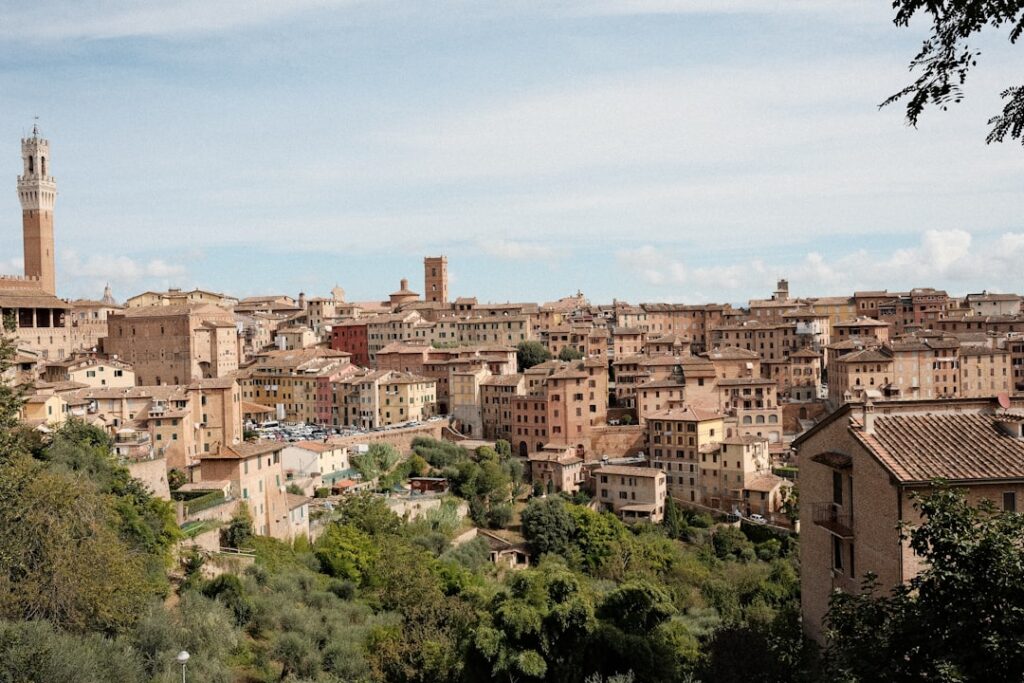
Mercato di Porta Palazzo: Turin’s food beating heart
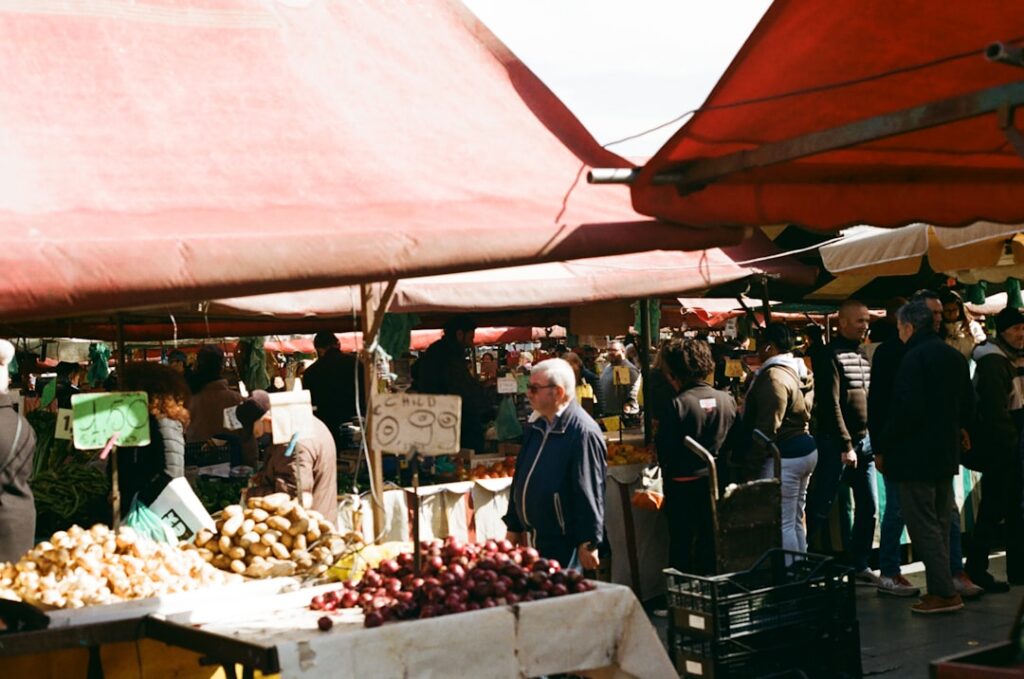
Mercato di Porta Palazzo is a Turin institution: located on Piazza della Repubblica, 10152 Torino, it’s one of the largest open-air markets in Europe. It occupies the wide esplanade facing the multicultural Porta Palazzo neighborhood and stretches along Via della Cittadella and Via Paolo Sarpi. The market runs mainly Monday through Saturday, early morning until early afternoon (generally 06:00–14:00), while some farmer stalls open Sunday morning. Hours vary by season and vendor — arriving early is best for selection and friendlier prices.
The range here is incredible: local and exotic fruits and vegetables, fish stalls and fresh seafood vendors, traditional butchers, cheesemongers and delicatessen counters. You’ll also find clothing, kitchenware and household goods — making it both a food market and a popular shopping spot. Prices are competitive: in summer a kilo of local tomatoes might cost €1.50–€3.00, a mixed artisan cheese platter can range from €8.00 to €15.00 depending on selection, and a savory tart (focaccia or local farinata) often sells for around €2.50–€4.00.
Don’t miss the Piedmontese cheese stalls (Toma Piemontese, Castelmagno), the cured-meat sellers (salame, coppa, salsiccia), and occasional river fish brought in by local anglers. Producers from the Langhe and Monferrato often offer their superior hazelnuts (Nocciola Piemonte IGP), a key ingredient of Turin’s pastry tradition. Wine lovers will find a few market wine shops offering Nebbiolo, Barbera and Barolo: expect €15.00–€40.00 for mid- to high-quality bottles.
Practical tips: arrive between 07:00 and 09:30 to enjoy a lively market without the heaviest crowds. Bring reusable bags and small change (many stalls accept cards, but some small producers prefer cash). If you want bulky items (whole wheels of cheese, large vegetable baskets), negotiate politely — vendors appreciate courtesy and sometimes offer a discount for bulk buys. Watch out for pickpockets: like any large urban market, keep valuables close.
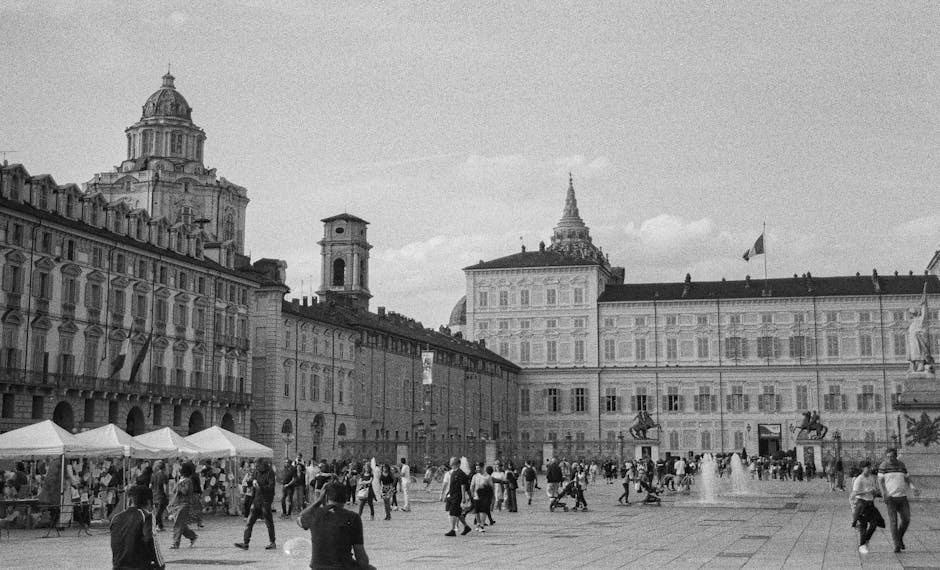
Balon — Mercato delle Pulci and antiques: history and finds
In the Borgo Dora quarter, the Balon is Turin’s most famous flea market. It takes place mainly on Saturday mornings around Piazza Borgo Dora (Borgo Dora, 10152 Torino) and draws collectors, antique dealers and the curious. The Balon has two faces: outside, a hodgepodge of second-hand items and bric-a-brac; inside certain halls, dealers who are there all week offer furniture, frames, old books and decorative art objects. Typical hours are 08:00–14:00 on Saturdays, though some shops and cafés nearby stay open later.
Prices vary wildly by item and condition: an old advertising poster might cost €10.00–€60.00, a small vintage lamp €30.00–€150.00, while distinctive pieces of furniture can reach several hundred euros. Serious hunters can find great bargains, but you need to know how to rummage: inspect items carefully, ask about provenance, and be ready to haggle. For fans of Piedmontese culinary memorabilia, you can sometimes find gianduiotto molds, antique kitchen tools or vintage market scales — perfect for kitchen decor or an authentic gift.
The Balon pairs well with a food break: around the market several cafés and small trattorie serve local specialties. An espresso usually costs €1.00–€1.80, while a filled panino (ham, cheese, veg) runs about €4.50–€7.00. For something more traditional, look for a farinata or a small plate of local cured meats.
Practical tips: arrive early to avoid crowds and have access to the best pieces. If you are transporting large items, ask about delivery options from the dealer or bring a foldable crate. Sellers appreciate interest in an item’s history, so striking up a conversation can reveal anecdotes or sometimes earn you a small discount.
Specialty markets and must-visit Piedmont addresses
Beyond the big general markets, Turin hosts several specialized markets and shops where modern food trends are emerging. These spots combine respect for Piedmontese ingredients with culinary innovation. Here are a few key addresses and practical pointers.
- Baratti & Milano — Piazza Castello 29R, 10122 Torino. Famous historic confectioner and chocolatier, generally open 09:00–20:00. Price guide: a 250 g box of artisanal gianduiotti ≈ €9.50–€15.00. This is the place to try an old-school Turin hot chocolate.
- Caffè San Carlo — Piazza San Carlo 101, 10121 Torino. Historic café for coffee and a Turin-style breakfast (open 07:30–23:00). Prices: croissant €2.50–€3.50, espresso €1.20–€2.00.
- Mercato della Crocetta — Piazza della Crocetta, 10123 Torino. A small neighborhood market focused on fine and organic products, open Tuesday–Saturday mornings (generally 07:00–13:00). Expect heirloom vegetables, artisanal cheeses and local pastries.
- La Bottega del Vino (local wine shop) — Via Po 30, 10124 Torino. Wine shop focused on Piedmont wines and producers from the Langhe, Monferrato and Roero. Hours vary (often 10:00–19:00). Price range: bottles €12.00–€60.00 depending on vintage and producer.
Piedmont is renowned for exceptional ingredients: Nocciola Piemonte IGP (hazelnut), the Alba white truffle (Tartufo Bianco d’Alba — sold in season, generally September to December), and wines like Barolo and Barbaresco. At market, expect white truffle prices to vary widely by quality and size: €500.00 to over €2,000.00 per kilo in season. Connoisseurs often buy small grated portions or truffle oil/preserved truffle to lower the cost.
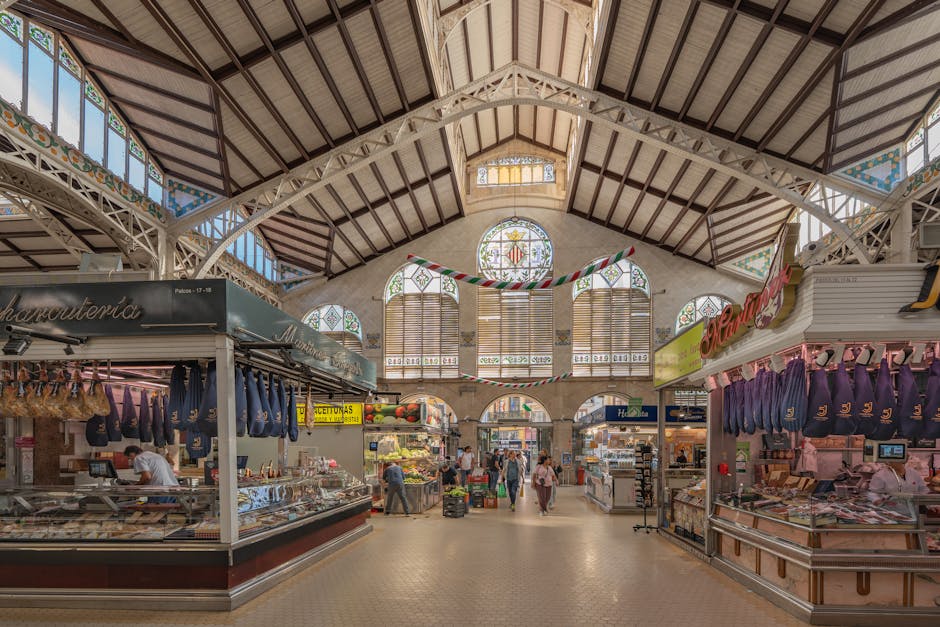
For a modern terroir experience, head to Mercato Centrale Torino (near Porta Nuova station, Via Madama Cristina depending on current hall configuration; check the exact location before you go). This indoor market gathers producer and chef stalls offering cooked dishes on site: antipasti, fresh pasta, charcuterie and artisanal gelato. Typical prices: pasta dishes €8.00–€14.00, charcuterie/cheese plates €10.00–€18.00.
Practical tips: when buying wine or truffles, ask the shopkeeper for storage and serving advice — temperature, airing time and food pairings. For very expensive purchases (like truffle), demand a detailed receipt and ask to weigh or measure the quantity in front of you. Prefer buying directly from producers when you can — often more authentic flavor and sometimes better prices.
Street food, new trends and chefs reworking the market
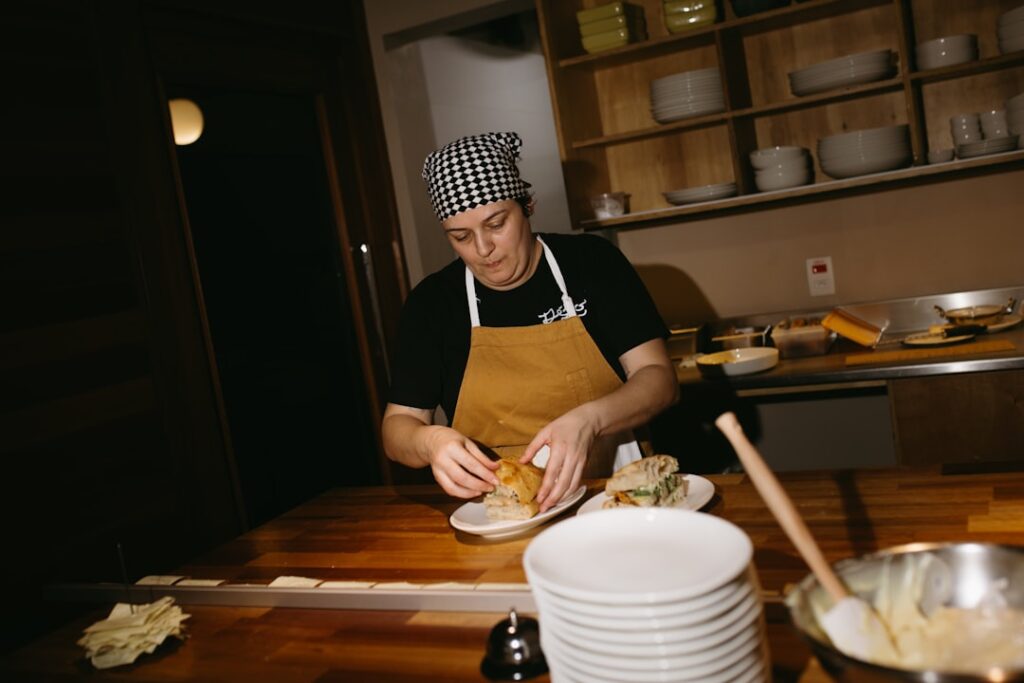
Turin is no longer just the city of chocolate and historic cafés; its food scene is seeing street-food trends and small-scale businesses setting up in markets and market halls. You’ll find contemporary offerings: dry-aged meat sandwiches, a Turin-style croque-monsieur twist, small portions of fresh tajarin with butter and truffle, and vegetarian or vegan alternatives suited to modern tastes. These initiatives are often driven by young chefs and artisans who source ingredients directly from the markets.
A typical example: Mercato Centrale stalls serving fresh handmade pasta to order — a plate of tajarin with butter and Parmigiano Reggiano generally costs €9.00–€14.00 depending on whether you add truffle or other toppings. Food trucks at Porta Palazzo and Balon events also offer internationally inspired dishes reinvented with local products: tacos with porchetta from Piedmont, baos filled with braised Piedmontese meat, and local takes on burgers using Fassone beef (a local breed prized for tenderness).
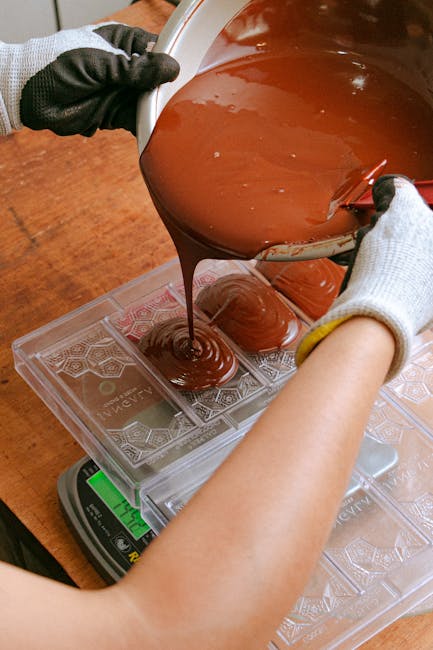
For sweet-toothed visitors, Turin’s chocolate tradition meets innovation: workshops and stalls offer modern gianduiotti, hazelnut Langhe-flavored bars, and chocolate-and-wine pairings with local bottles. Tasting sessions or chocolate workshops typically range from €25.00–€45.00 per person for an hour-long experience, depending on the organizer.
Foodie tips: favor stalls that clearly display product origins (e.g., “Nocciola Piemonte IGP”, “Fassone beef”). Always ask how a dish was prepared if you have allergies. If you love something, note the producer — that connection can become a reliable source for future visits in Piedmont. For evening outings, look for night markets or “market & music” events that extend stall hours and create a festive atmosphere.
Practical tips and a suggested market-day itinerary
Visiting Turin’s markets takes a bit of planning if you want to get the most out of them. Here’s a sample route and practical tips for a full day mixing tradition and tasty discoveries.
Suggested itinerary (morning to midday): start at Porta Palazzo (Piazza della Repubblica, 10152 Torino) at 07:30 to enjoy the produce at peak freshness and negotiate a good vegetable basket. Head on to Borgo Dora and the Balon (Piazza Borgo Dora, 10152 Torino) to hunt for finds and pause for coffee at a local bar. Next, go to Mercato della Crocetta (Piazza della Crocetta, 10123 Torino) for organic and artisanal goods, or to Mercato Centrale for a relaxed market-hall lunch (check Mercato Centrale’s hours and exact location before setting off). Finish with a visit to Baratti & Milano (Piazza Castello 29R, 10122 Torino) to pick up chocolate souvenirs.
Practical tips:
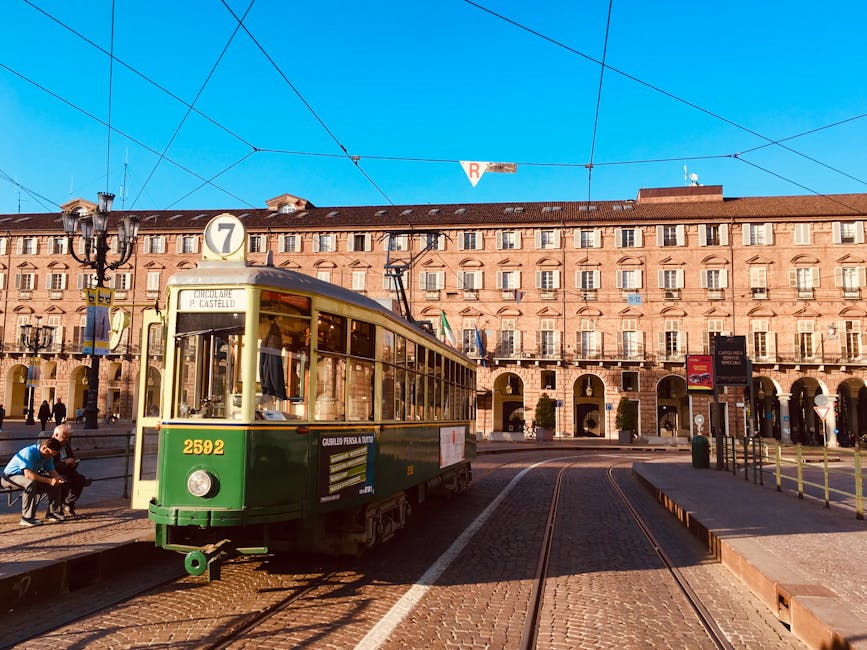
- Transport: Turin is very walkable and has a reliable tram network. Tram stops near Porta Palazzo include Porta Palazzo (lines 4 and 10 according to local maps). Main stations are Torino Porta Nuova and Torino Porta Susa. Wear comfortable shoes.
- Language: basic English works in tourist areas, but a few Italian words (buongiorno, grazie, quanto costa?) smooth interactions and are appreciated.
- Payment: many stalls take cards but not all; carry €20–€50 in cash for quick buys and haggling.
- Seasonality: plan by season — truffles in autumn, hazelnuts late summer, mushrooms in autumn, spring and summer fresh produce. Prices and availability change dramatically.
- Safety: keep your belongings on you, avoid open bags, and stay alert in crowds.
Above all, remember that a market is a place for sharing. Start conversations, taste when offered, and bring home fresh local products and stories. A good market visit in Turin will leave you with delicious supplies — and the feeling that you’ve touched the living heart of Piedmont.
Conclusion
Turin’s markets perfectly embody the productive tension between tradition and modernity: centuries of Piedmontese food history and handed-down skills on one side, and a creative buzz led by young producers, chefs and artisans reinterpreting those traditions on the other. Wandering Mercato di Porta Palazzo, rummaging through Balon stalls, tasting tajarin at Mercato Centrale or buying a box of gianduiotti at Baratti & Milano — each experience reflects the region’s richness and Turin’s convivial spirit.
More than addresses and opening times, what gives these places their charm are the people: loud-voiced vendors, proud producers, regulars who come back week after week, and curious visitors who bring new ideas. The practical tips shared here — ideal hours, indicative prices, negotiation tricks and storage notes — will help turn a market visit into a true gastronomic experience. Take home not only products but memories of encounters and recipes learned at a stall.
When you return to Turin, notice how the same stalls reinvent themselves with the seasons, and how the city, while preserving its historic cafés and classic pastries, welcomes new trends and a dynamic culinary scene. Markets are an excellent barometer: they show you what the region produces today, what excites local chefs, and what Turinese people love to share at their tables. For a full immersion, pair market visits with day trips to the Langhe and Monferrato, where wine and hazelnut production complete the Turin experience.
Enjoy your gastronomic journey in Turin — and above all, don’t forget to taste, ask questions, and bring home a little of generous Piedmont with you.