





Introduction — Turin to the Langhe: a sensory scenic cycling route
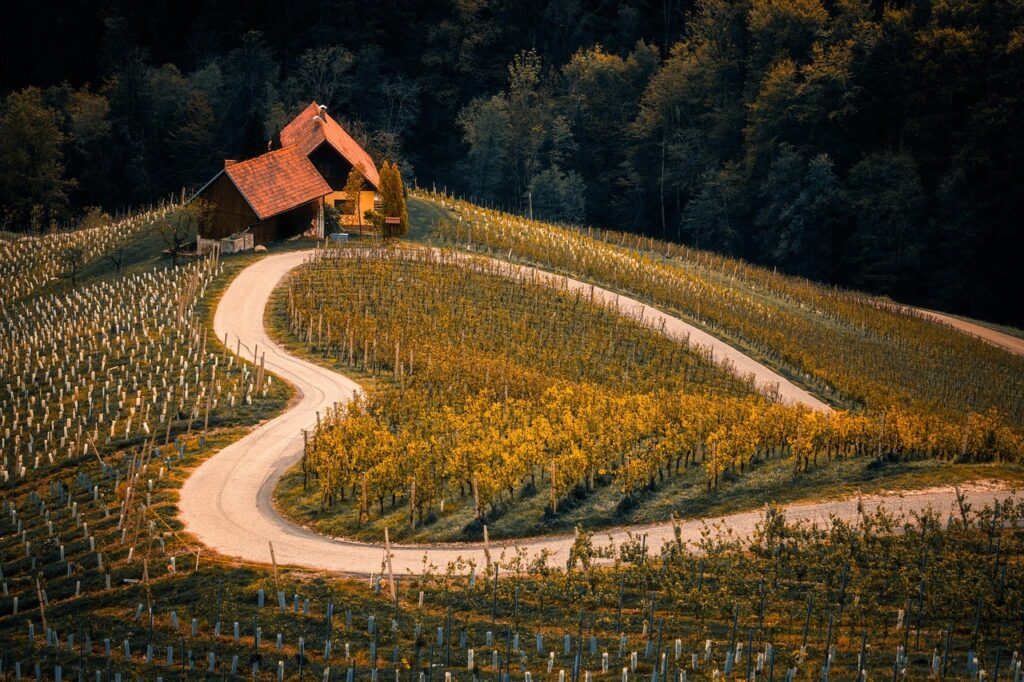
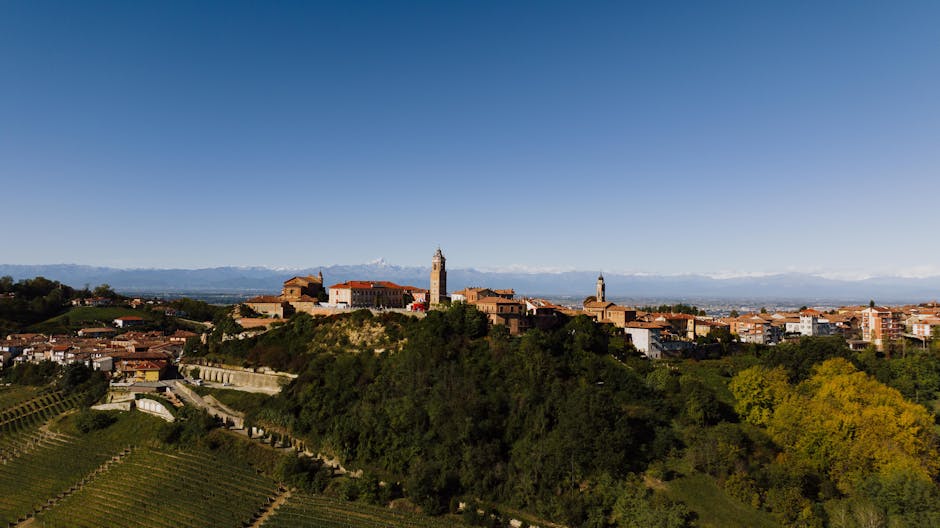
Piedmont, tucked at the foot of the Alps, is where Turin’s urban culture mixes with the gentle, UNESCO-listed rolling vineyards of the Langhe. Cycling from Torino (Turin) into the Langhe is a full-sensory experience: architecture and museums, riverside stretches along the Po, medieval villages, terraced vineyards, Barolo tastings and Alba’s prized white truffles in season. This panoramic route suits both fit cycle-tourists and leisure riders who want a blend of moderate effort, tasty stops and cultural discoveries.
In this practical, detailed guide I map out a workable route, give logistical info (addresses, opening hours, approximate prices), paint immersive stage descriptions, and share local tips on route choices, gear and safety. I also suggest side activities: wineries, restaurants and museums. The typical itinerary starts in Turin, crosses the plain to Moncalieri and Pinerolo, skirts the first Langa rises, then reaches the hills around Alba, Barolo and La Morra. Along the way you’ll find quiet secondary roads, vineyard-lined panoramas and views that unfold with every bend.
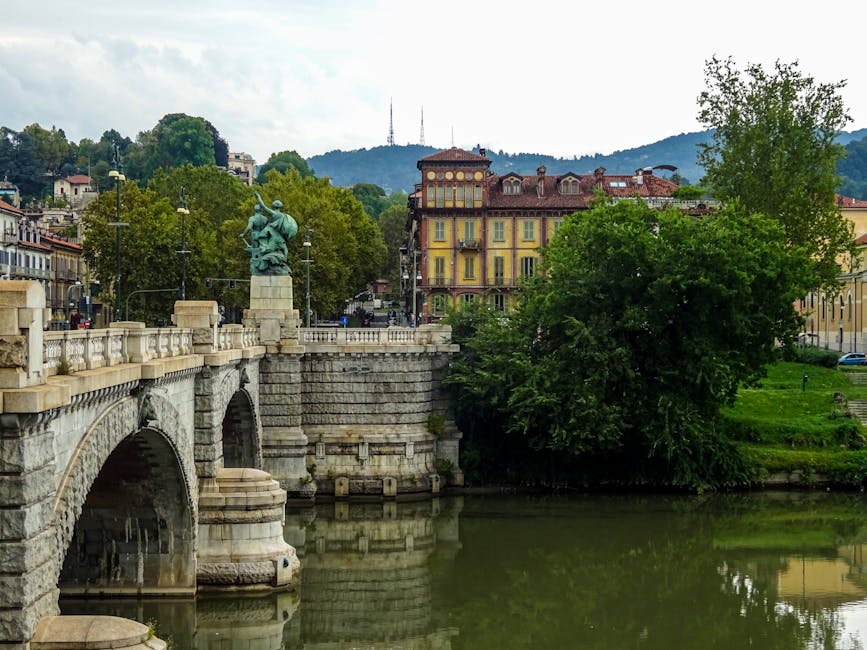
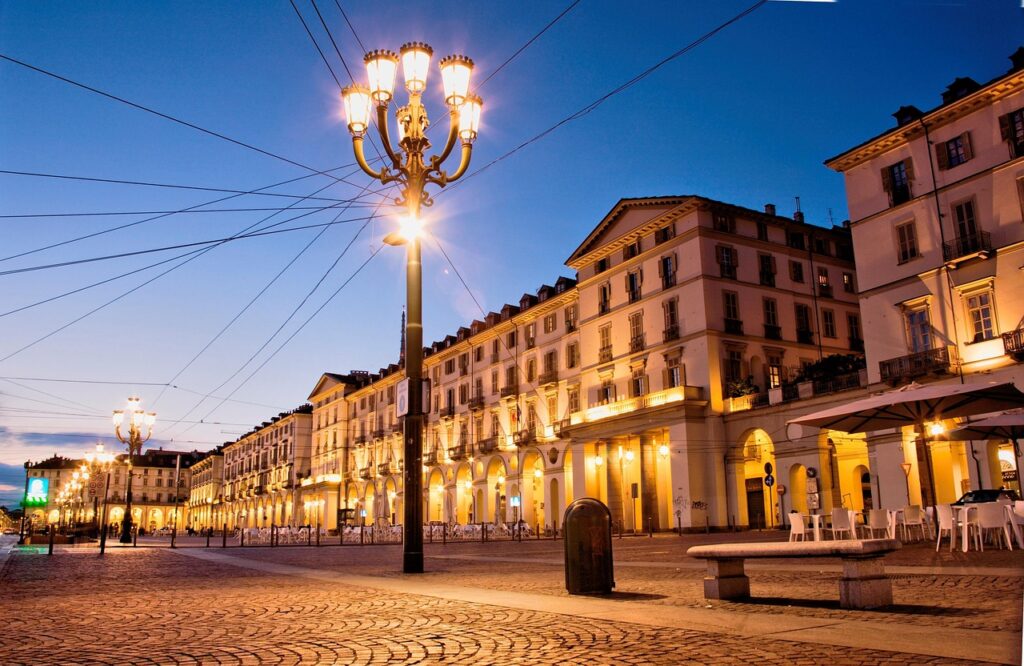
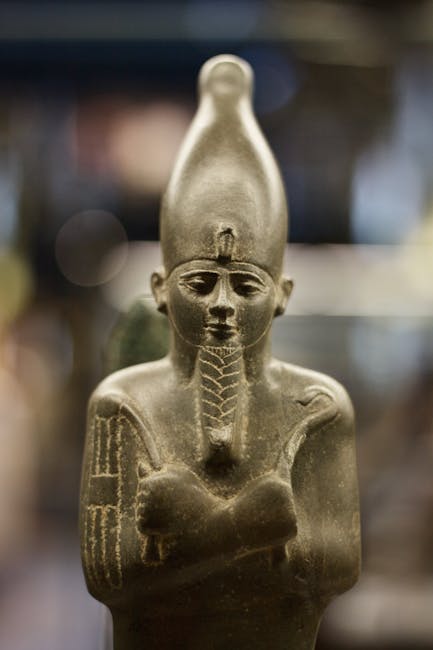
Turin is at once industrial and elegant: 19th-century boulevards, historic cafés and world-class museums. Spending a day in Turin before you head out is useful for collecting a rental bike (if you didn’t bring your own), doing last-minute adjustments and squeezing in a quick museum visit like the Museo Egizio (Museo Egizio, Via Accademia delle Scienze 6, 10123 Torino; typical hours 9:00–18:30; adult ticket ≈ €15) or the Mole Antonelliana and its National Cinema Museum (Piazza Vittorio Veneto 1, 10124 Torino; hours 10:00–19:00; adult ticket ≈ €10–€15). Leaving the city, you’ll cycle along the Po, pass historic neighborhoods like Parco del Valentino (Parco del Valentino, Lungo Po, 10124 Torino) and head southeast into the hills.
Before you set off, check the weather, the condition of trails and the opening hours of any wineries you plan to visit: many require reservations, especially in high season and during the harvest (September–October). Note that the prices and times listed here are indicative and can change: call ahead or consult official websites before departure. Finally, tailor your gear: a road or gravel bike is highly recommended, plus a repair kit, sunglasses, hat, sunscreen and a lightweight rain jacket. Some stretches in the Langa are stony — slightly wider tires and tubeless setups make for a more comfortable ride.
1. Leaving Turin: prep, urban highlights and the first kilometers
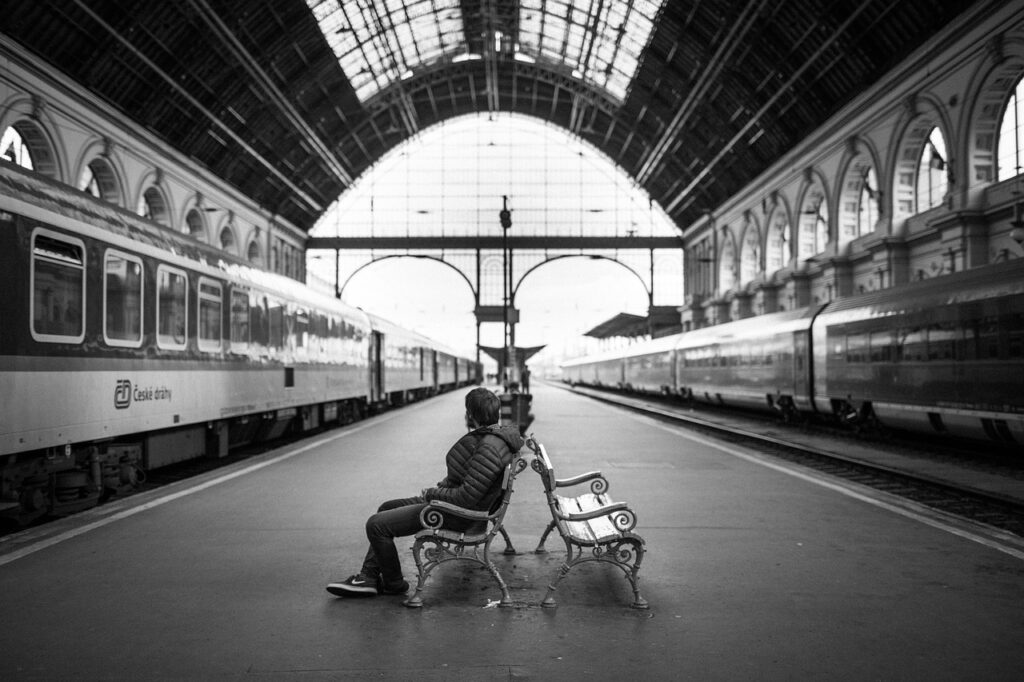
Start your route in the heart of Torino for easy logistics and services. Two convenient departure points are Torino Porta Nuova station (Piazza Carlo Felice, 10121 Torino) and Torino Porta Susa station (Piazza XVIII Dicembre 10, 10138 Torino). These stations give easy access to regional trains if you’re arriving from Milan, Genoa or elsewhere, and they offer bike-carrying options (check railway conditions and peak-hour rules). If you rent a bike downtown, pick a shop that can fit pannier mounts and supplies a full repair kit. Bike repair shops are concentrated around Via Po and Via Garibaldi.
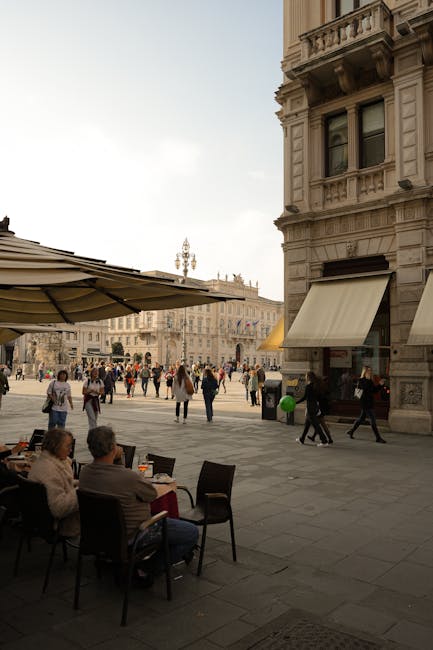
Before heading out of town, take time for the Museo Egizio (Via Accademia delle Scienze 6, 10123 Torino; hours 9:00–18:30; ticket ≈ €15), one of the world’s top Egyptology museums. For coffee and a Piedmont pastry, head to Caffè San Carlo (Piazza San Carlo 156, 10121 Torino; open 7:30–23:00; cappuccino ≈ €2.50–€4), a historic spot to mentally prepare for the day. Then pick up the Lungo Po (the Po riverside) for a pleasant urban exit: bike lanes, views of the hills and generally light traffic.
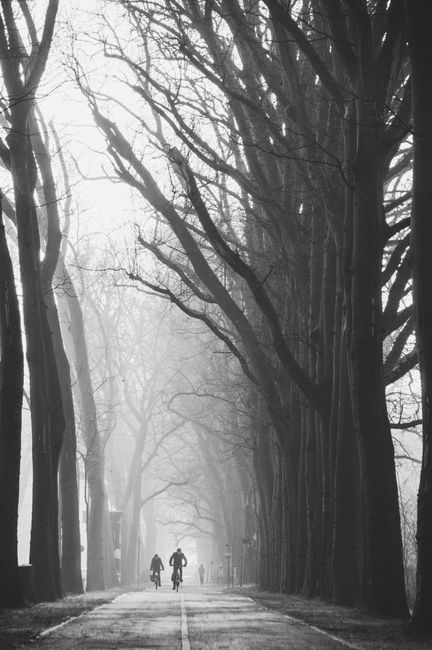
As you leave Torino, aim for Moncalieri (Corso Roma, 10024 Moncalieri TO), a handy first stop. Moncalieri has a castle-turned-museum and a town center with cafés and bakeries. Approximate distance: 10–12 km depending on the route, with stretches along the river. Continue toward Pino Torinese or, if you prefer a gentler climb into the Langa, head to Chieri (Piazza Cavour, 10023 Chieri TO) and pick up the SP10 toward Carmagnola. These secondary roads give a great taste of rural Piedmont while avoiding highways and busy main roads.
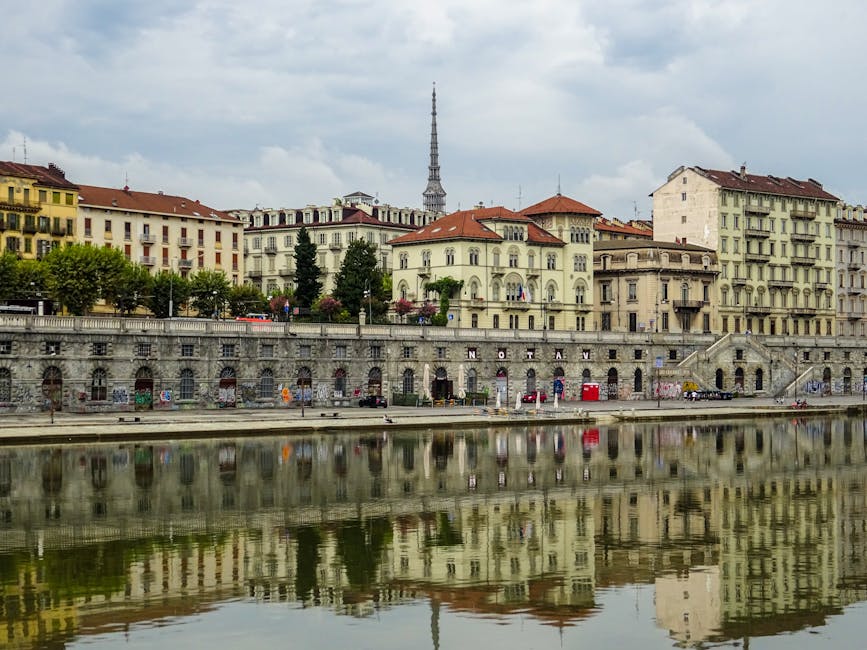
Practical tips for the first stage: avoid the hottest afternoon hours in summer, carry at least 1.5–2 liters of water per person, and do a full bike check (brakes, tire pressure, chain) before you go. If you stayed in Turin the night before, check the weather with local tourist offices — URP Turin (Ufficio Relazioni con il Pubblico) can provide maps and up-to-date information (Ufficio Informazioni Turistiche, Piazza Castello 101, 10122 Torino; generally open 9:00–18:00).
2. Crossing the first hills: Moncalieri to Alba — landscapes, villages and supplies
After the plain, the route gradually rises into the Langa. From Moncalieri you can follow secondary roads via La Loggia and Carignano, where vineyards begin to appear. Continue toward Pollenzo and Bra if you want a culinary detour: Pollenzo hosts the University of Gastronomic Sciences (Piazza Vittorio Emanuele, 12042 Pollenzo CN), a campus focused on food science and culinary heritage. For lunch, the Banca del Vino — Piazza della Libertà 1, 12042 Pollenzo — offers a selection of local drinks and products (hours vary; tastings from ≈ €10).
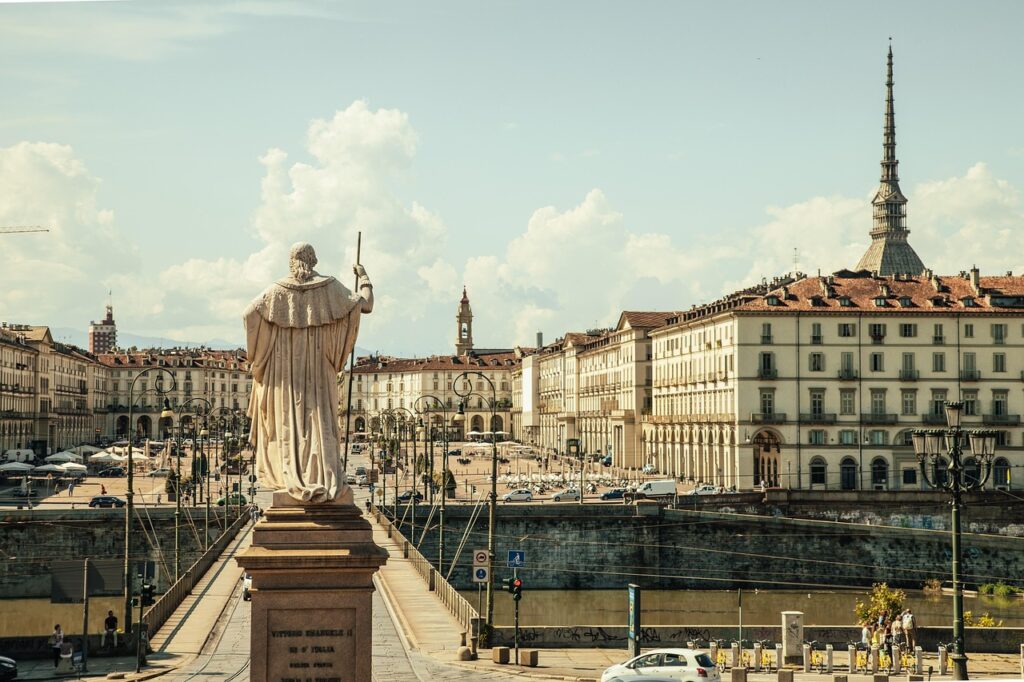
Heading on to Bra (Piazza Carlo Alberto, 12042 Bra CN), a town known for cheeses and its slow food market, you’ll find plenty of small shops and bakeries to restock. From Bra the route climbs steadily into the first hills: Cherasco (Piazza Sant’Antonio 9, 12062 Cherasco CN) is a pretty fortified village perfect for a coffee break (or to pick up local treats like baci di Cherasco). The approach to Alba starts to reveal the classic Langa look: rows of vines, stone walls, little brick chapels and soft, rounded panoramas.
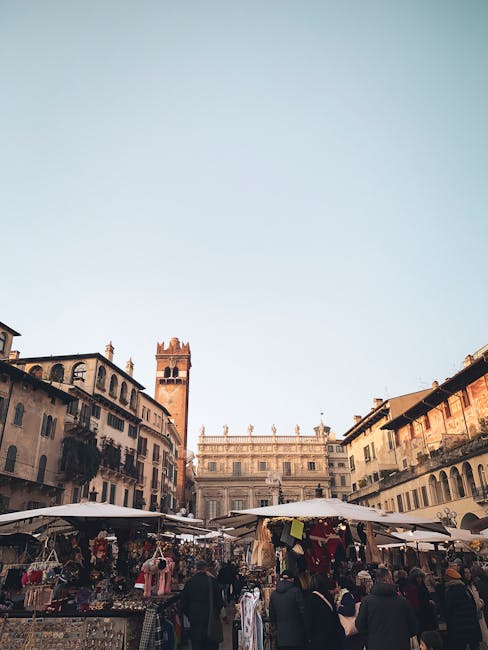
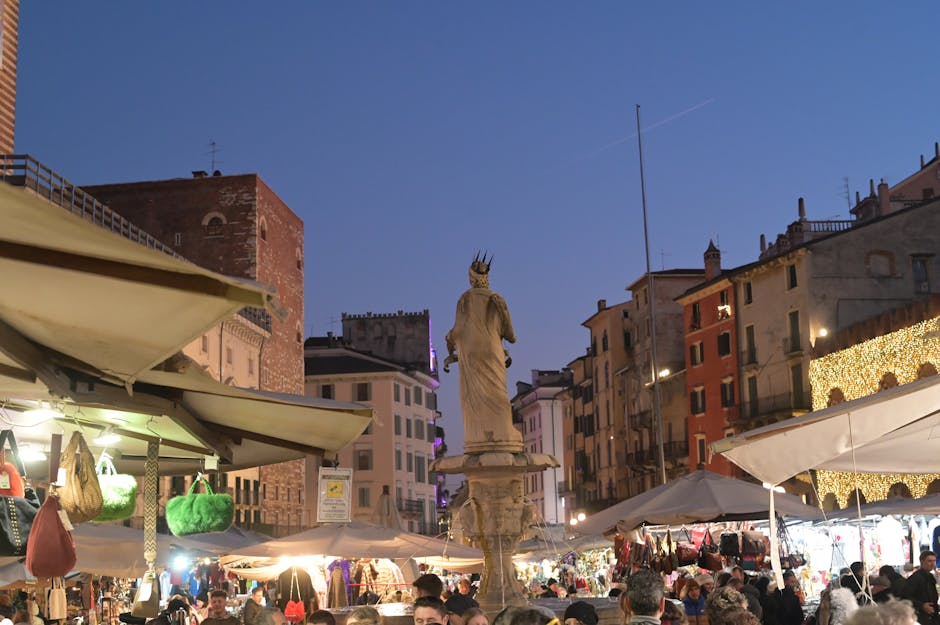
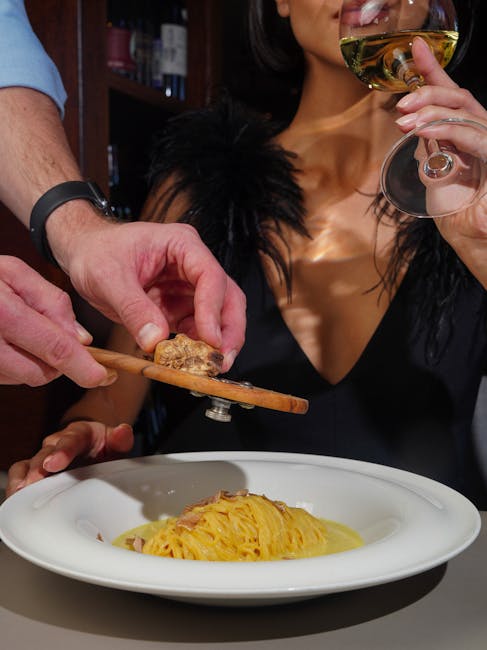
Arriving in Alba (Piazza Risorgimento, 12051 Alba CN), the Langa’s hub, is a great place for your first night or to visit the Museo del Gusto and hunt down local specialties. If you’re there during truffle season (October–December), don’t miss the Enoteca Regionale del Barbaresco (Piazza Risorgimento 2, 12051 Alba CN) for an introduction to regional gastronomy. Restaurants in Alba offer quality meals from about €15–€30, while truffle tastings can range from €25 to €80 depending on the experience. Local markets (often on Saturdays) are great for buying charcuterie, cheeses and bargain truffles if you’re ready to haggle.
Local tips: favor minor communal roads (SP or provinciale roads marked on local maps) over national routes. The climbs in this section are regular but rarely extreme: bring an 11–32 cassette and a comfortable gear range. Also carry a list of contacts for accommodations and small farm stays (agriturismi): many local farms offer rooms and dinner made from farm products — a welcome treat after a day in the saddle.
3. The heart of the Langhe: Barolo, La Morra and tastings — wineries, addresses and wine tips
This is the most iconic part of the route: the Barolo and Barbaresco hills. Villages like Barolo (Piazza Barolo 1, 12060 Barolo CN), La Morra (Piazza Castello 12, 12064 La Morra CN) and Castiglione Falletto offer spectacular panoramas and historic cellars. Marchesi di Barolo (Piazza Barolo 1, 12060 Barolo CN) is one of the most renowned wineries; guided tours and tastings are typically priced around €15–€25 per person (visit hours usually 10:00–17:00; reservation recommended). Fontanafredda (Strada Fontanafredda 1, 12064 Serralunga d’Alba CN) offers more extensive visits with a museum and gardens (visit + tasting ≈ €20–€30; hours 9:30–18:00).
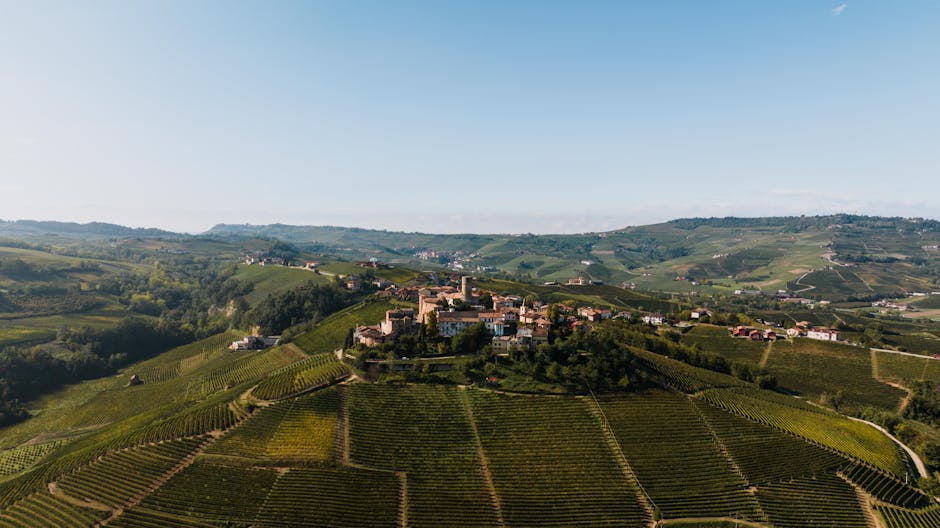
Tackling La Morra’s minor roads is a real pleasure: viewpoints over amphitheater-like vineyards, landscaped sculptures and a recommended photo stop at La Morra’s belvedere (Piazza della Libertà, 12064 La Morra CN) for a memorable shot. The Castello di Serralunga d’Alba (Piazza Castello 1, 12050 Serralunga d’Alba CN) is an interesting historic visit — entry often around €7–€10; opening hours vary by season, generally 10:00–18:00 in summer.
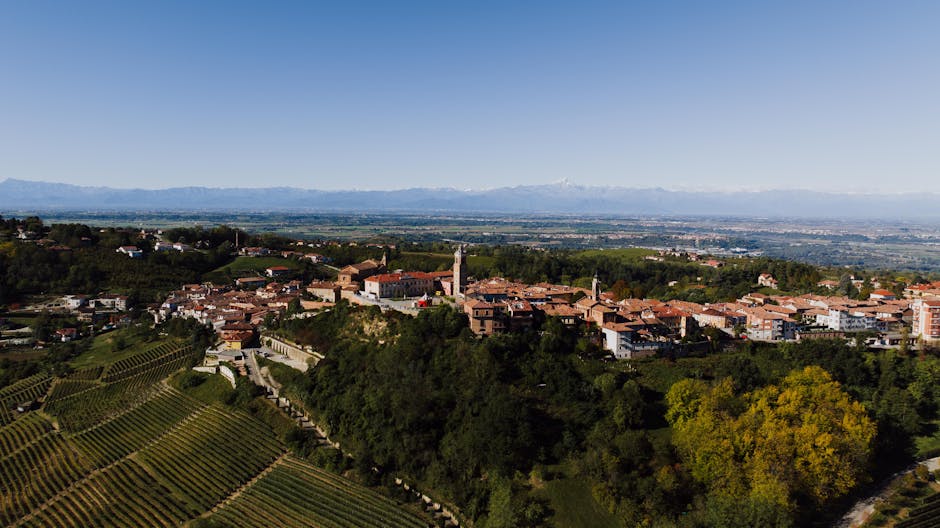
Plan your tastings: most cellars require reservations, especially for groups. Tasting formats generally run from 2 to 5 glasses and cost between €10 and €35 depending on the wines and whether a wine expert leads the tasting. Comparing a young Barolo with a reserve Barolo side by side helps you appreciate aging potential and complexity. Between wineries, eat locally: restaurants like Ristorante Bovio 1905 (Via Roma 66, 12064 La Morra CN; menus around €30–€60) offer excellent food-and-wine pairings.
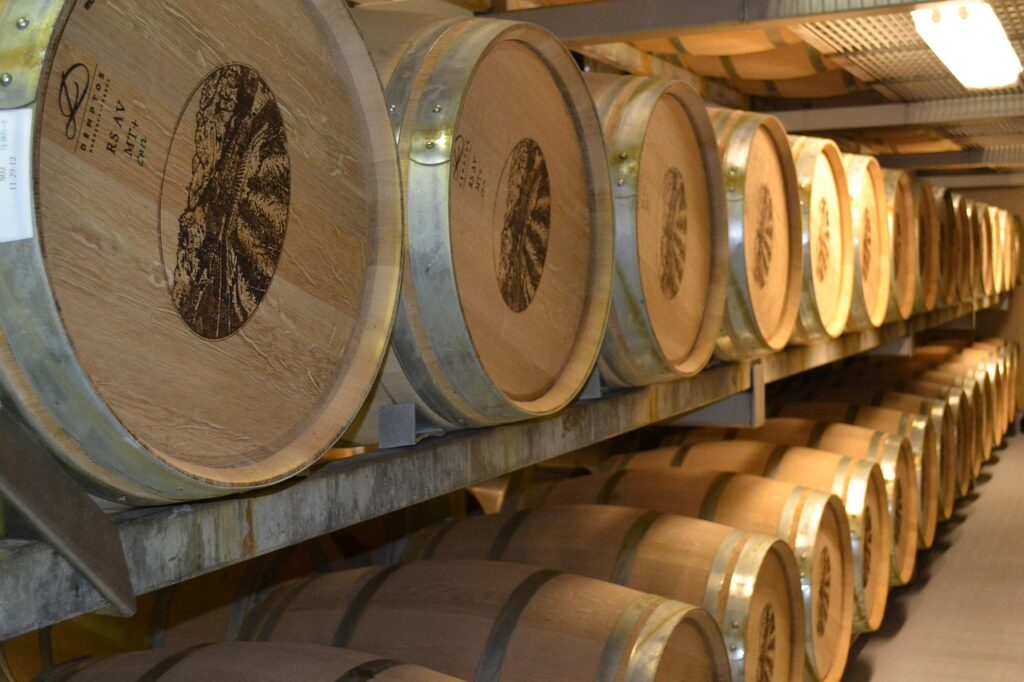
Wine tips: don’t plan to drive after tastings — arrange a local taxi (Alba/Torino taxi network) or book a night at an agriturismo. Bring thermal bags to protect bottles you buy along the way, or ask for deliveries to your accommodation: many wineries offer international shipping to avoid transporting bottles by bike. Also, aim for afternoon visits to enjoy sunsets over the vineyards, when colors turn especially photogenic.
4. Practical route planning, safety and local tips for cycling the route
Success on a Turin-to-Langhe route is as much about preparation as it is about enjoying the ride. Gear and bike: a gravel bike or a road bike with 28–32 mm tires is ideal. Pack a kit with a pump, spare tube, tire levers, multi-tool and chain lube. Langa legs can include gravel stretches and cobbled lanes; a small mudguard will help keep your gear clean.
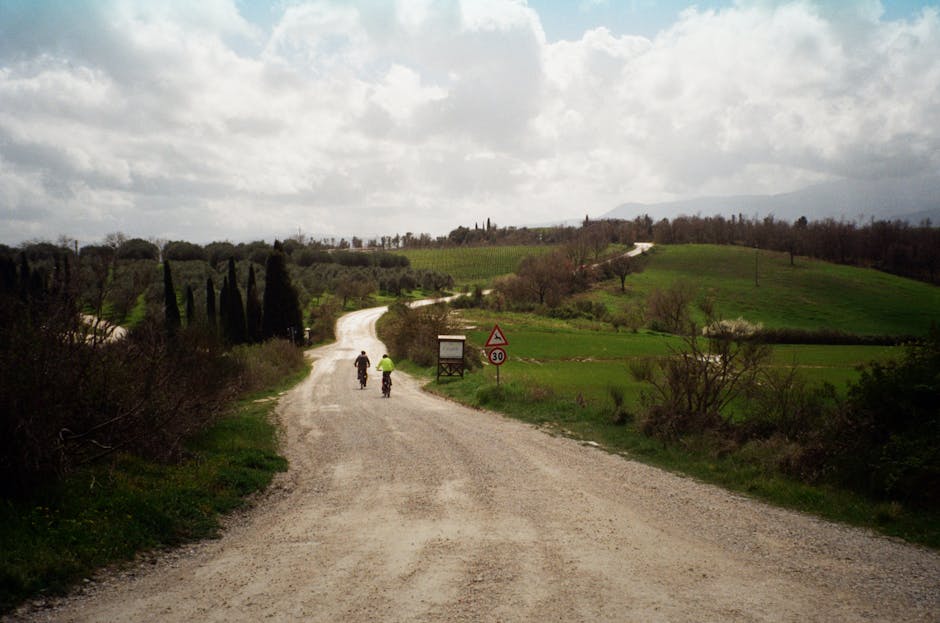
Navigation: use a dedicated GPS app (Komoot, RideWithGPS, or maps from ASI/local comuni) and download offline maps. Local signage often points to major communes (Barolo, Alba, La Morra) but not always to cycle paths. Print or save a stage sheet before you ride — it avoids unnecessary detours in areas with poor cell coverage.
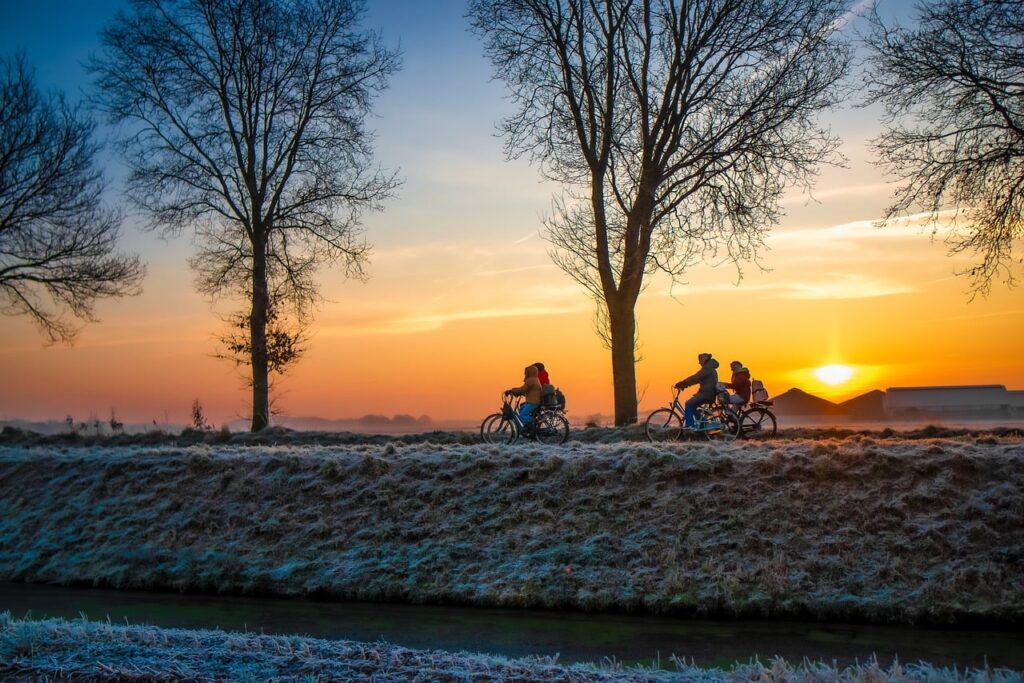
Road safety: obey Italian traffic laws. Provincial roads (SP) are usually quiet, but some stretches see tractors or agricultural vehicles. Ride single file, wear a high-visibility vest if riding at dawn or dusk, and use a certified helmet. In an emergency dial 112 (Europe’s emergency number). Carry photocopies of your ID and a European Health Insurance Card if you’re coming from another European country.
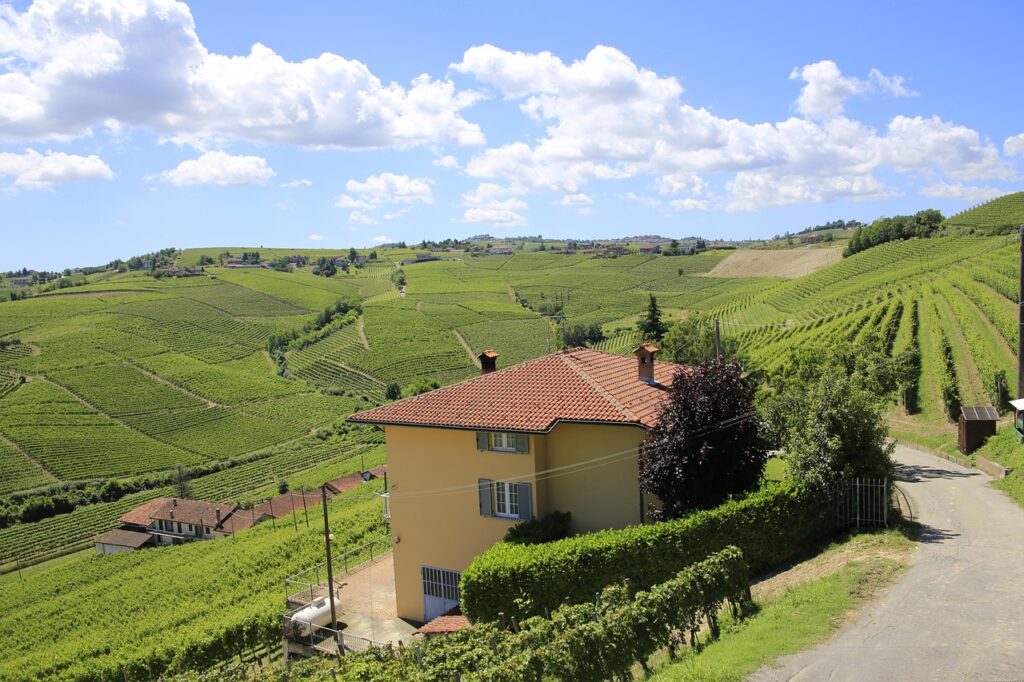
Accommodation and logistics: options range from charming city hotels (Turin or Alba) to agriturismi and B&Bs in the heart of the Langhe. Agriturismi often include dinner and breakfast (nightly price ≈ €60–€120 per person depending on comfort). Book ahead in high season or during Alba’s Truffle Fair (October–November) when rooms sell out fast. If you prefer light bikepacking, look into local luggage transfer services between accommodations (approximately €15–€30 per bag depending on distance).
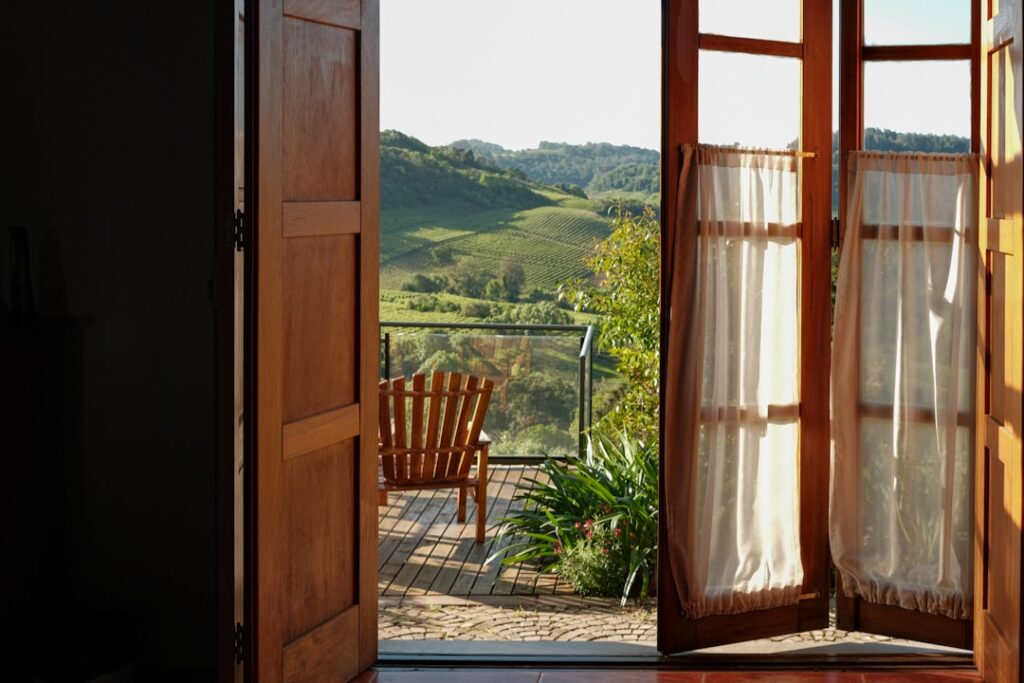
Final local advice: check harvest dates (roughly late September–October) which can affect road access and increase local traffic. For up-to-date tourist information contact Ente Turismo Langhe Monferrato Roero (Ufficio Informazioni Turistiche Alba, Piazza San Paolo 4, 12051 Alba CN; hours 9:00–17:00 in low season). And please respect the environment: the Langhe are a living landscape maintained by generations. Stay on marked trails, put rubbish in bins and favor local, responsible products.
Conclusion — Why this route is a must and how to get the most out of it
The cycling route from Turin to the Langhe blends urban heritage, rural charm, gastronomic pleasures and moderate sporting thrills. It’s ideal for riders looking for a balance between effort and tasting, picture-perfect views and human encounters: vineyard owners, artisans, bakers and restaurateurs who make Piedmont so special. The suggested stops — Turin, Moncalieri, Bra, Alba, Barolo, La Morra and Serralunga d’Alba — offer a harmonious mix of culture and terroir.
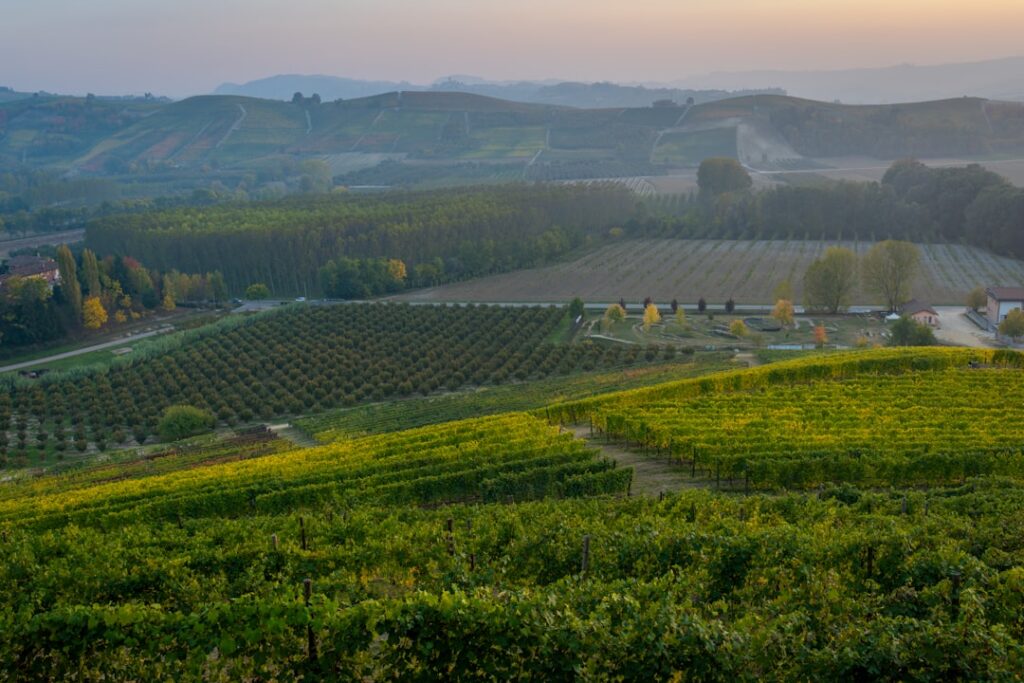
Logistically, plan your start in Turin: station (Torino Porta Nuova, Piazza Carlo Felice, 10121 Torino) for arrivals, museums for a cultural warm-up (Museo Egizio, Via Accademia delle Scienze 6, 10123 Torino, hours 9:00–18:30, ticket ≈ €15) and last-minute supplies. On the route favor small roads and village stops: Pollenzo (Piazza Vittorio Emanuele, 12042 Pollenzo CN) for its gastronomic university and Alba (Piazza Risorgimento, 12051 Alba CN) for markets and local life. Wine lovers should book tastings: Marchesi di Barolo (Piazza Barolo 1, 12060 Barolo CN; visit ≈ €15–€25) and Fontanafredda (Strada Fontanafredda 1, 12064 Serralunga d’Alba CN; visit ≈ €20–€30) are essential.
To make the most of it: equip yourself properly (gravel or road bike, repair kit, suitable clothing), reserve lodgings well in advance in high season, and pace yourself: pick a few memorable tastings rather than rushing through many tiny visits. Above all, keep patience and an open mind: the best memories often come from meeting local producers, a sunset over the vines or a winding road that suddenly reveals a perfectly preserved medieval village.
Safe travels: whether you’re out for a long weekend or a week of exploration, the Turin-to-Langhe cycling route delivers physical challenge, gastronomic delights and the lasting feeling of having crossed one of Italy’s most beautiful wine regions. If you want more details (detailed maps, agriturismo contacts, or itinerary variants matched to your level), I can put together a day-by-day plan tailored to your pace and preferences.