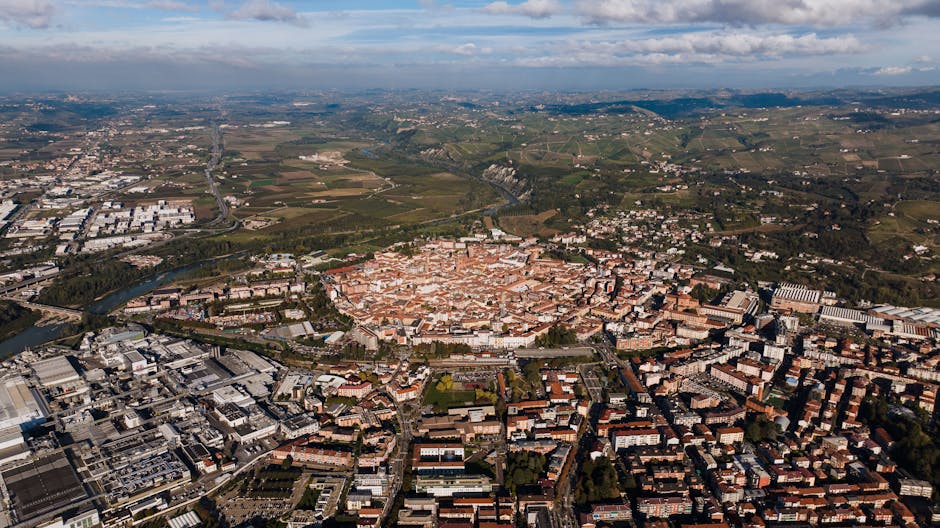




Introduction: Vinodays — Piedmont’s Celebration of Its Vineyards
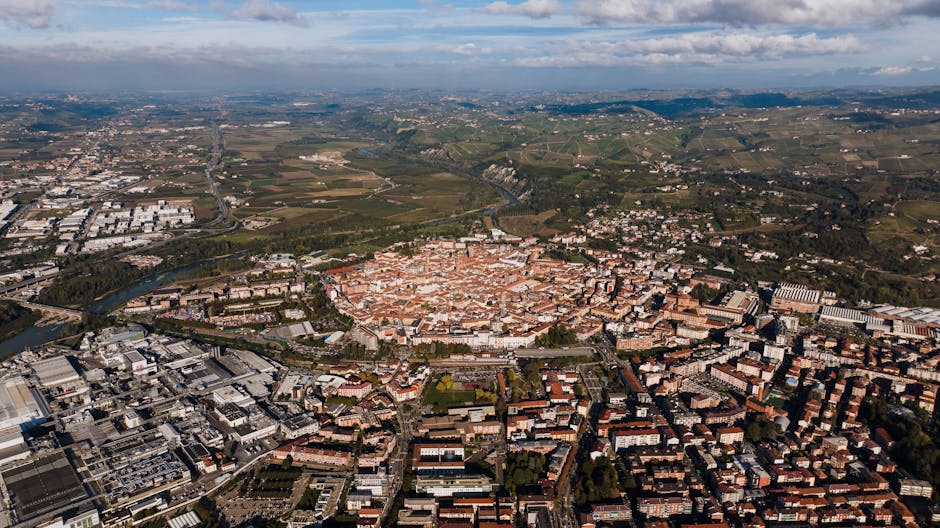
At the foot of the Alps and bordered by the Po, Piedmont is one of Italy’s most treasured wine regions. Home to Nebbiolo, Barbera and Moscato, this landscape of rolling hills, stone villages and medieval castles draws wine lovers and travelers searching for authenticity. Among the annual events that pay tribute to this rich viticultural culture, Vinodays stands out as a warm, popular celebration rooted in local tradition. It’s equal parts festival, tasting trail and village fair where producers, sommeliers, chefs and curious visitors meet to sample Piedmont’s treasures.
Vinodays isn’t a single fixed event: it usually unfolds over several days and across multiple towns, linking the major wine areas — Barolo, Barbaresco, La Morra, Serralunga d’Alba, Neive, and the town of Alba, famed for its white truffle. During Vinodays cellars throw open their doors, streets fill with gourmet stalls, and themed itineraries are offered: cellar visits, masterclasses, food-and-wine pairing dinners, sunset walks through the vineyards, and live music. The vibe ranges from the solemnity of formal tastings to the convivial buzz of neighborhood parties, giving visitors countless ways to understand the diversity of wines, soils (marl, limestone, sand) and microclimates that make Piedmont labels so complex.
This full guide will immerse you in the world of Vinodays: what a typical program looks like, which wineries and landmarks to visit, where to taste and sleep, and practical tips to get the most from every bottle without getting overwhelmed. You’ll also find specific addresses (castles, museums and visitor centers), realistic price ranges in euros for tastings and meals, and usual opening hours to plan your days. Whether you’re an amateur oenophile or a curious traveler, Piedmont during Vinodays reveals itself as a full sensory experience — landscapes, family winemaking stories, the powerful aromatics of Nebbiolo and Barbera, and regional dishes that showcase each cru.
Finally, Vinodays is an invitation to slow down: get up early to catch the magical light on the vines, stroll between the rows, sit in a café to savor tajarin with butter and truffle, or buy a bottle straight from the producer. The practical tips in this article will help you avoid tourist traps, book the best visits and tailor your itinerary to the length of your stay — weekend, three days or a full week. Prepare a notebook and your palate: Piedmont unveils itself in small gestures, and Vinodays is the best window to capture its soul.
Vinodays: Typical Program and Festival Highlights
A Vinodays schedule varies with the host town, but there are reliable patterns to help plan your trip. Days usually begin with morning tastings for professionals and experienced amateurs, include cellar visits and themed masterclasses in the afternoon, and end with festive evenings featuring food-and-wine pairings. Events take place in historic castles, wine museums, regional enoteche (wine shops) and contemporary estates.
Key sites include the Castello di Grinzane Cavour (Piazza Barbero 1, 12060 Grinzane Cavour CN) which, beyond its imposing medieval silhouette, hosts exhibitions, an enoteca and organized tastings during the festival. Typical opening hours: 10:00–18:00 (closed Mondays off-season), museum/guided tour ticket around €10–€12, tastings usually paid and often by reservation. Another major stop: the Wine Museum (WiMu) in Palazzo Falletti in Barolo, located at Piazza Falletti 1, 12060 Barolo CN, generally open 10:00–18:30, museum entry €8–€12, workshops and tastings from €15 to €40 depending on the number of wines.
Regional enoteche also play a central role. For example, the Enoteca Regionale del Barolo e del Barbaresco (operating in various locations) often offers free-standing tastings and expert advice on the crus. During Vinodays you’ll find producers’ booths in town, with glass pours priced between €3 and €10, and daily « tasting pass » packages at €20–€35 granting access to multiple stands. Organizers typically publish a day-by-day program with interactive maps showing where each activity takes place.
Don’t miss the “off” events: guided sunset vineyard walks, dinners under La Morra’s arcades or inside family estates, Piedmontese cooking workshops and vertical tastings (same wine, different vintages). Prices for these experiences range from about €20 for a guided walk to €150–€250 for gourmet pairing dinners organized with local chefs. Booking several weeks in advance is often essential, especially in autumn, the peak harvest and festival season.
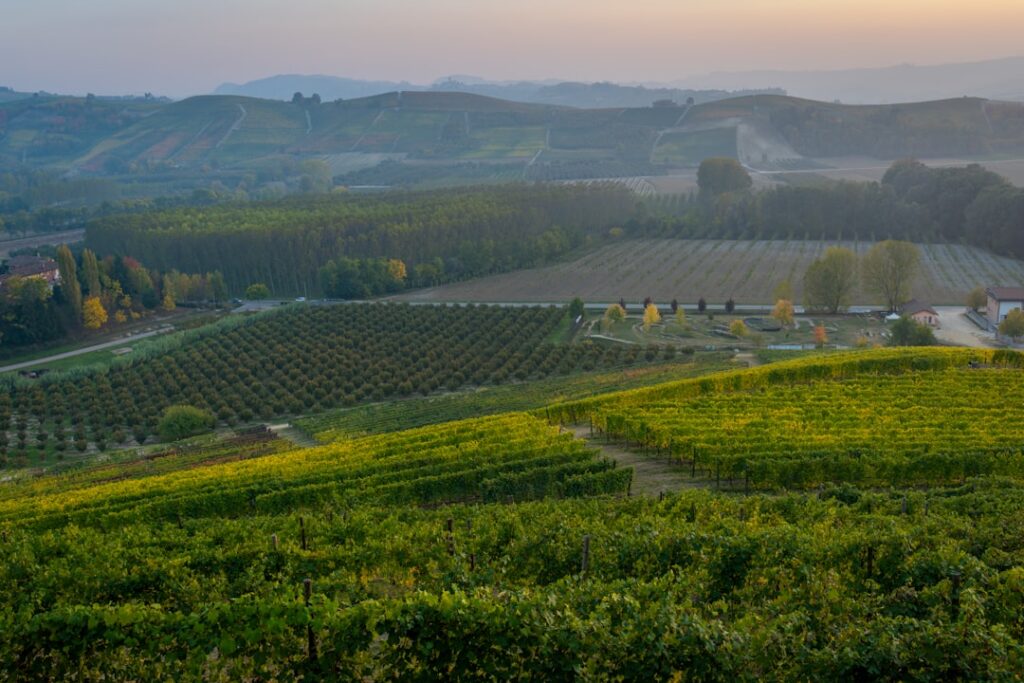
Vineyard and Estate Visits You Shouldn’t Miss
Piedmont is dotted with countless estates — from large historic houses to tiny family cantinas. During Vinodays, some properties open their cellars for guided tours and serious tastings. Here’s a representative selection of places to visit, with practical notes, typical hours and price ranges.
- Castello di Grinzane Cavour — Piazza Barbero 1, 12060 Grinzane Cavour (CN). Castle tour, museum and enoteca. Hours: 10:00–18:00 (high season), guided tour €10–€12, tasting €8–€20 depending on the selection. Don’t miss: the main reception room, historical regional wines, and the view from the bastion.
- Museo del Vino – WiMu, Palazzo Falletti — Piazza Falletti 1, 12060 Barolo (CN). Hours: 10:00–18:30. Museum entry €8–€12, workshops and tastings €15–€50. WiMu tells the story of Barolo through objects, videos and an educational cellar.
- Enoteca Regionale di Barbaresco (tourist info point and tasting room) — located in Barbaresco’s historic center (main street of the village). Opening hours vary by season: 10:00–13:00, 15:00–19:00. Glasses from €4, vertical tastings from €25.
- La Morra – Belvedere viewpoints & local wineries — Piazza Castello, 12064 La Morra (CN) for viewpoints and shop visits. Many small family wineries welcome visitors by appointment: standard tasting €10–€25, in-depth tour €30–€60.
- Neive and Barbaresco walking tours — Main square of Neive (Piazza Italia, the heart of the historic village). Tourist office hours generally 9:00–13:00, 15:00–18:00. Guided walks €10–€30 depending on length, often combined with a tasting.
Practical tips for visits: book ahead (email or phone), confirm the number of people and whether you want a lunch or food-and-wine pairing. Arrive 10–15 minutes early, wear closed shoes if you’ll be walking the vineyards, and bring a notebook to record wines you try. During Vinodays some estates offer tasting-lunches at fixed prices (usually €35–€80 per person depending on number of courses and wine level).
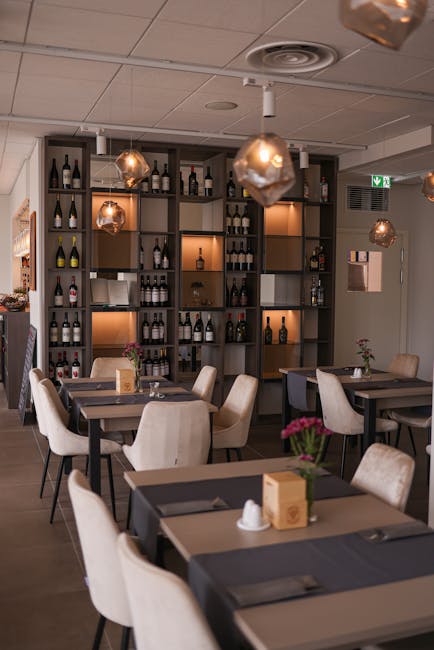
Tastings, Pairings and Workshops During Vinodays
The heart of Vinodays is in the glass: walk-around tastings, vertical masterclasses (comparing vintages), aroma recognition workshops and food-and-wine pairing sessions. Organizers usually offer modular packages to suit beginners and connoisseurs alike. Here’s how these experiences are typically structured and what to expect in terms of price and timing.
Walk-around format: producers set up stands outdoors or in municipal halls and you buy an entrance ticket (tasting pass) that entitles you to a set number of pours. Indicative price: €20–€35 for a day pass including 5–8 tastings. Hours: most stands run 11:00–19:00. Advantage: discover many producers in half a day and compare styles and aroma profiles.
Masterclasses and guided tastings: led by oenologists or sommeliers, these dive deep into a grape (e.g., Nebbiolo), an appellation (Barolo, Barbaresco) or a technique (barrel aging, oxidative winemaking). Duration: 60–90 minutes. Price: €25–€75 depending on the level and rarity of the wines. Scheduling: often in the morning (11:00–13:00) and late afternoon (17:00–19:00).
Culinary workshops and pairings: local chefs team up with winemakers to create pop-up menus. Typical example: three courses (antipasto, primo, secondo) with three matching glasses, price €45–€120. Times: lunch (12:30–14:30) and dinner (19:30–22:30). Reservations are usually essential, especially for pairings with rare wines or older vintages.
Tasting tips: start with whites or lighter wines and build up (Barbera, Dolcetto), finishing with Nebbiolo and fuller-bodied wines. Use a tasting notebook (or an app) to note aromas, tannic structure and acidity. Don’t hesitate to ask producers about the story behind each cuvée — those narratives are often as valuable as the technical notes.
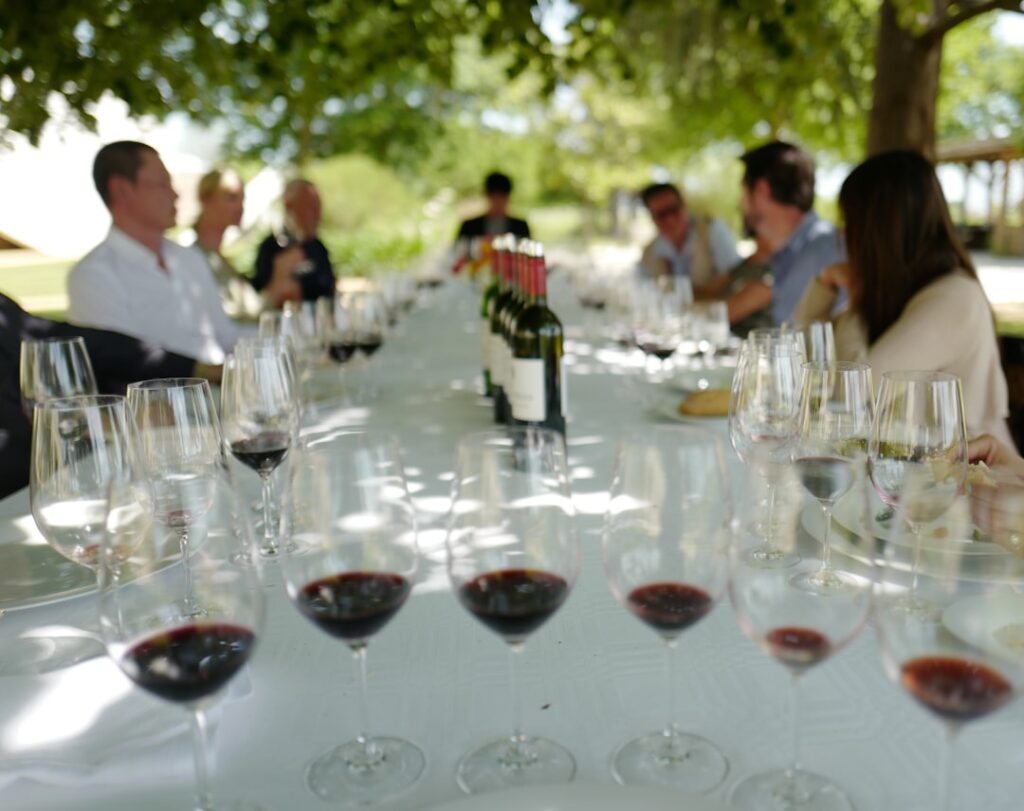
Logistics, Where to Stay and Local Recommendations
Preparing for Vinodays means thinking about transport, lodging, dining and a few local customs. Piedmont offers many options: boutique hotels, agriturismi, relais and B&Bs nestled among the vines. Here are concrete recommendations to help you organize a smooth and enjoyable stay.
Getting around: a car is the most flexible way to explore the hills. Rent from Turin (Aeroporto di Torino Caselle, STRADA SAN MAURO 12/C, 10072 Caselle Torinese TO) or from Cuneo. Note: roads between villages can be narrow and winding; drive carefully and use marked parking areas. To avoid driving after tastings, book a local driver or use shuttles some estates run during Vinodays (prices vary, often €15–€50 per person depending on route).
Where to sleep: pick a central base like Alba (piazza Savona area) or La Morra to minimize driving. Examples of accommodation types:
- Boutique city hotel: comfort, restaurants nearby, €80–€180 per night.
- Agriturismo in the vineyards: rustic rooms, homemade breakfast, €60–€140 per night.
- Relais or luxury guesthouse: personalized service, private tastings, €150–€350+ per night.
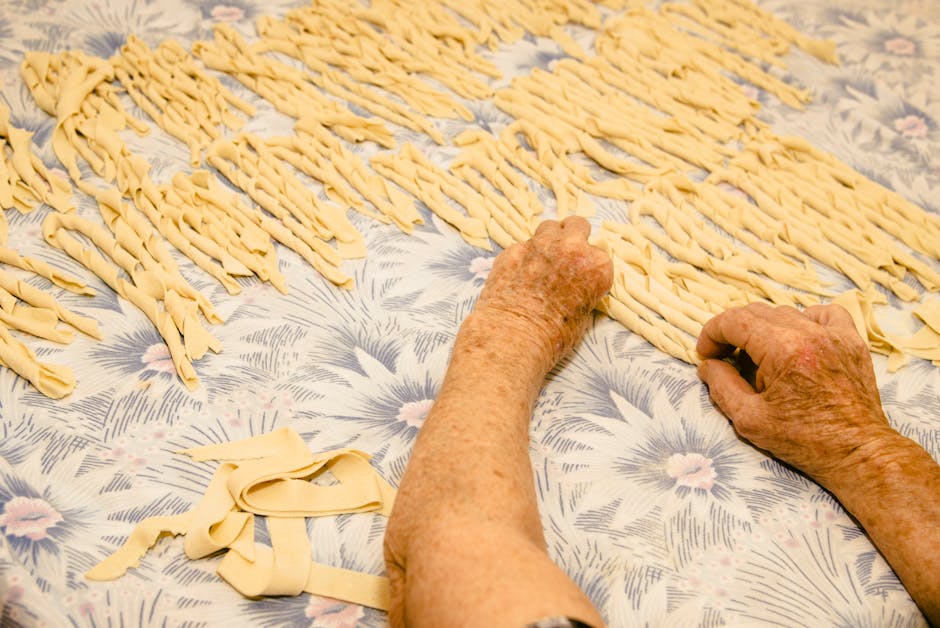
Restaurants and good local tables: Piedmontese cuisine is rich and hearty — perfect with powerful wines. Dishes to try: tajarin with butter and truffle (thin local pasta), brasato al Barolo (beef braised in Barolo), and bonet (cocoa custard dessert). Restaurant budgets: local trattoria €20–€40 per person, fine dining €60–€150 per person (wine pairings extra).
Other practical tips: bring a light jacket for evenings, especially in autumn when temperatures fall. Carry a credit card and some cash (some stands accept cash only). Leave space in your luggage for bottles — many producers can ship internationally, so ask about postage costs before you buy. Finally, respect opening times: many attractions close in the afternoon (14:00–15:30), and tourist offices may have reduced hours in low season.
Conclusion: Experience Vinodays as a Full Immersion in Piedmont
Vinodays is far more than a wine gathering: it’s a window into Piedmont’s living heritage. The festival lets you meet winemaking families, grasp Nebbiolo’s nuances, enjoy Barbera’s generosity and Moscato d’Asti’s elegance, all while discovering history-steeped villages. From medieval castles like Castello di Grinzane Cavour to thematic museums such as WiMu in Barolo, every stop tells part of the region’s identity. Tastings, masterclasses and dinners also give you the chance to experiment with the food-and-wine pairings that underpin Piedmont’s gastronomic reputation.
To make the most of Vinodays: plan ahead, book tours and workshops, balance morning activities with afternoon downtime, and above all, take notes. Tasting prices vary but remain accessible: a day pass for multiple tastings can cost between €20 and €35, while premium experiences (pairing dinners or rare verticals) may reach €150–€250. Consider logistics — rent a car or hire a driver for long tasting days — and choose a central base to cut down on travel time.
Remember that Piedmont is also best discovered off the beaten path: sunrise walks through the vines, lingering in an osteria for a local plate, or stopping at an independent producer to swap stories and leave with a personally signed bottle. Vinodays is the ideal chance to combine wine curiosity with slow travel — take the time to understand, smell, taste and share. Whether you come for a weekend or a whole week, the festival will leave you with images of golden hills in evening light, palates full of aromas and an irresistible urge to return. Cheers — Salute — to your Piedmont discoveries!